

Longevity Thrive
update
Longevity Thrive
Thriving Health For Thriving Life
update
  • Home
  • Categories
    • Cell Renewal
    • Telomere Science
    • Supplement Guide
    • Diet Protocols
    • Expert Insights
    • Biohacking Tips
    • Research Updates
November 21.2026
4 Minutes Read

5 Telltale Signs You Might Be Low in Iron and What to Do

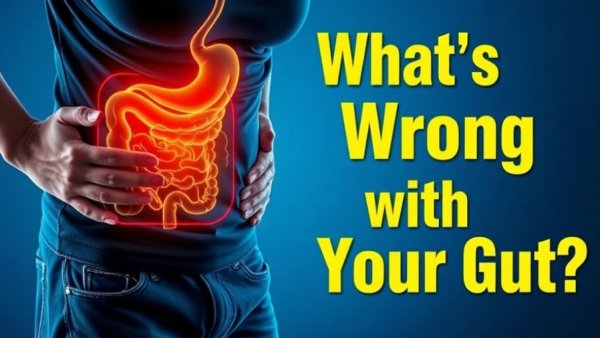
Professional explaining signs of low iron in educational setting

Understanding Iron's Role in Your Body

Iron is a vital mineral that plays a key role in crucial bodily functions, such as transporting oxygen in the blood and supporting cellular health. It’s surprising how often signs of iron deficiency can sneak up on us. From fatigue to pale skin, these subtle clues are your body’s way of saying, "Hey, let's check those iron levels!" In this article, we'll explore how you can easily determine if you're low in iron and share practical steps to improve your levels for better longevity and health.

In '5 Ways To Tell If You Are Low In Iron', the discussion dives into the importance of iron in our diets, prompting us to delve deeper into its role in our health.

Common Signs of Iron Deficiency

So, what should you look out for? Here are five telltale signs that you might be running low on iron:

  1. Extreme Fatigue: If you find yourself feeling unusually tired, it could be because your body isn't getting the oxygen it needs. This fatigue can impact your daily activities and overall quality of life, making even simple tasks feel monumental.
  2. Pale Skin: A decrease in red blood cells can lead to paleness. Check those cheeks—if they’re lacking color, it may be time for some iron. Pale skin can be particularly noticeable in people with naturally darker complexions, and sometimes other signs, like dark circles under the eyes, may accompany this symptom.
  3. Brittle Nails: If your nails are more fragile than a soap bubble, low iron might be to blame. Strong nails typically reflect overall health. A quick test? Try bending your nails; if they crack or chip easily, it may be time to assess your iron intake.
  4. Heart Palpitations: An iron deficiency can cause your heart to work harder, leading to irregular heartbeats. If your heart starts tap dancing unexpectedly, it’s worth a check-up! Regular palpitations can lead to anxiety, creating a vicious cycle where lack of iron increases stress levels.
  5. Unusual Cravings: Pica, or craving things like ice or dirt, may indicate an iron deficiency. Don’t worry; you’re not losing it; your body is simply confused! If you find yourself munching on non-food items, it may be a signal that your iron levels aren’t where they should be.

Biohacking Your Iron Levels

Now that you know the signs, the question becomes, how can you boost your iron levels? Biohacking offers innovative approaches to optimize your health and longevity. Here are a few strategies:

  • Embrace a Healthy Diet: Focus on iron-rich foods. Red meat, poultry, lentils, beans, and fortified cereals can be your best friends. Additionally, leafy greens like spinach and kale are great sources, especially when prepared with a touch of lemon juice to help absorption.
  • Consider Supplements: If you struggle to get enough iron from food alone, iron supplements can help, but always consult a healthcare professional before starting any new regimen. It's crucial to tailor the dosage to your specific needs, as too much iron can lead to complications.
  • Pair Your Meals Wisely: Vitamin C can help increase iron absorption, so pair your spinach salad with citrus fruits for a tasty boost! Pairing meals smartly not only makes eating more enjoyable, but it also optimizes your body’s ability to absorb nutrients.
  • Avoid Competing Nutrients: Calcium can inhibit iron absorption, so try to separate dairy intake from your iron-rich meals. This means waiting a couple of hours after consuming dairy products before enjoying that iron-packed red meat!
  • Monitor Your Levels: Schedule regular blood tests to stay on top of your iron levels. Knowledge is power! Consider keeping a health journal to track symptoms and lab results to share with your healthcare provider.

The Connection Between Iron and Longevity

Maintaining optimal iron levels is not merely about feeling energized; it’s an essential component of your longevity strategy. Studies suggest that effective management of iron levels can play a significant role in disease prevention and healthspan optimization. Think of iron as the fuel that powers your body's engine—if it’s running low, it can lead to problems down the line.

Moreover, ongoing research indicates that maintaining proper iron levels may contribute to better cardiovascular health, reduced inflammation, and even improved cognitive function. So, while that boost of energy from a healthy iron level feels good, it serves much larger purposes.

Much More than Just Iron

While iron is vital, it’s crucial to understand it's part of a bigger picture of nutrition and wellness. Our bodies need a balance of various vitamins and minerals to function optimally. A holistic approach that incorporates cellular health, biohacking techniques, and proper nutrition can amplify longevity and improve overall well-being. This means not only focusing on iron but also ensuring you’re getting adequate B vitamins, particularly B12 and B6, which also play roles in blood health.

As the field of aging research evolves, focusing on strategies like telomere science can offer exciting opportunities for future health. Integrating practices such as stress reduction, regular physical activity, and enhanced sleep hygiene will provide a synergistic effect that could help maximize the benefits of a balanced diet and iron optimization.

Final Thoughts on Iron Optimization

Being health-conscious means being vigilant about your body's needs. Recognizing the signs of iron deficiency is just one small piece of the vast puzzle of longevity and disease prevention. By implementing smart dietary changes and monitoring your health, you not only improve your wellness but enhance your life's quality.

So, wear that iron-rich cape like a superhero and empower yourself with knowledge! Bursting with insights, you can easily share these strategies with friends and family, turning wellness into a communal commitment.

Feeling inspired? Check out our wellness strategies to take charge of your health today!

Biohacking Tips

2 Views

0 Comments

Write A Comment

*
*
Please complete the captcha to submit your comment.
Related Posts All Posts
11.21.2026

How Grounding Can Combat Fatigue and Boost Longevity

Update Unpacking the Many Benefits of Grounding: Your Health Power-Up Did you know that connecting to the Earth might just be one of the simplest things you can do for your health? Grounding, or earthing as it’s often called, refers to the practice of making direct contact with the surface of the Earth. This lifestyle hack allows you to reconnect with the planet we often take for granted, and numerous studies suggest it can have profound effects on our well-being. For those of you looking to optimize your longevity and overall health, grounding could be an easily overlooked gem in your wellness toolkit.In 'The Grounding Mistake Keeping You Tired,' the discussion dives into the overlooked practice of grounding, exploring key insights that sparked deeper analysis on our end. Lost in Technology: The Disconnection from Earth In our tech-savvy world, we’re constantly zooming around in cars, sitting at desks, and stacking up a lifetime of indoor entertainment. Think about it: most of us wear shoes that insulate us from the very planet we live on and where our roots lie. This disconnection can lead to a decline in cellular health, energy levels, and even emotional well-being, leaving us feeling more tired than a smartphone on 2% battery life. How Grounding Enhances Cellular Repair Grounding is more than just walking barefoot on grass (though that’s a great start!). Research indicates that it promotes cellular repair by reducing inflammation and bolstering our body’s natural healing processes. This aligns with findings in telomere science, where shortened telomeres, the protective caps at the end of our chromosomes, are linked to aging and various diseases. By reducing oxidative stress through grounding, we may have a shot at maintaining those crucial telomere lengths and, in turn, enhancing our healthspan—the period of life spent in good health. Feeling Fatigued? Consider Grounding as a Solution One of the most compelling benefits of grounding is its capacity to combat fatigue. A quick stroll in your backyard or a park can help to relieve stress and lift your energy levels. Science-backed health tips suggest that even spending 20-30 minutes a day connected to the Earth can significantly improve your mood and energy. So next time you feel that afternoon slump kicking in, try heading outdoors rather than reaching for another cup of coffee! Your body—and your sleep cycle—will thank you. Embracing Grounding: Practical Steps to Get Started Transitioning into a grounded lifestyle doesn’t have to be complicated. Here are a few actionable tips to help you get the most out of this practice: Step Outside: Spend some time barefoot in your garden or a local park. The grass, soil, and sand all provide excellent grounding surfaces. You might even discover some new favorite spots where you can relax and connect with nature. Incorporate Earthing Products: If you can’t get outside due to weather or other factors, consider using earthing mats or sheets that allow you to connect indoors while you work or sleep. These products can help simulate the effects of being grounded outdoors, making it easier to reap the benefits regardless of your environment. Create Routine: Combine grounding with other wellness strategies, like morning stretches or meditation, to maximize its benefits. Perhaps make it a family activity, encouraging your loved ones to join you in some mindful moments outdoors. Common Misconceptions about Grounding Despite its benefits, many still have misconceptions about grounding. One common misconception is that the practice is only for outdoor enthusiasts or those into alternative lifestyles. However, the scope of grounding reaches beyond that. Anyone seeking to boost their well-being, enhance disease prevention, and expand their knowledge of cutting-edge health research can incorporate this practice into their lives. Grounding can be an ideal addition to modern wellness routines that often focus solely on diet and exercise. Grounding and Its Place in Aging Research This ancient practice finds a new ally in contemporary aging research. From fitness enthusiasts to those concerned with anti-aging, grounding stands as a potential life extension strategy. The cumulative benefits of consistently grounding your body can provide not just a good feeling but also a scientifically endorsed method to enhance your longevity. Researchers continue to explore how lifestyle factors, including grounding, influence aging markers, showing promise in making this practice not just a trendy concept but a vital component of health maintenance. The Science of Connection: How Grounding Works Grounding works on a surprisingly simple level: we absorb Earth's electrons, which can neutralize free radicals and help decrease inflammation. This connection can lead to an improved balance in our bodies, affecting everything from sleep quality to mood stabilization. By making grounding a part of your routine, you are likely to notice various improvements in your physical and mental states, making it a multifaceted approach to health. In Conclusion: Grounding for a Vibrant Life Incorporating grounding into your daily routine is a straightforward, scientifically-supported shift you can make to elevate your health. As wellness enthusiasts, it’s crucial to explore these methods while enjoying the little things, like feeling the soft grass beneath your feet. So let’s get back to our roots! Embrace grounding as an essential part of your health journey toward a longer, more vibrant life. Remember, in a world so focused on achieving benchmarks and milestones, sometimes the most transformative actions are those that simply bring us back to our origins—connected to the Earth and the energies it has to offer.

11.21.2026

Put Joy in Your Calendar First: Key to Longevity and Wellness

Update Why Joy Matters for Longevity When we think about living longer, we often focus on diet and exercise. But have you ever considered the role of joy? Joy isn't just a feeling; it can be a powerful tool for enhancing our healthspan and fostering cellular health. Research shows that positive emotions can significantly influence how well our bodies age. As we continue to explore factors contributing to longevity, integrating joy into our daily lives has emerged as a fundamental aspect of holistic health.In 'Put Joy in Your Calendar First', the discussion dives into the importance of incorporating joy into our lives, exploring key insights that sparked deeper analysis on our end. Joy and Stress Reduction Experiencing joy can help lower stress levels. High stress is known to lead to numerous health issues, from heart disease to weakened immune function. Individuals often underestimate the cumulative effects of stress on their bodies. Incorporating joyous activities into our daily routines can decrease the production of cortisol, a hormone that harms our telomeres—the protective caps on our DNA. Longer telomeres are associated with better aging outcomes and longevity. Moreover, consistent stress reduction through joyful living can also improve mental clarity and decision-making, leading to more positive choices in other areas of your life. Reducing stress is about creating physical, emotional, and mental space for joy to flourish. Building Joy in Your Daily Life Start by placing joy ahead of your busy schedule. For example, block out time for activities that bring you happiness—whether that's family dinners, nature walks, or painting. You could also explore new interests that resonate with your passions. Finding time for joy becomes easier when you view it as a non-negotiable part of your wellness routine. Consider experimenting with a joy inventory: write down a list of activities that bring you happiness and strive to incorporate at least one into your day. Not only will you feel happier, but you're also taking proactive steps toward life extension by creating a balanced approach to your time. The Science Behind Joy and Health Studies in aging research have shown that happier individuals tend to have lower risks of various diseases and are also less likely to suffer from depression and related health issues. In one study, researchers found that those who engaged in joyful activities on a regular basis reported significantly better health outcomes in older age. This suggests that joy could play a vital role in disease prevention. Furthermore, joy acts as a catalyst for producing beneficial biological reactions in our bodies. This includes the release of endorphins and dopamine, which not only improve mood but also promote better sleep and a stronger immune system. The integration of joy into daily living reduces the likelihood of chronic illnesses associated with aging. Practical Tips for Cultivating Joy Mindfulness and Gratitude: Start each day by thinking of three things you're grateful for or activities that make you smile. Engaging in mindfulness exercises can enhance your appreciation of daily moments. Stay Connected: Foster relationships with family and friends. Positive social interactions can boost your mood and provide a support network when faced with challenges. Engage in Hobbies: Spend time doing things you love—like gardening, writing, or sports—to spark joy. Make it a goal to learn something new that excites you. Volunteer: Helping others can create a deep sense of fulfillment and happiness. Consider dedicating time to community service or local charities. Expert Health Insights Many experts in gerontology, such as myself, promote the idea that mental well-being is just as crucial as physical health for longevity. Science-backed health tips often emphasize holistic approaches. By ensuring we are emotionally fulfilled, we can enhance our wellness strategies and give our bodies the best chance at a long, healthy life. Additionally, it’s essential to recognize that joy can also bring about changes in health behaviors. When one is joyful, they might be more inclined to engage in physical activities or adopt healthier eating habits. Understanding this interconnectedness can motivate individuals to prioritize joy as part of their wellness plans. A Holistic Approach to Longevity While joy impacts emotional health, combining it with good nutrition and regular exercise can yield even greater benefits. It's essential to view health as interconnected elements working together. Explore healthy diet protocols and integrate biohacking tips to optimize both your mind and body. This approach makes your health journey both enjoyable and effective. Integrating activities that foster joy can lead to healthier choices overall. Evaluate how your lifestyle can support your emotional and physical health, ensuring you create an environment where joy can thrive. Call to Action Incorporate joy into your daily activities and watch how it transforms your overall well-being. Start by dedicating just 10 minutes a day to something you adore—whether that’s a hobby, a walk, or a conversation with a friend. You'll feel healthier, happier, and more vibrant in no time. Remember, a joyful heart is a pathway to longevity! Embrace the power of joy and cultivate it in your life as a beneficial investment in your future health.

11.19.2026

9 Surprising Reasons Your Gut Is A Mess: Health Insights Revealed

Update The Gut Connection: Understanding Your Body's Best-Kept Secret Imagine your gut as the unsung hero of your health, tirelessly working behind the scenes to keep you feeling at your best. Yet, it can easily become a battlefield if you’re not prioritizing your gut health. As highlighted by Dr. Janine in her informative video on gut issues, understanding the underlying reasons your gut might be feeling ‘a mess’ is key to restoring its function and enhancing your overall well-being. Let's unpack nine surprising reasons your gut health could be suffering, backed by science and practical advice.In '9 Reasons Why Your Gut Is A Mess', Dr. Janine highlights critical factors impacting gut health, and we’re diving deeper into these insights for a comprehensive look at optimizing wellness. Your Stress Levels: The Gut's Hidden Foe First on our list is stress—the silent disruptor of gut health. The gut-brain connection is a marvel of bioengineering; when stress levels soar, your gut often reacts with discomfort or irregularities, leading to symptoms like bloating or urgency. Studies show that chronic stress can alter the gut microbiome, reducing diversity and weakening its ability to fight off harmful bacteria. By prioritizing stress reduction techniques—such as mindfulness, yoga, or even a daily walk—you can help restore balance in your gut. Consider it a step towards optimal wellness and longevity. Food Poisoning and Gut Recovery Next up, let’s talk about food poisoning. If you’ve had the misfortune of experiencing it, you’ll know just how disruptive it can be. Beyond the initial symptoms, food poisoning can severely impact the gut’s delicate ecosystem. Restoring gut health afterward is essential, and this often requires a focus on microbiome recovery. Supplements like probiotics and a careful dietary protocol can help not just in the immediate aftermath but support long-term gut health—so be sure to consider this when planning your meals! The Impact of Sunlight on Gut Function Are you getting enough sun? Your gut health thrives on more than just a good diet; it also needs the right external cues—like sunlight. Your circadian rhythms help govern gut health and function through the synchronization of gut cells with the brain's master clock. Lacking natural light can throw your gut into chaos. Aiming for daily sunlight exposure could not just lift your mood but also improve your gut’s health. So, soak up those rays with caution! What’s Lurking in Your Gut? Harmful Bacteria The presence of bad bacteria, parasites, or yeast like candida can wreak havoc in our guts. If you suspect an imbalance, consider a microbiome cleanse. Regularly clearing out harmful organisms can help maintain the gut’s integrity. This preventive maintenance will aid your body's cellular health, aiding your longevity endeavors. Just think of it as cleaning out your body’s fridge regularly to ensure freshness! Alcohol Consumption: The Double-Edged Sword Ah, alcohol—what many consider a social staple. However, excessive drinking can be akin to applying a hand sanitizer to your gut; while it may eliminate some harmful elements, it can also obliterate your beneficial probiotics. Excess alcohol consumption disrupts the delicate balance of your microbiome, creating room for gut issues to flourish. Moderation is vital here; the occasional glass won’t do much harm, but consistently overindulging? That’s a gut health no-no. Are You Too Clean? The Hygiene Hypothesis It turns out that being too clean can also sabotage your gut health. Overuse of sanitizers can wipe out the beneficial bacteria we need. This hygiene hypothesis suggests that excessive cleanliness may prevent our microbiome from developing the diversity it needs to keep us healthy. Embracing a little dirt might actually be good for your gut and overall health! Diet: The Good, the Bad, and the Sugary Your diet plays a pivotal role in influencing your gut health. Overindulgence in sugars and highly processed foods can lead to alterations in your gut microbiome that may increase disease risk and inflammation. Opting for a balanced diet rich in whole foods not only fuels your body but promotes a diverse microbiome. Consider incorporating more fibers, healthy fats, and lean proteins that can enhance your gut’s resilience. The Antibiotic Dilemma: A Necessary Evil While antibiotics are lifesavers in many ways, they come with a hefty price for your gut health. These medications indiscriminately kill both good and bad bacteria, leading to an often disrupted microbiome. It’s essential to follow up a course of antibiotics with probiotics and a focus on rejuvenating your gut bacteria to support your overall health. This restoration process is crucial for bolstering your immune response and improving your healthspan. Colds and Flu: More Than Just Symptoms Lastly, don’t underestimate the impact of colds and flu on your gut health. While your immune system is wrestling with a virus, it can sow the seeds of dysbiosis in your gut flora. Maintaining a strong, well-nourished immune system through proper nutrition and lifestyle choices can help mitigate these effects. Think of your immune system as a well-oiled machine that needs the right fuel. In her video, "9 Reasons Why Your Gut Is A Mess," Dr. Janine uncovered vital insights into common pitfalls that can derail your gut health. By addressing these factors proactively, you not only promote gut health but also bolster your longevity and overall wellness. Don't wait for discomfort to show up; instead, take a step today to nurture those beneficial bacteria. Your gut will thank you! If you're keen on optimizing your health and enhancing longevity, consider exploring some personalized health strategies that can work in harmony with the insights shared. Dive into more expert health insights and biohacking tips to elevate your wellness journey!

cropper
update
Longevity Thrive
cropper
update

Longevity Thrive empowers individuals with science-backed insights, expert advice, and practical tools to optimize health, wellness, and longevity.

  • update
  • update
  • update
  • update
  • update
  • update
  • update
UPDATE

ABOUT US

Longevity Thrive is a media platform dedicated to providing science-backed insights, practical strategies, and the latest trends in health, wellness, and longevity. It empowers individuals to optimize their healthspan and live vibrant, fulfilling lives.

© 2026 Longevity Thrive All Rights Reserved. Harp Island Close, London, Brent NW100DF . Contact Us . Terms of Service . Privacy Policy

eyJjb21wYW55IjoiTG9uZ2V2aXR5IFRocml2ZSIsImFkZHJlc3MiOiJIYXJwIElzbGFuZCBDbG9zZSIsImNpdHkiOiJMb25kb24iLCJzdGF0ZSI6IkJyZW50IiwiemlwIjoiTlcxMDBERiIsImVtYWlsIjoibG9yZW5hc0BnZXRtaWxlcmlzbWFya2V0aW5nLmNvbSIsInRvcyI6IlBIQStQSE4wY205dVp6NDhaVzArVjJobGJpQjViM1VnYzJsbmJpMXBiaUIzYVhSb0lIVnpMQ0I1YjNVZ1lYSmxJR2RwZG1sdVp5WnVZbk53T3lCNWIzVnlJSEJsY20xcGMzTnBiMjRnWVc1a0lHTnZibk5sYm5RZ2RHOGdjMlZ1WkNCNWIzVWdaVzFoYVd3Z1lXNWtMMjl5SUZOTlV5QjBaWGgwSUcxbGMzTmhaMlZ6TGlCQ2VTQmphR1ZqYTJsdVp5QjBhR1VnVkdWeWJYTWdZVzVrSUVOdmJtUnBkR2x2Ym5NZ1ltOTRJR0Z1WkNCaWVTQnphV2R1YVc1bklHbHVJSGx2ZFNCaGRYUnZiV0YwYVdOaGJHeDVJR052Ym1acGNtMGdkR2hoZENCNWIzVWdZV05qWlhCMElHRnNiQ0IwWlhKdGN5QnBiaUIwYUdseklHRm5jbVZsYldWdWRDNDhMMlZ0UGp3dmMzUnliMjVuUGp3dmNENEtDanh3UGp4aElHaHlaV1k5SW1oMGRIQTZMeTkzZDNjdVoyOXZaMnhsTG1OdmJTSSthSFIwY0RvdkwzZDNkeTVuYjI5bmJHVXVZMjl0UEM5aFBqd3ZjRDRLQ2p4d1BpWnVZbk53T3p3dmNENEtDanh3UGp4emRISnZibWMrVTBWU1ZrbERSVHd2YzNSeWIyNW5Qand2Y0Q0S0NqeHdQbGRsSUhCeWIzWnBaR1VnWVNCelpYSjJhV05sSUhSb1lYUWdZM1Z5Y21WdWRHeDVJR0ZzYkc5M2N5QjViM1VnZEc4Z2NtVmpaV2wyWlNCeVpYRjFaWE4wY3lCbWIzSWdabVZsWkdKaFkyc3NJR052YlhCaGJua2dhVzVtYjNKdFlYUnBiMjRzSUhCeWIyMXZkR2x2Ym1Gc0lHbHVabTl5YldGMGFXOXVMQ0JqYjIxd1lXNTVJR0ZzWlhKMGN5d2dZMjkxY0c5dWN5d2daR2x6WTI5MWJuUnpJR0Z1WkNCdmRHaGxjaUJ1YjNScFptbGpZWFJwYjI1eklIUnZJSGx2ZFhJZ1pXMWhhV3dnWVdSa2NtVnpjeUJoYm1RdmIzSWdZMlZzYkhWc1lYSWdjR2h2Ym1VZ2IzSWdaR1YyYVdObExpQlpiM1VnZFc1a1pYSnpkR0Z1WkNCaGJtUWdZV2R5WldVZ2RHaGhkQ0IwYUdVZ1UyVnlkbWxqWlNCcGN5QndjbTkyYVdSbFpDQW1jWFZ2ZER0QlV5MUpVeVp4ZFc5ME95QmhibVFnZEdoaGRDQjNaU0JoYzNOMWJXVWdibThnY21WemNHOXVjMmxpYVd4cGRIa2dabTl5SUhSb1pTQjBhVzFsYkdsdVpYTnpMQ0JrWld4bGRHbHZiaXdnYldsekxXUmxiR2wyWlhKNUlHOXlJR1poYVd4MWNtVWdkRzhnYzNSdmNtVWdZVzU1SUhWelpYSWdZMjl0YlhWdWFXTmhkR2x2Ym5NZ2IzSWdjR1Z5YzI5dVlXeHBlbUYwYVc5dUlITmxkSFJwYm1kekxqd3ZjRDRLQ2p4d1BsbHZkU0JoY21VZ2NtVnpjRzl1YzJsaWJHVWdabTl5SUc5aWRHRnBibWx1WnlCaFkyTmxjM01nZEc4Z2RHaGxJRk5sY25acFkyVXNJR0Z1WkNCMGFHRjBJR0ZqWTJWemN5QnRZWGtnYVc1MmIyeDJaU0IwYUdseVpDMXdZWEowZVNCbVpXVnpJQ2h6ZFdOb0lHRnpJRk5OVXlCMFpYaDBJRzFsYzNOaFoyVnpMQ0JKYm5SbGNtNWxkQ0J6WlhKMmFXTmxJSEJ5YjNacFpHVnlJRzl5SUdObGJHeDFiR0Z5SUdGcGNuUnBiV1VnWTJoaGNtZGxjeWt1SUZsdmRTQmhjbVVnY21WemNHOXVjMmxpYkdVZ1ptOXlJSFJvYjNObElHWmxaWE1zSUdsdVkyeDFaR2x1WnlCMGFHOXpaU0JtWldWeklHRnpjMjlqYVdGMFpXUWdkMmwwYUNCMGFHVWdaR2x6Y0d4aGVTQnZjaUJrWld4cGRtVnllU0J2WmlCbFlXTm9JRk5OVXlCMFpYaDBJRzFsYzNOaFoyVWdkMlVnYzJWdVpDQjBieUI1YjNVdUlFbHVJR0ZrWkdsMGFXOXVMQ0I1YjNVZ2JYVnpkQ0J3Y205MmFXUmxJR0Z1WkNCaGNtVWdjbVZ6Y0c5dWMybGliR1VnWm05eUlHRnNiQ0JsY1hWcGNHMWxiblFnYm1WalpYTnpZWEo1SUhSdklHRmpZMlZ6Y3lCMGFHVWdVMlZ5ZG1salpTQmhibVFnY21WalpXbDJaU0IwYUdVZ1UwMVRJSFJsZUhRZ2JXVnpjMkZuWlhNdUlGZGxJR1J2SUc1dmRDQmphR0Z5WjJVZ1lXNTVJR1psWlhNZ1ptOXlJSFJvWlNCa1pXeHBkbVZ5ZVNCdlppQmxiV0ZwYkNCdmNpQlRUVk11SUZSb2FYTWdhWE1nWVNCbWNtVmxJSE5sY25acFkyVWdkMlVnY0hKdmRtbGtaUzRnU0c5M1pYWmxjaXdnY0d4bFlYTmxJR05vWldOcklIZHBkR2dnZVc5MWNpQnBiblJsY201bGRDQnpaWEoyYVdObElIQnliM1pwWkdWeUlHRnVaQ0JqWld4c2RXeGhjaUJqWVhKeWFXVnlJR1p2Y2lCaGJua2dZMmhoY21kbGN5QjBhR0YwSUhsdmRTQnRZWGtnYVc1amRYSWdZWE1nWVNCeVpYTjFiSFFnYjJZZ2NtVmpaV2wyYVc1bklHVnRZV2xzSUdGdVpDQlRUVk1nZEdWNGRDQnRaWE56WVdkbGN5QjBhR0YwSUhkbElHUmxiR2wyWlhJZ2RYQnZiaUI1YjNWeUlHOXdkQzFwYmlCaGJtUWdjbVZuYVhOMGNtRjBhVzl1SUhkcGRHZ2diM1Z5SUdWdFlXbHNJR0Z1WkNCVFRWTWdjMlZ5ZG1salpYTXVJRmx2ZFNCallXNGdZMkZ1WTJWc0lHRjBJR0Z1ZVNCMGFXMWxMaUJLZFhOMElIUmxlSFFnSm5GMWIzUTdVMVJQVUNaeGRXOTBPeUIwYnladVluTndPenhvYVdkb2JHbG5hSFFnWTJ4aGMzTTlJbU52YlhCaGJubFRUVk5RYUc5dVpWVndaR0YwWlNJK2JuVnNiRHd2YUdsbmFHeHBaMmgwUGk0Z1FXWjBaWElnZVc5MUlITmxibVFnZEdobElGTk5VeUJ0WlhOellXZGxJQ1p4ZFc5ME8xTlVUMUFtY1hWdmREc2dkRzhnZFhNc0lIZGxJSGRwYkd3Z2MyVnVaQ0I1YjNVZ1lXNGdVMDFUSUcxbGMzTmhaMlVnZEc4Z1kyOXVabWx5YlNCMGFHRjBJSGx2ZFNCb1lYWmxJR0psWlc0Z2RXNXpkV0p6WTNKcFltVmtMaUJCWm5SbGNpQjBhR2x6TENCNWIzVWdkMmxzYkNCdWJ5QnNiMjVuWlhJZ2NtVmpaV2wyWlNCVFRWTWdiV1Z6YzJGblpYTWdabkp2YlNCMWN5NDhMM0ErQ2dvOGNENDhjM1J5YjI1blBsbFBWVklnVWtWSFNWTlVVa0ZVU1U5T0lFOUNURWxIUVZSSlQwNVRQQzl6ZEhKdmJtYytQQzl3UGdvS1BIQStTVzRnWTI5dWMybGtaWEpoZEdsdmJpQnZaaUI1YjNWeUlIVnpaU0J2WmlCMGFHVWdVMlZ5ZG1salpTd2dlVzkxSUdGbmNtVmxJSFJ2T2p3dmNENEtDanh2YkQ0S0NUeHNhVDV3Y205MmFXUmxJSFJ5ZFdVc0lHRmpZM1Z5WVhSbExDQmpkWEp5Wlc1MElHRnVaQ0JqYjIxd2JHVjBaU0JwYm1admNtMWhkR2x2YmlCaFltOTFkQ0I1YjNWeWMyVnNaaUJoY3lCd2NtOXRjSFJsWkNCaWVTQjBhR1VnVTJWeWRtbGpaU1lqTXprN2N5QnlaV2RwYzNSeVlYUnBiMjRnWm05eWJTQW9jM1ZqYUNCcGJtWnZjbTFoZEdsdmJpQmlaV2x1WnlCMGFHVWdKbkYxYjNRN1VtVm5hWE4wY21GMGFXOXVJRVJoZEdFbWNYVnZkRHNwSUdGdVpEd3ZiR2srQ2drOGJHaytiV0ZwYm5SaGFXNGdZVzVrSUhCeWIyMXdkR3g1SUhWd1pHRjBaU0IwYUdVZ1VtVm5hWE4wY21GMGFXOXVJRVJoZEdFZ2RHOGdhMlZsY0NCcGRDQjBjblZsTENCaFkyTjFjbUYwWlN3Z1kzVnljbVZ1ZENCaGJtUWdZMjl0Y0d4bGRHVXVJRWxtSUhsdmRTQndjbTkyYVdSbElHRnVlU0JwYm1admNtMWhkR2x2YmlCMGFHRjBJR2x6SUhWdWRISjFaU3dnYVc1aFkyTjFjbUYwWlN3Z2JtOTBJR04xY25KbGJuUWdiM0lnYVc1amIyMXdiR1YwWlN3Z2IzSWdkMlVnYUdGMlpTQnlaV0Z6YjI1aFlteGxJR2R5YjNWdVpITWdkRzhnYzNWemNHVmpkQ0IwYUdGMElITjFZMmdnYVc1bWIzSnRZWFJwYjI0Z2FYTWdkVzUwY25WbExDQnBibUZqWTNWeVlYUmxMQ0J1YjNRZ1kzVnljbVZ1ZENCdmNpQnBibU52YlhCc1pYUmxMQ0IzWlNCb1lYWmxJSFJvWlNCeWFXZG9kQ0IwYnlCemRYTndaVzVrSUc5eUlEeHpkSEp2Ym1jK1BITndZVzRnYzNSNWJHVTlJbU52Ykc5eU9pTkdSakF3TURBN0lqNTBaWEp0YVc1aGRHVWdlVzkxY2lCaFkyTnZkVzUwTDNCeWIyWnBiR1VnWVc1a0lISmxablZ6WlNCaGJua2dZVzVrSUdGc2JDQmpkWEp5Wlc1MElHOXlJR1oxZEhWeVpTQjFjMlVnYjJZZ2RHaGxJRk5sY25acFkyVWdLRzl5SUdGdWVTQndiM0owYVc5dUlIUm9aWEpsYjJZcExqd3ZjM0JoYmo0OEwzTjBjbTl1Wno0OEwyeHBQZ284TDI5c1Bnb0tQSEErSm01aWMzQTdQQzl3UGdvOGFHbG5hR3hwWjJoMElHTnNZWE56UFNKamIyMXdZVzU1VG1GdFpWVndaR0YwWlNJK1RHOXVaMlYyYVhSNUlGUm9jbWwyWlR3dmFHbG5hR3hwWjJoMFBqeGljaUF2UGdvOGFHbG5hR3hwWjJoMElHTnNZWE56UFNKamIyMXdZVzU1UVdSa2NtVnpjMVZ3WkdGMFpTSStTR0Z5Y0NCSmMyeGhibVFnUTJ4dmMyVXNJRXh2Ym1SdmJpd2dRbkpsYm5RZ1RsY3hNREJFUmp3dmFHbG5hR3hwWjJoMFBqeGljaUF2UGdvOGFHbG5hR3hwWjJoMElHTnNZWE56UFNKamIyMXdZVzU1VUdodmJtVlZjR1JoZEdVaVBpczBORGM0TlRZMU5UQXdNelU4TDJocFoyaHNhV2RvZEQ0OFluSWdMejRLUEdocFoyaHNhV2RvZENCamJHRnpjejBpWTI5dGNHRnVlVVZ0WVdsc1ZYQmtZWFJsSWo1c2IzSmxibUZ6UUdkbGRHMXBiR1Z5YVhOdFlYSnJaWFJwYm1jdVkyOXRQQzlvYVdkb2JHbG5hSFErIiwicHJpdmFjeSI6IlBIQStQSE4wY205dVp6NVFVa2xXUVVOWlBDOXpkSEp2Ym1jK1BDOXdQZ29LUEhBK1BITjBjbTl1Wno1VWFHVWdhVzVtYjNKdFlYUnBiMjRnY0hKdmRtbGtaV1FnWkhWeWFXNW5JSFJvYVhNZ2NtVm5hWE4wY21GMGFXOXVJR2x6SUd0bGNIUWdjSEpwZG1GMFpTQmhibVFnWTI5dVptbGtaVzUwYVdGc0xDQmhibVFnZDJsc2JDQnVaWFpsY2lCaVpTQmthWE4wY21saWRYUmxaQ3dnWTI5d2FXVmtMQ0J6YjJ4a0xDQjBjbUZrWldRZ2IzSWdjRzl6ZEdWa0lHbHVJR0Z1ZVNCM1lYa3NJSE5vWVhCbElHOXlJR1p2Y20wdUlGUm9hWE1nYVhNZ2IzVnlJR2QxWVhKaGJuUmxaUzQ4TDNOMGNtOXVaejQ4TDNBK0NnbzhjRDQ4YzNSeWIyNW5Qa2xPUkVWTlRrbFVXVHd2YzNSeWIyNW5Qand2Y0Q0S0NqeHdQanhsYlQ1WmIzVWdZV2R5WldVZ2RHOGdhVzVrWlcxdWFXWjVJR0Z1WkNCb2IyeGtJSFZ6TENCaGJtUWdhWFJ6SUhOMVluTnBaR2xoY21sbGN5d2dZV1ptYVd4cFlYUmxjeXdnYjJabWFXTmxjbk1zSUdGblpXNTBjeXdnWTI4dFluSmhibVJsY25NZ2IzSWdiM1JvWlhJZ2NHRnlkRzVsY25Nc0lHRnVaQ0JsYlhCc2IzbGxaWE1zSUdoaGNtMXNaWE56SUdaeWIyMGdZVzU1SUdOc1lXbHRJRzl5SUdSbGJXRnVaQ3dnYVc1amJIVmthVzVuSUhKbFlYTnZibUZpYkdVZ1lYUjBiM0p1WlhsekppTXpPVHNnWm1WbGN5d2diV0ZrWlNCaWVTQmhibmtnZEdocGNtUWdjR0Z5ZEhrZ1pIVmxJSFJ2SUc5eUlHRnlhWE5wYm1jZ2IzVjBJRzltSUVOdmJuUmxiblFnZVc5MUlISmxZMlZwZG1Vc0lITjFZbTFwZEN3Z2NtVndiSGtzSUhCdmMzUXNJSFJ5WVc1emJXbDBJRzl5SUcxaGEyVWdZWFpoYVd4aFlteGxJSFJvY205MVoyZ2dkR2hsSUZObGNuWnBZMlVzSUhsdmRYSWdkWE5sSUc5bUlIUm9aU0JUWlhKMmFXTmxMQ0I1YjNWeUlHTnZibTVsWTNScGIyNGdkRzhnZEdobElGTmxjblpwWTJVc0lIbHZkWElnZG1sdmJHRjBhVzl1SUc5bUlIUm9aU0JVVDFNc0lHOXlJSGx2ZFhJZ2RtbHZiR0YwYVc5dUlHOW1JR0Z1ZVNCeWFXZG9kSE1nYjJZZ1lXNXZkR2hsY2k0OEwyVnRQand2Y0Q0S0NqeHdQanh6ZEhKdmJtYytSRWxUUTB4QlNVMUZVaUJQUmlCWFFWSlNRVTVVU1VWVFBDOXpkSEp2Ym1jK1BDOXdQZ29LUEhBK1BITjBjbTl1Wno1WlQxVWdSVmhRVWtWVFUweFpJRlZPUkVWU1UxUkJUa1FnUVU1RUlFRkhVa1ZGSUZSSVFWUTZQQzl6ZEhKdmJtYytQQzl3UGdvS1BHOXNQZ29KUEd4cFBsbFBWVklnVlZORklFOUdJRlJJUlNCVFJWSldTVU5GSUVsVElFRlVJRmxQVlZJZ1UwOU1SU0JTU1ZOTExpQlVTRVVnVTBWU1ZrbERSU0JKVXlCUVVrOVdTVVJGUkNCUFRpQkJUaUFtY1hWdmREdEJVeUJKVXlaeGRXOTBPeUJCVGtRZ0puRjFiM1E3UVZNZ1FWWkJTVXhCUWt4RkpuRjFiM1E3SUVKQlUwbFRMaUFzTGlCQlRrUWdWVk1zSUVsVUppTXpPVHRUSUVOVlUxUlBUVVZTVXl3Z1JWaFFVa1ZUVTB4WklFUkpVME5NUVVsTlV5QkJURXdnVjBGU1VrRk9WRWxGVXlCUFJpQkJUbGtnUzBsT1JDd2dWMGhGVkVoRlVpQkZXRkJTUlZOVElFOVNJRWxOVUV4SlJVUXNJRWxPUTB4VlJFbE9SeXdnUWxWVUlFNVBWQ0JNU1UxSlZFVkVJRlJQSUZSSVJTQkpUVkJNU1VWRUlGZEJVbEpCVGxSSlJWTWdUMFlnVFVWU1EwaEJUbFJCUWtsTVNWUlpMQ0JHU1ZST1JWTlRJRVpQVWlCQklGQkJVbFJKUTFWTVFWSWdVRlZTVUU5VFJTQkJUa1FnVGs5T0xVbE9SbEpKVGtkRlRVVk9WQzQ4TDJ4cFBnb0pQR3hwUGsxQlMwVlRJRTVQSUZkQlVsSkJUbFJaSUZSSVFWUWdLR2twSUZSSVJTQlRSVkpXU1VORklGZEpURXdnVFVWRlZDQlpUMVZTSUZKRlVWVkpVa1ZOUlU1VVV5d2dLR2xwS1NCVVNFVWdVMFZTVmtsRFJTQlhTVXhNSUVKRklGVk9TVTVVUlZKU1ZWQlVSVVFzSUZSSlRVVk1XU3dnVTBWRFZWSkZMQ0JQVWlCRlVsSlBVaTFHVWtWRkxDQW9hV2xwS1NCVVNFVWdVa1ZUVlV4VVV5QlVTRUZVSUUxQldTQkNSU0JQUWxSQlNVNUZSQ0JHVWs5TklGUklSU0JWVTBVZ1QwWWdWRWhGSUZORlVsWkpRMFVnVjBsTVRDQkNSU0JCUTBOVlVrRlVSU0JQVWlCU1JVeEpRVUpNUlN3Z1FVNUVJQ2hwZGlrZ1FVNVpJRVZTVWs5U1V5QkpUaUJVU0VVZ1UwOUdWRmRCVWtVZ1YwbE1UQ0JDUlNCRFQxSlNSVU5VUlVRdVBDOXNhVDRLQ1R4c2FUNUJUbGtnVFVGVVJWSkpRVXdnUkU5WFRreFBRVVJGUkNCUFVpQlBWRWhGVWxkSlUwVWdUMEpVUVVsT1JVUWdWRWhTVDFWSFNDQlVTRVVnVlZORklFOUdJRlJJUlNCVFJWSldTVU5GSUVsVElFUlBUa1VnUVZRZ1dVOVZVaUJQVjA0Z1JFbFRRMUpGVkVsUFRpQkJUa1FnVWtsVFN5QkJUa1FnVkVoQlZDQlpUMVVnVjBsTVRDQkNSU0JUVDB4RlRGa2dVa1ZUVUU5T1UwbENURVVnUms5U0lFRk9XU0JFUVUxQlIwVWdWRThnV1U5VlVpQkRUMDFRVlZSRlVpQlRXVk5VUlUwZ1QxSWdURTlUVXlCUFJpQkVRVlJCSUZSSVFWUWdVa1ZUVlV4VVV5QkdVazlOSUZSSVJTQkVUMWRPVEU5QlJDQlBSaUJCVGxrZ1UxVkRTQ0JOUVZSRlVrbEJUQzQ4TDJ4cFBnb0pQR3hwUGs1UElFRkVWa2xEUlNCUFVpQkpUa1pQVWsxQlZFbFBUaXdnVjBoRlZFaEZVaUJQVWtGTUlFOVNJRmRTU1ZSVVJVNHNJRTlDVkVGSlRrVkVJRUpaSUZsUFZTQkdVazlOSUU5U0lGUklVazlWUjBnZ1QxSWdSbEpQVFNCVVNFVWdVMFZTVmtsRFJTQlRTRUZNVENCRFVrVkJWRVVnUVU1WklGZEJVbEpCVGxSWklFNVBWQ0JGV0ZCU1JWTlRURmtnVTFSQlZFVkVJRWxPSUZSSVJTQlVUMU11UEM5c2FUNEtQQzl2YkQ0S0NqeHdQanh6ZEhKdmJtYytURWxOU1ZSQlZFbFBUaUJQUmlCTVNVRkNTVXhKVkZrOEwzTjBjbTl1Wno0OEwzQStDZ284Y0Q1WlQxVWdSVmhRVWtWVFUweFpJRlZPUkVWU1UxUkJUa1FnUVU1RUlFRkhVa1ZGSUZSSVFWUWdRVTVFSUZOSVFVeE1JRTVQVkNCQ1JTQk1TVUZDVEVVZ1JrOVNJRUZPV1NCRVNWSkZRMVFzSUVsT1JFbFNSVU5VTENCSlRrTkpSRVZPVkVGTUxDQlRVRVZEU1VGTUxDQkRUMDVUUlZGVlJVNVVTVUZNSUU5U0lFVllSVTFRVEVGU1dTQkVRVTFCUjBWVExDQkpUa05NVlVSSlRrY2dRbFZVSUU1UFZDQk1TVTFKVkVWRUlGUlBMQ0JFUVUxQlIwVlRJRVpQVWlCTVQxTlRJRTlHSUZCU1QwWkpWRk1zSUVkUFQwUlhTVXhNTENCVlUwVXNJRVJCVkVFZ1QxSWdUMVJJUlZJZ1NVNVVRVTVIU1VKTVJTQk1UMU5UUlZNZ0tFVldSVTRnU1VZZ1NFRlRJRUpGUlU0Z1FVUldTVk5GUkNCUFJpQlVTRVVnVUU5VFUwbENTVXhKVkZrZ1QwWWdVMVZEU0NCRVFVMUJSMFZUS1N3Z1VrVlRWVXhVU1U1SElFWlNUMDA2UEM5d1Bnb0tQRzlzUGdvSlBHeHBQbFJJUlNCVlUwVWdUMUlnVkVoRklFbE9RVUpKVEVsVVdTQlVUeUJWVTBVZ1ZFaEZJRk5GVWxaSlEwVTdQQzlzYVQ0S0NUeHNhVDVVU0VVZ1EwOVRWQ0JQUmlCUVVrOURWVkpGVFVWT1ZDQlBSaUJUVlVKVFZFbFVWVlJGSUVkUFQwUlRJRUZPUkNCVFJWSldTVU5GVXlCU1JWTlZURlJKVGtjZ1JsSlBUU0JCVGxrZ1IwOVBSRk1zSUVSQlZFRXNJRWxPUms5U1RVRlVTVTlPSUU5U0lGTkZVbFpKUTBWVElGQlZVa05JUVZORlJDQlBVaUJQUWxSQlNVNUZSQ0JQVWlCTlJWTlRRVWRGVXlCU1JVTkZTVlpGUkNCUFVpQlVVa0ZPVTBGRFZFbFBUbE1nUlU1VVJWSkZSQ0JKVGxSUElGUklVazlWUjBnZ1QxSWdSbEpQVFNCVVNFVWdVMFZTVmtsRFJUczhMMnhwUGdvSlBHeHBQbFZPUVZWVVNFOVNTVnBGUkNCQlEwTkZVMU1nVkU4Z1QxSWdRVXhVUlZKQlZFbFBUaUJQUmlCWlQxVlNJRlJTUVU1VFRVbFRVMGxQVGxNZ1QxSWdSRUZVUVRzOEwyeHBQZ29KUEd4cFBsTlVRVlJGVFVWT1ZGTWdUMUlnUTA5T1JGVkRWQ0JQUmlCQlRsa2dWRWhKVWtRZ1VFRlNWRmtnVDA0Z1ZFaEZJRk5GVWxaSlEwVTdJRTlTUEM5c2FUNEtDVHhzYVQ1QlRsa2dUMVJJUlZJZ1RVRlVWRVZTSUZKRlRFRlVTVTVISUZSUElGUklSU0JUUlZKV1NVTkZMand2YkdrK0Nqd3ZiMncrQ2dvOGNENDhkVDVDZVNCeVpXZHBjM1JsY21sdVp5QmhibVFnYzNWaWMyTnlhV0pwYm1jZ2RHOGdiM1Z5SUdWdFlXbHNJR0Z1WkNCVFRWTWdjMlZ5ZG1salpTd2dZbmtnYjNCMExXbHVMQ0J2Ym14cGJtVWdjbVZuYVhOMGNtRjBhVzl1SUc5eUlHSjVJR1pwYkd4cGJtY2diM1YwSUdFZ1kyRnlaQ3dnSm5GMWIzUTdlVzkxSUdGbmNtVmxJSFJ2SUhSb1pYTmxJRlJGVWsxVElFOUdJRk5GVWxaSlEwVW1jWFZ2ZERzZ1lXNWtJSGx2ZFNCaFkydHViM2RzWldSblpTQmhibVFnZFc1a1pYSnpkR0Z1WkNCMGFHVWdZV0p2ZG1VZ2RHVnliWE1nYjJZZ2MyVnlkbWxqWlNCdmRYUnNhVzVsWkNCaGJtUWdaR1YwWVdsc1pXUWdabTl5SUhsdmRTQjBiMlJoZVM0OEwzVStQQzl3UGdvS1BIQStKbTVpYzNBN1BDOXdQZ284YUdsbmFHeHBaMmgwSUdOc1lYTnpQU0pqYjIxd1lXNTVUbUZ0WlZWd1pHRjBaU0krVEc5dVoyVjJhWFI1SUZSb2NtbDJaVHd2YUdsbmFHeHBaMmgwUGp4aWNpQXZQZ284YUdsbmFHeHBaMmgwSUdOc1lYTnpQU0pqYjIxd1lXNTVRV1JrY21WemMxVndaR0YwWlNJK1NHRnljQ0JKYzJ4aGJtUWdRMnh2YzJVc0lFeHZibVJ2Yml3Z1FuSmxiblFnVGxjeE1EQkVSand2YUdsbmFHeHBaMmgwUGp4aWNpQXZQZ284YUdsbmFHeHBaMmgwSUdOc1lYTnpQU0pqYjIxd1lXNTVVR2h2Ym1WVmNHUmhkR1VpUGlzME5EYzROVFkxTlRBd016VThMMmhwWjJoc2FXZG9kRDQ4WW5JZ0x6NEtQR2hwWjJoc2FXZG9kQ0JqYkdGemN6MGlZMjl0Y0dGdWVVVnRZV2xzVlhCa1lYUmxJajVzYjNKbGJtRnpRR2RsZEcxcGJHVnlhWE50WVhKclpYUnBibWN1WTI5dFBDOW9hV2RvYkdsbmFIUSsifQ==

Terms of Service

Privacy Policy

Core Modal Title

Sorry, no results found

You Might Find These Articles Interesting

T
Please Check Your Email
We Will Be Following Up Shortly
*
*
*