
Longevity Thrive
update
Longevity Thrive
Thriving Health For Thriving Life
update
  • Home
  • Categories
    • Cell Renewal
    • Telomere Science
    • Supplement Guide
    • Diet Protocols
    • Expert Insights
    • Biohacking Tips
    • Research Updates
November 11.2026
2 Minutes Read

Could Allulose Be a Healthier Alternative to Traditional Sweeteners?

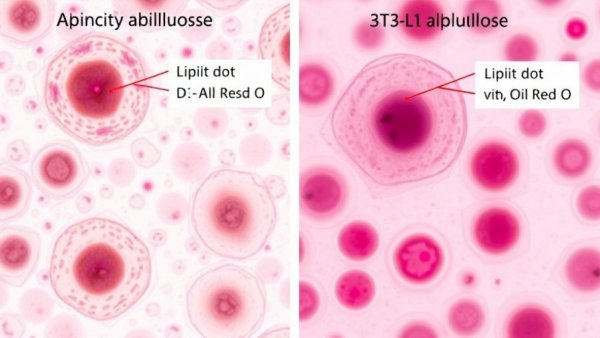
Microscopic cells showing the effect of D-allulose on 3T3-L1 adipocytes.

Understanding Allulose: A Potential Sweetener for Health Enthusiasts

Health-conscious individuals are on a constant quest for sugar alternatives that support their dietary choices without the added calories. One such contender is allulose, a rare sugar that exists in minimal quantities within nature but is now being industrially produced. Allulose is celebrated for its low-calorie content and shared advantages with other sweeteners like erythritol, particularly its potential anti-diabetic effects.

Insights from Animal Studies: What Do They Mean for Humans?

Research on allulose has primarily focused on animal studies, revealing that it reduces LDL cholesterol levels in hamsters and may influence obesity when fed high-fat diets. While these findings are promising, it’s crucial to recognize that results from animal studies do not always translate directly to humans. For instance, while obesity responses were noted in lard-consuming mice, human bodies may react differently to dietary changes, especially when it comes to fat burning and weight management.

Is Allulose the Answer to Caloric Control?

A noteworthy study suggested that allulose could improve fat metabolism. Participants who consumed a teaspoon of allulose shortly before meals burned fat more efficiently—a finding that could excite those interested in longevity diets and caloric restriction benefits. However, the increase in fat burning was modest, resulting in merely 15 calories burned over four hours, raising questions about the long-term efficacy of allulose in sustained weight loss.

Evaluating Allulose's Promises Against Traditional Sweeteners

Comparing allulose to conventional sweeteners like high-fructose corn syrup reveals that it could be beneficial for weight reduction. A study showed significant decreases in body fat, waist circumference, and overall weight with allulose-containing syrup over that of high-fructose corn syrup. Yet, the proprietary mixtures used in these studies warrant a more critical examination of allulose's effectiveness in real-world applications.

Impacts on Blood Sugar and Insulin Levels

One of the most pivotal arguments for allulose lies in its effect on glycemic control. When consumed with rapidly digesting carbohydrates, allulose has shown a remarkable ability to suppress blood sugar and insulin spikes, potentially aiding those at risk for blood sugar imbalances. This aligns well with the rising interest in plant-based nutrition and its impact on metabolic health, especially as individuals adopt diets to promote healthy aging.

Conclusion: The Need for Caution with Allulose

While allulose shows promise as a healthy sweetener with potential weight loss and blood sugar regulation benefits, more robust human trials are needed before it can be yanked from the shelves and crowned as a healthier alternative. For now, incorporating it into a balanced diet, alongside regular physical activity and robust nutritional strategies from diets like the Mediterranean diet or Blue Zone diet, may be the best route for health-conscious individuals aiming for longevity and vitality.

If you’re considering navigating the nutritional landscape with allulose or other sweeteners, remember to assess the complete picture of your dietary goals and consult with healthcare professionals when necessary.

Diet Protocols

0 Views

0 Comments

Write A Comment

*
*
Please complete the captcha to submit your comment.
Related Posts All Posts
11.11.2026

What Makes Rare Sugars Like Allulose a Sweet Addition for Health?

Update Exploring the Benefits of Rare Sugars like Allulose In today's health-conscious society, the quest for sweet alternatives that don't undermine our health is more pressing than ever. Rare sugars, such as allulose, have emerged as popular contenders, touted for their unique properties. Unlike traditional sugars, allulose boasts a much lower caloric value and doesn't elevate blood sugar levels, making it an appealing choice for those seeking to manage their weight or blood sugar for healthspan optimization. But what does science say about the health benefits of these rare sugars? Let’s delve into the facts and explore the compelling reasons to consider allulose as an integral part of a healthier diet.The video Are Rare Sugars Like Allulose Actually Healthy? dives into the benefits and potential of allulose, exploring key insights that sparked deeper analysis on our end. What Are Rare Sugars? Rare sugars are naturally occurring carbohydrates that are found in small amounts in certain fruits and food products. Allulose, specifically, is a monosaccharide that can be found in figs and raisins—foods that not only provide a tasty treat but also contribute beneficial nutrients to our diets. Studies have shown that allulose is similar in taste to fructose but has about 90% fewer calories, allowing health-conscious individuals to enjoy sweetness without the adverse effects often associated with sugar consumption. This ability to provide sweetness without significant energy intake makes rare sugars a fascinating alternative for caloric reduction. Science-Backed Insights on Allulose Research indicates that allulose may contribute to improved metabolic health. Studies have shown that it can help regulate blood glucose levels and promote fat metabolism, which could have implications for disease prevention and overall wellness strategies. Individuals managing diabetes or prediabetes may find this particularly relevant, given that keeping blood sugar levels stable is crucial for their health. Furthermore, this unique sugar allows those with certain dietary restrictions to maintain their sweet tooth while sidestepping many of the health issues tied to traditional sugars. Potential Benefits of Allulose for Longevity 1. **Weight Management**: As an alternative sweetener, allulose positively impacts weight management by reducing caloric intake without sacrificing sweetness. This is particularly beneficial for those adhering to healthy diet protocols aimed at longevity, such as low-calorie diets and intermittent fasting. By substituting allulose for higher-calorie sweeteners, individuals can enjoy their favorite treats while still adhering to their health goals. 2. **Blood Sugar Control**: Allulose may improve insulin sensitivity. This feature makes it a promising choice among individuals working toward optimal cellular health and those who want to balance their dietary intake. Given the rising concerns regarding insulin resistance and type 2 diabetes, this characteristic of allulose is not just a benefit, but a necessity for many consumers. 3. **Anti-inflammatory Properties**: Some studies suggest that allulose possesses anti-inflammatory properties, which could play a role in age-related diseases, making it a valuable tool in healthspan optimization. Chronic inflammation is a known culprit behind numerous health problems, including heart disease and arthritis. Incorporating anti-inflammatory substances like allulose into daily diets can serve as a preventative measure against such diseases, providing further incentive to explore its use. Understanding the Future of Sweeteners With increasing evidence supporting the advantages of allulose, its popularity in the wellness community is expected to rise. As people become more educated about the potential impacts of their dietary choices on overall health, sweeteners like allulose could take a central role in discussions surrounding personalized health strategies and nutrition. Beyond personal health, there is a growing interest in sustainable dietary practices. Healthy lifestyle choices that prioritize low-calorie sweeteners can contribute to more sustainable and health-conscious diets over time, thereby not only benefiting individuals, but also fostering a healthier planet. Embracing Biohacking for Optimal Health Biohacking, or the practice of adapting biological processes for enhanced health, is evolving rapidly. Incorporating rare sugars like allulose into our diets is a practical application of this trend. By also considering supplements for longevity, such as those that support telomere science, individuals can take comprehensive steps toward improving their wellness. Additionally, biohacking recognizes the unique needs of every individual, making it essential to tailor dietary choices according to personal health goals. Those interested in personalized approaches to health will find value in the scientific research emerging around rare sugars. Common Misconceptions about Sweeteners Many individuals harbor misconceptions about sugar substitutes, often fearing that they may possess harmful side effects. However, allulose is recognized by the FDA as generally safe. Understanding how to navigate these misconceptions can empower consumers, allowing them to make informed decisions about their dietary choices and embrace healthy alternatives that foster longevity. Education is key; the more informed consumers are, the more likely they are to explore functional foods and sweeteners that align with their health ambitions. Conclusion: Sweeten Your Healthspan with Allulose In conclusion, rare sugars like allulose represent a fascinating advancement in dietary health. As they continue to be researched for their various health benefits, integrating them within your diet can serve as a positive step toward longevity and wellness. For those seeking a well-rounded approach to health through diet and supplements, this form of biohacking is not just innovative; it’s essential. As you consider the best choices for your body, don’t hesitate to explore allulose as a viable option. If you’re interested in learning more about how rare sugars can impact your healthspan, explore additional resources on nutrition and health. Empower yourself with knowledge, connect with health professionals for personalized guidance, and take actionable steps toward creating a healthier lifestyle today!

11.07.2026

Unlocking Longevity: Why Your Diet Is Missing Key Minerals

Update The Hidden Crisis: Are You Missing Essential Minerals? Many of us approach our dietary choices with the zeal of a contestant on a game show, ready to win big with every kale smoothie and quinoa salad. Yet, lurking in our grocery carts and meal prep routines is a silent crisis: the alarming absence of crucial minerals necessary for optimal health. In a culture obsessed with macros and dietary fads, it’s too easy to overlook the vital micronutrients – the unsung heroes of our diets. Understanding their importance could be the game-changer for enhancing your healthspan and longevity.In 'Your Diet Is Missing Minerals, And You Don't Even Know It,' the discussion highlights crucial nutritional gaps that prompt further exploration of how we can optimize our diets. Unlocking the Mineral Mystery Minerals like magnesium, zinc, and potassium are essential for countless bodily functions. They play critical roles in cellular health, energy production, and even mood regulation. Yet, a staggering number of people aren't getting enough of these micronutrients – often without realizing it. The modern diet, rich in processed foods, often lacks these gems, leaving many of us deficient. These deficiencies can range from mild to severe, leading to a host of health issues that might otherwise be preventable. How Minerals Impact Longevity and Aging Longevity isn't just about living longer; it’s about living better. This is where the connection between minerals and aging comes into play. Studies have shown that adequate mineral intake can support telomere health – those protective caps on our chromosomes that shorten as we age. Research indicates that maintaining telomere length is crucial for cellular health and longevity. Ensuring you get enough minerals might just be your ticket to a healthier, longer life. Additionally, minerals can influence how well our bodies cope with stress and recover from illness. For example, magnesium is known as the "relaxation mineral" that helps in combating anxiety and depression, while zinc plays a vital role in supporting the immune system. By understanding these correlations, we can prioritize our mineral intake as a proactive approach to well-being as we age. Biohacking Your Way to Better Mineral Intake Want to optimize your mineral intake? Let’s dive into some biohacking tips that can help you fill those nutritional gaps: Eat Whole Foods: Focus on whole food sources like leafy greens, nuts, seeds, and legumes. They’re loaded with minerals and far more nutritious than processed alternatives. Include a variety of colors on your plate to ensure you’re getting a spectrum of nutrients. Consider Supplements: If dietary adjustments fall short, don’t hesitate to consider supplements. Look for high-quality options that include a mix of essential minerals suited to your needs. Talk to your healthcare provider for recommendations that ensure safe and effective dosages. Get Your Blood Work Done: Regular check-ins with your healthcare provider to monitor your mineral levels can provide insights that help tailor your diet to optimize for your health. Keeping a close eye on levels can help you address deficiencies before they lead to significant health issues. Expert Opinions on Mineral Deficiency Nutritionists and health experts have a resounding message regarding mineral intake: it’s not just about quantity but also quality. Nutrient absorption can be greatly affected by factors like soil depletion and gastrointestinal health. Some important minerals, such as calcium and magnesium, can be poorly absorbed due to diet choices or age-related changes in our digestive system. Therefore, focusing on a wide variety of foods and considering functional foods or fortification when necessary is key. Listen to what experts have to say about the potential risks of mineral deficiencies – the insights may surprise you! The Intersection of Nutrition and Holistic Wellness As we explore the realms of nutrition and wellness, remember that it’s not a one-size-fits-all approach. Personalizing your nutrition strategy to include vital minerals can lead to improved health outcomes. Moreover, a holistic approach incorporating emotional, mental, and physical health can provide a powerful framework for your wellness journey. Mindfulness practices, like meditation and yoga, can complement your diet by reducing stress and enhancing nutritional absorption. Future Trends in Nutrition Research Looking ahead, research continues to unveil the complex interactions between minerals, aging, and chronic disease prevention. As science progresses, new insights into mineral biochemistry are emerging, allowing us to refine our health strategies further. Keeping abreast of these trends will be pivotal in making informed dietary choices, especially as we discover more about how certain minerals can synergistically work together to enhance health. Practical Insights for Everyday Living Now that we understand the importance of minerals, how can we integrate this knowledge into our daily lives? Here are some practical tips: Plan Your Meals: Incorporate meals that prioritize mineral-rich foods, aiming for diversity in colors and types. Try making a weekly meal plan that includes a variety of sources from the mineral spectrum. Snack Wisely: Choose mineral-loaded snacks such as almonds, pumpkin seeds, or yogurt. These snacks not only satisfy cravings but also offer a nutritional boost that can keep you energized throughout the day. Stay Educated: Continuously seek out science-backed health tips from reputable sources to refine your healthspan optimization. Engaging with online health communities can also be a great way to discover more about nutrition. Incorporating these insights into your lifestyle can empower you to enhance your health outcomes dramatically. Why You Should Care About Your Mineral Intake Understanding and addressing mineral deficiencies can lead to a plethora of health benefits including improved energy levels, enhanced cognitive function, and overall well-being. These benefits not only add years to your life but also improve the quality of those years. As we age, the importance of a balanced diet rich in essential minerals cannot be overstated. It’s all about setting the foundation for lifelong health. If you’re interested in extending your healthspan and improving your overall wellness, remember that the key may lie in those tiny minerals you’ve been overlooking. Start making small, yet impactful changes today to harness the power of proper nutrition. Feeling inspired? Start your journey to mineral awareness and a healthier lifestyle now, because your body deserves it!

11.06.2026

Allulose: The New Sweetener Revolutionizing Healthy Aging Diets

Update The Evolution of Sweeteners: A Brief OverviewSweeteners have evolved significantly over the years. Initially, sugar and high-fructose corn syrup dominated the market, providing cheap but calorie-dense options that contributed to health issues like obesity and metabolic syndrome. As awareness of sugar’s negative health impacts grew, the introduction of artificial sweeteners, such as aspartame and sucralose, offered a low-calorie alternative. However, these sweeteners are often linked to adverse effects, which has led to a cautious approach to their consumption.What Makes Allulose Different?Allulose, a rare sugar, is part of the latest wave of sweeteners. It has gained attention not just for its taste, which closely mimics regular sugar, but also for its lower caloric content. It is recognized as a natural sweetener despite its industrial production methods involving genetically modified organisms. The U.S. Food and Drug Administration has classified it as "generally recognized as safe", a designation met with skepticism as it primarily reflects its history in tiny quantities.Safety and Health Benefits of AlluloseUnlike many sweeteners, allulose doesn't contribute to tooth decay and does not raise blood sugar levels, making it appealing for those with diabetes. It might have a minimal caloric value, but it’s often labeled as zero-calorie due to its negligible impact on metabolism. The sweetener is about 70% as sweet as table sugar but offers a similar taste and texture, making it versatile in cooking and baking.The Broader Context of Sugar ConsumptionAs health-conscious individuals explore new diets—such as the Mediterranean diet, ketogenic diet benefits, or intermittent fasting—finding suitable sugar alternatives becomes crucial. Allulose's introduction allows consumers to navigate their sweet cravings without the worry of excessive calories or negative metabolic impacts that often accompany traditional sweeteners.Conclusion: Embracing New Sweeteners for Healthy AgingWhile allulose presents an interesting solution for those looking to reduce sugar, the natural skepticism surrounding new sweeteners remains. For those on longevity-focused diets, incorporating allulose may support healthy aging without the pitfalls of traditional sugar. As research continues to evaluate the long-term effects, mindful consumption remains key as we seek to enhance vitality and well-being through our dietary choices. While allulose is a promising alternative, it is vital to keep informed about dietary intake and continue exploring diverse nutritional options.

cropper
update
Longevity Thrive
cropper
update

Longevity Thrive empowers individuals with science-backed insights, expert advice, and practical tools to optimize health, wellness, and longevity.

  • update
  • update
  • update
  • update
  • update
  • update
  • update
UPDATE

ABOUT US

Longevity Thrive is a media platform dedicated to providing science-backed insights, practical strategies, and the latest trends in health, wellness, and longevity. It empowers individuals to optimize their healthspan and live vibrant, fulfilling lives.

© 2026 Longevity Thrive All Rights Reserved. Harp Island Close, London, Brent NW100DF . Contact Us . Terms of Service . Privacy Policy

eyJjb21wYW55IjoiTG9uZ2V2aXR5IFRocml2ZSIsImFkZHJlc3MiOiJIYXJwIElzbGFuZCBDbG9zZSIsImNpdHkiOiJMb25kb24iLCJzdGF0ZSI6IkJyZW50IiwiemlwIjoiTlcxMDBERiIsImVtYWlsIjoibG9yZW5hc0BnZXRtaWxlcmlzbWFya2V0aW5nLmNvbSIsInRvcyI6IlBIQStQSE4wY205dVp6NDhaVzArVjJobGJpQjViM1VnYzJsbmJpMXBiaUIzYVhSb0lIVnpMQ0I1YjNVZ1lYSmxJR2RwZG1sdVp5WnVZbk53T3lCNWIzVnlJSEJsY20xcGMzTnBiMjRnWVc1a0lHTnZibk5sYm5RZ2RHOGdjMlZ1WkNCNWIzVWdaVzFoYVd3Z1lXNWtMMjl5SUZOTlV5QjBaWGgwSUcxbGMzTmhaMlZ6TGlCQ2VTQmphR1ZqYTJsdVp5QjBhR1VnVkdWeWJYTWdZVzVrSUVOdmJtUnBkR2x2Ym5NZ1ltOTRJR0Z1WkNCaWVTQnphV2R1YVc1bklHbHVJSGx2ZFNCaGRYUnZiV0YwYVdOaGJHeDVJR052Ym1acGNtMGdkR2hoZENCNWIzVWdZV05qWlhCMElHRnNiQ0IwWlhKdGN5QnBiaUIwYUdseklHRm5jbVZsYldWdWRDNDhMMlZ0UGp3dmMzUnliMjVuUGp3dmNENEtDanh3UGp4aElHaHlaV1k5SW1oMGRIQTZMeTkzZDNjdVoyOXZaMnhsTG1OdmJTSSthSFIwY0RvdkwzZDNkeTVuYjI5bmJHVXVZMjl0UEM5aFBqd3ZjRDRLQ2p4d1BpWnVZbk53T3p3dmNENEtDanh3UGp4emRISnZibWMrVTBWU1ZrbERSVHd2YzNSeWIyNW5Qand2Y0Q0S0NqeHdQbGRsSUhCeWIzWnBaR1VnWVNCelpYSjJhV05sSUhSb1lYUWdZM1Z5Y21WdWRHeDVJR0ZzYkc5M2N5QjViM1VnZEc4Z2NtVmpaV2wyWlNCeVpYRjFaWE4wY3lCbWIzSWdabVZsWkdKaFkyc3NJR052YlhCaGJua2dhVzVtYjNKdFlYUnBiMjRzSUhCeWIyMXZkR2x2Ym1Gc0lHbHVabTl5YldGMGFXOXVMQ0JqYjIxd1lXNTVJR0ZzWlhKMGN5d2dZMjkxY0c5dWN5d2daR2x6WTI5MWJuUnpJR0Z1WkNCdmRHaGxjaUJ1YjNScFptbGpZWFJwYjI1eklIUnZJSGx2ZFhJZ1pXMWhhV3dnWVdSa2NtVnpjeUJoYm1RdmIzSWdZMlZzYkhWc1lYSWdjR2h2Ym1VZ2IzSWdaR1YyYVdObExpQlpiM1VnZFc1a1pYSnpkR0Z1WkNCaGJtUWdZV2R5WldVZ2RHaGhkQ0IwYUdVZ1UyVnlkbWxqWlNCcGN5QndjbTkyYVdSbFpDQW1jWFZ2ZER0QlV5MUpVeVp4ZFc5ME95QmhibVFnZEdoaGRDQjNaU0JoYzNOMWJXVWdibThnY21WemNHOXVjMmxpYVd4cGRIa2dabTl5SUhSb1pTQjBhVzFsYkdsdVpYTnpMQ0JrWld4bGRHbHZiaXdnYldsekxXUmxiR2wyWlhKNUlHOXlJR1poYVd4MWNtVWdkRzhnYzNSdmNtVWdZVzU1SUhWelpYSWdZMjl0YlhWdWFXTmhkR2x2Ym5NZ2IzSWdjR1Z5YzI5dVlXeHBlbUYwYVc5dUlITmxkSFJwYm1kekxqd3ZjRDRLQ2p4d1BsbHZkU0JoY21VZ2NtVnpjRzl1YzJsaWJHVWdabTl5SUc5aWRHRnBibWx1WnlCaFkyTmxjM01nZEc4Z2RHaGxJRk5sY25acFkyVXNJR0Z1WkNCMGFHRjBJR0ZqWTJWemN5QnRZWGtnYVc1MmIyeDJaU0IwYUdseVpDMXdZWEowZVNCbVpXVnpJQ2h6ZFdOb0lHRnpJRk5OVXlCMFpYaDBJRzFsYzNOaFoyVnpMQ0JKYm5SbGNtNWxkQ0J6WlhKMmFXTmxJSEJ5YjNacFpHVnlJRzl5SUdObGJHeDFiR0Z5SUdGcGNuUnBiV1VnWTJoaGNtZGxjeWt1SUZsdmRTQmhjbVVnY21WemNHOXVjMmxpYkdVZ1ptOXlJSFJvYjNObElHWmxaWE1zSUdsdVkyeDFaR2x1WnlCMGFHOXpaU0JtWldWeklHRnpjMjlqYVdGMFpXUWdkMmwwYUNCMGFHVWdaR2x6Y0d4aGVTQnZjaUJrWld4cGRtVnllU0J2WmlCbFlXTm9JRk5OVXlCMFpYaDBJRzFsYzNOaFoyVWdkMlVnYzJWdVpDQjBieUI1YjNVdUlFbHVJR0ZrWkdsMGFXOXVMQ0I1YjNVZ2JYVnpkQ0J3Y205MmFXUmxJR0Z1WkNCaGNtVWdjbVZ6Y0c5dWMybGliR1VnWm05eUlHRnNiQ0JsY1hWcGNHMWxiblFnYm1WalpYTnpZWEo1SUhSdklHRmpZMlZ6Y3lCMGFHVWdVMlZ5ZG1salpTQmhibVFnY21WalpXbDJaU0IwYUdVZ1UwMVRJSFJsZUhRZ2JXVnpjMkZuWlhNdUlGZGxJR1J2SUc1dmRDQmphR0Z5WjJVZ1lXNTVJR1psWlhNZ1ptOXlJSFJvWlNCa1pXeHBkbVZ5ZVNCdlppQmxiV0ZwYkNCdmNpQlRUVk11SUZSb2FYTWdhWE1nWVNCbWNtVmxJSE5sY25acFkyVWdkMlVnY0hKdmRtbGtaUzRnU0c5M1pYWmxjaXdnY0d4bFlYTmxJR05vWldOcklIZHBkR2dnZVc5MWNpQnBiblJsY201bGRDQnpaWEoyYVdObElIQnliM1pwWkdWeUlHRnVaQ0JqWld4c2RXeGhjaUJqWVhKeWFXVnlJR1p2Y2lCaGJua2dZMmhoY21kbGN5QjBhR0YwSUhsdmRTQnRZWGtnYVc1amRYSWdZWE1nWVNCeVpYTjFiSFFnYjJZZ2NtVmpaV2wyYVc1bklHVnRZV2xzSUdGdVpDQlRUVk1nZEdWNGRDQnRaWE56WVdkbGN5QjBhR0YwSUhkbElHUmxiR2wyWlhJZ2RYQnZiaUI1YjNWeUlHOXdkQzFwYmlCaGJtUWdjbVZuYVhOMGNtRjBhVzl1SUhkcGRHZ2diM1Z5SUdWdFlXbHNJR0Z1WkNCVFRWTWdjMlZ5ZG1salpYTXVJRmx2ZFNCallXNGdZMkZ1WTJWc0lHRjBJR0Z1ZVNCMGFXMWxMaUJLZFhOMElIUmxlSFFnSm5GMWIzUTdVMVJQVUNaeGRXOTBPeUIwYnladVluTndPenhvYVdkb2JHbG5hSFFnWTJ4aGMzTTlJbU52YlhCaGJubFRUVk5RYUc5dVpWVndaR0YwWlNJK2JuVnNiRHd2YUdsbmFHeHBaMmgwUGk0Z1FXWjBaWElnZVc5MUlITmxibVFnZEdobElGTk5VeUJ0WlhOellXZGxJQ1p4ZFc5ME8xTlVUMUFtY1hWdmREc2dkRzhnZFhNc0lIZGxJSGRwYkd3Z2MyVnVaQ0I1YjNVZ1lXNGdVMDFUSUcxbGMzTmhaMlVnZEc4Z1kyOXVabWx5YlNCMGFHRjBJSGx2ZFNCb1lYWmxJR0psWlc0Z2RXNXpkV0p6WTNKcFltVmtMaUJCWm5SbGNpQjBhR2x6TENCNWIzVWdkMmxzYkNCdWJ5QnNiMjVuWlhJZ2NtVmpaV2wyWlNCVFRWTWdiV1Z6YzJGblpYTWdabkp2YlNCMWN5NDhMM0ErQ2dvOGNENDhjM1J5YjI1blBsbFBWVklnVWtWSFNWTlVVa0ZVU1U5T0lFOUNURWxIUVZSSlQwNVRQQzl6ZEhKdmJtYytQQzl3UGdvS1BIQStTVzRnWTI5dWMybGtaWEpoZEdsdmJpQnZaaUI1YjNWeUlIVnpaU0J2WmlCMGFHVWdVMlZ5ZG1salpTd2dlVzkxSUdGbmNtVmxJSFJ2T2p3dmNENEtDanh2YkQ0S0NUeHNhVDV3Y205MmFXUmxJSFJ5ZFdVc0lHRmpZM1Z5WVhSbExDQmpkWEp5Wlc1MElHRnVaQ0JqYjIxd2JHVjBaU0JwYm1admNtMWhkR2x2YmlCaFltOTFkQ0I1YjNWeWMyVnNaaUJoY3lCd2NtOXRjSFJsWkNCaWVTQjBhR1VnVTJWeWRtbGpaU1lqTXprN2N5QnlaV2RwYzNSeVlYUnBiMjRnWm05eWJTQW9jM1ZqYUNCcGJtWnZjbTFoZEdsdmJpQmlaV2x1WnlCMGFHVWdKbkYxYjNRN1VtVm5hWE4wY21GMGFXOXVJRVJoZEdFbWNYVnZkRHNwSUdGdVpEd3ZiR2srQ2drOGJHaytiV0ZwYm5SaGFXNGdZVzVrSUhCeWIyMXdkR3g1SUhWd1pHRjBaU0IwYUdVZ1VtVm5hWE4wY21GMGFXOXVJRVJoZEdFZ2RHOGdhMlZsY0NCcGRDQjBjblZsTENCaFkyTjFjbUYwWlN3Z1kzVnljbVZ1ZENCaGJtUWdZMjl0Y0d4bGRHVXVJRWxtSUhsdmRTQndjbTkyYVdSbElHRnVlU0JwYm1admNtMWhkR2x2YmlCMGFHRjBJR2x6SUhWdWRISjFaU3dnYVc1aFkyTjFjbUYwWlN3Z2JtOTBJR04xY25KbGJuUWdiM0lnYVc1amIyMXdiR1YwWlN3Z2IzSWdkMlVnYUdGMlpTQnlaV0Z6YjI1aFlteGxJR2R5YjNWdVpITWdkRzhnYzNWemNHVmpkQ0IwYUdGMElITjFZMmdnYVc1bWIzSnRZWFJwYjI0Z2FYTWdkVzUwY25WbExDQnBibUZqWTNWeVlYUmxMQ0J1YjNRZ1kzVnljbVZ1ZENCdmNpQnBibU52YlhCc1pYUmxMQ0IzWlNCb1lYWmxJSFJvWlNCeWFXZG9kQ0IwYnlCemRYTndaVzVrSUc5eUlEeHpkSEp2Ym1jK1BITndZVzRnYzNSNWJHVTlJbU52Ykc5eU9pTkdSakF3TURBN0lqNTBaWEp0YVc1aGRHVWdlVzkxY2lCaFkyTnZkVzUwTDNCeWIyWnBiR1VnWVc1a0lISmxablZ6WlNCaGJua2dZVzVrSUdGc2JDQmpkWEp5Wlc1MElHOXlJR1oxZEhWeVpTQjFjMlVnYjJZZ2RHaGxJRk5sY25acFkyVWdLRzl5SUdGdWVTQndiM0owYVc5dUlIUm9aWEpsYjJZcExqd3ZjM0JoYmo0OEwzTjBjbTl1Wno0OEwyeHBQZ284TDI5c1Bnb0tQSEErSm01aWMzQTdQQzl3UGdvOGFHbG5hR3hwWjJoMElHTnNZWE56UFNKamIyMXdZVzU1VG1GdFpWVndaR0YwWlNJK1RHOXVaMlYyYVhSNUlGUm9jbWwyWlR3dmFHbG5hR3hwWjJoMFBqeGljaUF2UGdvOGFHbG5hR3hwWjJoMElHTnNZWE56UFNKamIyMXdZVzU1UVdSa2NtVnpjMVZ3WkdGMFpTSStTR0Z5Y0NCSmMyeGhibVFnUTJ4dmMyVXNJRXh2Ym1SdmJpd2dRbkpsYm5RZ1RsY3hNREJFUmp3dmFHbG5hR3hwWjJoMFBqeGljaUF2UGdvOGFHbG5hR3hwWjJoMElHTnNZWE56UFNKamIyMXdZVzU1VUdodmJtVlZjR1JoZEdVaVBpczBORGM0TlRZMU5UQXdNelU4TDJocFoyaHNhV2RvZEQ0OFluSWdMejRLUEdocFoyaHNhV2RvZENCamJHRnpjejBpWTI5dGNHRnVlVVZ0WVdsc1ZYQmtZWFJsSWo1c2IzSmxibUZ6UUdkbGRHMXBiR1Z5YVhOdFlYSnJaWFJwYm1jdVkyOXRQQzlvYVdkb2JHbG5hSFErIiwicHJpdmFjeSI6IlBIQStQSE4wY205dVp6NVFVa2xXUVVOWlBDOXpkSEp2Ym1jK1BDOXdQZ29LUEhBK1BITjBjbTl1Wno1VWFHVWdhVzVtYjNKdFlYUnBiMjRnY0hKdmRtbGtaV1FnWkhWeWFXNW5JSFJvYVhNZ2NtVm5hWE4wY21GMGFXOXVJR2x6SUd0bGNIUWdjSEpwZG1GMFpTQmhibVFnWTI5dVptbGtaVzUwYVdGc0xDQmhibVFnZDJsc2JDQnVaWFpsY2lCaVpTQmthWE4wY21saWRYUmxaQ3dnWTI5d2FXVmtMQ0J6YjJ4a0xDQjBjbUZrWldRZ2IzSWdjRzl6ZEdWa0lHbHVJR0Z1ZVNCM1lYa3NJSE5vWVhCbElHOXlJR1p2Y20wdUlGUm9hWE1nYVhNZ2IzVnlJR2QxWVhKaGJuUmxaUzQ4TDNOMGNtOXVaejQ4TDNBK0NnbzhjRDQ4YzNSeWIyNW5Qa2xPUkVWTlRrbFVXVHd2YzNSeWIyNW5Qand2Y0Q0S0NqeHdQanhsYlQ1WmIzVWdZV2R5WldVZ2RHOGdhVzVrWlcxdWFXWjVJR0Z1WkNCb2IyeGtJSFZ6TENCaGJtUWdhWFJ6SUhOMVluTnBaR2xoY21sbGN5d2dZV1ptYVd4cFlYUmxjeXdnYjJabWFXTmxjbk1zSUdGblpXNTBjeXdnWTI4dFluSmhibVJsY25NZ2IzSWdiM1JvWlhJZ2NHRnlkRzVsY25Nc0lHRnVaQ0JsYlhCc2IzbGxaWE1zSUdoaGNtMXNaWE56SUdaeWIyMGdZVzU1SUdOc1lXbHRJRzl5SUdSbGJXRnVaQ3dnYVc1amJIVmthVzVuSUhKbFlYTnZibUZpYkdVZ1lYUjBiM0p1WlhsekppTXpPVHNnWm1WbGN5d2diV0ZrWlNCaWVTQmhibmtnZEdocGNtUWdjR0Z5ZEhrZ1pIVmxJSFJ2SUc5eUlHRnlhWE5wYm1jZ2IzVjBJRzltSUVOdmJuUmxiblFnZVc5MUlISmxZMlZwZG1Vc0lITjFZbTFwZEN3Z2NtVndiSGtzSUhCdmMzUXNJSFJ5WVc1emJXbDBJRzl5SUcxaGEyVWdZWFpoYVd4aFlteGxJSFJvY205MVoyZ2dkR2hsSUZObGNuWnBZMlVzSUhsdmRYSWdkWE5sSUc5bUlIUm9aU0JUWlhKMmFXTmxMQ0I1YjNWeUlHTnZibTVsWTNScGIyNGdkRzhnZEdobElGTmxjblpwWTJVc0lIbHZkWElnZG1sdmJHRjBhVzl1SUc5bUlIUm9aU0JVVDFNc0lHOXlJSGx2ZFhJZ2RtbHZiR0YwYVc5dUlHOW1JR0Z1ZVNCeWFXZG9kSE1nYjJZZ1lXNXZkR2hsY2k0OEwyVnRQand2Y0Q0S0NqeHdQanh6ZEhKdmJtYytSRWxUUTB4QlNVMUZVaUJQUmlCWFFWSlNRVTVVU1VWVFBDOXpkSEp2Ym1jK1BDOXdQZ29LUEhBK1BITjBjbTl1Wno1WlQxVWdSVmhRVWtWVFUweFpJRlZPUkVWU1UxUkJUa1FnUVU1RUlFRkhVa1ZGSUZSSVFWUTZQQzl6ZEhKdmJtYytQQzl3UGdvS1BHOXNQZ29KUEd4cFBsbFBWVklnVlZORklFOUdJRlJJUlNCVFJWSldTVU5GSUVsVElFRlVJRmxQVlZJZ1UwOU1SU0JTU1ZOTExpQlVTRVVnVTBWU1ZrbERSU0JKVXlCUVVrOVdTVVJGUkNCUFRpQkJUaUFtY1hWdmREdEJVeUJKVXlaeGRXOTBPeUJCVGtRZ0puRjFiM1E3UVZNZ1FWWkJTVXhCUWt4RkpuRjFiM1E3SUVKQlUwbFRMaUFzTGlCQlRrUWdWVk1zSUVsVUppTXpPVHRUSUVOVlUxUlBUVVZTVXl3Z1JWaFFVa1ZUVTB4WklFUkpVME5NUVVsTlV5QkJURXdnVjBGU1VrRk9WRWxGVXlCUFJpQkJUbGtnUzBsT1JDd2dWMGhGVkVoRlVpQkZXRkJTUlZOVElFOVNJRWxOVUV4SlJVUXNJRWxPUTB4VlJFbE9SeXdnUWxWVUlFNVBWQ0JNU1UxSlZFVkVJRlJQSUZSSVJTQkpUVkJNU1VWRUlGZEJVbEpCVGxSSlJWTWdUMFlnVFVWU1EwaEJUbFJCUWtsTVNWUlpMQ0JHU1ZST1JWTlRJRVpQVWlCQklGQkJVbFJKUTFWTVFWSWdVRlZTVUU5VFJTQkJUa1FnVGs5T0xVbE9SbEpKVGtkRlRVVk9WQzQ4TDJ4cFBnb0pQR3hwUGsxQlMwVlRJRTVQSUZkQlVsSkJUbFJaSUZSSVFWUWdLR2twSUZSSVJTQlRSVkpXU1VORklGZEpURXdnVFVWRlZDQlpUMVZTSUZKRlVWVkpVa1ZOUlU1VVV5d2dLR2xwS1NCVVNFVWdVMFZTVmtsRFJTQlhTVXhNSUVKRklGVk9TVTVVUlZKU1ZWQlVSVVFzSUZSSlRVVk1XU3dnVTBWRFZWSkZMQ0JQVWlCRlVsSlBVaTFHVWtWRkxDQW9hV2xwS1NCVVNFVWdVa1ZUVlV4VVV5QlVTRUZVSUUxQldTQkNSU0JQUWxSQlNVNUZSQ0JHVWs5TklGUklSU0JWVTBVZ1QwWWdWRWhGSUZORlVsWkpRMFVnVjBsTVRDQkNSU0JCUTBOVlVrRlVSU0JQVWlCU1JVeEpRVUpNUlN3Z1FVNUVJQ2hwZGlrZ1FVNVpJRVZTVWs5U1V5QkpUaUJVU0VVZ1UwOUdWRmRCVWtVZ1YwbE1UQ0JDUlNCRFQxSlNSVU5VUlVRdVBDOXNhVDRLQ1R4c2FUNUJUbGtnVFVGVVJWSkpRVXdnUkU5WFRreFBRVVJGUkNCUFVpQlBWRWhGVWxkSlUwVWdUMEpVUVVsT1JVUWdWRWhTVDFWSFNDQlVTRVVnVlZORklFOUdJRlJJUlNCVFJWSldTVU5GSUVsVElFUlBUa1VnUVZRZ1dVOVZVaUJQVjA0Z1JFbFRRMUpGVkVsUFRpQkJUa1FnVWtsVFN5QkJUa1FnVkVoQlZDQlpUMVVnVjBsTVRDQkNSU0JUVDB4RlRGa2dVa1ZUVUU5T1UwbENURVVnUms5U0lFRk9XU0JFUVUxQlIwVWdWRThnV1U5VlVpQkRUMDFRVlZSRlVpQlRXVk5VUlUwZ1QxSWdURTlUVXlCUFJpQkVRVlJCSUZSSVFWUWdVa1ZUVlV4VVV5QkdVazlOSUZSSVJTQkVUMWRPVEU5QlJDQlBSaUJCVGxrZ1UxVkRTQ0JOUVZSRlVrbEJUQzQ4TDJ4cFBnb0pQR3hwUGs1UElFRkVWa2xEUlNCUFVpQkpUa1pQVWsxQlZFbFBUaXdnVjBoRlZFaEZVaUJQVWtGTUlFOVNJRmRTU1ZSVVJVNHNJRTlDVkVGSlRrVkVJRUpaSUZsUFZTQkdVazlOSUU5U0lGUklVazlWUjBnZ1QxSWdSbEpQVFNCVVNFVWdVMFZTVmtsRFJTQlRTRUZNVENCRFVrVkJWRVVnUVU1WklGZEJVbEpCVGxSWklFNVBWQ0JGV0ZCU1JWTlRURmtnVTFSQlZFVkVJRWxPSUZSSVJTQlVUMU11UEM5c2FUNEtQQzl2YkQ0S0NqeHdQanh6ZEhKdmJtYytURWxOU1ZSQlZFbFBUaUJQUmlCTVNVRkNTVXhKVkZrOEwzTjBjbTl1Wno0OEwzQStDZ284Y0Q1WlQxVWdSVmhRVWtWVFUweFpJRlZPUkVWU1UxUkJUa1FnUVU1RUlFRkhVa1ZGSUZSSVFWUWdRVTVFSUZOSVFVeE1JRTVQVkNCQ1JTQk1TVUZDVEVVZ1JrOVNJRUZPV1NCRVNWSkZRMVFzSUVsT1JFbFNSVU5VTENCSlRrTkpSRVZPVkVGTUxDQlRVRVZEU1VGTUxDQkRUMDVUUlZGVlJVNVVTVUZNSUU5U0lFVllSVTFRVEVGU1dTQkVRVTFCUjBWVExDQkpUa05NVlVSSlRrY2dRbFZVSUU1UFZDQk1TVTFKVkVWRUlGUlBMQ0JFUVUxQlIwVlRJRVpQVWlCTVQxTlRJRTlHSUZCU1QwWkpWRk1zSUVkUFQwUlhTVXhNTENCVlUwVXNJRVJCVkVFZ1QxSWdUMVJJUlZJZ1NVNVVRVTVIU1VKTVJTQk1UMU5UUlZNZ0tFVldSVTRnU1VZZ1NFRlRJRUpGUlU0Z1FVUldTVk5GUkNCUFJpQlVTRVVnVUU5VFUwbENTVXhKVkZrZ1QwWWdVMVZEU0NCRVFVMUJSMFZUS1N3Z1VrVlRWVXhVU1U1SElFWlNUMDA2UEM5d1Bnb0tQRzlzUGdvSlBHeHBQbFJJUlNCVlUwVWdUMUlnVkVoRklFbE9RVUpKVEVsVVdTQlVUeUJWVTBVZ1ZFaEZJRk5GVWxaSlEwVTdQQzlzYVQ0S0NUeHNhVDVVU0VVZ1EwOVRWQ0JQUmlCUVVrOURWVkpGVFVWT1ZDQlBSaUJUVlVKVFZFbFVWVlJGSUVkUFQwUlRJRUZPUkNCVFJWSldTVU5GVXlCU1JWTlZURlJKVGtjZ1JsSlBUU0JCVGxrZ1IwOVBSRk1zSUVSQlZFRXNJRWxPUms5U1RVRlVTVTlPSUU5U0lGTkZVbFpKUTBWVElGQlZVa05JUVZORlJDQlBVaUJQUWxSQlNVNUZSQ0JQVWlCTlJWTlRRVWRGVXlCU1JVTkZTVlpGUkNCUFVpQlVVa0ZPVTBGRFZFbFBUbE1nUlU1VVJWSkZSQ0JKVGxSUElGUklVazlWUjBnZ1QxSWdSbEpQVFNCVVNFVWdVMFZTVmtsRFJUczhMMnhwUGdvSlBHeHBQbFZPUVZWVVNFOVNTVnBGUkNCQlEwTkZVMU1nVkU4Z1QxSWdRVXhVUlZKQlZFbFBUaUJQUmlCWlQxVlNJRlJTUVU1VFRVbFRVMGxQVGxNZ1QxSWdSRUZVUVRzOEwyeHBQZ29KUEd4cFBsTlVRVlJGVFVWT1ZGTWdUMUlnUTA5T1JGVkRWQ0JQUmlCQlRsa2dWRWhKVWtRZ1VFRlNWRmtnVDA0Z1ZFaEZJRk5GVWxaSlEwVTdJRTlTUEM5c2FUNEtDVHhzYVQ1QlRsa2dUMVJJUlZJZ1RVRlVWRVZTSUZKRlRFRlVTVTVISUZSUElGUklSU0JUUlZKV1NVTkZMand2YkdrK0Nqd3ZiMncrQ2dvOGNENDhkVDVDZVNCeVpXZHBjM1JsY21sdVp5QmhibVFnYzNWaWMyTnlhV0pwYm1jZ2RHOGdiM1Z5SUdWdFlXbHNJR0Z1WkNCVFRWTWdjMlZ5ZG1salpTd2dZbmtnYjNCMExXbHVMQ0J2Ym14cGJtVWdjbVZuYVhOMGNtRjBhVzl1SUc5eUlHSjVJR1pwYkd4cGJtY2diM1YwSUdFZ1kyRnlaQ3dnSm5GMWIzUTdlVzkxSUdGbmNtVmxJSFJ2SUhSb1pYTmxJRlJGVWsxVElFOUdJRk5GVWxaSlEwVW1jWFZ2ZERzZ1lXNWtJSGx2ZFNCaFkydHViM2RzWldSblpTQmhibVFnZFc1a1pYSnpkR0Z1WkNCMGFHVWdZV0p2ZG1VZ2RHVnliWE1nYjJZZ2MyVnlkbWxqWlNCdmRYUnNhVzVsWkNCaGJtUWdaR1YwWVdsc1pXUWdabTl5SUhsdmRTQjBiMlJoZVM0OEwzVStQQzl3UGdvS1BIQStKbTVpYzNBN1BDOXdQZ284YUdsbmFHeHBaMmgwSUdOc1lYTnpQU0pqYjIxd1lXNTVUbUZ0WlZWd1pHRjBaU0krVEc5dVoyVjJhWFI1SUZSb2NtbDJaVHd2YUdsbmFHeHBaMmgwUGp4aWNpQXZQZ284YUdsbmFHeHBaMmgwSUdOc1lYTnpQU0pqYjIxd1lXNTVRV1JrY21WemMxVndaR0YwWlNJK1NHRnljQ0JKYzJ4aGJtUWdRMnh2YzJVc0lFeHZibVJ2Yml3Z1FuSmxiblFnVGxjeE1EQkVSand2YUdsbmFHeHBaMmgwUGp4aWNpQXZQZ284YUdsbmFHeHBaMmgwSUdOc1lYTnpQU0pqYjIxd1lXNTVVR2h2Ym1WVmNHUmhkR1VpUGlzME5EYzROVFkxTlRBd016VThMMmhwWjJoc2FXZG9kRDQ4WW5JZ0x6NEtQR2hwWjJoc2FXZG9kQ0JqYkdGemN6MGlZMjl0Y0dGdWVVVnRZV2xzVlhCa1lYUmxJajVzYjNKbGJtRnpRR2RsZEcxcGJHVnlhWE50WVhKclpYUnBibWN1WTI5dFBDOW9hV2RvYkdsbmFIUSsifQ==

Terms of Service

Privacy Policy

Core Modal Title

Sorry, no results found

You Might Find These Articles Interesting

T
Please Check Your Email
We Will Be Following Up Shortly
*
*
*