
Longevity Thrive
update
Longevity Thrive
Thriving Health For Thriving Life
update
  • Home
  • Categories
    • Cell Renewal
    • Telomere Science
    • Supplement Guide
    • Diet Protocols
    • Expert Insights
    • Biohacking Tips
    • Research Updates
June 26.2025
2 Minutes Read

Discover How a Longevity Diet Can Help Treat Hashimoto’s Disease Naturally

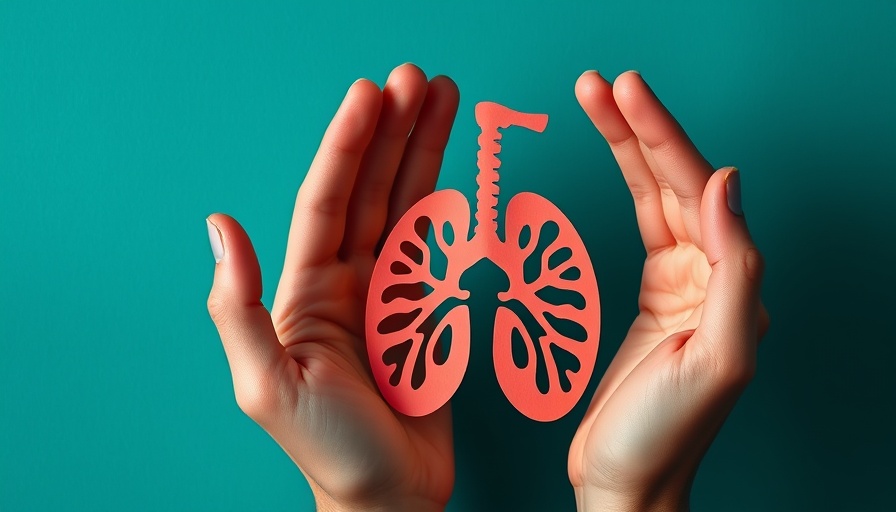
Hands holding thyroid illustration, reflecting longevity diet concept.

The Link Between Diet and Hashimoto’s Disease

Hashimoto’s disease, an autoimmune condition that attacks the body’s thyroid gland, often leads to hypothyroidism, where the thyroid fails to produce adequate hormones. Interestingly, twins can share this condition, yet the prevalence is only about 50% among identical twins, highlighting that environmental factors play a significant role in its development. Although genetics can predispose a person to Hashimoto’s, external factors, including diet, can influence the onset and progression of the disease.

Environmental Factors Impacting Thyroid Health

Research indicates that certain environmental pollutants, including polycyclic aromatic hydrocarbons from charred meats, and industrial chemicals like PCBs, contribute to hormone imbalances and potentially to autoimmune thyroid diseases. Notably, individuals consuming meat cooked at high temperatures might be at increased risk, shedding light on the importance of dietary choices.

Exploring the Benefits of Plant-Based Diets

Considering the damaging effects of environmental toxins, plant-based diets could serve as a protective factor against hypothyroidism. Although empirical evidence is limited, studies show that vegan diets, despite lower iodine intake, might be beneficial in reducing thyroid-related issues. This connection urges us to explore dietary modifications as a possible intervention.

The Power of Black Cumin: A Natural Ally Against Hashimoto’s

A pivotal study showcased the impact of black cumin (Nigella sativa) on Hashimoto's patients. In a randomized double-blind trial, participants consuming a half teaspoon of this spice daily experienced notable health benefits, including significant weight loss, reduced thyroid-stimulating hormone levels, and even a decrease in autoimmune antibodies. Furthermore, black cumin was found to lower levels of Interleukin 23, a pro-inflammatory marker that amplifies autoimmune responses.

Potential Long-Term Benefits and Side Effects

The health benefits of consuming black cumin extend beyond thyroid improvement. A marked reduction in LDL cholesterol levels was also observed, which is particularly relevant for Hashimoto’s patients who face a higher risk of cardiovascular disease. Given these promising outcomes, integrating black cumin into one’s diet may present a natural therapeutic approach.

Conclusion: A Path to Wellness in Hashimoto’s Disease

For health-conscious individuals seeking to manage or mitigate Hashimoto's disease naturally, focusing on diet is crucial. By opting for plant-based nutrition and incorporating beneficial spices like black cumin, patients can explore effective preventive and therapeutic strategies. As research continues to unfold, the link between diet and autoimmune disorders underscores the power of nutrition in promoting overall health and longevity.

Diet Protocols

10 Views

0 Comments

Write A Comment

*
*
Please complete the captcha to submit your comment.
Related Posts All Posts
06.11.2026

Discover Which Beans Best Block Cancer Spread for a Healthier Life

Update Unlocking the Cancer-Blocking Power of Beans The pursuit of dietary choices that promote longevity and protect against cancer has led us to one of nature's unsung heroes: beans. Studies show that various beans, as part of a plant-based nutrition plan, can play a significant role in cancer prevention. Rich in fiber, vitamins, minerals, and phytochemicals, beans not only add depth to your meals but also contribute positively to your overall health. Understanding Pulses and Their Benefits Pulses, including beans, lentils, and chickpeas, have been identified as crucial components of a longevity diet. According to the World Cancer Research Fund, these nutrient-rich foods are linked to lower risks of various cancers, particularly colorectal cancer. Notably, dietary fiber found in beans helps reduce the risk of developing this type of cancer by promoting gut health and assisting in weight management—both vital factors in cancer prevention. Beans: A Nutritional Treasure Trove Beans come packed with essential nutrients that can aid in reducing cancer risk. They are high in fiber, which is essential for digestive health, and they contain a wealth of antioxidants like flavonoids and phenolic acids. These compounds help combat oxidative stress, a recognized mechanism linked to cancer development. Researchers have also found that certain beans, particularly black beans and kidney beans, can contribute to reduced inflammation in the body, a significant risk factor for cancer. How Beans Fit into a Longevity Diet The concept of a longevity diet often draws inspiration from the Blue Zone regions renowned for their high rates of centenarians. These diets emphasize plant-based nutrition, where beans form a key ingredient. Focusing on legumes like beans promotes sustainable health benefits while minimizing cancer risks. Incorporating beans into your meals can be as easy as adding them to salads, soups, or even main dishes, making them a versatile choice for any meal plan. Scientific Support for Beans in Cancer Prevention The American Institute for Cancer Research (AICR) has compiled extensive research showing that incorporating beans into one’s diet can reduce the risk of cancers. Their studies suggest that dietary fiber, alongside bioactive compounds found in beans, helps inhibit cancer cell growth and encourages healthy cell renewal. With evidence continuing to mount surrounding the efficacy of pulses, beans serve not just as a dietary choice but as a proactive step towards health empowerment. Preparing Beans for Maximum Benefit To harness the full cancer-fighting potential of beans, consider how you prepare them. Cooking methods can influence their nutritional quality; for instance, boiling beans can enhance the availability of some nutrients. It’s also beneficial to sprout beans or consume them in fermented forms, such as tempeh. These methods can boost the bioavailability of nutrients and promote gut health, thereby further reducing cancer risk. Actionable Insights for Healthy Eating To maximize the health benefits from beans, you can try integrating them into your diet through creative recipes. For example, Mediterranean bean salads, spicy lentil soups, or even black bean tacos can make nutritious meals that are delicious and fulfilling. Set a goal to include at least one pulse-based dish in your weekly meal prep—fuel your body with foods that contribute not just to longevity but also to a rich quality of life. If you are looking to enhance your diet for better health and protection against cancer, beans should be an essential part of your grocery list. Their benefits extend far beyond just cancer prevention; they contribute to a holistic approach to health that encompasses vitality and longevity.

06.11.2026

Exploring Which Beans Best Block the Spread of Cancer for Longevity

Update Beans and Cancer: What the Research Says In the quest for longevity and wellness, our diet plays a pivotal role. Recent research has delved into which beans best block the spread of cancer, revealing fascinating insights about their power. Beans are not just a great source of protein for vegetarians; they are packed with antioxidants and phytochemicals that combat cellular damage, promoting better health outcomes.In 'Which Beans Best Block the Spread of Cancer?', the discussion dives into dietary choices that can enhance health and longevity, exploring key insights that sparked deeper analysis on our end. Understanding the Science: Beans as a Defense Studies show that the nutritional profile of beans varies widely, impacting their cancer-fighting abilities. For instance, black beans contain high levels of anthocyanins, compounds known for their anti-inflammatory properties, while pinto beans are rich in phenolic acids. These compounds work synergistically to enhance cellular health by protecting DNA and preventing the proliferation of cancer cells. Bean Varieties and Their Health Benefits Not all beans are created equal. Let's explore a few varieties and their unique benefits: Black Beans: Rich in antioxidants, black beans may help protect against certain cancer types. Pinto Beans: These beans provide essential fibers that can improve digestive health and potentially prevent colon cancer. Kidney Beans: Known for their high protein and fiber content, kidney beans enhance satiety and contribute to overall health. Incorporating these beans into your diet can unleash their nutritional potential while supporting healthy lifestyle choices. Future Predictions: The Role of Beans in Disease Prevention As research progresses, the emphasis on whole foods and plant-based diets will continue to grow. Beans will likely take center stage in nutritional therapies aimed at disease prevention, especially as more individuals look for practical ways to optimize healthspan and longevity. Expert Health Insights: Eating for Longevity Nutritionists emphasize the importance of a plant-based dietary pattern for longevity and holistic wellness. Beans provide an accessible and affordable means to enhance diet quality. Furthermore, some experts suggest pairing beans with whole grains—such as brown rice—which can provide a complete protein profile, an essential component for those pursuing an active lifestyle. Practical Tips: Integrating Beans into Your Daily Diet For those looking to embrace the benefits of beans, consider these biohacking tips: Start Simple: Incorporate beans into salads, soups, or stir-fries. This is an easy way to add nutrition without altering your regular meals significantly. Experiment with Varieties: Instead of sticking to one type, mix different beans in dishes to enjoy a diversity of flavors and health benefits. Batch Cook: Prepare larger quantities of beans ahead of time to save time during the week. This encourages healthy eating without the hassle. These straightforward steps can revitalise your meals while enhancing your body's resilience against disease. How Beans Impact Aging and Cellular Health The role of telomere science in understanding aging has grown significantly. Recent studies indicate that diets rich in beans and whole foods can contribute to cellular health by positively influencing telomere length and stability. Given that shorter telomeres are associated with increased aging and chronic diseases, fostering a diet that supports telomere maintenance can be a game-changer. Embracing a Bean-Rich Diet for Optimal Wellness Incorporating beans into your diet not only adds nutritional value but also supports health optimization strategies that align with current advancements in science-backed health tips. By prioritizing foods high in antioxidants and fibers, you're actively participating in a holistic wellness journey. If you found this exploration of beans insightful, consider adopting these strategies into your dietary regimen and discover how small changes can lead to significant health transformations. Together, let’s empower ourselves with knowledge that fuels our journey towards longevity and wellness.

06.10.2026

Discover the Alarming Connection Between Pesticides and Alzheimer’s Risk

Update Understanding the Threat: Persistent Pesticides and Alzheimer's As more research emerges linking environmental toxins to cognitive decline, a persistent pesticide, chlorpyrifos, has surfaced as a significant concern. This chemical, commonly used in agriculture, has been associated with an increased risk of Alzheimer’s disease. Studies show that chronic exposure affects the health of our nervous system and may accelerate the onset of neurodegenerative conditions. The Science Behind the Link Recent findings indicate that chlorpyrifos can lead to a build-up of beta-amyloid plaques in the brain, often found in patients with Alzheimer’s. This contributes to the degeneration of neural pathways crucial for memory and learning. Ongoing research highlights that our diet and lifestyle choices can influence how our body responds to such toxins and potentially mitigate risks through thoughtful nutrition. Empowering Yourself with Knowledge Understanding the impact of pesticides on cognitive health is essential for informed decision-making. Individuals concerned about longevity and healthy aging should explore dietary protocols that emphasize clean, plant-based nutrition. Following dietary patterns such as the Mediterranean diet can help reduce toxin accumulation while providing protective nutrients against neurodegeneration. Navigating Dietary Choices for Better Health This information is particularly valuable for health-conscious individuals aged 30-55. Adopting anti-aging foods and longevity diets can foster cellular rejuvenation, enhancing overall vitality. Foods rich in antioxidants, such as berries, nuts, and leafy greens, as well as omega-3-rich options like fish, contribute significantly to brain health. Additional Insights on Diet and Aging Incorporating fasting for longevity practices, such as intermittent fasting or caloric restriction, can also bolster your body’s defenses against memory loss. Exploring these dietary approaches not only aids in maintaining cognitive function but promotes a healthy aging process. Actionable Steps for a Healthier Future It's important to prioritize organic produce as much as possible, especially those susceptible to pesticide residues. Engaging with your local farmers’ markets can provide access to fresher, non-contaminated foods. Additionally, integrating food-rich supplements with benefits such as telomere support can bolster your health further. As we navigate these complexities, remember that small changes can lead to substantial benefits. By staying informed and choosing wisely, we can significantly influence our path toward longevity and health.

Terms of Service

Privacy Policy

Core Modal Title

Sorry, no results found

You Might Find These Articles Interesting

T
Please Check Your Email
We Will Be Following Up Shortly
*
*
*