
Longevity Thrive
update
Longevity Thrive
Thriving Health For Thriving Life
update
  • Home
  • Categories
    • Cell Renewal
    • Telomere Science
    • Supplement Guide
    • Diet Protocols
    • Expert Insights
    • Biohacking Tips
    • Research Updates
April 17.2025
3 Minutes Read

Enhancing Wheat's Nutritional Value Through Organic Fertilizer Substitution

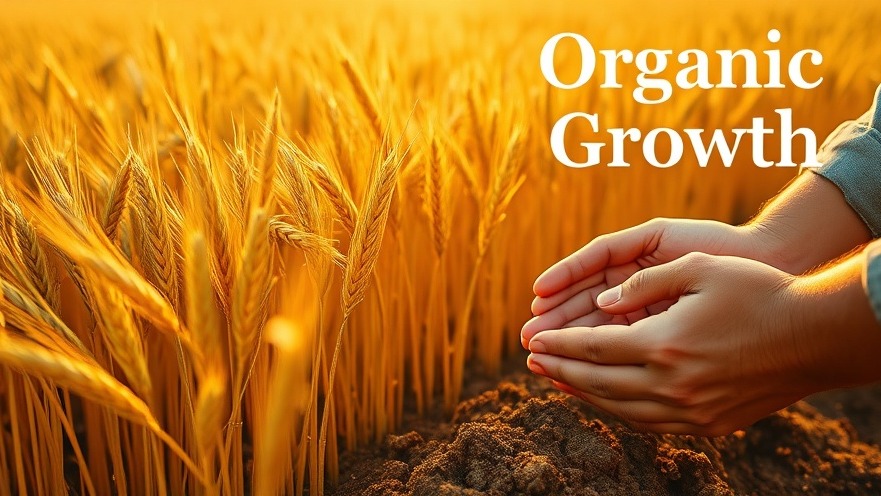
Healthy wheat field highlighting micronutrient deficiencies and organic fertilizers.


Boosting Health Through Wheat: A Nutritional Perspective

As we pursue better health and longevity, it becomes crucial to pay attention to the nutrients in our food sources. Among the world’s most staple crops, wheat plays a significant role in our diets. Yet, many people are unaware that the micronutrient levels in wheat, specifically iron (Fe) and zinc (Zn), often fall short of the standards established by the World Health Organization (WHO). This shortfall can contribute to a range of health issues, including developmental delays and decreased immunity. Recent research from Shandong Province, China, shines a light on how we might enhance the nutritional content of wheat grains through organic fertilizer substitution.

Understanding Organic Fertilizer Substitution

The study examined the impact of substituting synthetic fertilizers with organic alternatives on the micronutrient profile of wheat grains. The research involved five different agricultural sites across Shandong from 2021 to 2022, employing various treatment groups to test the effects of organic fertilizer substitution (OFS). A noteworthy finding was that implementing a 15% OFS significantly increased the bioavailability of Fe and Zn in the wheat grains by improving the nutritional yield without compromising overall crop yield.

The Micronutrient Challenge in Wheat Production

Wheat’s contribution to food security and human nutrition is widely recognized, yet its micronutrient content has been a cause for concern. The average concentrations of Fe and Zn in North China's wheat are notably lower than WHO recommendations. This deficiency illustrates a larger public health challenge where inadequate dietary intake of these essential minerals can lead to severe health issues such as anemia and impaired cognitive function.

Evaluating the Results: A Closer Look at Yield and Quality

The research results indicated average wheat yields of 9.06 Mg ha−1, with the highest reaching 9.58 Mg ha−1 under the 15% OFS treatment. This demonstrates that transitioning towards organic practices can yield positive results without sacrificing production. Moreover, treatments that included OFS saw increases in Fe and Zn content—24.69% and 19.19%, respectively—showing that enhancing the nutrition of staple foods is plausible through mindful agricultural practices.

The Trend Toward Sustainable Agriculture: A Healthier Future

As the global focus shifts towards sustainable and health-conscious food production, this research aligns perfectly with ongoing trends in nutrition science. The positive impact organic fertilizers can have on micronutrient bioavailability can drastically reduce health burdens associated with deficiencies. Under optimistic scenarios, the study projected improvements in health burden reductions by 7.15% for Zn and 3.94% for Fe—an advancement we cannot overlook in the fight against micronutrient deficiencies.

Actionable Insights: Nutritional Strategies for the Future

For those keen on improving their nutritional intake through diet, understanding the importance of micronutrients is paramount. Incorporating more whole grains, especially those from sources employing sustainable practices, can help. Health-conscious individuals should also consider dietary adjustments and supplements that enhance their intake of essential nutrients like omega-3 fatty acids, anti-aging vitamins, and beneficial substances like resveratrol. These strategies aid in promoting longevity and cellular health, reinforcing the findings from agricultural studies on micronutrients.

Conclusion: A Call to Action for Health and Nutrition

This recent research highlights the benefits of organic fertilizer substitution in terms of advancing wheat’s nutritional profile, ultimately supporting human health. As consumers, we hold the power to make informed choices about our diets and health practices. By prioritizing the consumption of nutrient-rich foods, particularly those from sustainable agriculture, we can pave the way toward a healthier future. Consider incorporating high-quality supplements into your regimen tailored for anti-aging and longevity, and embrace the journey toward exceptional well-being.


Supplement Guide

11 Views

0 Comments

Write A Comment

*
*
Please complete the captcha to submit your comment.
Related Posts All Posts
05.25.2026

Exploring the Connection Between Vitamin D and Hearing Loss: What You Need to Know

Update Connecting Vitamin D and Hearing Health In recent years, health professionals have increasingly recognized the multifaceted role of vitamin D beyond its well-known functions. Traditionally seen as a vital nutrient for maintaining bone health, vitamin D is emerging as an influential player in managing sudden sensorineural hearing loss (SSNHL), a condition characterized by a sudden decrease in hearing ability. Recent studies suggest that low levels of vitamin D may not only correlate with SSNHL but may also exacerbate its effects, making vitamin D a nutritional focus for maintaining auditory health. The Unexpected Link Between Deficiency and Hearing Loss Research specifically points to a significant association between vitamin D deficiency and SSNHL. Observational studies have shown that individuals with SSNHL typically exhibit lower serum levels of 25-hydroxyvitamin D compared to healthy individuals. For example, a 2022 study revealed that older adults suffering from SSNHL frequently had vitamin D levels significantly below the recommended thresholds. This observation leads to the compelling hypothesis that improving vitamin D intake could mitigate the effects or even the onset of SSNHL. Mechanisms Behind Vitamin D's Role in Auditory Function Vitamin D is not just a crucial factor in bone health; it also has neuroprotective properties that may help shield the delicate structures of the inner ear from damage. The vitamin operates through both genomic and non-genomic pathways, engaging various mechanisms that contribute to cellular health. Research indicates that vitamin D receptor (VDR) activation is crucial for maintaining cochlear homeostasis, suggesting that individuals with insufficient vitamin D could be at increased risk for cochlear degeneration and hearing loss. Future Directions in Hearing Health Research Despite the intriguing connections emerging between vitamin D and SSNHL, the scientific community recognizes that substantial research is still needed to confirm these associations. Current studies call for large-scale, prospective, multicenter trials to definitively explore the relationship between vitamin D supplements and hearing outcomes. These studies would ideally incorporate vitamin D metabolomics and gene polymorphism analyses to identify which subsets of patients might benefit most from increased vitamin D. Monitoring Your Vitamin D Levels and Hearing Health For individuals aged 30 to 55, particularly health-conscious individuals, keeping track of vitamin D levels is essential, especially if there are concerns about hearing health. Regular check-ups that include assessing nutrient levels can provide valuable insight into one’s overall well-being. The potential benefits of vitamin D supplementation—both for bone integrity and perhaps even auditory health—are worth discussing with a healthcare provider. Conclusion and Next Steps for Optimal Listening The budding relationship between vitamin D and sudden sensorineural hearing loss underscores the importance of dietary choices and nutritional awareness, particularly as individuals age. As emerging research continues to unveil the intricacies of this connection, staying informed and proactive can lead to better health outcomes. Taking steps towards ensuring sufficient vitamin D levels may prove beneficial not just for your overall health but also as a preventive measure against hearing loss. Explore more about the best supplements for aging and engage with your provider about incorporating more vitamin D into your diet.

05.23.2026

Nourish Your Body and the Planet: The Connection Between Norwegian Diets and Sustainability

Update Eco-Consciousness in Dining: Exploring Norwegian Diets and Environmental Footprint As the world increasingly recognizes the significant impacts of dietary choices on the environment, countries like Norway are evaluating how their culinary traditions can align with sustainability goals. A recent study on the environmental impacts of Norwegian diets considered not only nutritional profiling but also the carbon footprints associated with everyday meals. This exploration reveals pivotal insights for health-conscious individuals aiming to merge environmental awareness with dietary habits. The Environmental Cost of Traditional Foods In the current Norwegian diet, it’s been observed that high consumption of meat and dairy products significantly elevates the environmental impact across various dimensions. Specifically, red meat contributes an astonishing 29% to global warming potential and has been linked with pronounced freshwater eutrophication. Interestingly, while traditional foods like fish occupy an essential part of the Norwegian culinary identity, the environmental cost associated with seafood consumption varies depending on the species and fishing methods. Thus, for conscientious consumers, understanding the source and impact of their food becomes crucial. Nutritional Guidelines That Matter The study contrasts the average Norwegian diet with national dietary guidelines and the EAT-Lancet reference diet, revealing that adhering to these guidelines could significantly reduce environmental impacts. For example, a transition toward the EAT-Lancet diet could see reductions in land use by up to 61%. Including more plant-based options provides a viable pathway to lower both carbon footprints and enhance personal health. Initiatives like this emphasize the power of individual choices in fostering sustainable eating. Why Should Nutrition Matter to You? Health-conscious individuals, especially those aged 30–55, can take proactive steps toward a sustainable lifestyle by integrating longevity-focused diets with an understanding of their ecological impact. Nutrient-rich diets that prioritize Omega-3 and adaptogens not only support cellular rejuvenation but also minimize environmental harm. Incorporating supplements such as NAD+ and collagen can align with these dietary shifts, fostering both personal health and environmental stewardship. Delicious Alternatives for Eco-Friendly Living Transitioning to a more sustainable diet does not mean sacrificing flavor. Incorporating foods rich in antioxidants like resveratrol—found in dark berries—can enhance not only your health but also bolster a sustainable food system. Exploring alternative protein sources such as legumes can provide essential nutrients without the high carbon cost associated with meat. The journey towards a healthier, planet-friendly diet is not just possible; it can be enjoyable and fulfilling. Stepping Into the Future Adopting dietary shifts requires a collective effort. Educational campaigns that focus on the health benefits of plant-rich diets, coupled with initiatives to increase access to sustainable food options, are essential. By working towards aligning consumption trends with Norwegian Food-Based Dietary Guidelines, consumer choices can influence market dynamics and drive a cultural shift towards eco-friendly dining. Take the Next Step In our journey toward better health and a sustainable future, every dietary choice counts. Consider evaluating your food choices not just from a nutritional perspective but also from an environmental standpoint. By embracing practices that contribute to both personal wellness and planetary health, you empower yourself to make a significant difference. Start exploring recipes that integrate these findings, prioritize local and seasonal ingredients, and look for certifications that denote sustainable farming practices.

05.22.2026

Exploring the Connection: BDNF as a Key Marker in Adolescent PCOS

Update Understanding PCOS and the Role of BDNFPolycystic ovary syndrome (PCOS) is a prevalent endocrine disorder affecting adolescents, marked by symptoms such as hormonal imbalance, inflammation, and metabolic dysfunction. Recent research has highlighted the potential of brain-derived neurotrophic factor (BDNF) as a biomarker linked to neuroimmune activity and overall metabolic health in this demographic. BDNF's role extends beyond neurogenesis; it also regulates energy homeostasis, making it a critical factor in managing PCOS effectively.Connecting Dietary Patterns and BDNF LevelsA study consisting of adolescent females diagnosed with PCOS revealed intriguing insights about dietary patterns and their impact on BDNF levels. While variations in BMI across participants did not yield different serum BDNF levels, significant associations emerged specifically in the normal-weight cohort. It turns out a diet rich in unsaturated fatty acids, proteins, and energy was pivotal to their health outcomes. Understanding these dietary connections could inform holistic management strategies for adolescents grappling with PCOS.Inflammation, Oxidative Stress, and BDNF RelationshipsInflammation is an eminent concern among those with PCOS. The same study noted positive correlations between serum BDNF and various inflammatory markers. Specifically, BDNF levels associated positively with interleukin (IL)-1β, malondialdehyde (MDA), and total antioxidant capacity (T-AOC). This relationship sheds light on the link between oxidative stress, inflammation, and neurotrophic factors in chronic conditions, revealing a dual function of BDNF as both a marker and a mediator of health.The Importance of Omega-3 Fatty AcidsThe intake of omega-3 fatty acids (found in fish oil, flaxseeds, etc.) was also emphasized in dietary associations with BDNF levels in normal-weight adolescents with PCOS. Omega-3s are well-documented for their anti-inflammatory properties, making them an attractive focus for dietary strategies. Their inclusion could potentially mitigate some underlying metabolic dysfunctions associated with PCOS while promoting better hormonal health.Looking Towards the Future: Implications for Nutritional InterventionsThe findings suggest a paradigm shift in how we approach PCOS among adolescents. Rather than focusing solely on managing adiposity, it becomes apparent that we should also consider dietary quality and anti-inflammatory nutritional choices as integral components. Future research may validate these findings and pave the way for nutritional guidelines tailored specifically for girls experiencing PCOS, emphasizing the significance of a wholesome diet enriched with omega-3s, antioxidants, and quality proteins.Summing Up: The Promise of BDNF as a MarkerIn summary, the study underscores the potential of serum BDNF as an integrative neuroimmunometabolic marker in adolescent PCOS. As research continues to unfold, BDNF might very well become a cornerstone in understanding and managing not only PCOS but other related metabolic disorders. For health-conscious individuals and wellness enthusiasts, staying informed about BDNF's associations with diet and inflammation could inspire proactive approaches to enhance overall health and longevity.

Terms of Service

Privacy Policy

Core Modal Title

Sorry, no results found

You Might Find These Articles Interesting

T
Please Check Your Email
We Will Be Following Up Shortly
*
*
*