

Understanding Erythrocyte Changes in Vegetarian Diets
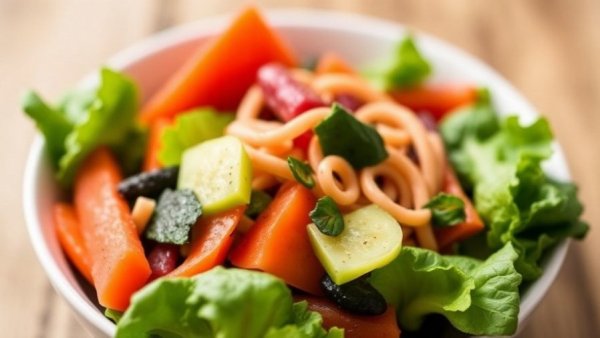
As more individuals choose vegetarian diets out of health, ethical, or environmental concerns, understanding the impacts on bodily functions becomes essential. A cross-sectional study recently highlighted the nuances in erythrocyte indices among older lacto-ovo-vegetarians, particularly regarding vitamin B12 levels. Although the serum B12 levels of participants tested within the standard reference interval, the presence of alterations in erythrocyte parameters calls for further investigation into the implications of long-term vegetarianism.
What Are Erythrocytes and Their Importance?
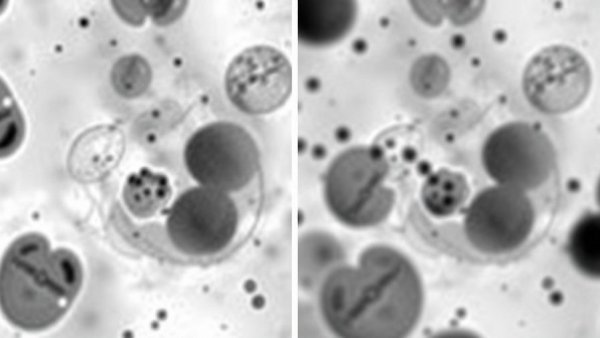
Erythrocytes, commonly known as red blood cells (RBCs), play a vital role in transporting oxygen throughout the body and maintaining various bodily functions. Enhanced knowledge about the structure and functionality of erythrocytes can offer insights into broader health implications, especially for those adhering to vegetarian diets. A deficiency in vitamin B12, critical to the formation and proper function of red blood cells, can lead to anemia and other health issues, underscoring the necessity for balanced diets.
Link Between Vitamin B12 and Erythrocytes: A Dietary Perspective
Despite participants in the study exhibiting serum vitamin B12 concentrations within standard limits, notable erythrocyte alterations, such as variations in red blood cell (RBC) count, hematocrit (HCT), mean corpuscular volume (MCV), and hemoglobin (Hb), merit attention. These changes can indicate that factors beyond simple vitamin serum levels, such as dietary habits, may influence overall health. These findings resonate well with the current focus on longevity vitamins and anti-aging supplements aimed at cellular rejuvenation.
Exploring Nutritional Needs for Longevity
For health-conscious individuals and wellness enthusiasts, understanding the role of different vitamins, including B12, folate, and ferritin, can empower dietary choices. Popular supplements such as omega-3 fatty acids and CoQ10, known for their cardiovascular benefits, may further support erythrocyte health. With the demand for nutraceuticals on the rise, the study's implications highlight the importance of continual nutritional assessment for those on vegetarian diets.
Supplementing Diet for Optimal Health
Given the roles of vitamins in supporting erythrocyte function and overall well-being, consider incorporating a range of supplements, including:
- Resveratrol: Known for its anti-aging properties, it may provide additional health benefits for vegetarians.
- Collagen: As anti-aging becomes a priority, collagen supplements can replenish skin health and enhance vitality.
- NAD+ supplements: These may support cell repair and promote longevity.
Frequently Asked Questions About Vegetarian Diet and Longevity
1. Can a vegetarian diet provide adequate vitamin B12?
Yes, but vegetarians may need to be more cautious to include fortified foods or consider B12 supplements regularly since natural sources are primarily found in animal products.
2. What role do adaptogens play in a vegetarian diet?
Adaptogens, such as ashwagandha or rhodiola, help combat stress and promote overall health, supporting longevity alongside a vegetarian diet.
3. Are there risks to long-term vegetarianism?
While many benefit from a vegetarian diet, potential risks include vitamin deficiencies—hence the importance of monitoring nutrient intake and considering supplementation.
Concluding Thoughts on Dietary Health
The intricate relationship between diet, nutrient status, and health outcomes emphasizes the need for a mindful approach to nutrition. For those keen on optimizing longevity and vitality, being informed about dietary choices and potential supplements is vital. By embracing a balanced diet enriched with vitamins and the right supplements, individuals can foster a healthier lifestyle and longevity.











Write A Comment