


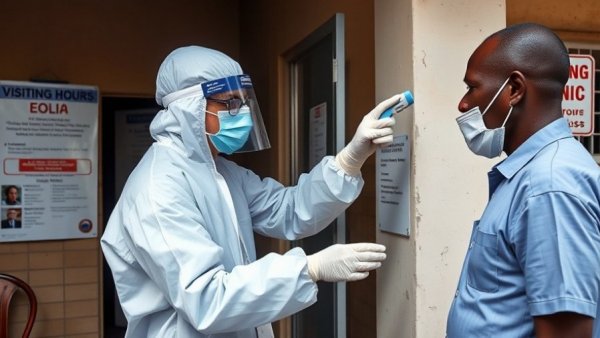
Understanding the Urgency of the Current Ebola Outbreak in DRC
The Democratic Republic of Congo (DRC) is facing a dire situation with its ongoing Ebola outbreak, which has been active since May 2026. With over 10,000 confirmed cases and nearly 5,000 deaths reported, this outbreak is the second largest ever recorded, trailing only behind the catastrophic 2014-2016 epidemic that gripped West Africa. This time, the outbreak is attributed to the Bundibugyo strain of the virus, a strain for which no approved vaccine or treatment currently exists. This places additional pressure on healthcare systems that are already struggling to manage the situation.
Just like during previous outbreaks, the Ebola virus thrives on human movement. Recent cases in neighboring countries—such as Kenya and Nigeria—highlight the need for rapid information sharing and travel history verification to contain the virus. These reports from neighboring territories are alarming and affirm the urgent necessity for timely contact tracing across borders, which is crucial for stopping Ebola's spread before it worsens. The ability to swiftly track potential exposures and implement preventative measures is essential for protecting both local and international communities.
The Importance of Timely International Support
Many lessons have been learned since the 2014 outbreak, particularly regarding the critical role of timely international support. During the earlier outbreak, support came from various nations and organizations, significantly improving treatment and the implementation of safe burial practices that helped mitigate the spread of the disease. Current contributions from international partners amount to hundreds of millions, but they have been criticized for being delayed and ineffective in halting the virus's transmission.
The response to a health crisis relies heavily on the presence of resources—medical supplies, healthcare personnel, and adequate funding. Although the U.S. has pledged $887 million and the U.K. about £78 million (around $104 million), experts express concerns that this assistance is arriving too late. It is essential that this support reaches communities quickly, enabling local health workers to act promptly and effectively. The DRC, along with support from the Africa Centres for Disease Control and Prevention, has the expertise needed to combat Ebola. However, what they desperately need now is help that arrives on the front lines without delay. This is not merely about financial pledges; it is about getting supplies where they are needed, when they are needed, so that no precious time is lost in the fight against this deadly virus.
Incorporating Lessons Learned: Community Engagement
Reflecting on past experiences, such as my own time in Sierra Leone, I recognize the importance of community engagement in managing health crises. Trust between healthcare providers and communities is foundational. During my stint observing healthcare practices, I found that simply giving health instructions didn’t suffice. Professionals must earn trust by respecting local customs and addressing the emotional aspects of bereavement. Tailoring interventions to fit the community values resulted in safer practices while allowing families to honor their loved ones.
One crucial lesson from previous outbreaks showed that strong community involvement can enhance compliance with public health measures. For example, working with families to implement safer burial practices that respected their mourning rituals was key in effectively controlling the spread of the virus. This dual emphasis on emotional care and practical measures is something that must be prioritized in the current outbreak response.
Future Insights on Managing Ebola and Other Infectious Diseases
As we analyze the current situation, we must ponder future implications. Will support for Ebola outbreaks become more consistent and structured, or will delays remain a norm? Learning from this outbreak and previous ones can inform better resource allocation and proactive training for healthcare workers across different regions. Moreover, with continuous monitoring and data sharing, we can develop responsive strategies that improve disease containment and management.
Furthermore, integrating lessons about combating Ebola into broader public health strategies could be beneficial. This encompasses not only local initiatives but also regional and global approaches to infectious disease preparedness. Enhancing the readiness of health systems ensures that communities are better equipped to deal with any potential outbreaks in the future, leading to a more resilient healthcare infrastructure.
Actionable Steps for Individuals and Communities
For individuals keen on being proactive in their health and wellness, understanding emerging infectious diseases like Ebola can promote preparedness. Here are some practical insights that might be helpful:
- Stay Informed: Keep abreast of health advisories, especially if traveling to regions with known outbreaks. Government health departments often provide timely updates that can be invaluable.
- Promote Healthy Practices: Encourage discussions around proper hygiene and illness prevention within your communities. Simple actions like frequent handwashing can have significant impacts on disease transmission.
- Engage in Wellness Strategies: Adopt holistic approaches to personal health, such as healthy dietary habits and active lifestyles that enhance immunity. Eating a balanced diet rich in vitamins can support your body in fighting infections.
Path Forward: A Call for Collective Action
As we navigate this ongoing health crisis, it is abundantly clear that collective, timely action is paramount. This not only applies to governments and organizations but also to individuals who can play a role in fostering community awareness and health education. We must pivot from reactive measures to proactive strategies that emphasize robust disease prevention and support those on the front lines fighting against Ebola.
The DRC and other affected regions are drawing on past lessons to preserve life and curb the spread. Supporting local efforts and ensuring timely resource deployment can create a ripple effect, potentially saving countless lives as we advance into a healthier future. The experiences of past outbreaks teach us that while the challenges posed by Ebola are formidable, our responses can make a meaningful difference, provided we act swiftly and collaboratively.













Write A Comment