


The Science Behind Cellular Rejuvenation
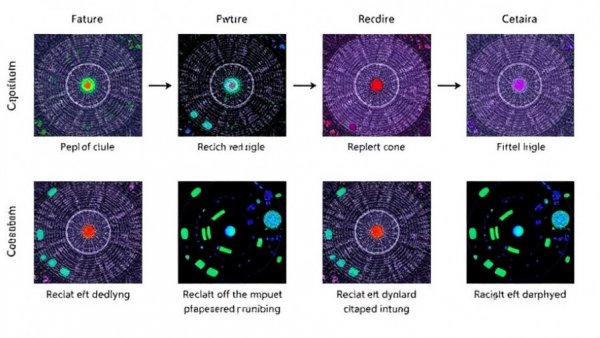
Recent advancements in cellular biology are shedding light on how various cell types react to partial reprogramming. A preprint study highlights that not all cell types rejuvenate similarly when exposed to the famous OSKM factors (OCT4, SOX2, KLF4, and c-MYC). While this technique shows promise in resetting the cellular clock, the type of cell plays a crucial role in determining the outcome. For example, skin fibroblasts, T cells, and aortic endothelial cells were subjected to reprogramming at different rates, revealing significant disparities in rejuvenation success.
What is Partial Reprogramming?
Partial reprogramming is a technique aimed at rejuvenating cells without making them entirely pluripotent, which could strip them of their original biological functionality. Researchers, including pioneers like Shinya Yamanaka, found that prolonged exposure to OSKM can lead to varying degrees of cellular state changes—shallow Gr1 where not much identity is lost, intermediate Gr2, and the more advanced Gr3 state resembling pluripotency. The implications of these findings could redefine strategies in longevity research.
Differing Outcomes: More Than Just Numbers
Analyzing cellular rejuvenation among different cell types uncovers complexities often overlooked. fibroblasts, for instance, showed promising age reductions when evaluated with epigenetic clocks, but the deeper they were reprogrammed, the more their growth and identity were impaired. In contrast, T cells experienced diminished growth capabilities post-reprogramming. Interestingly, endothelial cells stood out by demonstrating not just a reduction in biological age but also improved performance post-treatment. This could pose questions about optimal methods for any future anti-aging therapies.
Real-World Implications of Research Findings
The insights gathered from this study could pave the way for better interventions in age-related health issues or conditions that arise due to cellular dysfunction. The results suggest that treatments could be tailored according to the specific needs of various cell types. As longevity-focused therapies evolve, understanding the molecular mechanisms at play will be crucial to maximizing efficacy and minimizing risks.
Next Steps in Longevity Science
With such promising findings, there’s a growing call for further studies that explore optimal reprogramming strategies. Focusing on how different cell types respond will enable researchers to innovate more effective therapies for aging and related diseases. The field moves forward with the hope of turning these insights into actionable health solutions aimed at enhancing our healthspan—the period of life spent in good health.












Write A Comment