


Understanding Loneliness and Dementia
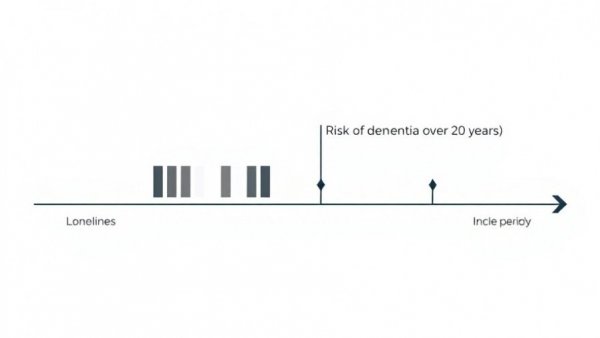
A new study suggests a strong link between chronic loneliness and dementia risk among older adults. Analyzing over 1,500 individuals aged 65 and above, researchers found that those experiencing chronic loneliness had a 38% increased risk of developing dementia compared to their peers who reported never feeling lonely. This critical distinction emphasizes the long-term impacts of persistent loneliness versus occasional feelings of loneliness.
The Impacts of Social Isolation on Health
Social connection is crucial for a healthy and fulfilling life, particularly as we age. Research has consistently shown that isolation can lead to various health issues, including cardiovascular diseases, mental health challenges, and cognitive decline. In fact, loneliness has comparable dire results on mortality as smoking 15 cigarettes a day or excessive alcohol use. For individuals aged 30-55 who are health-conscious, understanding the emotional well-being of older generations can help shape their own health practices.
Addressing the Loneliness Epidemic
The World Health Organization has labeled loneliness as a 'global health threat.' As the aging population grows, the incidence of dementia is projected to reach 150 million people by 2050. Thus, it's urgent to identify lifestyle factors that can mitigate risk. This study highlights social connection as a vital, modifiable factor in this quest against dementia. Health-conscious younger individuals can take inspiration from these findings to foster better social connections in their lives today.
How Loneliness Affects Different Demographics
The study revealed that older adults experiencing chronic loneliness are often older, female, widowed, with lower education levels, and in poorer health. These factors can exacerbate feelings of isolation, indicating the need for community support and outreach targeting vulnerable demographics. For health advocates and professionals, this data provides essential information for creating programs aimed at improving social interactions among the elderly.
Potential Strategies for Longevity
While chronic loneliness is a concerning factor in dementia development, the good news is that it's potentially preventable. Individuals can work towards enhancing their social networks and engagement early on. This could involve community service, joining interest groups, or simply reaching out to check on neighbors. The proactive steps taken today can not only help avert loneliness but promote a longer, healthier lifespan.
Understanding how chronic loneliness impacts dementia risk is an important insight for today’s health-conscious individuals. As we continue to uncover the connections between emotional health and physical well-being, fostering strong social ties may pave the way for advancing longevity research and health.














Write A Comment