


Understanding the Risks of GLP-1 Drugs: An Eye on NAION
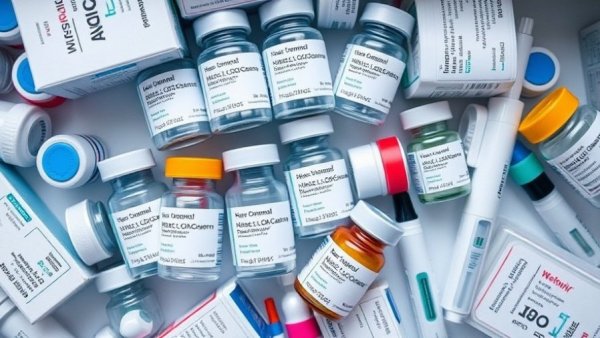
Millions of individuals across the globe utilize GLP-1 medications to manage chronic conditions like diabetes and obesity. Recently, the U.S. Food and Drug Administration (FDA) mandated that these drugs carry a warning label related to a rare but serious eye condition known as non-arteritic anterior ischemic optic neuropathy (NAION), which can potentially lead to vision loss. Although the reported risk of developing NAION while on GLP-1 drugs is low, it's crucial to understand the implications of this condition for users thinking about longevity and overall health. Understanding such risks allows patients to make well-informed decisions regarding their health and treatment plans.
What is NAION?
NAION affects the optic nerve—the crucial pathway that transmits visual information from the eye to the brain. This eye condition arises when blood flow to the optic nerve decreases abruptly, leading to symptoms such as sudden and painless blurry vision, patches of dark vision, or even complete blindness. Patients often describe these symptoms as disorienting, noting that they can occur unexpectedly and often first appear in the morning. This timing may correlate to lower blood pressure during the night, which can, in some cases, exacerbate the condition. Understanding the potential implications of NAION is vital for anyone considering long-term health strategies, especially if they are on medications that impact metabolic processes.
The FDA's Findings
The FDA's awareness of the connection between GLP-1 drugs and NAION stems from extensive reviews involving over 134,000 patients. Among them, those on GLP-1 medications exhibited higher instances of NAION compared to those on placebo or alternative diabetes drugs. This prompted the FDA to act decisively in order to inform patients and healthcare providers about the potential risk. The agency reported an annual incidence recorded at 6.4 per 100,000 for GLP-1 users, versus 3.8 for non-users, leading to an additional 2.6 cases per 100,000 patients taking GLP-1 medications. These findings underscore the importance of continuing monitoring and research about the safety profiles of widely prescribed medications.
Assessing Real-World Implications
Various studies tracking the health of users through electronic health records corroborated these findings, consistently illustrating an increased risk for users of GLP-1 medications. For instance, U.S. veterans were studied extensively, revealing data highlighting the scope of these risks and their real-world relevance. In another analysis, the FDA reviewed health data collected through its own sentinel programs, which track the real-world safety of approved medications. They monitored how often individuals diagnosed with type 2 diabetes who started on either GLP-1 drugs or two other common types of diabetes medications reported experiencing NAION between 2019 and 2024. This research demonstrated real implications for users and emphasizes the necessity for open discussions between patients and their healthcare providers.
The Broader Picture: Balancing Risks and Benefits
Despite the observed association between GLP-1 drugs and NAION, it's important to note that these medications play a significant role in managing chronic conditions such as diabetes and obesity. They also contribute to reducing cardiovascular risks, an essential factor considering the link between heart disease and diabetes. Furthermore, researchers are actively exploring additional health conditions where GLP-1 drugs may yield benefits, such as neurodegenerative disorders. As we prioritize longevity and holistic wellness, understanding how to harness the benefits of these medications while weighing the risks is essential. Staying current on research findings can empower health-conscious individuals to make informed decisions that enhance their healthspan without compromising safety.
Expert Insights on Medication Safety
As someone specializing in gerontology and exploring factors contributing to healthy aging, my perspective emphasizes the importance of considering medication side effects in the context of overall health and wellness. While the risks presented by GLP-1 drugs must not be taken lightly, these findings should also be placed within a broader health framework. Effective strategies for aging well include nutritional interventions, regular physical activity, and mindfulness practices—essential elements that support both cellular health and longevity. Having an informed discussion with healthcare professionals about these aspects can help mitigate risks while maximizing potential health benefits.
Empowering Patients to Make Informed Choices
For individuals contemplating or currently using GLP-1 medications, understanding the nuances of the NAION risk is pivotal. Patients need to be proactive in seeking information and equipped to discuss any concerns with their healthcare providers. A thorough examination of medical history, ongoing management of existing health conditions, and awareness of changes in vision should guide treatment decisions. Moreover, it is beneficial to adopt preventive measures such as regular eye examinations, which can help detect any signs of NAION early, improving outcomes for those affected.
Concluding Thoughts: Prioritize Well-Being
In conclusion, the emergence of NAION as a potential side effect of GLP-1 medications is a significant concern that requires careful consideration by patients and their doctors alike. Understanding the risk and benefits associated with these drugs is crucial for those focusing on their long-term health. Collaborating with healthcare providers to personalize strategies that encompass medications, diet, exercise, and preventive care can enhance quality of life as you pursue a path toward longevity and health optimization. Ultimately, informed decision-making paired with a holistic approach can empower patients to prioritize their well-being and make strides in their health journeys.












Write A Comment