


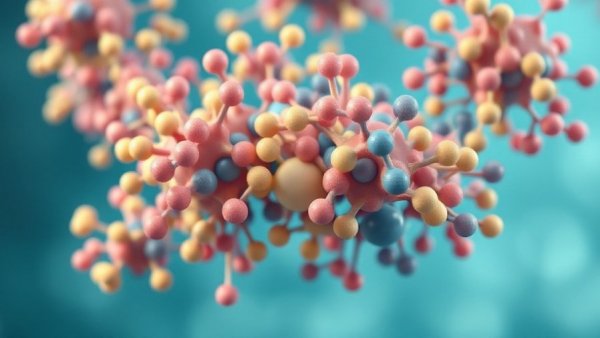
Understanding Tau Tangles and Their Impact on Cognitive Health
Tau tangles are a common feature in neurodegenerative diseases, notably Alzheimer’s. They occur when tau protein, vital for neuron stability, misfolds due to post-translational modifications like hyperphosphorylation. Understanding the mechanisms behind tau tangles is essential for addressing cognitive decline.
Key Discoveries About HDAC7
Recent research has illuminated the relationship between HDAC7, tau protein, and GSK3β, an enzyme linked to tau hyperphosphorylation. By blocking HDAC7 in mice models that express hyperphosphorylated tau, researchers found that cognitive decline was significantly improved. This suggests HDAC7’s critical role in managing tau protein aggregation and GSK3β activity.
Linking HDAC7 to Alzheimer's and Other Tauopathies
The findings indicate that HDAC7 not only facilitates the aggregation of tau protein but also enhances the activity of GSK3β, perpetuating a cycle detrimental to neuronal health. This understanding opens new avenues for potential treatments aimed at mitigating Alzheimer’s disease and other conditions associated with tau protein misfolding.
What Does This Mean for Longevity?
Knowledge of the mechanisms related to tau tangles and HDAC7 gives us valuable insight into longevity science. By targeting HDAC7, new anti-aging breakthroughs may emerge, potentially extending healthspan and combating cognitive decline associated with aging. This approach aligns closely with current longevity research trends.
Future Directions in Anti-Aging Research
This research prompts further exploration into small molecules that can disrupt HDAC7's interaction with tau and GSK3β. The potential to develop effective therapeutics could revolutionize how we approach aging and neurodegenerative diseases, allowing for improved health outcomes as individuals age.
Importance of Future Investigations
While these findings are promising, it is crucial to proceed with caution. Human tauopathies exhibit complexities that require extensive research to uncover all influencing factors. Future studies will not only need to validate these findings in human models but also explore various tau isoforms and their contribution to cognitive health.
In summary, understanding HDAC7's role in tau-related diseases offers valuable insights into potential interventions that could enhance cognitive function and overall longevity. For those interested in cellular biology updates or the latest aging research, staying informed on HDAC7's developments will be vital in the fight against aging-related cognitive decline.










Write A Comment