


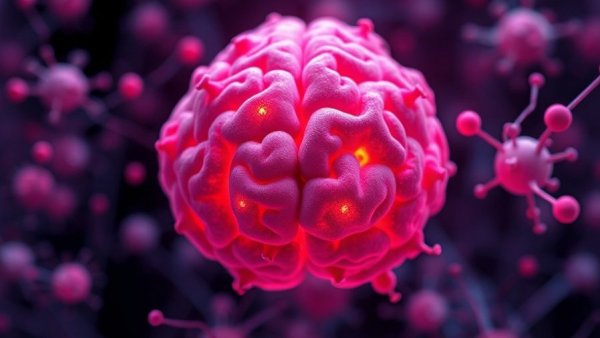
Introducing the Link Between CD33 and Alzheimer’s Disease
While the quest for understanding Alzheimer’s disease has led to various hypotheses, one emerging link may prove crucial—especially for those entrenched in the realm of longevity and health optimization. Recent research has pointed to the interaction between the genes CD33 and CD45 as a significant factor influencing Alzheimer’s disease susceptibility. At the heart of this interaction is the rs3865444C risk variant, which affects how the CD33 gene behaves in our bodies. Specifically, this variant reduces splicing of the sialic acid-binding domain while increasing the presence of a sialic acid-binding isoform by a staggering seven-fold. This shift opens up new conversations about disease prevention and health optimization among individuals keen on maximizing their healthspan through both diet and supplemental strategies.
Decoding the CD33-CD45 Connection in Immunology
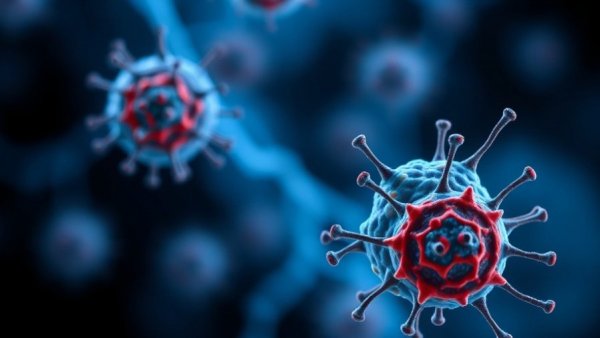
Understanding the molecular workings of immune responses can unveil pathways to effective longevity strategies. Researchers have identified CD45, another gene linked to Alzheimer’s through genome-wide association studies (GWAS), as a CD33 binding partner that is unique to immune cells. Understanding that CD33 inhibits the phosphatase activity of CD45 adds a fascinating twist to how these molecular players intervene in brain health. Loss of CD33 appears to empower microglial cells to clear amyloid beta more effectively, counteracting the damaging processes associated with Alzheimer’s. This suggests that improving the function of these genes through innovative wellness strategies might benefit those seeking to enhance their cognitive health.
Systems Biology: The Landscape of Alzheimer's Disease
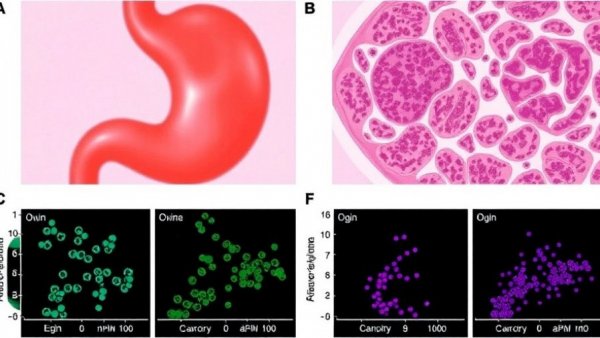
What’s even more compelling is how these genetic interactions vary within individuals. The frequency of CD33-CD45 interactions saw a marked increase in monocytes from rs3865444CC individuals compared to their rs3865444AA counterparts. This suggests that some individuals could exhibit enhanced susceptibility to Alzheimer’s based on genetic predispositions, highlighting the need for personalized health strategies. As we think about optimizing our health outcomes, variations like these are essential considerations that can inform everything from nutrition to lifestyle choices. Personalization in health is increasingly critical; what works for one individual may not necessarily yield the same results for another.
Implications for the Future: Can This Knowledge Shape Wellness?
The implications of these findings are immense. As the landscape of Alzheimer’s disease research continues to evolve, there’s a pressing need for health-conscious individuals to engage with cutting-edge research findings. The link between CD33, CD45, and immune system dysfunction provides a pathway for innovative dietary and supplemental approaches that could mitigate the risks associated with aging and neurodegenerative diseases. Think supplements that support cellular health, diets rich in neuroprotective foods, and biohacking techniques that optimize immunity. Staying informed about such links could empower healthier lifestyle choices and a proactive stance on wellness.
Embracing Well-Being: Practical Steps Towards Longevity
So, if you’re intrigued by the prospect of longevity through scientific advances, here are some practical steps based on current findings:
- Nutrition and Diet: Emphasize foods rich in omega-3 fatty acids, antioxidants, and low in processed sugars. Your grocery list should feel like a victory against inflammation—not just harmful ingredients, but a trove of nutrients for your brain.
- Supplements for Support: Investigate supplements that can boost brain health, such as omega-3s, curcumin, or even tailored nootropics that support cognitive function. A careful assessment of their impacts could be invaluable.
- Engage in Regular Exercise: Aim for a mix of aerobic and strength training to promote overall cellular health. Exercise has not only physical benefits but can also positively influence neurological pathways, making it a dual-purpose endeavor.
- Manage Stress: Incorporate mindfulness techniques such as meditation or yoga to help keep your immune system robust and your cellular health intact. Stress management is crucial as stress hormones can impact brain function.
Moreover, staying connected to a community of like-minded individuals can be beneficial too. Engaging in discussions surrounding health optimization, whether through workshops or online forums, can help you remain updated on new findings and share experiences.
By actively taking steps informed by current advancements in Alzheimer’s research and its connection to longevity, individuals can not only enhance their healthspan but also engage in a broader conversation about disease prevention.
Conclusion: The Path to Personalized Longevity
As a health-savvy individual passionate about maximizing longevity and health, take this opportunity to learn from emerging research on the CD33 and CD45 gene dynamics in Alzheimer’s. Each insight gained not only helps you become more knowledgeable in the field of aging and disease prevention but helps steer your personal health choices towards a brighter, healthier future. The possibility of being proactive, rather than reactive, in one's health cannot be overstated.
Now is the time to embrace science-backed health insights as part of your wellness strategies. Consider exploring individualized supplements, dietary protocols, and even biohacking tips to create the optimal environment for cellular health and longevity. After all, every small step can be a giant leap toward extending not just your lifespan but your healthspan too!











Write A Comment