


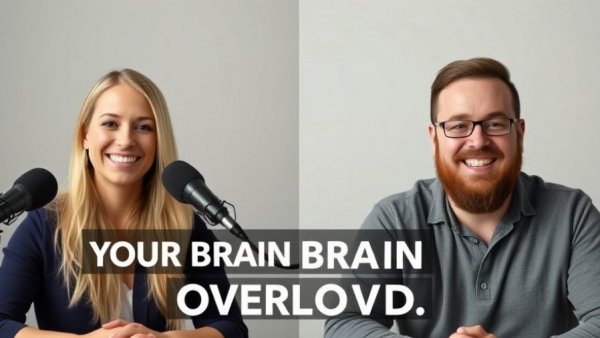
Understanding Focus: A Brain-Driven Approach
In a world increasingly dominated by digital distractions and endless deadlines, maintaining focus feels more challenging than ever before. Neuroscientist David reveals transformative insights on achieving mental clarity and deep work, highlighting the significance of aligning our daily practices with brain science. One of the core strategies discussed is the importance of creative work, emphasizing the necessity to place this type of work first before succumbing to the lure of notifications and emails.
In 'Why You Can’t Focus and How to Think Clearly Again,' the discussion dives into the challenges of maintaining focus in a digital world, exploring key insights that sparked deeper analysis on our end.
The Neuroscience Behind Distraction
According to David, neuronal activity is impacted during tasks when external distractions arise, such as emails or social media notifications. This suggests that our brains have a limited capacity to process multiple streams of information simultaneously. In fact, studies in cognitive neuroscience indicate that distractions can result in a decrease in cognitive performance by as much as 40%. To maximize productivity and creativity, it is crucial to recognize these limitations and allocate our cognitive resources wisely. Although the push towards using tools like AI can improve efficiency, they can also lead to a detachment from critical thinking and self-reflection. By intentionally setting time aside for deep focus, engaging only with relevant and stimulating content, we can enhance our cognitive abilities and boost overall performance.
Implementing Effective Focus Strategies
One powerful practice that David recommends is implementing a system where creative writing or problem-solving tasks take priority in the morning, free of distractions. He advocates for a ritualistic approach that starts the day with a fresh mind, committing to sustained periods of uninterrupted focus (usually between 45 minutes to an hour and a half). A great way to achieve this is by turning off all notifications and setting a designated time for these focused activities.
After this deep work, engaging in low-stress activities, like taking a shower or going for a walk, can often lead to breakthroughs as the brain continues to process information subconsciously. This idea is supported by research suggesting that creative ideas flow more freely after a period of relaxation. Allowing your mind to wander can indeed facilitate those moments of insight that are often elusive during rigorous mental exertion.
Look at Long-Term Gains
While the immediate benefits of these habits are notable, the long-term ramifications are equally compelling. Structuring your days around focused, creative output resists cognitive decline by continually building neural connections required for memory and learning. The brain exhibits neuroplasticity, meaning it has the capability to form new neural pathways and connections throughout life, which is essential for lifelong learning.
As our brains respond more positively to environments fostering deep thinking, it can help mitigate aging-related cognitive decline. The science of telomeres, for example, shows that maintaining cognitive health can directly correlate with longevity. As the length of telomeres can affect cellular aging, a fulfilled mind leads to a rejuvenated body. Engaging in deep work not only enhances our cognitive faculties but also proactively contributes to our overall health and longevity.
Feedback and Social Interaction: The Critical Importance
A significant component of maintaining a healthy cognitive process is establishing effective feedback loops. As discussed in the video, feedback can be stressful for many individuals, emphasizing the importance of being open to both giving and receiving constructive criticism. Engaging in reflective practices and asking for feedback not only starts the process of engaging with peers but also fosters collective growth. This social aspect boosts motivation and leads to enhanced self-awareness, both vital elements in refining personal and professional development.
Moreover, incorporating structured feedback sessions within professional environments can facilitate better communication and collaboration. Regularly scheduled feedback not only supports accountability but also creates a culture that values growth and improvement, becoming the cornerstone of successful teams and organizations.
The Future of Healthy Longevity Practices
As we steer towards efficient productivity tools such as AI, the potential dangers of over-reliance remain prominent. Our brains love convenience and may gradually lose the ability to reflect or engage in profound thought without mindful practices. The risk of losing vital cognitive skills, like judgment and deep thinking, is real. Thus, armed with knowledge about brain health, readers can make informed decisions about how to prioritize their wellness and longevity efforts.
It’s essential to cultivate a balance between embracing technology for efficiency while ensuring that it does not replace essential cognitive processes. Being intentional in how one integrates technology into daily work can prevent a decline in critical thinking skills, thus promoting a healthier cognitive life.
Conclusion: Take Charge of Your Cognitive Health
Taking proactive steps towards enhancing your cognitive health is not just about fighting distractions; it’s about embracing a holistic strategy aimed at optimizing overall well-being. As a collective of informed individuals, we can help foster an environment that values creativity and depth, ensuring that mental clarity and focus are never compromised. Explore more in-depth resources about managing stress and nurturing brain health through proven longevity practices. Discover effective tips on diet, exercise, and possible supplements that support cognitive functionality now.
Finally, it’s imperative to remember that our brains, like any other part of our body, require care, nurturing, and strategic planning to ensure they function at their best. By adopting these strategies for focus and creativity and committing to a lifestyle that prioritizes cognitive health, we can strive for not only enhanced productivity but also a longer, more fulfilling life.













Write A Comment