


Why Racial Health Disparities Are Rooted in Dietary Choices
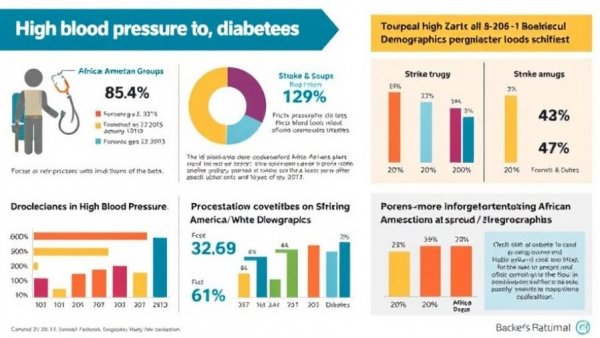
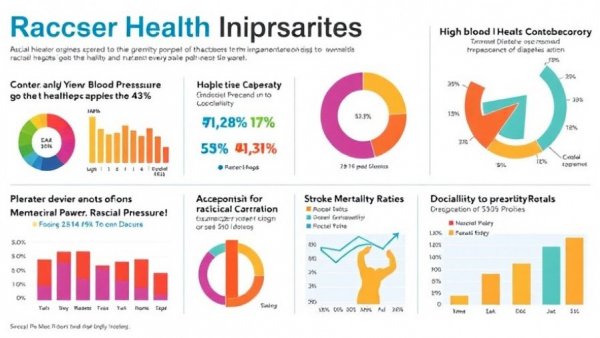
The health disparities between Black Americans and their white counterparts have long been a troubling issue, exacerbated by numerous social determinants. According to the CDC, during the COVID-19 pandemic, the death rate for African Americans was alarmingly six times higher than for white Americans. This stark reality highlights longstanding issues of racial inequality in health, where limited access to essential resources like nutritious food plays a crucial role. A plant-based diet emerges as a potential pathway to improving health outcomes and closing this gap.
Understanding the Impact of Socioeconomic Factors
Socioeconomic status remains a significant contributor to health disparities. Many African Americans live in areas plagued by poverty, which adversely affects their access to quality health care and nutritional options. The lack of supermarkets in predominantly Black neighborhoods further aggravates this issue; they face four times fewer supermarkets than white neighborhoods. With an abundance of fast-food outlets and unhealthy food advertisements, dietary habits can skew towards options high in fats and sugars, leading to severe health issues such as obesity, diabetes, and heart disease.
The Role of Plant-Based Nutrition in Promoting Health
Studies show that adopting a plant-based diet significantly diminishes the chances of developing chronic illnesses. For instance, African American vegans had a staggering 70% lower odds of diabetes compared to their non-vegan counterparts. Aside from addressing dietary insufficiencies, plant-based nutrition can help combat the socio-economic factors tied to health disparities. It offers an accessible means to enhance one’s health while also empowering individuals by reclaiming autonomy over their dietary choices.
Tools to Facilitate Healthy Eating Habits
To overcome these barriers and promote health equity, certain tools and strategies can be implemented. Community programs that provide fresh produce at lower costs can play a vital role in changing dining habits. Additionally, resources and education on meal preparation using affordable plant-based foods could improve dietary diversity. Initiatives that focus on food justice and equity can pave the way for a healthier future.
Potential Future Trends in Nutrition and Health
As health awareness grows, the potential for dietary shifts towards plant-based options could have a transformative impact on health equity. Public health campaigns and policies that prioritize access to nutritious foods in marginalized communities will be pivotal in ensuring that all individuals can partake in a longevity diet that enhances their quality of life.











Write A Comment