


Diet's Invisible Hand: The Connection Between Bone Density and Body Weight
Many health-conscious individuals are increasingly aligning their diets with the latest science. With rising awareness around osteoporosis—a condition affecting approximately 200 million people worldwide—understanding how diet impacts bone density is paramount. Studies show that bone mineral density (BMD) is the clearest predictor of potential osteoporotic fractures, which has sparked much debate on how dietary patterns, particularly plant-based diets, contribute to bone health.
Dissecting Plant-Based Diets: Nutrient Profiles and Bone Health
There’s a burgeoning consensus that increased consumption of plant foods can bolster bone health, thanks to a rich tapestry of micronutrients and phytochemicals found within them. Healthcare professionals are thus encouraged to advocate for more plant-based foods, especially in midlife, regardless of a person’s existing dietary habits. Notably, those who favor more animal-sourced nutrients have been linked to a greater risk of fractures, painting a complex picture of the relationship between diet and bone health.
The Research Landscape: Revisiting Historical Studies
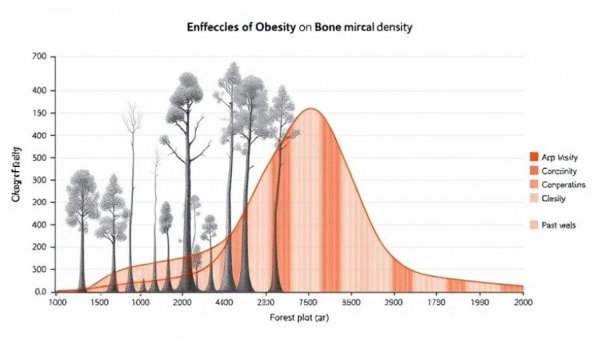
The conversation isn't new. A pivotal study conducted nearly half a century ago hinted that vegetarians boasted denser bones than meat-eaters. However, this early research fell short due to the use of non-specific imaging techniques, which led to erroneous conclusions regarding bone density readings. More recent investigations, including meta-analyses of thousands of participants, reveal that while vegetarians and vegans may show lower BMD, the clinical significance of this difference is negligible. Weight carries much of the responsibility for this relationship—individuals with higher body weight possess naturally denser bones due to the mechanical stress exerted through daily activities.
Bridging the Gap: Addressing Misconceptions about Vegetarianism and Bone Health
After digging into various studies, researchers clarified that vegetarianism is not a risk factor for bone fractures. By 2018, different analyses reafirmed that while there may be a trend of lower bone mineral density in vegetarians, this must be offset by acknowledging the low rates of obesity among such groups—an important consideration because heavier individuals tend to see a weight-lifting effect on their bones.
The Conversation Continues: Planning for Optimal Bone Health
Given these findings, diet adherence becomes critical—vegetarians and vegans especially need to emphasize a well-structured diet to preserve bone density as they age. While plant-based nutrition offers many benefits aligned with longevity, integrating the right balance of nutrients is key.
Personal Empowerment Through Knowledge: What You Can Do
For those embarking on a plant-based journey or those simply reevaluating dietary choices, it’s vital to ensure adequate intake of calcium, vitamin D, and other essential nutrients. Consider exploring diets like the Mediterranean diet or the Blue Zone diet, both known for their longevity benefits, and incorporate anti-aging foods that support bone health.
In conclusion, while the relationship between diet and bone density offers nuanced insights, it underscores the importance of mindful eating practices. Health-conscious individuals can thrive by seeking out balanced dietary approaches that support not just bone health, but overall longevity—and it all starts with understanding one’s unique nutritional needs.Call to Action: Consider reassessing your diet to include more plant-based options that promote bone health and longevity! Research beneficial foods and recipes that can help enhance your quality of life.










Write A Comment