


Understanding the Circadian Rhythm and Metabolism Connection
The intricate relationship between our circadian rhythms and metabolic health has become a focal point for researchers aiming to understand how lifestyle and biology interplay to influence bodily functions. Circadian rhythms, regulated by our internal circadian clock, govern numerous physiological processes, including glucose metabolism, energy expenditure, and fat storage. Recent studies have illuminated how disruptions in these rhythms can correlate with metabolic dysfunctions, particularly in insulin sensitivity and triglyceride levels.
Key Findings from Recent Research
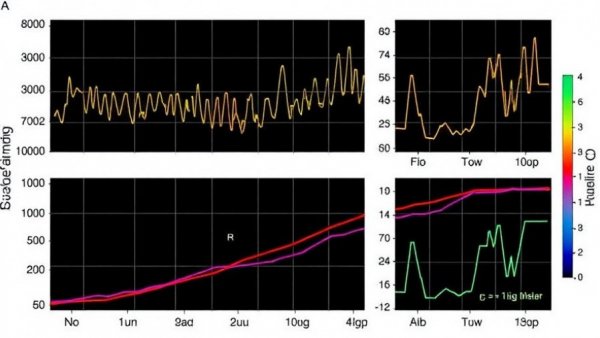
Recent research involving 716 healthy adults assessed various circadian-related rhythm characteristics using wearable technology that monitored wrist temperature and activity for over a week. The study revealed that two factors derived from the collected data—rhythm robustness and rhythm timing—played significant roles in metabolic health. Specifically, the study found that individuals with less robust circadian rhythms exhibited higher insulin resistance and triglyceride levels, leading to an overall unfavorable metabolic profile. This finding emphasizes the importance of maintaining stable circadian rhythms for metabolic health.
The Role of Wearable Technology in Health Monitoring
The advent of wearable technology has enabled continuous, real-time monitoring of our physiological markers, providing a window into our daily physiological rhythms. These devices can measure body temperature, physical activity, and light exposure, thus offering insights that can help individuals make informed health decisions. By understanding how lifestyle choices influence circadian rhythms, individuals can potentially counteract detrimental health outcomes associated with irregular sleep patterns and sedentary behaviors.
Practical Insights: Optimizing Your Circadian Rhythms
Optimizing circadian rhythms involves lifestyle adjustments to enhance metabolic health, which can be especially beneficial for those ages 30-55 who are health-conscious and invested in longevity.
- Regular Sleep Schedule: Going to bed and waking up at the same time each day can reinforce your body's natural circadian rhythm.
- Sunlight Exposure: Aim for 30 minutes of natural light exposure in the morning to help regulate your internal clock.
- Meal Timing: Eating meals at regular intervals can also support a healthy metabolism and energy levels throughout the day.
Connection to Anti-Aging and Longevity
As we explore how circadian rhythms affect metabolic health, it is crucial to link these findings to anti-aging strategies. There is growing interest in incorporating supplements that support metabolic function and longevity, such as NAD+ supplements, which are known to play a role in cellular repair and energy production. Additionally, omega-3 fatty acids and resveratrol are being studied for their potential to enhance metabolic health and longevity. These nutraceuticals can aid in reducing the risks associated with metabolic dysfunction.
Future Directions: Implications for Health and Wellness
The implications of understanding the association between circadian rhythms and metabolic health are significant. As research in this area accelerates, there is potential for developing personalized health interventions based on individuals' unique circadian profiles. This could lead to tailored recommendations for diet, exercise, and supplementation, promoting better health outcomes and enhancing the longevity of individuals.
As we cultivate a deeper understanding of our body's rhythms, integrating strategies that promote a healthy circadian life cycle is paramount. By harnessing this knowledge, we empower ourselves to make proactive choices for our health. Explore how to optimize your health with effective supplements that align with your metabolic needs.













Write A Comment