


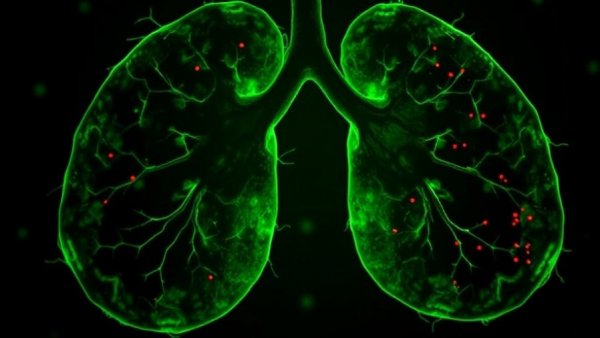
Unpacking Ethyl Caffeate's Role in Lung Health Amid Viral Threats
As our understanding of cellular damage from viruses like the Influenza A virus (IAV) expands, so does our interest in how specific compounds can help mitigate that damage. Recent studies have brought ethyl caffeate (EC), a bioactive phenolic compound found in various dietary sources, to the forefront of integrative health discussions—especially for those keen on enhancing longevity and cellular health.
Influenza A Virus and Lung Injury: A Silent Epidemic
The IAV remains a significant global health threat, often leading to severe respiratory complications and overwhelming healthcare systems. With its ability to mutate rapidly, the virus can circumvent current antiviral therapies, rendering effective treatment a challenge. This highlights the urgent need for alternative protective measures. Research indicates that IAV infection incites excessive inflammation, triggering not only immediate respiratory issues but also long-term mitochondrial dysfunction, which threatens cellular integrity and overall wellbeing.
The Promise of Ethyl Caffeate: A New Hope?
Ethyl caffeate's potential as an anti-inflammatory agent has garnered attention for its capability to modulate immune responses. In practical studies involving IAV infection models, treatment with EC resulted in improved survival rates and significantly alleviated lung injuries, indicating that its therapeutic effects extend beyond mere viral inhibition. Most notably, EC enhances mitochondrial function and restores the autophagy process, critical for removing damaged cellular components.
Understanding BNIP3L's Vital Role
At the heart of EC's protective effects lies BNIP3L, a protein crucial for autophagic clearance of mitochondria. When IAV infection disrupts this process, cells suffer from mitochondrial overload, exacerbating lung damage. Research has shown that EC upregulates BNIP3L, thereby enhancing mitochondrial clearance and promoting homeostasis within the cellular environment. For health-conscious individuals, this revelation provides an actionable insight into how dietary choices can influence mitochondrial health deeply.
Trigonelline: The Metabolite with Protective Powers
Additionally, the metabolomic analysis of EC intervention identified trigonelline as a noteworthy marker in the restoration of mitochondrial and cellular functions. As a metabolite, trigonelline is not only a key player in the protective effects induced by EC but also serves as a compelling reminder of how specific nutrients can shape our health on a molecular level. For those interested in longevity vitamins and best supplements for aging, this points to a new frontier in nutritional approaches, blending ancient wisdom with modern science.
Beyond EC: Broader Implications for Health Enthusiasts
The findings surrounding EC serve as an essential piece in the puzzle of health and longevity. Integrating such bioactive compounds into one’s diet opens new pathways not only for preventing acute viral infections but also for maintaining long-term cellular health. As interest in holistic approaches and dietary supplements grows, it's important to consider how plant-derived compounds can enhance our nutritional strategies.
Making Informed Choices for Longevity
For those navigating the world of anti-aging supplements and nutritional interventions, the implications of EC and its impacts on IAV-induced lung injury are profound. As we explore integrative health strategies, individuals are empowered to harness knowledge about the metabolic impacts of their dietary choices.
Considering the role of compounds like EC, it becomes clear that maintaining healthy mitochondrial function is not just a scientific imperative but a personal one too. As discussions around longevity nutraceuticals and the importance of adaptogens for health evolve, understanding these connections can significantly enhance individual wellness and resilience to health threats.
As we continue to uncover the benefits of compounds like ethyl caffeate, proactive measures can be taken to improve not just immune response against viruses but overall cellular vitality. Vitality that, after all, depends significantly on what we choose to nourish our bodies with.












Write A Comment