


Understanding Insomnia Symptoms in Rural Indian Women
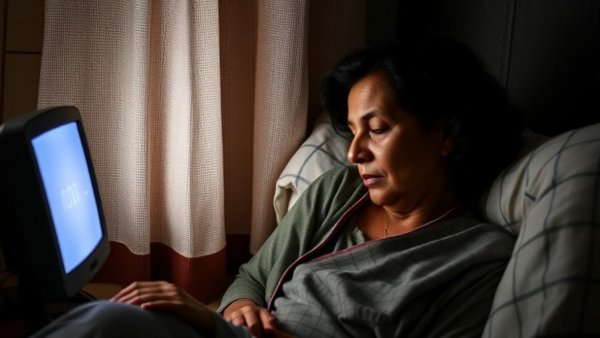
Inadequate sleep poses a significant challenge for many, and this is especially true for rural women aged 45 and above in India. A recent study analyzing data from the Longitudinal Ageing Study in India (LASI) reveals that a staggering 42.8% of these women report experiencing insomnia symptoms. Insomnia among this demographic is not merely a matter of sleep disruption; it can have profound implications for overall health and quality of life.
The Factors Driving Insomnia in Older Women
The LASI study highlights several intertwined factors contributing to insomnia symptoms in rural women. These include older age, chronic illness, and food insecurity. Notably, social factors such as feelings of loneliness and experiences of discrimination further exacerbate sleep issues. Insufficient safety in domestic environments also raises concerns, illustrating the complex interplay between social determinants and health outcomes.
The Broader Implications of Sleep Quality
Good-quality sleep is critical for maintaining both physical and mental well-being, particularly in older adults. Sleep disturbances can hinder cognitive function, impair emotional stability, and reduce overall vitality. For health-conscious individuals, including wellness professionals aiming to enhance both personal and community health, these findings underscore the importance of addressing insomnia not just as a symptom but as a public health priority.
Connecting Insomnia to Cellular Aging
Recent research into telomere biology provides an intriguing context for understanding the relationship between sleep and aging. Telomeres, the protective caps at the ends of chromosomes, play a crucial role in cellular longevity. Studies indicate that poor sleep quality can accelerate telomere shortening, which may contribute to age-related decline and cellular rejuvenation issues. Thus, promoting better sleep could have cascading benefits, not only for mental health but also for cellular integrity.
Strategies for Improving Sleep in Vulnerable Populations
To combat insomnia symptoms, targeted interventions are necessary. Routine screenings can help identify individuals at risk, while community-based support mechanisms can address broader social determinants. Techniques such as cognitive behavioral therapy for insomnia (CBT-I) have shown promise in clinical settings. Additionally, integrating wellness practices, including dietary approaches that support telomere health through nutrient-rich foods and supplements, can enhance sleep quality and overall well-being.
Future Predictions: Focus on Holistic Health Initiatives
As global awareness about aging populations grows, integrating sleep health into the broader wellness paradigm becomes essential. With food insecurity and social isolation on the rise in many rural settings, initiatives to support holistic health — including sleep hygiene education, community engagement, and healthcare access — are vital. Researchers suggest that bolstering these areas will not only improve sleep outcomes but also enhance the general quality of life for vulnerable populations.
Final Thoughts: Why Awareness and Action Matter
As we strive to advance the Sustainable Development Goals for health, acknowledging and addressing insomnia in older women stands out as a crucial step. Health professionals, policymakers, and community leaders must collaborate to implement effective strategies that prioritize sleep quality. Improving sleep is not merely about addressing a symptom; it is about enhancing life quality and longevity.
For those interested in maintaining vitality as they age, consider exploring aspects of telomere research, telomerase activation, and the impact of sleep on cellular health. Understanding these connections can empower individuals to take proactive steps towards better sleep, which is vital for healthy aging.














Write A Comment