
Longevity Thrive
update
Longevity Thrive
Thriving Health For Thriving Life
update
  • Home
  • Categories
    • Cell Renewal
    • Telomere Science
    • Supplement Guide
    • Diet Protocols
    • Expert Insights
    • Biohacking Tips
    • Research Updates
November 17.2026
3 Minutes Read

Unlocking the Secrets of Musculoskeletal Aging: The Impact of Bioelectrical Impedance Analysis

Editorial: New perspectives on bioelectrical impedance analysis in musculoskeletal aging

Understanding Musculoskeletal Aging: The Role of Bioelectrical Impedance Analysis

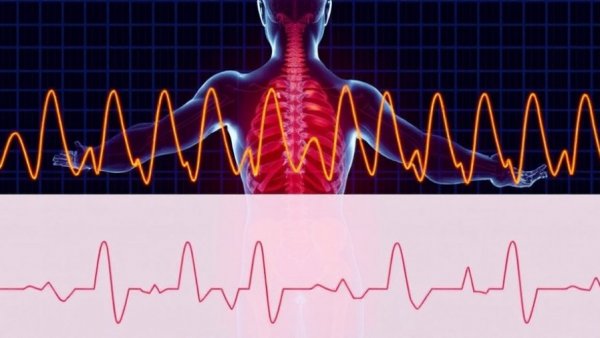
As our understanding of aging deepens, researchers are increasingly recognizing the need for effective methods to assess musculoskeletal health. The editorial on New Perspectives on Bioelectrical Impedance Analysis in Musculoskeletal Aging underscores the importance of accurate characterization of musculoskeletal aging, a critical factor in combating frailty, disability, and loss of independence among older adults. As noted by authors Gobbo and Reid, bioelectrical impedance analysis (BIA) emerges as a robust tool that not only estimates body composition but also offers insights into physiological variations seen in aging populations.

The Limitations of Traditional Body Composition Metrics

Conventional BIA methods traditionally rely on predictive equations that assume a standard profile of body hydration and geometry. However, these methods may overlook the physiological diversity found in varied aging populations. Recognizing this challenge, researchers have started shifting focus to raw bioelectrical measures such as resistance, reactance, and phase angle (PhA). These parameters enable a more nuanced understanding of muscle and body composition, catering specifically to age-related changes.

For instance, studies exploring the application of bioelectrical impedance vector analysis (BIVA) highlight the method's strengths in decoding individual physiological parameters across demographics. Rabelo et al. demonstrated that tailored BIVA approaches could encapsulate the variations in physical activity levels and muscle strength among older adults, leading to sex-specific findings in bioelectrical characteristics.

Innovations in Assessment for Better Insights

The frontier research detailed emphasizes methodological innovations enhancing diagnostic accuracy. These innovations could hold the key to unraveling bigger mysteries regarding aging and telomeres. With telomere length serving as a vital marker for biological aging—which many associate with cellular health—being able to accurately assess physiological status becomes paramount.

Zhao et al. provided compelling data that examined how muscle health indicators like skeletal muscle index and handgrip strength decline with age, promoting argument for age- and sex-stratified diagnostics. Such tailored metrics may not only allow for better screening processes for sarcopenia but might also correlate closely with telomere health, offering a window into broader aging processes.

The Potential of BIA in Epigenetics and Aging Strategies

Moreover, the integration of BIA methodologies into explorative realms of epigenetics offers exciting avenues for anti-aging strategies. As health-conscious individuals age, a thorough understanding of how biological metrics correlate to cellular rejuvenation—especially concerning telomere biology—becomes critical. The relationship between telomere shortening and the development of age-related musculoskeletal decline elucidates why precise physiological assessments are integral to crafting effective longevity-focused interventions.

For wellness enthusiasts invested in supplements and protocols aimed at cellular health, the impact of telomere-targeted therapies is vivid. With emerging studies tying these biological markers to interventions like telomerase activation and DNA repair processes, BIA's role may prove pivotal. By correlating bioelectrical measures with telomere length and health, we can gain insights into how lifestyle modifications impact aging on a cellular level.

Concluding Thoughts: Encouraging Proactive Monitoring

The implications of understanding bioelectrical impedance in the context of musculoskeletal aging cannot be understated. As professionals delve deeper into how body composition assessments reveal physiological changes, individuals can harness this knowledge to seek proactive interventions and strategies tailored to their needs. The event of more personalized, evidence-based approaches aligns perfectly with the ongoing quest for longevity and better quality of life.

As the integration of advanced technologies continues to evolve, it will be crucial for health-conscious individuals to keep abreast of emerging research. The fusion of bioelectrical analysis with telomere research holds promise for groundbreaking insights into longevity and health. Therefore, engaging with these findings may guide our understanding of effective aging strategies, ultimately encouraging deeper discussions among both healthcare professionals and patients about personal health trajectories.


Telomere Science

2 Views

0 Comments

Write A Comment

*
*
Please complete the captcha to submit your comment.
Related Posts All Posts
11.19.2026

Bridging the Standardization Gap in Longevity Medicine: A Call to Action

Update Understanding the Standardization Gap in Longevity MedicineThe growth of longevity medicine has been striking, marked by over 900 annual publications on healthy aging as of 2021, a dramatic increase from just 25 publications in 2000. This rapid development indicates a burgeoning interest in health maintenance and anti-aging techniques. However, despite this momentum, a glaring challenge persists: the absence of a universally accepted framework for assessing vital health metrics across various populations. Inconsistent application of biomarkers and assessment standards complicates clinical comparisons and hinders effective implementation.Exploring the Six Longevity DomainsThe proposed framework for longevity assessment encompasses six critical domains: biological age, cardiometabolic health, functional capacity, inflammation and immune aging, cognitive health, and sleep/circadian health and lifestyle. These domains are integral to a comprehensive understanding of healthy aging, yet their current application varies drastically, presenting both opportunities and challenges for researchers and practitioners alike. Each domain reflects a unique aspect of health that contributes to the overall aging process. For instance, biological age goes beyond chronological age to assess the actual physiological state of an individual, while cardiometabolic health looks at the risk factors associated with heart disease and metabolic dysfunction.Identifying the Inconsistencies in Current PracticesCurrent research efforts in longevity medicine often derive from disparate methodologies, leading to inconsistencies that obstruct scientific advancement. The identification of specific measures linked to longevity-relevant outcomes is crucial, but often limited by the absence of standardization. Without clear definitions and consistent protocols, validating and comparing findings across different clinical settings becomes a major hurdle. This fragmentation threatens the clinical application of research findings, leaving practitioners without reliable tools to guide their patients efficiently. Furthermore, the need for standardization underscores the importance of collaboration among international research communities, healthcare providers, and regulatory bodies.The Role of Existing FrameworksWhile several frameworks exist—such as the WHO ICOPE framework and various Delphi initiatives—the lack of a comprehensive, multi-domain clinical composite applicable to broadly healthy adults ranging from 30 to 80 years is particularly striking. In the face of extensive research and methodologies, the absence of one cohesive framework undermines efforts to evolve longevity medicine into a standard clinical practice. Furthermore, existing frameworks often address varied specific populations and clinical contexts but do not encapsulate a universally applicable standard for proactive biological monitoring.A Call for International Consensus in Longevity AssessmentThe narrative review ultimately advocates for an international consensus initiative, proposing eight criteria that any valid framework for longevity assessment should meet. These criteria would guide the establishment of clear, reliable measures that clinicians can use across different practices. By utilizing established methods like the Delphi technique, researchers can solicit expert opinions and enhance collaborative efforts to develop standardizable measures. A unified approach would not only facilitate clinical practice but also foster a better understanding of how biological factors and interventions can effectively combat aging. The consensus framework would help bridge the gap between research and practice, ultimately translating scientific advancements into practical tools for health professionals.Future Implications for Telomere Research and Anti-Aging StrategiesThe implications of such a framework extend deeply into areas like telomere research. Understanding telomere length and its role in cellular aging is essential for developing effective anti-aging strategies. For instance, the activation of telomerase and DNA repair mechanisms are vital for maintaining chromosome health, offering promising avenues for rejuvenation therapies. Integrating findings from telomere biology into standardized assessments could ultimately lead to breakthroughs in longevity-enhancing treatments. Moreover, as public awareness of aging and longevity increases, an emphasis on actionable strategies derived from telomere research could empower individuals to take proactive steps in their health journey.ConclusionThe endeavor to standardize longevity medicine highlights the significance of integrating diverse scientific disciplines into a cohesive framework. As interest in longevity and healthy aging continues to grow, establishing a common language around assessment standards will be crucial for guiding clinical practice and driving future research. The time is ripe for innovation in this field; advances in telomere biology and epigenetics could very well transform our understanding of aging, leading to targeted interventions that not only aim to extend lifespan but also enhance the quality of life for individuals as they age. As we navigate this uncharted territory, the commitment to an international consensus on longevity medicine remains critical, paving the way for future breakthroughs that could reshape how we approach aging and health.

11.14.2026

Navigating Digital Information Overload: Implications for Aging and Telomere Health

Update Understanding Digital Information Overload and Its Biological ImpactAs technology permeates our daily lives, digital information overload (DIO) has emerged as a significant concern, particularly regarding its implications for health and aging. With professionals increasingly tethered to screens, the physiological effects of prolonged exposure to digital stimuli warrant a closer look. This article delves into the complex interplay between DIO and biological aging, a critical topic for health-conscious individuals aimed at enhancing vitality and overall well-being.The Physiological Consequences of Digital Information OverloadRecent studies have highlighted that digital information overload can lead to sustained allostatic strain, where the body's stress response system is perpetually activated. This constant strain can result in negative health outcomes, impacting not only mental health but also physical well-being. Aligning with research findings in occupational studies, there appears to be an inverse relationship between technostress and hair cortisol levels. While this challenges the prevailing assumption of uniform hypercortisolism or inflammation, it raises significant questions about the physiological markers we typically associate with stress exposure in our increasingly digital society.Unpacking the Digital Information Stress Dose FrameworkThe proposed Digital Information Stress Dose (DISD) framework serves as a comprehensive tool for categorizing exposure to digital stimuli in terms of key parameters: duration and frequency of access, arousal levels, cognitive load, and attentional capture. This multi-faceted approach emphasizes the critical need for future research to distinguish between different types of screen interactions and the unique effects each may have on our physiology. Importantly, separating doomscrolling—a term used to describe the relentless consumption of negative news—from routine information consumption is crucial to understanding the broader biological implications on our aging process.Insights from Telomere Research Relevant to AgingA particularly exciting area related to aging is telomere research, which explores telomere length and the cellular processes underpinning biological aging. Telomeres, protective caps located at the ends of chromosomes, are instrumental in maintaining cellular health and longevity. As we age, telomeres naturally shorten, leading to cellular senescence—a state where cells lose their ability to divide—ultimately contributing to the decline in health associated with aging. This shortening process is intrinsically linked to our stress responses and interactions with our environment, making the understanding of the impact of DIO even more vital for individuals seeking to maintain youthful vitality.Implications for Health and LongevityThe intersection of DIO and telomere biology presents a unique opportunity for advancing our understanding of aging. Research focusing on telomerase activation—a component that helps maintain or elongate telomeres—and DNA repair mechanisms demonstrates how lifestyle choices, such as reducing screen time, engaging in mindfulness practices, and fostering social connections, could positively impact telomere preservation. Additionally, integrating epigenetic factors into this conversation shows that our genetic predisposition can be significantly influenced by environmental exposures, such as those we encounter through digital interactions.The Future of Research: Directions and OpportunitiesFuture investigations should strive for a holistic view of DIO, combining passive exposure logs with ecological momentary assessments and a variety of physiological measurements. This comprehensive approach will enrich our understanding of how different digital exposures correlate to markers of biological aging and cellular health. Moreover, employing longitudinal studies and innovative controlled exposure modifications will be crucial in determining the specific health outcomes associated with varying levels of digital interaction. Such research not only fosters a deeper understanding of DIO but also supports the development of actionable strategies for individuals looking to optimize their health as they navigate the digital age.Conclusion: Empowering Awareness for Health OptimizationAs individuals increasingly engage with digital platforms, understanding the implications of digital information overload on aging is essential. Developing and employing strategies that emphasize telomere health, coupled with cognitive balance, may offer practical pathways toward extending vitality. By cultivating awareness of the stressors inherent in digital environments, individuals can be empowered to take actionable steps toward a healthier, balanced life. Thus, fostering both physical and mental well-being in a technology-saturated world becomes achievable through informed choices and proactive engagement in health optimization activities.

11.13.2026

Unlocking the Synergistic Benefits of Crenotherapy and Exercise in Knee Osteoarthritis

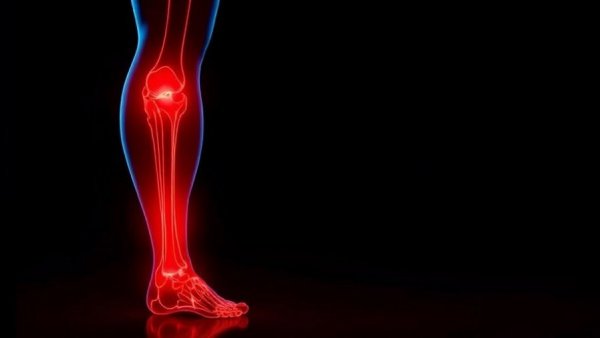
Update The Integrative Approach to Knee Osteoarthritis: Crenotherapy and Exercise Knee osteoarthritis (OA) has emerged as a significant public health concern, affecting millions worldwide. Characterized by joint pain and progressive degeneration, its complex causal factors lead to functional decline and substantial disability. Recent research emphasizes a shift in management strategies toward evidence-based non-pharmacological interventions, which are not only safer alternatives but also yield favorable outcomes compared to traditional pharmacotherapy. Among these, crenotherapy and structured exercise interventions are gaining recognition. Understanding Crenotherapy: A Therapeutic Spa Experience Crenotherapy involves utilizing mineral-rich thermal waters to provide symptomatic relief for various conditions, including knee osteoarthritis. Scientific studies indicate that crenotherapy can result in short-term pain relief, potentially through the modulation of neuroendocrine and inflammatory pathways.1 The combination of thermal effects and mineral content may serve to lower the pain threshold, making physical activity more tolerable. Preliminary mechanistic insights suggest that common mechanisms, such as enhanced local circulation and hormonal modulation, play pivotal roles in its efficacy. Exercise: A Cornerstone of Osteoarthritis Management On the other hand, structured physical exercise effectively improves joint stability, cardiovascular fitness, and neuromuscular control.2 Regular workouts elicit favorable anti-inflammatory responses, promoting the strengthening of surrounding musculature and overall joint function. By adhering to structured exercise regimens, individuals can also experience improvements in quality of life, thus addressing the holistic needs of those challenged by knee OA. Combining Crenotherapy and Exercise: The Hypothesis The innovative thought behind combining crenotherapy and exercise proposes that using them together may enhance the overall therapeutic result. The initial comfort provided by crenotherapy might encourage increased participation in physical exercise, reducing painful barriers. With reduced pain, individuals could engage more profoundly with exercise, potentially resulting in improved functional adaptations.3 However, while the concept is promising, the need for empirical evidence from controlled trials is pressing, as it remains unclear whether their effects are additive or indeed synergistic. Research Gaps: The Call for Rigorous Trials The current literature offers a robust physiological and conceptual foundation supporting the integration of these modalities; however, definitive studies focusing on their combined applications in therapy for knee OA are limited. Determining critical variables such as optimal timing, dosages, and population selection will be crucial in validating this integrated approach, along with comprehensive assessments of pain, functional abilities, and structural changes over time.4 As the global prevalence of OA is expected to rise, addressing these knowledge gaps is essential to advance multimodal rehabilitation strategies. Future Directions and the Role of Telomere Science As we explore the effects of these interventions on knee osteoarthritis, it’s also pertinent to consider the role of cellular aging, particularly through the lens of telomere biology. Research indicates that factors like exercise can positively influence telomere length and health, contributing to a reduction in the aging process at the cellular level.5 Insights from telomere research show that physical health and biological resilience are interconnected. Therefore, intertwining physical rehabilitation approaches with telomere-supporting strategies could yield synergistic benefits. Conclusion: Moving Towards Evidence-Based Practice The integration of crenotherapy and structured exercise presents an exciting frontier in the management of knee osteoarthritis, particularly as the burden of this condition becomes more pronounced. Immediate attention must be directed toward rigorous clinical trials that can establish clear protocols for the effective use of these complementary therapies. As the scientific community delves further into this collaborative approach, the potential benefits could not only transform individual patient outcomes but enhance the broader landscape of OA management.

cropper
update
Longevity Thrive
cropper
update

Longevity Thrive empowers individuals with science-backed insights, expert advice, and practical tools to optimize health, wellness, and longevity.

  • update
  • update
  • update
  • update
  • update
  • update
  • update
UPDATE

ABOUT US

Longevity Thrive is a media platform dedicated to providing science-backed insights, practical strategies, and the latest trends in health, wellness, and longevity. It empowers individuals to optimize their healthspan and live vibrant, fulfilling lives.

© 2026 Longevity Thrive All Rights Reserved. Harp Island Close, London, Brent NW100DF . Contact Us . Terms of Service . Privacy Policy

eyJjb21wYW55IjoiTG9uZ2V2aXR5IFRocml2ZSIsImFkZHJlc3MiOiJIYXJwIElzbGFuZCBDbG9zZSIsImNpdHkiOiJMb25kb24iLCJzdGF0ZSI6IkJyZW50IiwiemlwIjoiTlcxMDBERiIsImVtYWlsIjoibG9yZW5hc0BnZXRtaWxlcmlzbWFya2V0aW5nLmNvbSIsInRvcyI6IlBIQStQSE4wY205dVp6NDhaVzArVjJobGJpQjViM1VnYzJsbmJpMXBiaUIzYVhSb0lIVnpMQ0I1YjNVZ1lYSmxJR2RwZG1sdVp5WnVZbk53T3lCNWIzVnlJSEJsY20xcGMzTnBiMjRnWVc1a0lHTnZibk5sYm5RZ2RHOGdjMlZ1WkNCNWIzVWdaVzFoYVd3Z1lXNWtMMjl5SUZOTlV5QjBaWGgwSUcxbGMzTmhaMlZ6TGlCQ2VTQmphR1ZqYTJsdVp5QjBhR1VnVkdWeWJYTWdZVzVrSUVOdmJtUnBkR2x2Ym5NZ1ltOTRJR0Z1WkNCaWVTQnphV2R1YVc1bklHbHVJSGx2ZFNCaGRYUnZiV0YwYVdOaGJHeDVJR052Ym1acGNtMGdkR2hoZENCNWIzVWdZV05qWlhCMElHRnNiQ0IwWlhKdGN5QnBiaUIwYUdseklHRm5jbVZsYldWdWRDNDhMMlZ0UGp3dmMzUnliMjVuUGp3dmNENEtDanh3UGp4aElHaHlaV1k5SW1oMGRIQTZMeTkzZDNjdVoyOXZaMnhsTG1OdmJTSSthSFIwY0RvdkwzZDNkeTVuYjI5bmJHVXVZMjl0UEM5aFBqd3ZjRDRLQ2p4d1BpWnVZbk53T3p3dmNENEtDanh3UGp4emRISnZibWMrVTBWU1ZrbERSVHd2YzNSeWIyNW5Qand2Y0Q0S0NqeHdQbGRsSUhCeWIzWnBaR1VnWVNCelpYSjJhV05sSUhSb1lYUWdZM1Z5Y21WdWRHeDVJR0ZzYkc5M2N5QjViM1VnZEc4Z2NtVmpaV2wyWlNCeVpYRjFaWE4wY3lCbWIzSWdabVZsWkdKaFkyc3NJR052YlhCaGJua2dhVzVtYjNKdFlYUnBiMjRzSUhCeWIyMXZkR2x2Ym1Gc0lHbHVabTl5YldGMGFXOXVMQ0JqYjIxd1lXNTVJR0ZzWlhKMGN5d2dZMjkxY0c5dWN5d2daR2x6WTI5MWJuUnpJR0Z1WkNCdmRHaGxjaUJ1YjNScFptbGpZWFJwYjI1eklIUnZJSGx2ZFhJZ1pXMWhhV3dnWVdSa2NtVnpjeUJoYm1RdmIzSWdZMlZzYkhWc1lYSWdjR2h2Ym1VZ2IzSWdaR1YyYVdObExpQlpiM1VnZFc1a1pYSnpkR0Z1WkNCaGJtUWdZV2R5WldVZ2RHaGhkQ0IwYUdVZ1UyVnlkbWxqWlNCcGN5QndjbTkyYVdSbFpDQW1jWFZ2ZER0QlV5MUpVeVp4ZFc5ME95QmhibVFnZEdoaGRDQjNaU0JoYzNOMWJXVWdibThnY21WemNHOXVjMmxpYVd4cGRIa2dabTl5SUhSb1pTQjBhVzFsYkdsdVpYTnpMQ0JrWld4bGRHbHZiaXdnYldsekxXUmxiR2wyWlhKNUlHOXlJR1poYVd4MWNtVWdkRzhnYzNSdmNtVWdZVzU1SUhWelpYSWdZMjl0YlhWdWFXTmhkR2x2Ym5NZ2IzSWdjR1Z5YzI5dVlXeHBlbUYwYVc5dUlITmxkSFJwYm1kekxqd3ZjRDRLQ2p4d1BsbHZkU0JoY21VZ2NtVnpjRzl1YzJsaWJHVWdabTl5SUc5aWRHRnBibWx1WnlCaFkyTmxjM01nZEc4Z2RHaGxJRk5sY25acFkyVXNJR0Z1WkNCMGFHRjBJR0ZqWTJWemN5QnRZWGtnYVc1MmIyeDJaU0IwYUdseVpDMXdZWEowZVNCbVpXVnpJQ2h6ZFdOb0lHRnpJRk5OVXlCMFpYaDBJRzFsYzNOaFoyVnpMQ0JKYm5SbGNtNWxkQ0J6WlhKMmFXTmxJSEJ5YjNacFpHVnlJRzl5SUdObGJHeDFiR0Z5SUdGcGNuUnBiV1VnWTJoaGNtZGxjeWt1SUZsdmRTQmhjbVVnY21WemNHOXVjMmxpYkdVZ1ptOXlJSFJvYjNObElHWmxaWE1zSUdsdVkyeDFaR2x1WnlCMGFHOXpaU0JtWldWeklHRnpjMjlqYVdGMFpXUWdkMmwwYUNCMGFHVWdaR2x6Y0d4aGVTQnZjaUJrWld4cGRtVnllU0J2WmlCbFlXTm9JRk5OVXlCMFpYaDBJRzFsYzNOaFoyVWdkMlVnYzJWdVpDQjBieUI1YjNVdUlFbHVJR0ZrWkdsMGFXOXVMQ0I1YjNVZ2JYVnpkQ0J3Y205MmFXUmxJR0Z1WkNCaGNtVWdjbVZ6Y0c5dWMybGliR1VnWm05eUlHRnNiQ0JsY1hWcGNHMWxiblFnYm1WalpYTnpZWEo1SUhSdklHRmpZMlZ6Y3lCMGFHVWdVMlZ5ZG1salpTQmhibVFnY21WalpXbDJaU0IwYUdVZ1UwMVRJSFJsZUhRZ2JXVnpjMkZuWlhNdUlGZGxJR1J2SUc1dmRDQmphR0Z5WjJVZ1lXNTVJR1psWlhNZ1ptOXlJSFJvWlNCa1pXeHBkbVZ5ZVNCdlppQmxiV0ZwYkNCdmNpQlRUVk11SUZSb2FYTWdhWE1nWVNCbWNtVmxJSE5sY25acFkyVWdkMlVnY0hKdmRtbGtaUzRnU0c5M1pYWmxjaXdnY0d4bFlYTmxJR05vWldOcklIZHBkR2dnZVc5MWNpQnBiblJsY201bGRDQnpaWEoyYVdObElIQnliM1pwWkdWeUlHRnVaQ0JqWld4c2RXeGhjaUJqWVhKeWFXVnlJR1p2Y2lCaGJua2dZMmhoY21kbGN5QjBhR0YwSUhsdmRTQnRZWGtnYVc1amRYSWdZWE1nWVNCeVpYTjFiSFFnYjJZZ2NtVmpaV2wyYVc1bklHVnRZV2xzSUdGdVpDQlRUVk1nZEdWNGRDQnRaWE56WVdkbGN5QjBhR0YwSUhkbElHUmxiR2wyWlhJZ2RYQnZiaUI1YjNWeUlHOXdkQzFwYmlCaGJtUWdjbVZuYVhOMGNtRjBhVzl1SUhkcGRHZ2diM1Z5SUdWdFlXbHNJR0Z1WkNCVFRWTWdjMlZ5ZG1salpYTXVJRmx2ZFNCallXNGdZMkZ1WTJWc0lHRjBJR0Z1ZVNCMGFXMWxMaUJLZFhOMElIUmxlSFFnSm5GMWIzUTdVMVJQVUNaeGRXOTBPeUIwYnladVluTndPenhvYVdkb2JHbG5hSFFnWTJ4aGMzTTlJbU52YlhCaGJubFRUVk5RYUc5dVpWVndaR0YwWlNJK2JuVnNiRHd2YUdsbmFHeHBaMmgwUGk0Z1FXWjBaWElnZVc5MUlITmxibVFnZEdobElGTk5VeUJ0WlhOellXZGxJQ1p4ZFc5ME8xTlVUMUFtY1hWdmREc2dkRzhnZFhNc0lIZGxJSGRwYkd3Z2MyVnVaQ0I1YjNVZ1lXNGdVMDFUSUcxbGMzTmhaMlVnZEc4Z1kyOXVabWx5YlNCMGFHRjBJSGx2ZFNCb1lYWmxJR0psWlc0Z2RXNXpkV0p6WTNKcFltVmtMaUJCWm5SbGNpQjBhR2x6TENCNWIzVWdkMmxzYkNCdWJ5QnNiMjVuWlhJZ2NtVmpaV2wyWlNCVFRWTWdiV1Z6YzJGblpYTWdabkp2YlNCMWN5NDhMM0ErQ2dvOGNENDhjM1J5YjI1blBsbFBWVklnVWtWSFNWTlVVa0ZVU1U5T0lFOUNURWxIUVZSSlQwNVRQQzl6ZEhKdmJtYytQQzl3UGdvS1BIQStTVzRnWTI5dWMybGtaWEpoZEdsdmJpQnZaaUI1YjNWeUlIVnpaU0J2WmlCMGFHVWdVMlZ5ZG1salpTd2dlVzkxSUdGbmNtVmxJSFJ2T2p3dmNENEtDanh2YkQ0S0NUeHNhVDV3Y205MmFXUmxJSFJ5ZFdVc0lHRmpZM1Z5WVhSbExDQmpkWEp5Wlc1MElHRnVaQ0JqYjIxd2JHVjBaU0JwYm1admNtMWhkR2x2YmlCaFltOTFkQ0I1YjNWeWMyVnNaaUJoY3lCd2NtOXRjSFJsWkNCaWVTQjBhR1VnVTJWeWRtbGpaU1lqTXprN2N5QnlaV2RwYzNSeVlYUnBiMjRnWm05eWJTQW9jM1ZqYUNCcGJtWnZjbTFoZEdsdmJpQmlaV2x1WnlCMGFHVWdKbkYxYjNRN1VtVm5hWE4wY21GMGFXOXVJRVJoZEdFbWNYVnZkRHNwSUdGdVpEd3ZiR2srQ2drOGJHaytiV0ZwYm5SaGFXNGdZVzVrSUhCeWIyMXdkR3g1SUhWd1pHRjBaU0IwYUdVZ1VtVm5hWE4wY21GMGFXOXVJRVJoZEdFZ2RHOGdhMlZsY0NCcGRDQjBjblZsTENCaFkyTjFjbUYwWlN3Z1kzVnljbVZ1ZENCaGJtUWdZMjl0Y0d4bGRHVXVJRWxtSUhsdmRTQndjbTkyYVdSbElHRnVlU0JwYm1admNtMWhkR2x2YmlCMGFHRjBJR2x6SUhWdWRISjFaU3dnYVc1aFkyTjFjbUYwWlN3Z2JtOTBJR04xY25KbGJuUWdiM0lnYVc1amIyMXdiR1YwWlN3Z2IzSWdkMlVnYUdGMlpTQnlaV0Z6YjI1aFlteGxJR2R5YjNWdVpITWdkRzhnYzNWemNHVmpkQ0IwYUdGMElITjFZMmdnYVc1bWIzSnRZWFJwYjI0Z2FYTWdkVzUwY25WbExDQnBibUZqWTNWeVlYUmxMQ0J1YjNRZ1kzVnljbVZ1ZENCdmNpQnBibU52YlhCc1pYUmxMQ0IzWlNCb1lYWmxJSFJvWlNCeWFXZG9kQ0IwYnlCemRYTndaVzVrSUc5eUlEeHpkSEp2Ym1jK1BITndZVzRnYzNSNWJHVTlJbU52Ykc5eU9pTkdSakF3TURBN0lqNTBaWEp0YVc1aGRHVWdlVzkxY2lCaFkyTnZkVzUwTDNCeWIyWnBiR1VnWVc1a0lISmxablZ6WlNCaGJua2dZVzVrSUdGc2JDQmpkWEp5Wlc1MElHOXlJR1oxZEhWeVpTQjFjMlVnYjJZZ2RHaGxJRk5sY25acFkyVWdLRzl5SUdGdWVTQndiM0owYVc5dUlIUm9aWEpsYjJZcExqd3ZjM0JoYmo0OEwzTjBjbTl1Wno0OEwyeHBQZ284TDI5c1Bnb0tQSEErSm01aWMzQTdQQzl3UGdvOGFHbG5hR3hwWjJoMElHTnNZWE56UFNKamIyMXdZVzU1VG1GdFpWVndaR0YwWlNJK1RHOXVaMlYyYVhSNUlGUm9jbWwyWlR3dmFHbG5hR3hwWjJoMFBqeGljaUF2UGdvOGFHbG5hR3hwWjJoMElHTnNZWE56UFNKamIyMXdZVzU1UVdSa2NtVnpjMVZ3WkdGMFpTSStTR0Z5Y0NCSmMyeGhibVFnUTJ4dmMyVXNJRXh2Ym1SdmJpd2dRbkpsYm5RZ1RsY3hNREJFUmp3dmFHbG5hR3hwWjJoMFBqeGljaUF2UGdvOGFHbG5hR3hwWjJoMElHTnNZWE56UFNKamIyMXdZVzU1VUdodmJtVlZjR1JoZEdVaVBpczBORGM0TlRZMU5UQXdNelU4TDJocFoyaHNhV2RvZEQ0OFluSWdMejRLUEdocFoyaHNhV2RvZENCamJHRnpjejBpWTI5dGNHRnVlVVZ0WVdsc1ZYQmtZWFJsSWo1c2IzSmxibUZ6UUdkbGRHMXBiR1Z5YVhOdFlYSnJaWFJwYm1jdVkyOXRQQzlvYVdkb2JHbG5hSFErIiwicHJpdmFjeSI6IlBIQStQSE4wY205dVp6NVFVa2xXUVVOWlBDOXpkSEp2Ym1jK1BDOXdQZ29LUEhBK1BITjBjbTl1Wno1VWFHVWdhVzVtYjNKdFlYUnBiMjRnY0hKdmRtbGtaV1FnWkhWeWFXNW5JSFJvYVhNZ2NtVm5hWE4wY21GMGFXOXVJR2x6SUd0bGNIUWdjSEpwZG1GMFpTQmhibVFnWTI5dVptbGtaVzUwYVdGc0xDQmhibVFnZDJsc2JDQnVaWFpsY2lCaVpTQmthWE4wY21saWRYUmxaQ3dnWTI5d2FXVmtMQ0J6YjJ4a0xDQjBjbUZrWldRZ2IzSWdjRzl6ZEdWa0lHbHVJR0Z1ZVNCM1lYa3NJSE5vWVhCbElHOXlJR1p2Y20wdUlGUm9hWE1nYVhNZ2IzVnlJR2QxWVhKaGJuUmxaUzQ4TDNOMGNtOXVaejQ4TDNBK0NnbzhjRDQ4YzNSeWIyNW5Qa2xPUkVWTlRrbFVXVHd2YzNSeWIyNW5Qand2Y0Q0S0NqeHdQanhsYlQ1WmIzVWdZV2R5WldVZ2RHOGdhVzVrWlcxdWFXWjVJR0Z1WkNCb2IyeGtJSFZ6TENCaGJtUWdhWFJ6SUhOMVluTnBaR2xoY21sbGN5d2dZV1ptYVd4cFlYUmxjeXdnYjJabWFXTmxjbk1zSUdGblpXNTBjeXdnWTI4dFluSmhibVJsY25NZ2IzSWdiM1JvWlhJZ2NHRnlkRzVsY25Nc0lHRnVaQ0JsYlhCc2IzbGxaWE1zSUdoaGNtMXNaWE56SUdaeWIyMGdZVzU1SUdOc1lXbHRJRzl5SUdSbGJXRnVaQ3dnYVc1amJIVmthVzVuSUhKbFlYTnZibUZpYkdVZ1lYUjBiM0p1WlhsekppTXpPVHNnWm1WbGN5d2diV0ZrWlNCaWVTQmhibmtnZEdocGNtUWdjR0Z5ZEhrZ1pIVmxJSFJ2SUc5eUlHRnlhWE5wYm1jZ2IzVjBJRzltSUVOdmJuUmxiblFnZVc5MUlISmxZMlZwZG1Vc0lITjFZbTFwZEN3Z2NtVndiSGtzSUhCdmMzUXNJSFJ5WVc1emJXbDBJRzl5SUcxaGEyVWdZWFpoYVd4aFlteGxJSFJvY205MVoyZ2dkR2hsSUZObGNuWnBZMlVzSUhsdmRYSWdkWE5sSUc5bUlIUm9aU0JUWlhKMmFXTmxMQ0I1YjNWeUlHTnZibTVsWTNScGIyNGdkRzhnZEdobElGTmxjblpwWTJVc0lIbHZkWElnZG1sdmJHRjBhVzl1SUc5bUlIUm9aU0JVVDFNc0lHOXlJSGx2ZFhJZ2RtbHZiR0YwYVc5dUlHOW1JR0Z1ZVNCeWFXZG9kSE1nYjJZZ1lXNXZkR2hsY2k0OEwyVnRQand2Y0Q0S0NqeHdQanh6ZEhKdmJtYytSRWxUUTB4QlNVMUZVaUJQUmlCWFFWSlNRVTVVU1VWVFBDOXpkSEp2Ym1jK1BDOXdQZ29LUEhBK1BITjBjbTl1Wno1WlQxVWdSVmhRVWtWVFUweFpJRlZPUkVWU1UxUkJUa1FnUVU1RUlFRkhVa1ZGSUZSSVFWUTZQQzl6ZEhKdmJtYytQQzl3UGdvS1BHOXNQZ29KUEd4cFBsbFBWVklnVlZORklFOUdJRlJJUlNCVFJWSldTVU5GSUVsVElFRlVJRmxQVlZJZ1UwOU1SU0JTU1ZOTExpQlVTRVVnVTBWU1ZrbERSU0JKVXlCUVVrOVdTVVJGUkNCUFRpQkJUaUFtY1hWdmREdEJVeUJKVXlaeGRXOTBPeUJCVGtRZ0puRjFiM1E3UVZNZ1FWWkJTVXhCUWt4RkpuRjFiM1E3SUVKQlUwbFRMaUFzTGlCQlRrUWdWVk1zSUVsVUppTXpPVHRUSUVOVlUxUlBUVVZTVXl3Z1JWaFFVa1ZUVTB4WklFUkpVME5NUVVsTlV5QkJURXdnVjBGU1VrRk9WRWxGVXlCUFJpQkJUbGtnUzBsT1JDd2dWMGhGVkVoRlVpQkZXRkJTUlZOVElFOVNJRWxOVUV4SlJVUXNJRWxPUTB4VlJFbE9SeXdnUWxWVUlFNVBWQ0JNU1UxSlZFVkVJRlJQSUZSSVJTQkpUVkJNU1VWRUlGZEJVbEpCVGxSSlJWTWdUMFlnVFVWU1EwaEJUbFJCUWtsTVNWUlpMQ0JHU1ZST1JWTlRJRVpQVWlCQklGQkJVbFJKUTFWTVFWSWdVRlZTVUU5VFJTQkJUa1FnVGs5T0xVbE9SbEpKVGtkRlRVVk9WQzQ4TDJ4cFBnb0pQR3hwUGsxQlMwVlRJRTVQSUZkQlVsSkJUbFJaSUZSSVFWUWdLR2twSUZSSVJTQlRSVkpXU1VORklGZEpURXdnVFVWRlZDQlpUMVZTSUZKRlVWVkpVa1ZOUlU1VVV5d2dLR2xwS1NCVVNFVWdVMFZTVmtsRFJTQlhTVXhNSUVKRklGVk9TVTVVUlZKU1ZWQlVSVVFzSUZSSlRVVk1XU3dnVTBWRFZWSkZMQ0JQVWlCRlVsSlBVaTFHVWtWRkxDQW9hV2xwS1NCVVNFVWdVa1ZUVlV4VVV5QlVTRUZVSUUxQldTQkNSU0JQUWxSQlNVNUZSQ0JHVWs5TklGUklSU0JWVTBVZ1QwWWdWRWhGSUZORlVsWkpRMFVnVjBsTVRDQkNSU0JCUTBOVlVrRlVSU0JQVWlCU1JVeEpRVUpNUlN3Z1FVNUVJQ2hwZGlrZ1FVNVpJRVZTVWs5U1V5QkpUaUJVU0VVZ1UwOUdWRmRCVWtVZ1YwbE1UQ0JDUlNCRFQxSlNSVU5VUlVRdVBDOXNhVDRLQ1R4c2FUNUJUbGtnVFVGVVJWSkpRVXdnUkU5WFRreFBRVVJGUkNCUFVpQlBWRWhGVWxkSlUwVWdUMEpVUVVsT1JVUWdWRWhTVDFWSFNDQlVTRVVnVlZORklFOUdJRlJJUlNCVFJWSldTVU5GSUVsVElFUlBUa1VnUVZRZ1dVOVZVaUJQVjA0Z1JFbFRRMUpGVkVsUFRpQkJUa1FnVWtsVFN5QkJUa1FnVkVoQlZDQlpUMVVnVjBsTVRDQkNSU0JUVDB4RlRGa2dVa1ZUVUU5T1UwbENURVVnUms5U0lFRk9XU0JFUVUxQlIwVWdWRThnV1U5VlVpQkRUMDFRVlZSRlVpQlRXVk5VUlUwZ1QxSWdURTlUVXlCUFJpQkVRVlJCSUZSSVFWUWdVa1ZUVlV4VVV5QkdVazlOSUZSSVJTQkVUMWRPVEU5QlJDQlBSaUJCVGxrZ1UxVkRTQ0JOUVZSRlVrbEJUQzQ4TDJ4cFBnb0pQR3hwUGs1UElFRkVWa2xEUlNCUFVpQkpUa1pQVWsxQlZFbFBUaXdnVjBoRlZFaEZVaUJQVWtGTUlFOVNJRmRTU1ZSVVJVNHNJRTlDVkVGSlRrVkVJRUpaSUZsUFZTQkdVazlOSUU5U0lGUklVazlWUjBnZ1QxSWdSbEpQVFNCVVNFVWdVMFZTVmtsRFJTQlRTRUZNVENCRFVrVkJWRVVnUVU1WklGZEJVbEpCVGxSWklFNVBWQ0JGV0ZCU1JWTlRURmtnVTFSQlZFVkVJRWxPSUZSSVJTQlVUMU11UEM5c2FUNEtQQzl2YkQ0S0NqeHdQanh6ZEhKdmJtYytURWxOU1ZSQlZFbFBUaUJQUmlCTVNVRkNTVXhKVkZrOEwzTjBjbTl1Wno0OEwzQStDZ284Y0Q1WlQxVWdSVmhRVWtWVFUweFpJRlZPUkVWU1UxUkJUa1FnUVU1RUlFRkhVa1ZGSUZSSVFWUWdRVTVFSUZOSVFVeE1JRTVQVkNCQ1JTQk1TVUZDVEVVZ1JrOVNJRUZPV1NCRVNWSkZRMVFzSUVsT1JFbFNSVU5VTENCSlRrTkpSRVZPVkVGTUxDQlRVRVZEU1VGTUxDQkRUMDVUUlZGVlJVNVVTVUZNSUU5U0lFVllSVTFRVEVGU1dTQkVRVTFCUjBWVExDQkpUa05NVlVSSlRrY2dRbFZVSUU1UFZDQk1TVTFKVkVWRUlGUlBMQ0JFUVUxQlIwVlRJRVpQVWlCTVQxTlRJRTlHSUZCU1QwWkpWRk1zSUVkUFQwUlhTVXhNTENCVlUwVXNJRVJCVkVFZ1QxSWdUMVJJUlZJZ1NVNVVRVTVIU1VKTVJTQk1UMU5UUlZNZ0tFVldSVTRnU1VZZ1NFRlRJRUpGUlU0Z1FVUldTVk5GUkNCUFJpQlVTRVVnVUU5VFUwbENTVXhKVkZrZ1QwWWdVMVZEU0NCRVFVMUJSMFZUS1N3Z1VrVlRWVXhVU1U1SElFWlNUMDA2UEM5d1Bnb0tQRzlzUGdvSlBHeHBQbFJJUlNCVlUwVWdUMUlnVkVoRklFbE9RVUpKVEVsVVdTQlVUeUJWVTBVZ1ZFaEZJRk5GVWxaSlEwVTdQQzlzYVQ0S0NUeHNhVDVVU0VVZ1EwOVRWQ0JQUmlCUVVrOURWVkpGVFVWT1ZDQlBSaUJUVlVKVFZFbFVWVlJGSUVkUFQwUlRJRUZPUkNCVFJWSldTVU5GVXlCU1JWTlZURlJKVGtjZ1JsSlBUU0JCVGxrZ1IwOVBSRk1zSUVSQlZFRXNJRWxPUms5U1RVRlVTVTlPSUU5U0lGTkZVbFpKUTBWVElGQlZVa05JUVZORlJDQlBVaUJQUWxSQlNVNUZSQ0JQVWlCTlJWTlRRVWRGVXlCU1JVTkZTVlpGUkNCUFVpQlVVa0ZPVTBGRFZFbFBUbE1nUlU1VVJWSkZSQ0JKVGxSUElGUklVazlWUjBnZ1QxSWdSbEpQVFNCVVNFVWdVMFZTVmtsRFJUczhMMnhwUGdvSlBHeHBQbFZPUVZWVVNFOVNTVnBGUkNCQlEwTkZVMU1nVkU4Z1QxSWdRVXhVUlZKQlZFbFBUaUJQUmlCWlQxVlNJRlJTUVU1VFRVbFRVMGxQVGxNZ1QxSWdSRUZVUVRzOEwyeHBQZ29KUEd4cFBsTlVRVlJGVFVWT1ZGTWdUMUlnUTA5T1JGVkRWQ0JQUmlCQlRsa2dWRWhKVWtRZ1VFRlNWRmtnVDA0Z1ZFaEZJRk5GVWxaSlEwVTdJRTlTUEM5c2FUNEtDVHhzYVQ1QlRsa2dUMVJJUlZJZ1RVRlVWRVZTSUZKRlRFRlVTVTVISUZSUElGUklSU0JUUlZKV1NVTkZMand2YkdrK0Nqd3ZiMncrQ2dvOGNENDhkVDVDZVNCeVpXZHBjM1JsY21sdVp5QmhibVFnYzNWaWMyTnlhV0pwYm1jZ2RHOGdiM1Z5SUdWdFlXbHNJR0Z1WkNCVFRWTWdjMlZ5ZG1salpTd2dZbmtnYjNCMExXbHVMQ0J2Ym14cGJtVWdjbVZuYVhOMGNtRjBhVzl1SUc5eUlHSjVJR1pwYkd4cGJtY2diM1YwSUdFZ1kyRnlaQ3dnSm5GMWIzUTdlVzkxSUdGbmNtVmxJSFJ2SUhSb1pYTmxJRlJGVWsxVElFOUdJRk5GVWxaSlEwVW1jWFZ2ZERzZ1lXNWtJSGx2ZFNCaFkydHViM2RzWldSblpTQmhibVFnZFc1a1pYSnpkR0Z1WkNCMGFHVWdZV0p2ZG1VZ2RHVnliWE1nYjJZZ2MyVnlkbWxqWlNCdmRYUnNhVzVsWkNCaGJtUWdaR1YwWVdsc1pXUWdabTl5SUhsdmRTQjBiMlJoZVM0OEwzVStQQzl3UGdvS1BIQStKbTVpYzNBN1BDOXdQZ284YUdsbmFHeHBaMmgwSUdOc1lYTnpQU0pqYjIxd1lXNTVUbUZ0WlZWd1pHRjBaU0krVEc5dVoyVjJhWFI1SUZSb2NtbDJaVHd2YUdsbmFHeHBaMmgwUGp4aWNpQXZQZ284YUdsbmFHeHBaMmgwSUdOc1lYTnpQU0pqYjIxd1lXNTVRV1JrY21WemMxVndaR0YwWlNJK1NHRnljQ0JKYzJ4aGJtUWdRMnh2YzJVc0lFeHZibVJ2Yml3Z1FuSmxiblFnVGxjeE1EQkVSand2YUdsbmFHeHBaMmgwUGp4aWNpQXZQZ284YUdsbmFHeHBaMmgwSUdOc1lYTnpQU0pqYjIxd1lXNTVVR2h2Ym1WVmNHUmhkR1VpUGlzME5EYzROVFkxTlRBd016VThMMmhwWjJoc2FXZG9kRDQ4WW5JZ0x6NEtQR2hwWjJoc2FXZG9kQ0JqYkdGemN6MGlZMjl0Y0dGdWVVVnRZV2xzVlhCa1lYUmxJajVzYjNKbGJtRnpRR2RsZEcxcGJHVnlhWE50WVhKclpYUnBibWN1WTI5dFBDOW9hV2RvYkdsbmFIUSsifQ==

Terms of Service

Privacy Policy

Core Modal Title

Sorry, no results found

You Might Find These Articles Interesting

T
Please Check Your Email
We Will Be Following Up Shortly
*
*
*