


The Integrative Approach to Knee Osteoarthritis: Crenotherapy and Exercise
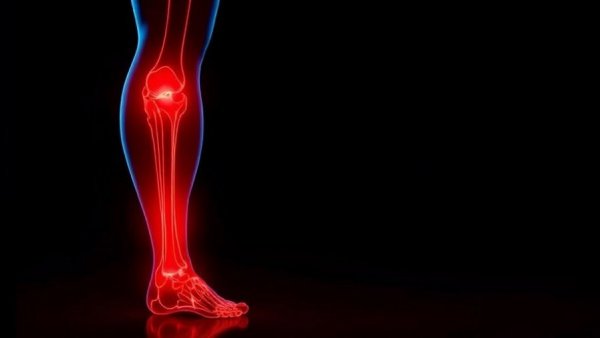
Knee osteoarthritis (OA) has emerged as a significant public health concern, affecting millions worldwide. Characterized by joint pain and progressive degeneration, its complex causal factors lead to functional decline and substantial disability. Recent research emphasizes a shift in management strategies toward evidence-based non-pharmacological interventions, which are not only safer alternatives but also yield favorable outcomes compared to traditional pharmacotherapy. Among these, crenotherapy and structured exercise interventions are gaining recognition.
Understanding Crenotherapy: A Therapeutic Spa Experience
Crenotherapy involves utilizing mineral-rich thermal waters to provide symptomatic relief for various conditions, including knee osteoarthritis. Scientific studies indicate that crenotherapy can result in short-term pain relief, potentially through the modulation of neuroendocrine and inflammatory pathways.1 The combination of thermal effects and mineral content may serve to lower the pain threshold, making physical activity more tolerable. Preliminary mechanistic insights suggest that common mechanisms, such as enhanced local circulation and hormonal modulation, play pivotal roles in its efficacy.
Exercise: A Cornerstone of Osteoarthritis Management
On the other hand, structured physical exercise effectively improves joint stability, cardiovascular fitness, and neuromuscular control.2 Regular workouts elicit favorable anti-inflammatory responses, promoting the strengthening of surrounding musculature and overall joint function. By adhering to structured exercise regimens, individuals can also experience improvements in quality of life, thus addressing the holistic needs of those challenged by knee OA.
Combining Crenotherapy and Exercise: The Hypothesis
The innovative thought behind combining crenotherapy and exercise proposes that using them together may enhance the overall therapeutic result. The initial comfort provided by crenotherapy might encourage increased participation in physical exercise, reducing painful barriers. With reduced pain, individuals could engage more profoundly with exercise, potentially resulting in improved functional adaptations.3 However, while the concept is promising, the need for empirical evidence from controlled trials is pressing, as it remains unclear whether their effects are additive or indeed synergistic.
Research Gaps: The Call for Rigorous Trials
The current literature offers a robust physiological and conceptual foundation supporting the integration of these modalities; however, definitive studies focusing on their combined applications in therapy for knee OA are limited. Determining critical variables such as optimal timing, dosages, and population selection will be crucial in validating this integrated approach, along with comprehensive assessments of pain, functional abilities, and structural changes over time.4 As the global prevalence of OA is expected to rise, addressing these knowledge gaps is essential to advance multimodal rehabilitation strategies.
Future Directions and the Role of Telomere Science
As we explore the effects of these interventions on knee osteoarthritis, it’s also pertinent to consider the role of cellular aging, particularly through the lens of telomere biology. Research indicates that factors like exercise can positively influence telomere length and health, contributing to a reduction in the aging process at the cellular level.5 Insights from telomere research show that physical health and biological resilience are interconnected. Therefore, intertwining physical rehabilitation approaches with telomere-supporting strategies could yield synergistic benefits.
Conclusion: Moving Towards Evidence-Based Practice
The integration of crenotherapy and structured exercise presents an exciting frontier in the management of knee osteoarthritis, particularly as the burden of this condition becomes more pronounced. Immediate attention must be directed toward rigorous clinical trials that can establish clear protocols for the effective use of these complementary therapies. As the scientific community delves further into this collaborative approach, the potential benefits could not only transform individual patient outcomes but enhance the broader landscape of OA management.













Write A Comment