
Longevity Thrive
update
Longevity Thrive
Thriving Health For Thriving Life
update
  • Home
  • Categories
    • Cell Renewal
    • Telomere Science
    • Supplement Guide
    • Diet Protocols
    • Expert Insights
    • Biohacking Tips
    • Research Updates
November 11.2026
3 Minutes Read

Exploring the Astrocyte's Role in Aβ-Induced Tauopathy and Aging

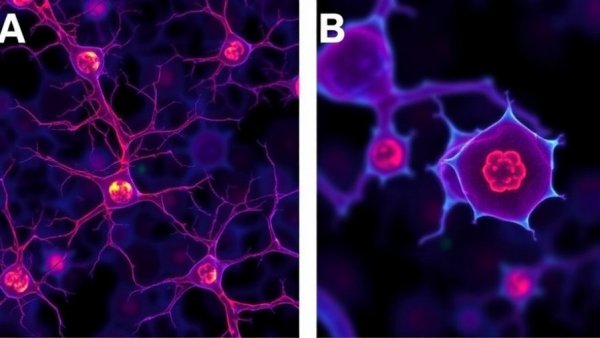
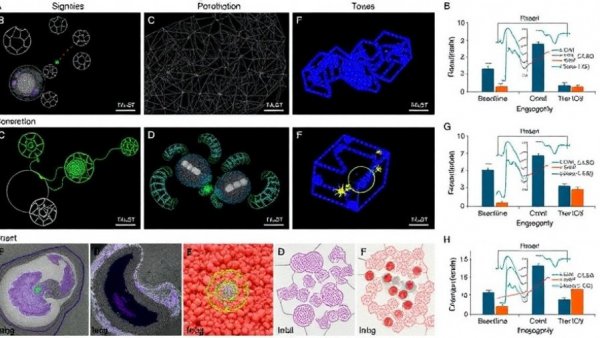
Astrocyte-independent Aβ-induced tauopathy in a 3D culture model of Alzheimer’s disease

Unraveling the Role of Astrocytes in Alzheimer’s Disease

Alzheimer's disease (AD) poses a significant challenge to aging populations worldwide. The role of astrocytes, the brain's most abundant glial cells, has emerged as a pivotal factor in the complex pathology associated with AD. Recent research utilizing three-dimensional (3D) culture models has begun to clarify the functional contributions of astrocytes to amyloid-β (Aβ)-induced tauopathy. Particularly, astrocytes appear to exhibit a dual role: protecting neuronal health under normal conditions while also potentially exacerbating Aβ toxicity under pathological circumstances.

Understanding Neuroinflammation and its Connection to Aβ Pathology

Astrocytes become reactive in response to injury or disease, undergoing a transformation that may promote neuroinflammation—an essential element in AD development. This reactivity has been documented extensively, illustrating a spectrum of responses from support to hindrance in neuronal functions, depending on the context of the inflammatory environment. In a comprehensive study involving astrocyte ablation, it was shown that depleted astrocyte support leads to increased Aβ accumulation and tau phosphorylation, specifically at Thr231, suggesting their protective role. The enhancement of Aβ40 levels in astrocyte-deficient models underscores the complex relationship between glial health and the neurodegenerative process. Conversely, when astrocytes are stimulated with inflammatory factors such as TNF-α and IL-1α, they begin to release pro-inflammatory cytokines, exacerbating overall Aβ pathology without significantly altering tau phosphorylation. This indicates that the timing and nature of astrocyte reactions can significantly influence disease progression.

Potential Mechanisms: ERK Signaling and Cytotoxicity

The research detailed the influence of the MAPK/ERK signaling pathway in mediating astrocyte reactions to neuroinflammatory stimuli. Activation of this pathway is associated with increased lactate dehydrogenase (LDH) release—a marker of cytotoxicity. While inhibiting ERK signaling showed beneficial effects on cellular health, it did not prevent the accumulation of Aβ, hinting at an intricate balance between astrocytic reactivity, neuronal toxicity, and Aβ levels. These insights encourage further exploration of molecular pathways that might be targeted for therapeutic interventions in AD. Understanding the specific roles of other signaling molecules involved in these pathways could provide additional avenues for addressing the neurodegenerative processes characteristic of AD.

The Implications of Reactive Astrocytes for Aging and Telomere Dynamics

The involvement of astrocytes in Alzheimer's pathology raises important questions about the implications for cellular aging and telomere dynamics. Recent studies have highlighted the connection between telomere shortening, aging, and the capacity of cells to respond to stress. As astrocytes become reactive, this could indicate a depletion of telomere length, impacting their functional capacity. Telomeres, the protective caps at the ends of chromosomes, play a vital role in cellular aging and contribute to overall neuronal health. Studying telomere biology in astrocytes could yield new strategies for maintaining brain health in aging populations. Furthermore, therapies aimed at telomere extension might not only serve to rejuvenate astrocyte function but could also mitigate the adverse effects of neuroinflammation.

Future Directions: Therapeutic Innovations and Biohacking

The findings pave the way for biohacking approaches aimed at rejuvenating astrocyte function and alleviating neuroinflammation. Given the rising interest in telomere research and maintenance strategies, integrating knowledge from Alzheimer’s studies into telomere biology may uncover new pathways for therapeutic intervention in neurodegenerative diseases. Strategies such as enhancing antioxidant defenses, exploring the role of diet in modulating astrocyte activity, and promoting overall brain health through lifestyle choices could be effective. Groundbreaking work in telomerase activation and DNA repair could transform how we approach both cellular rejuvenation and neurodegeneration treatment. As research evolves, innovative therapeutic interventions could emerge, offering hope not only for Alzheimer's but also for a range of age-related cognitive disorders.

Conclusion: Importance of Astrocytes in Aging Research

In summary, astrocytes are not just passive supporters of neuronal health; they play an active role in shaping the pathology of Alzheimer's disease through complex mechanisms involving Aβ accumulation and inflammatory responses. The intersection of astrocyte biology and aging processes—including telomere health—highlights a significant area for future research and therapeutic development, potentially offering innovative solutions for enhancing cognitive health and longevity. A continued focus on astrocytic function and pathology will undoubtedly lead to a deeper understanding of how to promote resilience in the aging brain and combat the growing incidence of neurodegenerative diseases.
Telomere Science

0 Views

0 Comments

Write A Comment

*
*
Please complete the captcha to submit your comment.
Related Posts All Posts
11.10.2026

Machine Learning Study Reveals Blood Pressure Phenotypes Impacting Kidney Health

Update Understanding the Link Between Blood Pressure and Kidney Health Diabetes significantly increases the risk of developing diabetic kidney disease (DKD), particularly compounded by the influence of blood pressure (BP) phenotypes. In a groundbreaking study analyzing 1,240 adults with diabetes from community health records in Shanghai, researchers made significant strides in identifying how specific blood pressure profiles correlate with the risk of concurrent DKD. By investigating these connections, health professionals can develop tailored interventions aimed at minimizing kidney-related complications in diabetic patients. The Role of Machine Learning in Medical Research This research utilized advanced machine learning techniques, a cutting-edge approach uncommon in traditional medical research. Machine learning allows for analyzing vast amounts of data to identify patterns, providing a clearer picture of how different BP phenotypes affect kidney function over time. As the field advances, this technology holds the promise of not only enhancing predictive capabilities but also personalizing treatment plans for managing diabetes and its health ramifications. A Deep Dive into Diabetic Kidney Disease Diabetic kidney disease remains a leading cause of end-stage renal failure, with around 40% of diabetics developing this condition. The study defined DKD based on Urinary Albumin-to-Creatinine Ratio (UACR) and estimated Glomerular Filtration Rate (eGFR), two critical metrics that indicate kidney performance. Specifically, a UACR of ≥30 mg/g or an eGFR below 60 mL/min/1.73 m² is a strong indicator of DKD risk, urging the need for early intervention strategies to mitigate kidney deterioration. Insights from the Study and Implications for Longevity Understanding the pathology of DKD through the lens of blood pressure variability can significantly shape preventative and therapeutic measures within the realm of health and nutrition. Maintaining optimal BP levels might help preserve telomere length, a crucial factor in cellular health and longevity. Telomeres, the protective caps on chromosome ends, tend to shorten with age, but maintaining cellular health, including kidney function, can promote longevity. Thus, the integration of telomere research and kidney health is essential. Moving Beyond Blood Pressure: The Cellular Perspective Incorporating insights on telomere biology and its implications for aging, health-conscious individuals are encouraged to consider how lifestyle choices affect not just BP but cellular rejuvenation. For instance, regularly engaging in physical activity and adhering to a diet rich in antioxidants may positively impact telomere length and overall well-being. The synergy between managing blood pressure and fostering chromosomal health could lead to improved longevity and vitality. Taking Action: Steps for Health Optimization The findings of the study not only highlight the complexities of managing diabetes but also the necessity for individuals to engage actively in their health journeys. Regular health screenings, attention to blood pressure, and a focus on maintaining telomere integrity through lifestyle adjustments are paramount. Health-conscious individuals should also consider incorporating telomere supplements into their diets, alongside engaging in practices that promote DNA repair and overall chromosomal health. In conclusion, as we advance our understanding of the intersection between blood pressure, kidney health, and cellular aging, there lies an opportunity for individuals to optimize their health through informed choices and proactive health management. Embracing this knowledge could be the key to sustaining vitality and enhancing longevity.

11.06.2026

Unlocking the Secrets of Longevity: The Role of Ergothioneine and Lipid Remodeling

Update New Insights into Longevity Interventions and Metabolomics Recent research has begun to uncover the metabolic pathways that underpin longevity interventions, providing a clearer understanding of how specific treatments contribute to healthier aging. Five validated interventions, including rapamycin and caloric restriction, were assessed in a study using male UM-HET3 mice. The findings demonstrate that these interventions not only extend lifespan but also trigger significant metabolic reprogramming across various tissues, highlighting the intricate connections between diet, pharmacotherapy, and cellular aging. Understanding the Metabolomic Profiles of Longevity The study utilized a sophisticated feature-stabilized XGBoost pipeline to analyze the metabolomic profiles of treated mice compared to their untreated counterparts. Findings revealed a striking ability to distinguish between the groups well before significant survival differences were observed. This early detection capability underscores the potential for metabolomic profiling to identify effective anti-aging therapies based on their metabolic impacts. Such advancements are critical as they offer a glimpse into how metabolic health can act as a reliable indicator of longevity, urging further exploration into personalized medicine approaches that utilize these findings. Key Metabolites: Ergothioneine and Lipid Remodeling Among the metabolites identified, ergothioneine emerged as particularly noteworthy. Elevated levels of this antioxidant were observed in plasma, brain, and muscle tissues across all longevity interventions, suggesting a common metabolic target. This raises important questions about the role of ergothioneine in promoting cellular health and mitigating age-related decline, potentially positioning it as a candidate for future supplementation strategies. Additionally, lipid remodeling patterns were prevalent, indicating that managing lipid profiles could facilitate healthier aging processes. The correlation between lipid metabolism and longevity could guide dietary adjustments or pharmacological interventions aimed at reducing age-related diseases. The Relevance of Caloric Restriction in Aging Research Caloric restriction has long been recognized for its capacity to enhance lifespan and reduce the incidence of age-related diseases. The research supports previous findings by reinforcing caloric restriction as a critical player in metabolic adaptation. As a cornerstone of many longevity strategies, understanding how caloric intake influences systemic metabolism offers insight into practical dietary changes that could enhance resilience against aging. For health-conscious individuals, implementing even modest caloric restrictions while ensuring nutritional adequacy might deliver significant health benefits over time. The Future Outlook: Metabolomic Screening in Anti-Aging As we advance into an era focused on personalized medicine, the ability to screen for metabolic signatures associated with anti-aging interventions holds immense promise. The study's revelations could pave the way for metabolic profiling to inform the development of tailored therapies targeting longevity. Scientific data derived from such studies could potentially lead to the creation of biomarkers that specifically indicate successful metabolic adaptations in response to various interventions. Furthermore, integrating approaches such as telomere research and DNA repair processes could amplify our understanding of aging biology, offering a multi-faceted perspective on health optimization. Considerations for Health-Conscious Individuals For health-conscious individuals aged 30-55, this research emphasizes the significance of integrating science-backed insights into daily wellness practices. Whether exploring longevity-focused diets or considering supplements aimed at enhancing telomere health, understanding the metabolic mechanisms at play can empower informed choices that support vitality and longevity. Moreover, individuals should consider incorporating a diversity of foods rich in antioxidants, omega-3 fatty acids, and fiber, which contribute positively to lipid profiles and overall metabolic health. Conclusion: Embracing Longevity Through Metabolic Awareness As research continues to reveal the metabolic underpinnings of longevity, staying informed about emerging findings will enable individuals to harness the benefits of scientific insights. By prioritizing dietary interventions, exploring supplements that bolster ergothioneine levels, and engaging with ongoing telomere biology studies, it is possible to enhance healthspan and lifespan. The convergence of metabolomic research and practical lifestyle changes represents a pivotal opportunity for those seeking to optimize their longevity. Embracing these insights could contribute not only to a longer life but one that is notably more vibrant and fulfilling, characterized by sustained health and well-being.

11.05.2026

How Telomere Research Can Inform Healthcare Reform for Older Nigerians

Update Understanding Nigeria's Aging Population and Healthcare ChallengesNigeria, with its burgeoning population of older adults, is facing a crisis where the healthcare response does not match the increasing demand for age-appropriate services. Despite advancements in policy recognition—evidenced by legislative measures established between 2004 and 2022—many older adults experience disjointed services, insufficient financial protection, and major barriers to accessing care, which raises critical questions about the effectiveness of current systems.Comparative Innovations: Learning from AfricaInnovative health reforms in other African nations present valuable lessons for Nigeria. For instance, Zimbabwe’s Friendship Bench program emphasizes community engagement in mental health, which may serve as a model for building supportive peer networks among older adults. Similarly, South Africa’s peer support models and Ghana’s Community-Based Health Planning and Services catalyze participatory approaches that could be adapted to Nigerian contexts. These cases highlight the importance of local solutions over mere replication of foreign models, adapting learning fluidly to address Nigeria’s unique challenges.Evaluating Health Policy FrameworksThe analysis conducted using Wilson’s Health Policy Triangle reveals that the gaps between policy and practice result from interrelated factors across context, actors, content, and process. Limited engagement of older adults in governance processes, compounded by a lack of cohesive institutional responsibilities, results in fragmentation—a pattern evident in many resource-constrained healthcare systems. The need for a robust implementation framework is paramount to ensure that policies toward older adults translate into tangible improvements.Implications of Demographic PressuresDemographically, Nigeria is experiencing a significant aging trend, transforming health demands at both familial and governmental levels. As life expectancy rises, there’s a critical need to reassess resource allocation, prioritize long-term care models, and integrate primary healthcare focused on elder care. This reflects the pressing need for policymakers to recognize the implications of demographic transitions on both healthcare policy and societal structures.The Role of Telomere Research in AgingThe intersection of telomere biology and aging presents an illuminating avenue for understanding cellular rejuvenation in the context of aging populations. Research indicates that shorter telomeres are associated with increased morbidity and mortality in the elderly, underscoring the vitality of interventions aimed at telomerase activation and DNA repair mechanisms. Such insights could ultimately inform healthcare policies, prompting a broader discourse about the biological underpinnings of aging in the Nigerian context.Future Steps for Health Policy ReformFor effective healthcare reform targeted toward older adults in Nigeria, a multi-faceted approach is necessary. Collaborative mechanisms that integrate insights from aging research with participatory models will not only empower older individuals but also ensure their needs are prioritized in health agendas. The incorporation of robust research, such as telomere length studies, into health policies can enhance the scientific foundation for aging-related interventions, ultimately leading to supportive environments that facilitate better health outcomes.In conclusion, addressing the healthcare needs of Nigeria's older adults requires a concerted effort that draws on innovative practices observed across Africa while embracing the complex biological factors influencing aging. As experts and policymakers work together, the focus must remain on creating a cohesive, practical framework that ensures older adults are not only protected but flourish within Nigeria's evolving healthcare landscape.

cropper
update
Longevity Thrive
cropper
update

Longevity Thrive empowers individuals with science-backed insights, expert advice, and practical tools to optimize health, wellness, and longevity.

  • update
  • update
  • update
  • update
  • update
  • update
  • update
UPDATE

ABOUT US

Longevity Thrive is a media platform dedicated to providing science-backed insights, practical strategies, and the latest trends in health, wellness, and longevity. It empowers individuals to optimize their healthspan and live vibrant, fulfilling lives.

© 2026 Longevity Thrive All Rights Reserved. Harp Island Close, London, Brent NW100DF . Contact Us . Terms of Service . Privacy Policy

eyJjb21wYW55IjoiTG9uZ2V2aXR5IFRocml2ZSIsImFkZHJlc3MiOiJIYXJwIElzbGFuZCBDbG9zZSIsImNpdHkiOiJMb25kb24iLCJzdGF0ZSI6IkJyZW50IiwiemlwIjoiTlcxMDBERiIsImVtYWlsIjoibG9yZW5hc0BnZXRtaWxlcmlzbWFya2V0aW5nLmNvbSIsInRvcyI6IlBIQStQSE4wY205dVp6NDhaVzArVjJobGJpQjViM1VnYzJsbmJpMXBiaUIzYVhSb0lIVnpMQ0I1YjNVZ1lYSmxJR2RwZG1sdVp5WnVZbk53T3lCNWIzVnlJSEJsY20xcGMzTnBiMjRnWVc1a0lHTnZibk5sYm5RZ2RHOGdjMlZ1WkNCNWIzVWdaVzFoYVd3Z1lXNWtMMjl5SUZOTlV5QjBaWGgwSUcxbGMzTmhaMlZ6TGlCQ2VTQmphR1ZqYTJsdVp5QjBhR1VnVkdWeWJYTWdZVzVrSUVOdmJtUnBkR2x2Ym5NZ1ltOTRJR0Z1WkNCaWVTQnphV2R1YVc1bklHbHVJSGx2ZFNCaGRYUnZiV0YwYVdOaGJHeDVJR052Ym1acGNtMGdkR2hoZENCNWIzVWdZV05qWlhCMElHRnNiQ0IwWlhKdGN5QnBiaUIwYUdseklHRm5jbVZsYldWdWRDNDhMMlZ0UGp3dmMzUnliMjVuUGp3dmNENEtDanh3UGp4aElHaHlaV1k5SW1oMGRIQTZMeTkzZDNjdVoyOXZaMnhsTG1OdmJTSSthSFIwY0RvdkwzZDNkeTVuYjI5bmJHVXVZMjl0UEM5aFBqd3ZjRDRLQ2p4d1BpWnVZbk53T3p3dmNENEtDanh3UGp4emRISnZibWMrVTBWU1ZrbERSVHd2YzNSeWIyNW5Qand2Y0Q0S0NqeHdQbGRsSUhCeWIzWnBaR1VnWVNCelpYSjJhV05sSUhSb1lYUWdZM1Z5Y21WdWRHeDVJR0ZzYkc5M2N5QjViM1VnZEc4Z2NtVmpaV2wyWlNCeVpYRjFaWE4wY3lCbWIzSWdabVZsWkdKaFkyc3NJR052YlhCaGJua2dhVzVtYjNKdFlYUnBiMjRzSUhCeWIyMXZkR2x2Ym1Gc0lHbHVabTl5YldGMGFXOXVMQ0JqYjIxd1lXNTVJR0ZzWlhKMGN5d2dZMjkxY0c5dWN5d2daR2x6WTI5MWJuUnpJR0Z1WkNCdmRHaGxjaUJ1YjNScFptbGpZWFJwYjI1eklIUnZJSGx2ZFhJZ1pXMWhhV3dnWVdSa2NtVnpjeUJoYm1RdmIzSWdZMlZzYkhWc1lYSWdjR2h2Ym1VZ2IzSWdaR1YyYVdObExpQlpiM1VnZFc1a1pYSnpkR0Z1WkNCaGJtUWdZV2R5WldVZ2RHaGhkQ0IwYUdVZ1UyVnlkbWxqWlNCcGN5QndjbTkyYVdSbFpDQW1jWFZ2ZER0QlV5MUpVeVp4ZFc5ME95QmhibVFnZEdoaGRDQjNaU0JoYzNOMWJXVWdibThnY21WemNHOXVjMmxpYVd4cGRIa2dabTl5SUhSb1pTQjBhVzFsYkdsdVpYTnpMQ0JrWld4bGRHbHZiaXdnYldsekxXUmxiR2wyWlhKNUlHOXlJR1poYVd4MWNtVWdkRzhnYzNSdmNtVWdZVzU1SUhWelpYSWdZMjl0YlhWdWFXTmhkR2x2Ym5NZ2IzSWdjR1Z5YzI5dVlXeHBlbUYwYVc5dUlITmxkSFJwYm1kekxqd3ZjRDRLQ2p4d1BsbHZkU0JoY21VZ2NtVnpjRzl1YzJsaWJHVWdabTl5SUc5aWRHRnBibWx1WnlCaFkyTmxjM01nZEc4Z2RHaGxJRk5sY25acFkyVXNJR0Z1WkNCMGFHRjBJR0ZqWTJWemN5QnRZWGtnYVc1MmIyeDJaU0IwYUdseVpDMXdZWEowZVNCbVpXVnpJQ2h6ZFdOb0lHRnpJRk5OVXlCMFpYaDBJRzFsYzNOaFoyVnpMQ0JKYm5SbGNtNWxkQ0J6WlhKMmFXTmxJSEJ5YjNacFpHVnlJRzl5SUdObGJHeDFiR0Z5SUdGcGNuUnBiV1VnWTJoaGNtZGxjeWt1SUZsdmRTQmhjbVVnY21WemNHOXVjMmxpYkdVZ1ptOXlJSFJvYjNObElHWmxaWE1zSUdsdVkyeDFaR2x1WnlCMGFHOXpaU0JtWldWeklHRnpjMjlqYVdGMFpXUWdkMmwwYUNCMGFHVWdaR2x6Y0d4aGVTQnZjaUJrWld4cGRtVnllU0J2WmlCbFlXTm9JRk5OVXlCMFpYaDBJRzFsYzNOaFoyVWdkMlVnYzJWdVpDQjBieUI1YjNVdUlFbHVJR0ZrWkdsMGFXOXVMQ0I1YjNVZ2JYVnpkQ0J3Y205MmFXUmxJR0Z1WkNCaGNtVWdjbVZ6Y0c5dWMybGliR1VnWm05eUlHRnNiQ0JsY1hWcGNHMWxiblFnYm1WalpYTnpZWEo1SUhSdklHRmpZMlZ6Y3lCMGFHVWdVMlZ5ZG1salpTQmhibVFnY21WalpXbDJaU0IwYUdVZ1UwMVRJSFJsZUhRZ2JXVnpjMkZuWlhNdUlGZGxJR1J2SUc1dmRDQmphR0Z5WjJVZ1lXNTVJR1psWlhNZ1ptOXlJSFJvWlNCa1pXeHBkbVZ5ZVNCdlppQmxiV0ZwYkNCdmNpQlRUVk11SUZSb2FYTWdhWE1nWVNCbWNtVmxJSE5sY25acFkyVWdkMlVnY0hKdmRtbGtaUzRnU0c5M1pYWmxjaXdnY0d4bFlYTmxJR05vWldOcklIZHBkR2dnZVc5MWNpQnBiblJsY201bGRDQnpaWEoyYVdObElIQnliM1pwWkdWeUlHRnVaQ0JqWld4c2RXeGhjaUJqWVhKeWFXVnlJR1p2Y2lCaGJua2dZMmhoY21kbGN5QjBhR0YwSUhsdmRTQnRZWGtnYVc1amRYSWdZWE1nWVNCeVpYTjFiSFFnYjJZZ2NtVmpaV2wyYVc1bklHVnRZV2xzSUdGdVpDQlRUVk1nZEdWNGRDQnRaWE56WVdkbGN5QjBhR0YwSUhkbElHUmxiR2wyWlhJZ2RYQnZiaUI1YjNWeUlHOXdkQzFwYmlCaGJtUWdjbVZuYVhOMGNtRjBhVzl1SUhkcGRHZ2diM1Z5SUdWdFlXbHNJR0Z1WkNCVFRWTWdjMlZ5ZG1salpYTXVJRmx2ZFNCallXNGdZMkZ1WTJWc0lHRjBJR0Z1ZVNCMGFXMWxMaUJLZFhOMElIUmxlSFFnSm5GMWIzUTdVMVJQVUNaeGRXOTBPeUIwYnladVluTndPenhvYVdkb2JHbG5hSFFnWTJ4aGMzTTlJbU52YlhCaGJubFRUVk5RYUc5dVpWVndaR0YwWlNJK2JuVnNiRHd2YUdsbmFHeHBaMmgwUGk0Z1FXWjBaWElnZVc5MUlITmxibVFnZEdobElGTk5VeUJ0WlhOellXZGxJQ1p4ZFc5ME8xTlVUMUFtY1hWdmREc2dkRzhnZFhNc0lIZGxJSGRwYkd3Z2MyVnVaQ0I1YjNVZ1lXNGdVMDFUSUcxbGMzTmhaMlVnZEc4Z1kyOXVabWx5YlNCMGFHRjBJSGx2ZFNCb1lYWmxJR0psWlc0Z2RXNXpkV0p6WTNKcFltVmtMaUJCWm5SbGNpQjBhR2x6TENCNWIzVWdkMmxzYkNCdWJ5QnNiMjVuWlhJZ2NtVmpaV2wyWlNCVFRWTWdiV1Z6YzJGblpYTWdabkp2YlNCMWN5NDhMM0ErQ2dvOGNENDhjM1J5YjI1blBsbFBWVklnVWtWSFNWTlVVa0ZVU1U5T0lFOUNURWxIUVZSSlQwNVRQQzl6ZEhKdmJtYytQQzl3UGdvS1BIQStTVzRnWTI5dWMybGtaWEpoZEdsdmJpQnZaaUI1YjNWeUlIVnpaU0J2WmlCMGFHVWdVMlZ5ZG1salpTd2dlVzkxSUdGbmNtVmxJSFJ2T2p3dmNENEtDanh2YkQ0S0NUeHNhVDV3Y205MmFXUmxJSFJ5ZFdVc0lHRmpZM1Z5WVhSbExDQmpkWEp5Wlc1MElHRnVaQ0JqYjIxd2JHVjBaU0JwYm1admNtMWhkR2x2YmlCaFltOTFkQ0I1YjNWeWMyVnNaaUJoY3lCd2NtOXRjSFJsWkNCaWVTQjBhR1VnVTJWeWRtbGpaU1lqTXprN2N5QnlaV2RwYzNSeVlYUnBiMjRnWm05eWJTQW9jM1ZqYUNCcGJtWnZjbTFoZEdsdmJpQmlaV2x1WnlCMGFHVWdKbkYxYjNRN1VtVm5hWE4wY21GMGFXOXVJRVJoZEdFbWNYVnZkRHNwSUdGdVpEd3ZiR2srQ2drOGJHaytiV0ZwYm5SaGFXNGdZVzVrSUhCeWIyMXdkR3g1SUhWd1pHRjBaU0IwYUdVZ1VtVm5hWE4wY21GMGFXOXVJRVJoZEdFZ2RHOGdhMlZsY0NCcGRDQjBjblZsTENCaFkyTjFjbUYwWlN3Z1kzVnljbVZ1ZENCaGJtUWdZMjl0Y0d4bGRHVXVJRWxtSUhsdmRTQndjbTkyYVdSbElHRnVlU0JwYm1admNtMWhkR2x2YmlCMGFHRjBJR2x6SUhWdWRISjFaU3dnYVc1aFkyTjFjbUYwWlN3Z2JtOTBJR04xY25KbGJuUWdiM0lnYVc1amIyMXdiR1YwWlN3Z2IzSWdkMlVnYUdGMlpTQnlaV0Z6YjI1aFlteGxJR2R5YjNWdVpITWdkRzhnYzNWemNHVmpkQ0IwYUdGMElITjFZMmdnYVc1bWIzSnRZWFJwYjI0Z2FYTWdkVzUwY25WbExDQnBibUZqWTNWeVlYUmxMQ0J1YjNRZ1kzVnljbVZ1ZENCdmNpQnBibU52YlhCc1pYUmxMQ0IzWlNCb1lYWmxJSFJvWlNCeWFXZG9kQ0IwYnlCemRYTndaVzVrSUc5eUlEeHpkSEp2Ym1jK1BITndZVzRnYzNSNWJHVTlJbU52Ykc5eU9pTkdSakF3TURBN0lqNTBaWEp0YVc1aGRHVWdlVzkxY2lCaFkyTnZkVzUwTDNCeWIyWnBiR1VnWVc1a0lISmxablZ6WlNCaGJua2dZVzVrSUdGc2JDQmpkWEp5Wlc1MElHOXlJR1oxZEhWeVpTQjFjMlVnYjJZZ2RHaGxJRk5sY25acFkyVWdLRzl5SUdGdWVTQndiM0owYVc5dUlIUm9aWEpsYjJZcExqd3ZjM0JoYmo0OEwzTjBjbTl1Wno0OEwyeHBQZ284TDI5c1Bnb0tQSEErSm01aWMzQTdQQzl3UGdvOGFHbG5hR3hwWjJoMElHTnNZWE56UFNKamIyMXdZVzU1VG1GdFpWVndaR0YwWlNJK1RHOXVaMlYyYVhSNUlGUm9jbWwyWlR3dmFHbG5hR3hwWjJoMFBqeGljaUF2UGdvOGFHbG5hR3hwWjJoMElHTnNZWE56UFNKamIyMXdZVzU1UVdSa2NtVnpjMVZ3WkdGMFpTSStTR0Z5Y0NCSmMyeGhibVFnUTJ4dmMyVXNJRXh2Ym1SdmJpd2dRbkpsYm5RZ1RsY3hNREJFUmp3dmFHbG5hR3hwWjJoMFBqeGljaUF2UGdvOGFHbG5hR3hwWjJoMElHTnNZWE56UFNKamIyMXdZVzU1VUdodmJtVlZjR1JoZEdVaVBpczBORGM0TlRZMU5UQXdNelU4TDJocFoyaHNhV2RvZEQ0OFluSWdMejRLUEdocFoyaHNhV2RvZENCamJHRnpjejBpWTI5dGNHRnVlVVZ0WVdsc1ZYQmtZWFJsSWo1c2IzSmxibUZ6UUdkbGRHMXBiR1Z5YVhOdFlYSnJaWFJwYm1jdVkyOXRQQzlvYVdkb2JHbG5hSFErIiwicHJpdmFjeSI6IlBIQStQSE4wY205dVp6NVFVa2xXUVVOWlBDOXpkSEp2Ym1jK1BDOXdQZ29LUEhBK1BITjBjbTl1Wno1VWFHVWdhVzVtYjNKdFlYUnBiMjRnY0hKdmRtbGtaV1FnWkhWeWFXNW5JSFJvYVhNZ2NtVm5hWE4wY21GMGFXOXVJR2x6SUd0bGNIUWdjSEpwZG1GMFpTQmhibVFnWTI5dVptbGtaVzUwYVdGc0xDQmhibVFnZDJsc2JDQnVaWFpsY2lCaVpTQmthWE4wY21saWRYUmxaQ3dnWTI5d2FXVmtMQ0J6YjJ4a0xDQjBjbUZrWldRZ2IzSWdjRzl6ZEdWa0lHbHVJR0Z1ZVNCM1lYa3NJSE5vWVhCbElHOXlJR1p2Y20wdUlGUm9hWE1nYVhNZ2IzVnlJR2QxWVhKaGJuUmxaUzQ4TDNOMGNtOXVaejQ4TDNBK0NnbzhjRDQ4YzNSeWIyNW5Qa2xPUkVWTlRrbFVXVHd2YzNSeWIyNW5Qand2Y0Q0S0NqeHdQanhsYlQ1WmIzVWdZV2R5WldVZ2RHOGdhVzVrWlcxdWFXWjVJR0Z1WkNCb2IyeGtJSFZ6TENCaGJtUWdhWFJ6SUhOMVluTnBaR2xoY21sbGN5d2dZV1ptYVd4cFlYUmxjeXdnYjJabWFXTmxjbk1zSUdGblpXNTBjeXdnWTI4dFluSmhibVJsY25NZ2IzSWdiM1JvWlhJZ2NHRnlkRzVsY25Nc0lHRnVaQ0JsYlhCc2IzbGxaWE1zSUdoaGNtMXNaWE56SUdaeWIyMGdZVzU1SUdOc1lXbHRJRzl5SUdSbGJXRnVaQ3dnYVc1amJIVmthVzVuSUhKbFlYTnZibUZpYkdVZ1lYUjBiM0p1WlhsekppTXpPVHNnWm1WbGN5d2diV0ZrWlNCaWVTQmhibmtnZEdocGNtUWdjR0Z5ZEhrZ1pIVmxJSFJ2SUc5eUlHRnlhWE5wYm1jZ2IzVjBJRzltSUVOdmJuUmxiblFnZVc5MUlISmxZMlZwZG1Vc0lITjFZbTFwZEN3Z2NtVndiSGtzSUhCdmMzUXNJSFJ5WVc1emJXbDBJRzl5SUcxaGEyVWdZWFpoYVd4aFlteGxJSFJvY205MVoyZ2dkR2hsSUZObGNuWnBZMlVzSUhsdmRYSWdkWE5sSUc5bUlIUm9aU0JUWlhKMmFXTmxMQ0I1YjNWeUlHTnZibTVsWTNScGIyNGdkRzhnZEdobElGTmxjblpwWTJVc0lIbHZkWElnZG1sdmJHRjBhVzl1SUc5bUlIUm9aU0JVVDFNc0lHOXlJSGx2ZFhJZ2RtbHZiR0YwYVc5dUlHOW1JR0Z1ZVNCeWFXZG9kSE1nYjJZZ1lXNXZkR2hsY2k0OEwyVnRQand2Y0Q0S0NqeHdQanh6ZEhKdmJtYytSRWxUUTB4QlNVMUZVaUJQUmlCWFFWSlNRVTVVU1VWVFBDOXpkSEp2Ym1jK1BDOXdQZ29LUEhBK1BITjBjbTl1Wno1WlQxVWdSVmhRVWtWVFUweFpJRlZPUkVWU1UxUkJUa1FnUVU1RUlFRkhVa1ZGSUZSSVFWUTZQQzl6ZEhKdmJtYytQQzl3UGdvS1BHOXNQZ29KUEd4cFBsbFBWVklnVlZORklFOUdJRlJJUlNCVFJWSldTVU5GSUVsVElFRlVJRmxQVlZJZ1UwOU1SU0JTU1ZOTExpQlVTRVVnVTBWU1ZrbERSU0JKVXlCUVVrOVdTVVJGUkNCUFRpQkJUaUFtY1hWdmREdEJVeUJKVXlaeGRXOTBPeUJCVGtRZ0puRjFiM1E3UVZNZ1FWWkJTVXhCUWt4RkpuRjFiM1E3SUVKQlUwbFRMaUFzTGlCQlRrUWdWVk1zSUVsVUppTXpPVHRUSUVOVlUxUlBUVVZTVXl3Z1JWaFFVa1ZUVTB4WklFUkpVME5NUVVsTlV5QkJURXdnVjBGU1VrRk9WRWxGVXlCUFJpQkJUbGtnUzBsT1JDd2dWMGhGVkVoRlVpQkZXRkJTUlZOVElFOVNJRWxOVUV4SlJVUXNJRWxPUTB4VlJFbE9SeXdnUWxWVUlFNVBWQ0JNU1UxSlZFVkVJRlJQSUZSSVJTQkpUVkJNU1VWRUlGZEJVbEpCVGxSSlJWTWdUMFlnVFVWU1EwaEJUbFJCUWtsTVNWUlpMQ0JHU1ZST1JWTlRJRVpQVWlCQklGQkJVbFJKUTFWTVFWSWdVRlZTVUU5VFJTQkJUa1FnVGs5T0xVbE9SbEpKVGtkRlRVVk9WQzQ4TDJ4cFBnb0pQR3hwUGsxQlMwVlRJRTVQSUZkQlVsSkJUbFJaSUZSSVFWUWdLR2twSUZSSVJTQlRSVkpXU1VORklGZEpURXdnVFVWRlZDQlpUMVZTSUZKRlVWVkpVa1ZOUlU1VVV5d2dLR2xwS1NCVVNFVWdVMFZTVmtsRFJTQlhTVXhNSUVKRklGVk9TVTVVUlZKU1ZWQlVSVVFzSUZSSlRVVk1XU3dnVTBWRFZWSkZMQ0JQVWlCRlVsSlBVaTFHVWtWRkxDQW9hV2xwS1NCVVNFVWdVa1ZUVlV4VVV5QlVTRUZVSUUxQldTQkNSU0JQUWxSQlNVNUZSQ0JHVWs5TklGUklSU0JWVTBVZ1QwWWdWRWhGSUZORlVsWkpRMFVnVjBsTVRDQkNSU0JCUTBOVlVrRlVSU0JQVWlCU1JVeEpRVUpNUlN3Z1FVNUVJQ2hwZGlrZ1FVNVpJRVZTVWs5U1V5QkpUaUJVU0VVZ1UwOUdWRmRCVWtVZ1YwbE1UQ0JDUlNCRFQxSlNSVU5VUlVRdVBDOXNhVDRLQ1R4c2FUNUJUbGtnVFVGVVJWSkpRVXdnUkU5WFRreFBRVVJGUkNCUFVpQlBWRWhGVWxkSlUwVWdUMEpVUVVsT1JVUWdWRWhTVDFWSFNDQlVTRVVnVlZORklFOUdJRlJJUlNCVFJWSldTVU5GSUVsVElFUlBUa1VnUVZRZ1dVOVZVaUJQVjA0Z1JFbFRRMUpGVkVsUFRpQkJUa1FnVWtsVFN5QkJUa1FnVkVoQlZDQlpUMVVnVjBsTVRDQkNSU0JUVDB4RlRGa2dVa1ZUVUU5T1UwbENURVVnUms5U0lFRk9XU0JFUVUxQlIwVWdWRThnV1U5VlVpQkRUMDFRVlZSRlVpQlRXVk5VUlUwZ1QxSWdURTlUVXlCUFJpQkVRVlJCSUZSSVFWUWdVa1ZUVlV4VVV5QkdVazlOSUZSSVJTQkVUMWRPVEU5QlJDQlBSaUJCVGxrZ1UxVkRTQ0JOUVZSRlVrbEJUQzQ4TDJ4cFBnb0pQR3hwUGs1UElFRkVWa2xEUlNCUFVpQkpUa1pQVWsxQlZFbFBUaXdnVjBoRlZFaEZVaUJQVWtGTUlFOVNJRmRTU1ZSVVJVNHNJRTlDVkVGSlRrVkVJRUpaSUZsUFZTQkdVazlOSUU5U0lGUklVazlWUjBnZ1QxSWdSbEpQVFNCVVNFVWdVMFZTVmtsRFJTQlRTRUZNVENCRFVrVkJWRVVnUVU1WklGZEJVbEpCVGxSWklFNVBWQ0JGV0ZCU1JWTlRURmtnVTFSQlZFVkVJRWxPSUZSSVJTQlVUMU11UEM5c2FUNEtQQzl2YkQ0S0NqeHdQanh6ZEhKdmJtYytURWxOU1ZSQlZFbFBUaUJQUmlCTVNVRkNTVXhKVkZrOEwzTjBjbTl1Wno0OEwzQStDZ284Y0Q1WlQxVWdSVmhRVWtWVFUweFpJRlZPUkVWU1UxUkJUa1FnUVU1RUlFRkhVa1ZGSUZSSVFWUWdRVTVFSUZOSVFVeE1JRTVQVkNCQ1JTQk1TVUZDVEVVZ1JrOVNJRUZPV1NCRVNWSkZRMVFzSUVsT1JFbFNSVU5VTENCSlRrTkpSRVZPVkVGTUxDQlRVRVZEU1VGTUxDQkRUMDVUUlZGVlJVNVVTVUZNSUU5U0lFVllSVTFRVEVGU1dTQkVRVTFCUjBWVExDQkpUa05NVlVSSlRrY2dRbFZVSUU1UFZDQk1TVTFKVkVWRUlGUlBMQ0JFUVUxQlIwVlRJRVpQVWlCTVQxTlRJRTlHSUZCU1QwWkpWRk1zSUVkUFQwUlhTVXhNTENCVlUwVXNJRVJCVkVFZ1QxSWdUMVJJUlZJZ1NVNVVRVTVIU1VKTVJTQk1UMU5UUlZNZ0tFVldSVTRnU1VZZ1NFRlRJRUpGUlU0Z1FVUldTVk5GUkNCUFJpQlVTRVVnVUU5VFUwbENTVXhKVkZrZ1QwWWdVMVZEU0NCRVFVMUJSMFZUS1N3Z1VrVlRWVXhVU1U1SElFWlNUMDA2UEM5d1Bnb0tQRzlzUGdvSlBHeHBQbFJJUlNCVlUwVWdUMUlnVkVoRklFbE9RVUpKVEVsVVdTQlVUeUJWVTBVZ1ZFaEZJRk5GVWxaSlEwVTdQQzlzYVQ0S0NUeHNhVDVVU0VVZ1EwOVRWQ0JQUmlCUVVrOURWVkpGVFVWT1ZDQlBSaUJUVlVKVFZFbFVWVlJGSUVkUFQwUlRJRUZPUkNCVFJWSldTVU5GVXlCU1JWTlZURlJKVGtjZ1JsSlBUU0JCVGxrZ1IwOVBSRk1zSUVSQlZFRXNJRWxPUms5U1RVRlVTVTlPSUU5U0lGTkZVbFpKUTBWVElGQlZVa05JUVZORlJDQlBVaUJQUWxSQlNVNUZSQ0JQVWlCTlJWTlRRVWRGVXlCU1JVTkZTVlpGUkNCUFVpQlVVa0ZPVTBGRFZFbFBUbE1nUlU1VVJWSkZSQ0JKVGxSUElGUklVazlWUjBnZ1QxSWdSbEpQVFNCVVNFVWdVMFZTVmtsRFJUczhMMnhwUGdvSlBHeHBQbFZPUVZWVVNFOVNTVnBGUkNCQlEwTkZVMU1nVkU4Z1QxSWdRVXhVUlZKQlZFbFBUaUJQUmlCWlQxVlNJRlJTUVU1VFRVbFRVMGxQVGxNZ1QxSWdSRUZVUVRzOEwyeHBQZ29KUEd4cFBsTlVRVlJGVFVWT1ZGTWdUMUlnUTA5T1JGVkRWQ0JQUmlCQlRsa2dWRWhKVWtRZ1VFRlNWRmtnVDA0Z1ZFaEZJRk5GVWxaSlEwVTdJRTlTUEM5c2FUNEtDVHhzYVQ1QlRsa2dUMVJJUlZJZ1RVRlVWRVZTSUZKRlRFRlVTVTVISUZSUElGUklSU0JUUlZKV1NVTkZMand2YkdrK0Nqd3ZiMncrQ2dvOGNENDhkVDVDZVNCeVpXZHBjM1JsY21sdVp5QmhibVFnYzNWaWMyTnlhV0pwYm1jZ2RHOGdiM1Z5SUdWdFlXbHNJR0Z1WkNCVFRWTWdjMlZ5ZG1salpTd2dZbmtnYjNCMExXbHVMQ0J2Ym14cGJtVWdjbVZuYVhOMGNtRjBhVzl1SUc5eUlHSjVJR1pwYkd4cGJtY2diM1YwSUdFZ1kyRnlaQ3dnSm5GMWIzUTdlVzkxSUdGbmNtVmxJSFJ2SUhSb1pYTmxJRlJGVWsxVElFOUdJRk5GVWxaSlEwVW1jWFZ2ZERzZ1lXNWtJSGx2ZFNCaFkydHViM2RzWldSblpTQmhibVFnZFc1a1pYSnpkR0Z1WkNCMGFHVWdZV0p2ZG1VZ2RHVnliWE1nYjJZZ2MyVnlkbWxqWlNCdmRYUnNhVzVsWkNCaGJtUWdaR1YwWVdsc1pXUWdabTl5SUhsdmRTQjBiMlJoZVM0OEwzVStQQzl3UGdvS1BIQStKbTVpYzNBN1BDOXdQZ284YUdsbmFHeHBaMmgwSUdOc1lYTnpQU0pqYjIxd1lXNTVUbUZ0WlZWd1pHRjBaU0krVEc5dVoyVjJhWFI1SUZSb2NtbDJaVHd2YUdsbmFHeHBaMmgwUGp4aWNpQXZQZ284YUdsbmFHeHBaMmgwSUdOc1lYTnpQU0pqYjIxd1lXNTVRV1JrY21WemMxVndaR0YwWlNJK1NHRnljQ0JKYzJ4aGJtUWdRMnh2YzJVc0lFeHZibVJ2Yml3Z1FuSmxiblFnVGxjeE1EQkVSand2YUdsbmFHeHBaMmgwUGp4aWNpQXZQZ284YUdsbmFHeHBaMmgwSUdOc1lYTnpQU0pqYjIxd1lXNTVVR2h2Ym1WVmNHUmhkR1VpUGlzME5EYzROVFkxTlRBd016VThMMmhwWjJoc2FXZG9kRDQ4WW5JZ0x6NEtQR2hwWjJoc2FXZG9kQ0JqYkdGemN6MGlZMjl0Y0dGdWVVVnRZV2xzVlhCa1lYUmxJajVzYjNKbGJtRnpRR2RsZEcxcGJHVnlhWE50WVhKclpYUnBibWN1WTI5dFBDOW9hV2RvYkdsbmFIUSsifQ==

Terms of Service

Privacy Policy

Core Modal Title

Sorry, no results found

You Might Find These Articles Interesting

T
Please Check Your Email
We Will Be Following Up Shortly
*
*
*