


New Insights into Longevity Interventions and Metabolomics
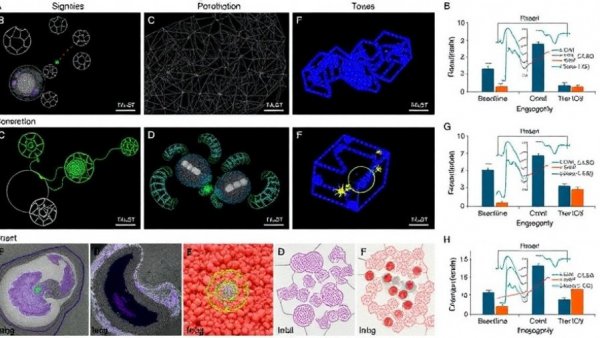
Recent research has begun to uncover the metabolic pathways that underpin longevity interventions, providing a clearer understanding of how specific treatments contribute to healthier aging. Five validated interventions, including rapamycin and caloric restriction, were assessed in a study using male UM-HET3 mice. The findings demonstrate that these interventions not only extend lifespan but also trigger significant metabolic reprogramming across various tissues, highlighting the intricate connections between diet, pharmacotherapy, and cellular aging.
Understanding the Metabolomic Profiles of Longevity
The study utilized a sophisticated feature-stabilized XGBoost pipeline to analyze the metabolomic profiles of treated mice compared to their untreated counterparts. Findings revealed a striking ability to distinguish between the groups well before significant survival differences were observed. This early detection capability underscores the potential for metabolomic profiling to identify effective anti-aging therapies based on their metabolic impacts. Such advancements are critical as they offer a glimpse into how metabolic health can act as a reliable indicator of longevity, urging further exploration into personalized medicine approaches that utilize these findings.
Key Metabolites: Ergothioneine and Lipid Remodeling
Among the metabolites identified, ergothioneine emerged as particularly noteworthy. Elevated levels of this antioxidant were observed in plasma, brain, and muscle tissues across all longevity interventions, suggesting a common metabolic target. This raises important questions about the role of ergothioneine in promoting cellular health and mitigating age-related decline, potentially positioning it as a candidate for future supplementation strategies. Additionally, lipid remodeling patterns were prevalent, indicating that managing lipid profiles could facilitate healthier aging processes. The correlation between lipid metabolism and longevity could guide dietary adjustments or pharmacological interventions aimed at reducing age-related diseases.
The Relevance of Caloric Restriction in Aging Research
Caloric restriction has long been recognized for its capacity to enhance lifespan and reduce the incidence of age-related diseases. The research supports previous findings by reinforcing caloric restriction as a critical player in metabolic adaptation. As a cornerstone of many longevity strategies, understanding how caloric intake influences systemic metabolism offers insight into practical dietary changes that could enhance resilience against aging. For health-conscious individuals, implementing even modest caloric restrictions while ensuring nutritional adequacy might deliver significant health benefits over time.
The Future Outlook: Metabolomic Screening in Anti-Aging
As we advance into an era focused on personalized medicine, the ability to screen for metabolic signatures associated with anti-aging interventions holds immense promise. The study's revelations could pave the way for metabolic profiling to inform the development of tailored therapies targeting longevity. Scientific data derived from such studies could potentially lead to the creation of biomarkers that specifically indicate successful metabolic adaptations in response to various interventions. Furthermore, integrating approaches such as telomere research and DNA repair processes could amplify our understanding of aging biology, offering a multi-faceted perspective on health optimization.
Considerations for Health-Conscious Individuals
For health-conscious individuals aged 30-55, this research emphasizes the significance of integrating science-backed insights into daily wellness practices. Whether exploring longevity-focused diets or considering supplements aimed at enhancing telomere health, understanding the metabolic mechanisms at play can empower informed choices that support vitality and longevity. Moreover, individuals should consider incorporating a diversity of foods rich in antioxidants, omega-3 fatty acids, and fiber, which contribute positively to lipid profiles and overall metabolic health.
Conclusion: Embracing Longevity Through Metabolic Awareness
As research continues to reveal the metabolic underpinnings of longevity, staying informed about emerging findings will enable individuals to harness the benefits of scientific insights. By prioritizing dietary interventions, exploring supplements that bolster ergothioneine levels, and engaging with ongoing telomere biology studies, it is possible to enhance healthspan and lifespan. The convergence of metabolomic research and practical lifestyle changes represents a pivotal opportunity for those seeking to optimize their longevity. Embracing these insights could contribute not only to a longer life but one that is notably more vibrant and fulfilling, characterized by sustained health and well-being.













Write A Comment