


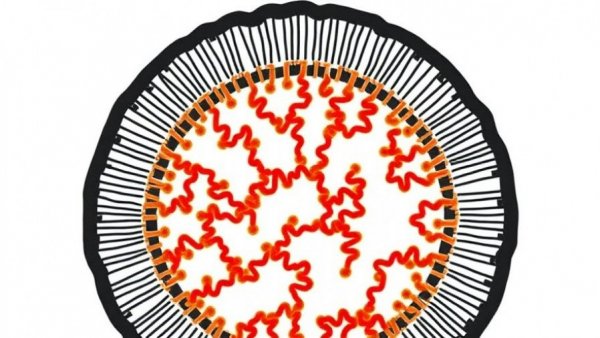
Understanding Telomeres: The Guardians of our Chromosomal Integrity
Telomeres are protective structures at the ends of chromosomes that play a vital role in maintaining genomic stability. Composed of repetitive DNA sequences, specifically the 5′-TTAGGG-3′ repeat, they are crucial in preventing chromosomes from being recognized as broken DNA by cellular repair mechanisms. Their unique composition allows them to form a protective 'cap' known as the T-loop, which is necessary to prevent unwarranted active repair mechanisms and maintain functional chromosome ends.
The Role of TERRA: The Double-Edged Sword
Recent studies highlight the significant role of telomeric repeat-containing RNA (TERRA) in telomere biology. TERRA not only participates in telomere maintenance but also contributes to the formation of R-loops, structures that can disrupt normal replication processes—known as transcription-replication conflicts (TRCs). While TERRA assists in the regulation of telomere length, persistent R-loops can hinder replication fork movement, leading to genomic stress and instability.
This dual role of TERRA emphasizes the complexity of telomere biology. On one hand, TERRA is essential for telomeric stability; on the other, its propensity to form R-loops can pose significant threats to genomic integrity, particularly in rapidly dividing cells. For health-conscious individuals, understanding this balance is critical, as aberrant telomere dynamics may contribute to various age-related diseases and conditions.
The Impact of Telomeric R-loops on Cancer Progression
Cancer cells exploit the very mechanisms that lead to telomere shortening for their survival. In cells utilizing alternative lengthening of telomeres (ALT), R-loops mediate recombination processes that allow for telomere elongation, thereby promoting unchecked replication. Understanding this process is pivotal because it reveals how cancer cells create vulnerabilities that could be targeted by therapies focused on replication stress pathways.
This exploitation of telomeric mechanisms allows cancer cells to circumvent normal cellular aging processes, effectively giving them a survival advantage. For those monitoring personal health and longevity, recognizing the interplay between telomere dynamics and cancer can inform decisions about preventive health strategies, particularly as research continues to explore potential interventions.
Emerging Technologies: Revolutionizing Telomere Research
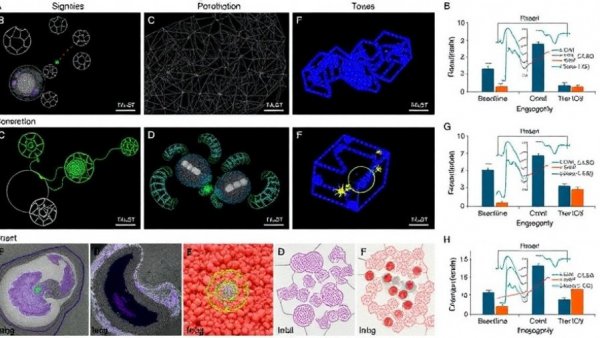
Advancements in single-molecule imaging and R-loop mapping technologies are transforming our understanding of telomere dynamics and biology. These technologies not only enable scientists to visualize R-loops but also provide insights into their regulatory roles. Such innovations are crucial for elucidating the complex behavior of telomeres, especially in pathogenic contexts like cancer.
With improved tools, researchers can devise strategic approaches to mitigate telomere-related phenomena, particularly in cancer treatment. By enabling real-time observation of telomere interactions and their molecular environments, these technologies hold promise for the development of targeted therapies that could enhance telomeric health and overall genomic integrity.
Future Trends in Telomere Research: An Era of Holistic Cellular Rejuvenation
The landscape of aging research is evolving with the integration of telomere science and cellular rejuvenation techniques. It's critical to understand how telomere length and health impact organismal aging and potential rejuvenation strategies. This includes insights into telomerase activation, epigenetic modifications, and potential dietary interventions in modulating telomere dynamics, thereby enhancing longevity and health.
Future research may delve deeper into the role of lifestyle factors, such as stress management, physical activity, and dietary choices, that can influence telomere length and function. Health-conscious individuals might consider adopting practices that support telomere integrity, thereby potentially slowing down the aging process and maintaining better health as they grow older.
Conclusion: The Pathway to Advanced Longevity
As health-conscious individuals seek innovative approaches to vitality and longevity, understanding the interplay between telomeres, R-loops, and cancer biology becomes essential. The ongoing research provides a pathway to not only improve our understanding of aging but also develop supplementary interventions aimed at enhancing telomeric health. With continuous advancements in biotechnology and a deeper comprehension of cellular mechanisms, we are poised to unlock the secrets of longevity and enhance overall well-being.
This growing body of knowledge will empower individuals to make informed choices about their health and well-being, encouraging proactive engagement in their longevity journeys. As the science of telomeres unfolds, it heralds a future where we can actively participate in our health and longevity through informed lifestyle choices and therapeutic advancements.












Write A Comment