


Understanding Nigeria's Aging Population and Healthcare Challenges
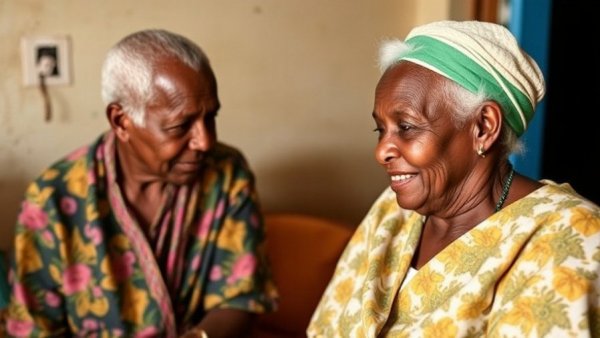
Nigeria, with its burgeoning population of older adults, is facing a crisis where the healthcare response does not match the increasing demand for age-appropriate services. Despite advancements in policy recognition—evidenced by legislative measures established between 2004 and 2022—many older adults experience disjointed services, insufficient financial protection, and major barriers to accessing care, which raises critical questions about the effectiveness of current systems.
Comparative Innovations: Learning from Africa
Innovative health reforms in other African nations present valuable lessons for Nigeria. For instance, Zimbabwe’s Friendship Bench program emphasizes community engagement in mental health, which may serve as a model for building supportive peer networks among older adults. Similarly, South Africa’s peer support models and Ghana’s Community-Based Health Planning and Services catalyze participatory approaches that could be adapted to Nigerian contexts. These cases highlight the importance of local solutions over mere replication of foreign models, adapting learning fluidly to address Nigeria’s unique challenges.
Evaluating Health Policy Frameworks
The analysis conducted using Wilson’s Health Policy Triangle reveals that the gaps between policy and practice result from interrelated factors across context, actors, content, and process. Limited engagement of older adults in governance processes, compounded by a lack of cohesive institutional responsibilities, results in fragmentation—a pattern evident in many resource-constrained healthcare systems. The need for a robust implementation framework is paramount to ensure that policies toward older adults translate into tangible improvements.
Implications of Demographic Pressures
Demographically, Nigeria is experiencing a significant aging trend, transforming health demands at both familial and governmental levels. As life expectancy rises, there’s a critical need to reassess resource allocation, prioritize long-term care models, and integrate primary healthcare focused on elder care. This reflects the pressing need for policymakers to recognize the implications of demographic transitions on both healthcare policy and societal structures.
The Role of Telomere Research in Aging
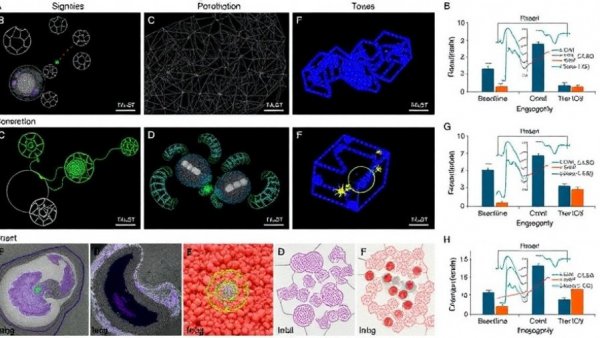
The intersection of telomere biology and aging presents an illuminating avenue for understanding cellular rejuvenation in the context of aging populations. Research indicates that shorter telomeres are associated with increased morbidity and mortality in the elderly, underscoring the vitality of interventions aimed at telomerase activation and DNA repair mechanisms. Such insights could ultimately inform healthcare policies, prompting a broader discourse about the biological underpinnings of aging in the Nigerian context.
Future Steps for Health Policy Reform
For effective healthcare reform targeted toward older adults in Nigeria, a multi-faceted approach is necessary. Collaborative mechanisms that integrate insights from aging research with participatory models will not only empower older individuals but also ensure their needs are prioritized in health agendas. The incorporation of robust research, such as telomere length studies, into health policies can enhance the scientific foundation for aging-related interventions, ultimately leading to supportive environments that facilitate better health outcomes.
In conclusion, addressing the healthcare needs of Nigeria's older adults requires a concerted effort that draws on innovative practices observed across Africa while embracing the complex biological factors influencing aging. As experts and policymakers work together, the focus must remain on creating a cohesive, practical framework that ensures older adults are not only protected but flourish within Nigeria's evolving healthcare landscape.












Write A Comment