



Understanding Cardiorespiratory Fitness and Its Importance
Cardiorespiratory fitness (CRF) is emerging as a significant prognostic marker of health and aging. Defined as the ability of the circulatory and respiratory systems to supply oxygen during sustained physical activity, CRF is measured through cardiopulmonary exercise testing (CPET). Studies indicate that higher CRF levels correlate with better health outcomes, including longer healthspan and lower rates of all-cause mortality. This direct connection between CRF and longevity has sparked considerable interest in methods to enhance fitness levels, notably through innovative therapies such as hyperbaric oxygen therapy (HBOT). In our increasingly health-conscious society, the pursuit of improved CRF is seen as a vital aspect of proactive health management, especially for individuals looking to maintain their physical capabilities as they age.
The Role of Hyperbaric Oxygen Therapy
Hyperbaric oxygen therapy, which involves breathing pure oxygen in a pressurized environment, has manifested promising results in clinical settings. In controlled trials focusing on athletes and older adults, HBOT showcased significant improvements in CRF. The unique hyperoxic-hypoxic paradox principles employed in this therapy may facilitate enhanced oxygen delivery to tissues, thereby improving muscular function and endurance. Notably, a recent retrospective cohort study on 1,032 patients revealed that those undergoing HBOT demonstrated marked enhancements in their CRF scores. This therapy is not only beneficial in clinical rehabilitation settings but also opens avenues for enhancing physical performance in athletes and improving everyday health in the general population.
Linking HBOT to Telomere Health
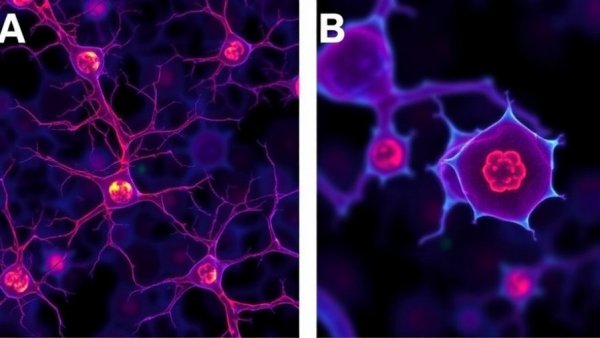
The connection between telomeres and aging is a captivating aspect of cellular biology. Telomeres, protective caps at the ends of chromosomes, gradually shorten with each cell division, leading to biological aging and health decline. Research in telomere biology suggests that maintaining telomere length is crucial for promoting longevity and combating age-related diseases. Interestingly, some studies propose that therapies like HBOT may influence telomere dynamics, potentially delaying the process of telomere shortening and enhancing overall cellular health. By positively impacting the telomere length, one can potentially mitigate the effects of aging, thereby offering a compelling reason for health enthusiasts to explore HBOT as a component of their wellness routine.
Future Insights: The Potential of Telomerase Activation
Telomerase activation emerges as a potential strategy in trauma and age-related regeneration. Telomerase, an essential enzyme in maintaining telomere length, could be stimulated through various interventions, including specific antioxidants, dietary supplements, and lifestyle modifications. Leveraging this knowledge could provide innovative approaches for enhancing cellular renewal and improving longevity. As the science of epigenetics evolves, understanding how these interventions can optimize telomere health will be critical for anyone interested in longevity strategies. While telomerase activation presents exciting possibilities, it should be approached with care due to the complexities involved in its regulation and the potential for unintended consequences. Thus, ongoing research will be essential to determine the best methods for encouraging this process safely.
Holistic Approaches and Practical Tips
For health-conscious individuals who are actively seeking ways to enhance their vitality, integrating a holistic approach can be beneficial. Aside from therapies like HBOT, consider adopting a longevity-focused diet rich in antioxidants that support DNA repair. Foods such as berries, leafy greens, and nuts are known to combat oxidative stress, thus playing a crucial role in maintaining telomere health. Incorporating regular physical activity to boost CRF, combined with mindful stress management techniques, can also contribute positively to telomere maintenance. Supplementation with telomere-lengthening agents might provide an additional edge in this quest for longevity. Engaging in mindfulness practices such as yoga and meditation can also help in managing stress, which is known to accelerate the aging process at the cellular level. Pay attention to your sleep patterns as well—adequate rest is pivotal for recovery and overall wellness.
Conclusion: Take Charge of Your Aging Process
As research continues to unveil the intricate links between CRF, HBOT, and telomere health, health enthusiasts should take proactive steps to enhance their vitality. This journey towards aging gracefully requires not only awareness but also action. Whether it’s through adopting supportive supplements, engaging in regular fitness, or considering advanced therapies, every effort contributes to our overall health trajectory. Stay abreast of emerging research and explore optimal paths towards enhanced longevity. The dynamic nature of health science calls for an openness to new methods and a commitment to lifelong learning in the pursuit of a healthier, more vibrant life.











Write A Comment