

Longevity Thrive
update
Longevity Thrive
Thriving Health For Thriving Life
update
  • Home
  • Categories
    • Cell Renewal
    • Telomere Science
    • Supplement Guide
    • Diet Protocols
    • Expert Insights
    • Biohacking Tips
    • Research Updates
November 16.2026
4 Minutes Read

Optimize Your Healthspan: Hit Your Protein Goal Without Extra Fat

Professional woman discusses protein goal strategies without extra fat

Why Protein Matters for Longevity

Ah, protein—the macronutrient often hailed as the magic bullet for muscle repair and growth. But did you know it's not just about building muscles; it's also about enhancing your longevity? As we age, maintaining cellular health becomes crucial, and protein plays a vital role in that process. Not only does it support tissue repair, but adequate protein intake can also help prevent muscle loss, which is particularly important as we enter our golden years. One of the best ways to ensure you're hitting your protein goals without piling on extra fat lies in understanding your options and employing some clever cooking techniques.

The video The Easiest Way to Hit Your Protein Goal Without Extra Fat presents intriguing insights on maximizing protein intake while managing fat, prompting an intricate analysis of the vital connections between diet and health.

The Secrets of Lean Protein Sources

In the video titled The Easiest Way to Hit Your Protein Goal Without Extra Fat, a straightforward approach to achieving this balance is discussed. By focusing on lean protein sources, you can pack in the essential nutrients without worrying about the excess calories that often accompany fattier options. Think skinless chicken breast, fish, legumes, and low-fat dairy. These choices not only align with a healthy diet protocol but also contribute to your overall healthspan—a term that refers to the period of life spent in good health. No one wants to age in a state of compromise, after all!

When considering your protein source, you might also want to explore local options. If you're in a place where farmers' markets are available, why not snag some fresh local fish or eggs? Supporting local agriculture not only helps your community but often gives you access to higher quality proteins at lower fat content compared to mass-produced alternatives.

Smart Cooking Techniques That Preserve Protein

Let’s dive deeper into the practical aspect of protein preparation. Employing methods like grilling, baking, or steaming can help retain protein quality while minimizing additional fats that frying might introduce. Imagine biting into a perfectly baked salmon fillet—rich in omega-3 fatty acids and packed with protein, and not a drop of grease in sight! These cooking techniques don’t just add flavor; they also ensure you're maximizing the nutritional content while keeping the calorie count in check.

Another trick? Marinate your proteins with herbs and citrus juice instead of heavy sauces. This simple technique infuses flavor while keeping things light. Imagine a lemon-herb grilled chicken breast served with a side of vibrant veggies—talk about a feast for both the eyes and the body!

Supplementing for Success

Sometimes, getting enough protein from whole foods might feel like climbing Everest without adequate gear. That’s where supplements for longevity come into play. Whether you choose whey protein powder or plant-based protein alternatives, these can be fantastic allies in your quest for muscle preservation and cellular health. For those with dietary restrictions, vegan protein powders made from sources like pea or brown rice protein can offer the necessary amino acids without unwanted fats. Just remember to consult with a healthcare professional before incorporating any new supplements into your regimen. After all, even the best biohacking tips need a dash of professional guidance.

It's also important to note that supplements are not a replacement but rather a complement to your dietary intake. Think of them as your trusty sidekick on a superhero journey towards health!

Anti-Aging Science Meets Your Plate

What if I told you that the right protein sources could potentially influence your aging process? Yes, cutting-edge health research suggests that high-quality protein can affect the length of your telomeres—those protective caps on the ends of our chromosomes, which play a role in cellular aging. Eating amino-rich foods can help maintain telomere length, thereby enhancing longevity. Isn’t it amazing how what you eat influences your cellular structure? More protein means more protection against the ravages of time!

Additionally, certain studies indicate that a balanced protein intake may also reduce inflammation, a key factor in many age-related diseases. This brings us back to the importance of choosing wisely what enters your plate—because the zest for life truly begins with what fuels our bodies.

The Big Picture: Why You Should Care

As we peel back the layers of aging research, it's clear that understanding how to optimize your nutrition is not just a fad but a necessary strategy for health maintenance. Prioritizing protein doesn’t just stave off muscle loss; it might also enhance your quality of life and longevity. By making informed dietary choices that align with the latest insights in wellness and nutrition, you can empower yourself on the journey to a healthier, longer life. Healthy dietary habits today can set you on a path to vitality well into the future.

Imagine strolling confidently into your sixties and seventies with energy levels soaring and mobility intact—all thanks to those protein-packed meals you enjoyed throughout your life.

Conclusion: Time to Get Cooking!

So there you have it—a humorous spin on achieving your protein goals without the fat. Grab those lean proteins, employ smart cooking methods, and embrace the supplements that resonate with your wellness strategy. After all, a diet rich in high-quality protein is not just good for your muscles but also for your overall health and longevity. Let’s get cooking and optimize our healthspan! Remember, informed choices lead to ingenious results!

So go ahead, treat your body like the temple it is, and watch as your health, energy, and vitality soar! Because who wouldn't want to age like a fine wine, getting better with age?

Diet Protocols

3 Views

0 Comments

Write A Comment

*
*
Please complete the captcha to submit your comment.
Related Posts All Posts
11.13.2026

Is Meat-Centric Diet Contributing to Rising Antibiotic Resistance in Our Guts?

Update Understanding the Link Between Meat Consumption and Antibiotic Resistance As health-conscious individuals increasingly reconsider their dietary choices, new research highlights a concerning connection between meat consumption and antibiotic resistance. The alarming rise of antibiotic-resistant bacteria—particularly troubling considering the nearly one million annual Salmonella and Campylobacter infections among children under ten in the U.S.—calls for a closer examination of how our food choices can influence our health. Research indicates that those following a plant-based diet exhibit a significantly lower load of antibiotic resistance genes in their gut than their meat-eating counterparts. The Role of Animal Farming in Antibiotic Resistance One critical factor contributing to antibiotic resistance is the use of antibiotics in livestock, often prescribed not just for disease treatment but also for growth promotion in unhealthy farming conditions. This practice creates a breeding ground for pathogens, with genes that may be transmitted through our food supply. Studies suggest that animals raised for meat act as reservoirs for antibiotic resistance genes, which can swiftly transfer to bacteria within the human gut. A groundbreaking study employed a model simulating human intestines to demonstrate how E. coli from chickens could pass resistance to human gut bacteria within just two hours. This rapid transmission shows the urgency of addressing antibiotic use in animal farming. Comparative Studies of Diets and Gut Health In research comparing antibiotic resistance gene loads across different diets—omnivores, vegetarians, and vegans—significant findings emerged. Though both omnivores and vegetarians displayed heightened resistance compared to vegans, the implications extend beyond mere dietary choices. The study examined resistance to various antibiotics, including tetracyclines and vancomycin, revealing a concerning correlation: the greater the intake of animal products, particularly eggs and dairy, the higher the resistance levels detected in the gut. Not just a vegetarian lifestyle, adopting a vegan diet appears to be directly linked to a reduced presence of antibiotic-resistant genes. Implications for Longevity and Healthy Aging For those keen on longevity diets and a sustainable approach to health, these findings reinforce the potential benefits of plant-based nutrition. As studies cite that reducing meat consumption can lead to improved gut microbiota, those interested in anti-aging foods or the Mediterranean diet for longevity may find reassurance in the protective factors of plant-centered diets. Understanding the risks associated with antibiotic resistance is not just vital for immediate health; it also plays a crucial role in long-term vitality and overall well-being. Exploring Practical Dietary Adjustments for a Healthier Gut Considering the evidence surrounding antibiotic resistance, individuals looking to enhance their diet may wish to explore options such as a Blue Zone diet, characterized by high plant-based consumption and low animal product intake. Coupling this with intermittent fasting tips or caloric restriction benefits could promote longevity while simultaneously supporting gut health. An empowered choice comes down to understanding the profound impact our dietary habits have on our microbiome and overall wellness. Moving Forward: Embracing Dietary Change Clarity around the relationship between diet and gut health encourages individuals to consider their food choices critically. Transitioning towards plant-based nutrition not only supports personal health interests but collectively influences public health by combating the rise of antibiotic-resistant bacteria. It’s an opportunity to invest in one’s health proactively, understanding that each meal can be a step towards greater vitality.

11.11.2026

What Makes Rare Sugars Like Allulose a Sweet Addition for Health?

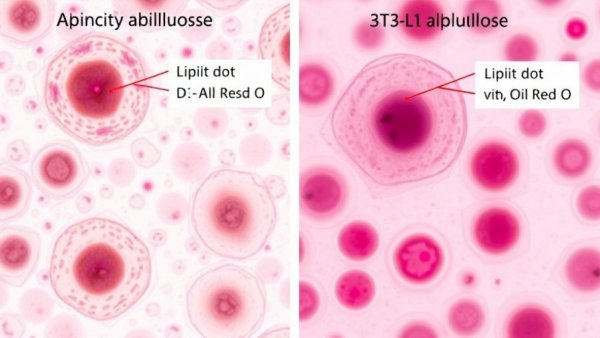
Update Exploring the Benefits of Rare Sugars like Allulose In today's health-conscious society, the quest for sweet alternatives that don't undermine our health is more pressing than ever. Rare sugars, such as allulose, have emerged as popular contenders, touted for their unique properties. Unlike traditional sugars, allulose boasts a much lower caloric value and doesn't elevate blood sugar levels, making it an appealing choice for those seeking to manage their weight or blood sugar for healthspan optimization. But what does science say about the health benefits of these rare sugars? Let’s delve into the facts and explore the compelling reasons to consider allulose as an integral part of a healthier diet.The video Are Rare Sugars Like Allulose Actually Healthy? dives into the benefits and potential of allulose, exploring key insights that sparked deeper analysis on our end. What Are Rare Sugars? Rare sugars are naturally occurring carbohydrates that are found in small amounts in certain fruits and food products. Allulose, specifically, is a monosaccharide that can be found in figs and raisins—foods that not only provide a tasty treat but also contribute beneficial nutrients to our diets. Studies have shown that allulose is similar in taste to fructose but has about 90% fewer calories, allowing health-conscious individuals to enjoy sweetness without the adverse effects often associated with sugar consumption. This ability to provide sweetness without significant energy intake makes rare sugars a fascinating alternative for caloric reduction. Science-Backed Insights on Allulose Research indicates that allulose may contribute to improved metabolic health. Studies have shown that it can help regulate blood glucose levels and promote fat metabolism, which could have implications for disease prevention and overall wellness strategies. Individuals managing diabetes or prediabetes may find this particularly relevant, given that keeping blood sugar levels stable is crucial for their health. Furthermore, this unique sugar allows those with certain dietary restrictions to maintain their sweet tooth while sidestepping many of the health issues tied to traditional sugars. Potential Benefits of Allulose for Longevity 1. **Weight Management**: As an alternative sweetener, allulose positively impacts weight management by reducing caloric intake without sacrificing sweetness. This is particularly beneficial for those adhering to healthy diet protocols aimed at longevity, such as low-calorie diets and intermittent fasting. By substituting allulose for higher-calorie sweeteners, individuals can enjoy their favorite treats while still adhering to their health goals. 2. **Blood Sugar Control**: Allulose may improve insulin sensitivity. This feature makes it a promising choice among individuals working toward optimal cellular health and those who want to balance their dietary intake. Given the rising concerns regarding insulin resistance and type 2 diabetes, this characteristic of allulose is not just a benefit, but a necessity for many consumers. 3. **Anti-inflammatory Properties**: Some studies suggest that allulose possesses anti-inflammatory properties, which could play a role in age-related diseases, making it a valuable tool in healthspan optimization. Chronic inflammation is a known culprit behind numerous health problems, including heart disease and arthritis. Incorporating anti-inflammatory substances like allulose into daily diets can serve as a preventative measure against such diseases, providing further incentive to explore its use. Understanding the Future of Sweeteners With increasing evidence supporting the advantages of allulose, its popularity in the wellness community is expected to rise. As people become more educated about the potential impacts of their dietary choices on overall health, sweeteners like allulose could take a central role in discussions surrounding personalized health strategies and nutrition. Beyond personal health, there is a growing interest in sustainable dietary practices. Healthy lifestyle choices that prioritize low-calorie sweeteners can contribute to more sustainable and health-conscious diets over time, thereby not only benefiting individuals, but also fostering a healthier planet. Embracing Biohacking for Optimal Health Biohacking, or the practice of adapting biological processes for enhanced health, is evolving rapidly. Incorporating rare sugars like allulose into our diets is a practical application of this trend. By also considering supplements for longevity, such as those that support telomere science, individuals can take comprehensive steps toward improving their wellness. Additionally, biohacking recognizes the unique needs of every individual, making it essential to tailor dietary choices according to personal health goals. Those interested in personalized approaches to health will find value in the scientific research emerging around rare sugars. Common Misconceptions about Sweeteners Many individuals harbor misconceptions about sugar substitutes, often fearing that they may possess harmful side effects. However, allulose is recognized by the FDA as generally safe. Understanding how to navigate these misconceptions can empower consumers, allowing them to make informed decisions about their dietary choices and embrace healthy alternatives that foster longevity. Education is key; the more informed consumers are, the more likely they are to explore functional foods and sweeteners that align with their health ambitions. Conclusion: Sweeten Your Healthspan with Allulose In conclusion, rare sugars like allulose represent a fascinating advancement in dietary health. As they continue to be researched for their various health benefits, integrating them within your diet can serve as a positive step toward longevity and wellness. For those seeking a well-rounded approach to health through diet and supplements, this form of biohacking is not just innovative; it’s essential. As you consider the best choices for your body, don’t hesitate to explore allulose as a viable option. If you’re interested in learning more about how rare sugars can impact your healthspan, explore additional resources on nutrition and health. Empower yourself with knowledge, connect with health professionals for personalized guidance, and take actionable steps toward creating a healthier lifestyle today!

11.11.2026

Could Allulose Be a Healthier Alternative to Traditional Sweeteners?

Update Understanding Allulose: A Potential Sweetener for Health Enthusiasts Health-conscious individuals are on a constant quest for sugar alternatives that support their dietary choices without the added calories. One such contender is allulose, a rare sugar that exists in minimal quantities within nature but is now being industrially produced. Allulose is celebrated for its low-calorie content and shared advantages with other sweeteners like erythritol, particularly its potential anti-diabetic effects. Insights from Animal Studies: What Do They Mean for Humans? Research on allulose has primarily focused on animal studies, revealing that it reduces LDL cholesterol levels in hamsters and may influence obesity when fed high-fat diets. While these findings are promising, it’s crucial to recognize that results from animal studies do not always translate directly to humans. For instance, while obesity responses were noted in lard-consuming mice, human bodies may react differently to dietary changes, especially when it comes to fat burning and weight management. Is Allulose the Answer to Caloric Control? A noteworthy study suggested that allulose could improve fat metabolism. Participants who consumed a teaspoon of allulose shortly before meals burned fat more efficiently—a finding that could excite those interested in longevity diets and caloric restriction benefits. However, the increase in fat burning was modest, resulting in merely 15 calories burned over four hours, raising questions about the long-term efficacy of allulose in sustained weight loss. Evaluating Allulose's Promises Against Traditional Sweeteners Comparing allulose to conventional sweeteners like high-fructose corn syrup reveals that it could be beneficial for weight reduction. A study showed significant decreases in body fat, waist circumference, and overall weight with allulose-containing syrup over that of high-fructose corn syrup. Yet, the proprietary mixtures used in these studies warrant a more critical examination of allulose's effectiveness in real-world applications. Impacts on Blood Sugar and Insulin Levels One of the most pivotal arguments for allulose lies in its effect on glycemic control. When consumed with rapidly digesting carbohydrates, allulose has shown a remarkable ability to suppress blood sugar and insulin spikes, potentially aiding those at risk for blood sugar imbalances. This aligns well with the rising interest in plant-based nutrition and its impact on metabolic health, especially as individuals adopt diets to promote healthy aging. Conclusion: The Need for Caution with Allulose While allulose shows promise as a healthy sweetener with potential weight loss and blood sugar regulation benefits, more robust human trials are needed before it can be yanked from the shelves and crowned as a healthier alternative. For now, incorporating it into a balanced diet, alongside regular physical activity and robust nutritional strategies from diets like the Mediterranean diet or Blue Zone diet, may be the best route for health-conscious individuals aiming for longevity and vitality. If you’re considering navigating the nutritional landscape with allulose or other sweeteners, remember to assess the complete picture of your dietary goals and consult with healthcare professionals when necessary.

cropper
update
Longevity Thrive
cropper
update

Longevity Thrive empowers individuals with science-backed insights, expert advice, and practical tools to optimize health, wellness, and longevity.

  • update
  • update
  • update
  • update
  • update
  • update
  • update
UPDATE

ABOUT US

Longevity Thrive is a media platform dedicated to providing science-backed insights, practical strategies, and the latest trends in health, wellness, and longevity. It empowers individuals to optimize their healthspan and live vibrant, fulfilling lives.

© 2026 Longevity Thrive All Rights Reserved. Harp Island Close, London, Brent NW100DF . Contact Us . Terms of Service . Privacy Policy

eyJjb21wYW55IjoiTG9uZ2V2aXR5IFRocml2ZSIsImFkZHJlc3MiOiJIYXJwIElzbGFuZCBDbG9zZSIsImNpdHkiOiJMb25kb24iLCJzdGF0ZSI6IkJyZW50IiwiemlwIjoiTlcxMDBERiIsImVtYWlsIjoibG9yZW5hc0BnZXRtaWxlcmlzbWFya2V0aW5nLmNvbSIsInRvcyI6IlBIQStQSE4wY205dVp6NDhaVzArVjJobGJpQjViM1VnYzJsbmJpMXBiaUIzYVhSb0lIVnpMQ0I1YjNVZ1lYSmxJR2RwZG1sdVp5WnVZbk53T3lCNWIzVnlJSEJsY20xcGMzTnBiMjRnWVc1a0lHTnZibk5sYm5RZ2RHOGdjMlZ1WkNCNWIzVWdaVzFoYVd3Z1lXNWtMMjl5SUZOTlV5QjBaWGgwSUcxbGMzTmhaMlZ6TGlCQ2VTQmphR1ZqYTJsdVp5QjBhR1VnVkdWeWJYTWdZVzVrSUVOdmJtUnBkR2x2Ym5NZ1ltOTRJR0Z1WkNCaWVTQnphV2R1YVc1bklHbHVJSGx2ZFNCaGRYUnZiV0YwYVdOaGJHeDVJR052Ym1acGNtMGdkR2hoZENCNWIzVWdZV05qWlhCMElHRnNiQ0IwWlhKdGN5QnBiaUIwYUdseklHRm5jbVZsYldWdWRDNDhMMlZ0UGp3dmMzUnliMjVuUGp3dmNENEtDanh3UGp4aElHaHlaV1k5SW1oMGRIQTZMeTkzZDNjdVoyOXZaMnhsTG1OdmJTSSthSFIwY0RvdkwzZDNkeTVuYjI5bmJHVXVZMjl0UEM5aFBqd3ZjRDRLQ2p4d1BpWnVZbk53T3p3dmNENEtDanh3UGp4emRISnZibWMrVTBWU1ZrbERSVHd2YzNSeWIyNW5Qand2Y0Q0S0NqeHdQbGRsSUhCeWIzWnBaR1VnWVNCelpYSjJhV05sSUhSb1lYUWdZM1Z5Y21WdWRHeDVJR0ZzYkc5M2N5QjViM1VnZEc4Z2NtVmpaV2wyWlNCeVpYRjFaWE4wY3lCbWIzSWdabVZsWkdKaFkyc3NJR052YlhCaGJua2dhVzVtYjNKdFlYUnBiMjRzSUhCeWIyMXZkR2x2Ym1Gc0lHbHVabTl5YldGMGFXOXVMQ0JqYjIxd1lXNTVJR0ZzWlhKMGN5d2dZMjkxY0c5dWN5d2daR2x6WTI5MWJuUnpJR0Z1WkNCdmRHaGxjaUJ1YjNScFptbGpZWFJwYjI1eklIUnZJSGx2ZFhJZ1pXMWhhV3dnWVdSa2NtVnpjeUJoYm1RdmIzSWdZMlZzYkhWc1lYSWdjR2h2Ym1VZ2IzSWdaR1YyYVdObExpQlpiM1VnZFc1a1pYSnpkR0Z1WkNCaGJtUWdZV2R5WldVZ2RHaGhkQ0IwYUdVZ1UyVnlkbWxqWlNCcGN5QndjbTkyYVdSbFpDQW1jWFZ2ZER0QlV5MUpVeVp4ZFc5ME95QmhibVFnZEdoaGRDQjNaU0JoYzNOMWJXVWdibThnY21WemNHOXVjMmxpYVd4cGRIa2dabTl5SUhSb1pTQjBhVzFsYkdsdVpYTnpMQ0JrWld4bGRHbHZiaXdnYldsekxXUmxiR2wyWlhKNUlHOXlJR1poYVd4MWNtVWdkRzhnYzNSdmNtVWdZVzU1SUhWelpYSWdZMjl0YlhWdWFXTmhkR2x2Ym5NZ2IzSWdjR1Z5YzI5dVlXeHBlbUYwYVc5dUlITmxkSFJwYm1kekxqd3ZjRDRLQ2p4d1BsbHZkU0JoY21VZ2NtVnpjRzl1YzJsaWJHVWdabTl5SUc5aWRHRnBibWx1WnlCaFkyTmxjM01nZEc4Z2RHaGxJRk5sY25acFkyVXNJR0Z1WkNCMGFHRjBJR0ZqWTJWemN5QnRZWGtnYVc1MmIyeDJaU0IwYUdseVpDMXdZWEowZVNCbVpXVnpJQ2h6ZFdOb0lHRnpJRk5OVXlCMFpYaDBJRzFsYzNOaFoyVnpMQ0JKYm5SbGNtNWxkQ0J6WlhKMmFXTmxJSEJ5YjNacFpHVnlJRzl5SUdObGJHeDFiR0Z5SUdGcGNuUnBiV1VnWTJoaGNtZGxjeWt1SUZsdmRTQmhjbVVnY21WemNHOXVjMmxpYkdVZ1ptOXlJSFJvYjNObElHWmxaWE1zSUdsdVkyeDFaR2x1WnlCMGFHOXpaU0JtWldWeklHRnpjMjlqYVdGMFpXUWdkMmwwYUNCMGFHVWdaR2x6Y0d4aGVTQnZjaUJrWld4cGRtVnllU0J2WmlCbFlXTm9JRk5OVXlCMFpYaDBJRzFsYzNOaFoyVWdkMlVnYzJWdVpDQjBieUI1YjNVdUlFbHVJR0ZrWkdsMGFXOXVMQ0I1YjNVZ2JYVnpkQ0J3Y205MmFXUmxJR0Z1WkNCaGNtVWdjbVZ6Y0c5dWMybGliR1VnWm05eUlHRnNiQ0JsY1hWcGNHMWxiblFnYm1WalpYTnpZWEo1SUhSdklHRmpZMlZ6Y3lCMGFHVWdVMlZ5ZG1salpTQmhibVFnY21WalpXbDJaU0IwYUdVZ1UwMVRJSFJsZUhRZ2JXVnpjMkZuWlhNdUlGZGxJR1J2SUc1dmRDQmphR0Z5WjJVZ1lXNTVJR1psWlhNZ1ptOXlJSFJvWlNCa1pXeHBkbVZ5ZVNCdlppQmxiV0ZwYkNCdmNpQlRUVk11SUZSb2FYTWdhWE1nWVNCbWNtVmxJSE5sY25acFkyVWdkMlVnY0hKdmRtbGtaUzRnU0c5M1pYWmxjaXdnY0d4bFlYTmxJR05vWldOcklIZHBkR2dnZVc5MWNpQnBiblJsY201bGRDQnpaWEoyYVdObElIQnliM1pwWkdWeUlHRnVaQ0JqWld4c2RXeGhjaUJqWVhKeWFXVnlJR1p2Y2lCaGJua2dZMmhoY21kbGN5QjBhR0YwSUhsdmRTQnRZWGtnYVc1amRYSWdZWE1nWVNCeVpYTjFiSFFnYjJZZ2NtVmpaV2wyYVc1bklHVnRZV2xzSUdGdVpDQlRUVk1nZEdWNGRDQnRaWE56WVdkbGN5QjBhR0YwSUhkbElHUmxiR2wyWlhJZ2RYQnZiaUI1YjNWeUlHOXdkQzFwYmlCaGJtUWdjbVZuYVhOMGNtRjBhVzl1SUhkcGRHZ2diM1Z5SUdWdFlXbHNJR0Z1WkNCVFRWTWdjMlZ5ZG1salpYTXVJRmx2ZFNCallXNGdZMkZ1WTJWc0lHRjBJR0Z1ZVNCMGFXMWxMaUJLZFhOMElIUmxlSFFnSm5GMWIzUTdVMVJQVUNaeGRXOTBPeUIwYnladVluTndPenhvYVdkb2JHbG5hSFFnWTJ4aGMzTTlJbU52YlhCaGJubFRUVk5RYUc5dVpWVndaR0YwWlNJK2JuVnNiRHd2YUdsbmFHeHBaMmgwUGk0Z1FXWjBaWElnZVc5MUlITmxibVFnZEdobElGTk5VeUJ0WlhOellXZGxJQ1p4ZFc5ME8xTlVUMUFtY1hWdmREc2dkRzhnZFhNc0lIZGxJSGRwYkd3Z2MyVnVaQ0I1YjNVZ1lXNGdVMDFUSUcxbGMzTmhaMlVnZEc4Z1kyOXVabWx5YlNCMGFHRjBJSGx2ZFNCb1lYWmxJR0psWlc0Z2RXNXpkV0p6WTNKcFltVmtMaUJCWm5SbGNpQjBhR2x6TENCNWIzVWdkMmxzYkNCdWJ5QnNiMjVuWlhJZ2NtVmpaV2wyWlNCVFRWTWdiV1Z6YzJGblpYTWdabkp2YlNCMWN5NDhMM0ErQ2dvOGNENDhjM1J5YjI1blBsbFBWVklnVWtWSFNWTlVVa0ZVU1U5T0lFOUNURWxIUVZSSlQwNVRQQzl6ZEhKdmJtYytQQzl3UGdvS1BIQStTVzRnWTI5dWMybGtaWEpoZEdsdmJpQnZaaUI1YjNWeUlIVnpaU0J2WmlCMGFHVWdVMlZ5ZG1salpTd2dlVzkxSUdGbmNtVmxJSFJ2T2p3dmNENEtDanh2YkQ0S0NUeHNhVDV3Y205MmFXUmxJSFJ5ZFdVc0lHRmpZM1Z5WVhSbExDQmpkWEp5Wlc1MElHRnVaQ0JqYjIxd2JHVjBaU0JwYm1admNtMWhkR2x2YmlCaFltOTFkQ0I1YjNWeWMyVnNaaUJoY3lCd2NtOXRjSFJsWkNCaWVTQjBhR1VnVTJWeWRtbGpaU1lqTXprN2N5QnlaV2RwYzNSeVlYUnBiMjRnWm05eWJTQW9jM1ZqYUNCcGJtWnZjbTFoZEdsdmJpQmlaV2x1WnlCMGFHVWdKbkYxYjNRN1VtVm5hWE4wY21GMGFXOXVJRVJoZEdFbWNYVnZkRHNwSUdGdVpEd3ZiR2srQ2drOGJHaytiV0ZwYm5SaGFXNGdZVzVrSUhCeWIyMXdkR3g1SUhWd1pHRjBaU0IwYUdVZ1VtVm5hWE4wY21GMGFXOXVJRVJoZEdFZ2RHOGdhMlZsY0NCcGRDQjBjblZsTENCaFkyTjFjbUYwWlN3Z1kzVnljbVZ1ZENCaGJtUWdZMjl0Y0d4bGRHVXVJRWxtSUhsdmRTQndjbTkyYVdSbElHRnVlU0JwYm1admNtMWhkR2x2YmlCMGFHRjBJR2x6SUhWdWRISjFaU3dnYVc1aFkyTjFjbUYwWlN3Z2JtOTBJR04xY25KbGJuUWdiM0lnYVc1amIyMXdiR1YwWlN3Z2IzSWdkMlVnYUdGMlpTQnlaV0Z6YjI1aFlteGxJR2R5YjNWdVpITWdkRzhnYzNWemNHVmpkQ0IwYUdGMElITjFZMmdnYVc1bWIzSnRZWFJwYjI0Z2FYTWdkVzUwY25WbExDQnBibUZqWTNWeVlYUmxMQ0J1YjNRZ1kzVnljbVZ1ZENCdmNpQnBibU52YlhCc1pYUmxMQ0IzWlNCb1lYWmxJSFJvWlNCeWFXZG9kQ0IwYnlCemRYTndaVzVrSUc5eUlEeHpkSEp2Ym1jK1BITndZVzRnYzNSNWJHVTlJbU52Ykc5eU9pTkdSakF3TURBN0lqNTBaWEp0YVc1aGRHVWdlVzkxY2lCaFkyTnZkVzUwTDNCeWIyWnBiR1VnWVc1a0lISmxablZ6WlNCaGJua2dZVzVrSUdGc2JDQmpkWEp5Wlc1MElHOXlJR1oxZEhWeVpTQjFjMlVnYjJZZ2RHaGxJRk5sY25acFkyVWdLRzl5SUdGdWVTQndiM0owYVc5dUlIUm9aWEpsYjJZcExqd3ZjM0JoYmo0OEwzTjBjbTl1Wno0OEwyeHBQZ284TDI5c1Bnb0tQSEErSm01aWMzQTdQQzl3UGdvOGFHbG5hR3hwWjJoMElHTnNZWE56UFNKamIyMXdZVzU1VG1GdFpWVndaR0YwWlNJK1RHOXVaMlYyYVhSNUlGUm9jbWwyWlR3dmFHbG5hR3hwWjJoMFBqeGljaUF2UGdvOGFHbG5hR3hwWjJoMElHTnNZWE56UFNKamIyMXdZVzU1UVdSa2NtVnpjMVZ3WkdGMFpTSStTR0Z5Y0NCSmMyeGhibVFnUTJ4dmMyVXNJRXh2Ym1SdmJpd2dRbkpsYm5RZ1RsY3hNREJFUmp3dmFHbG5hR3hwWjJoMFBqeGljaUF2UGdvOGFHbG5hR3hwWjJoMElHTnNZWE56UFNKamIyMXdZVzU1VUdodmJtVlZjR1JoZEdVaVBpczBORGM0TlRZMU5UQXdNelU4TDJocFoyaHNhV2RvZEQ0OFluSWdMejRLUEdocFoyaHNhV2RvZENCamJHRnpjejBpWTI5dGNHRnVlVVZ0WVdsc1ZYQmtZWFJsSWo1c2IzSmxibUZ6UUdkbGRHMXBiR1Z5YVhOdFlYSnJaWFJwYm1jdVkyOXRQQzlvYVdkb2JHbG5hSFErIiwicHJpdmFjeSI6IlBIQStQSE4wY205dVp6NVFVa2xXUVVOWlBDOXpkSEp2Ym1jK1BDOXdQZ29LUEhBK1BITjBjbTl1Wno1VWFHVWdhVzVtYjNKdFlYUnBiMjRnY0hKdmRtbGtaV1FnWkhWeWFXNW5JSFJvYVhNZ2NtVm5hWE4wY21GMGFXOXVJR2x6SUd0bGNIUWdjSEpwZG1GMFpTQmhibVFnWTI5dVptbGtaVzUwYVdGc0xDQmhibVFnZDJsc2JDQnVaWFpsY2lCaVpTQmthWE4wY21saWRYUmxaQ3dnWTI5d2FXVmtMQ0J6YjJ4a0xDQjBjbUZrWldRZ2IzSWdjRzl6ZEdWa0lHbHVJR0Z1ZVNCM1lYa3NJSE5vWVhCbElHOXlJR1p2Y20wdUlGUm9hWE1nYVhNZ2IzVnlJR2QxWVhKaGJuUmxaUzQ4TDNOMGNtOXVaejQ4TDNBK0NnbzhjRDQ4YzNSeWIyNW5Qa2xPUkVWTlRrbFVXVHd2YzNSeWIyNW5Qand2Y0Q0S0NqeHdQanhsYlQ1WmIzVWdZV2R5WldVZ2RHOGdhVzVrWlcxdWFXWjVJR0Z1WkNCb2IyeGtJSFZ6TENCaGJtUWdhWFJ6SUhOMVluTnBaR2xoY21sbGN5d2dZV1ptYVd4cFlYUmxjeXdnYjJabWFXTmxjbk1zSUdGblpXNTBjeXdnWTI4dFluSmhibVJsY25NZ2IzSWdiM1JvWlhJZ2NHRnlkRzVsY25Nc0lHRnVaQ0JsYlhCc2IzbGxaWE1zSUdoaGNtMXNaWE56SUdaeWIyMGdZVzU1SUdOc1lXbHRJRzl5SUdSbGJXRnVaQ3dnYVc1amJIVmthVzVuSUhKbFlYTnZibUZpYkdVZ1lYUjBiM0p1WlhsekppTXpPVHNnWm1WbGN5d2diV0ZrWlNCaWVTQmhibmtnZEdocGNtUWdjR0Z5ZEhrZ1pIVmxJSFJ2SUc5eUlHRnlhWE5wYm1jZ2IzVjBJRzltSUVOdmJuUmxiblFnZVc5MUlISmxZMlZwZG1Vc0lITjFZbTFwZEN3Z2NtVndiSGtzSUhCdmMzUXNJSFJ5WVc1emJXbDBJRzl5SUcxaGEyVWdZWFpoYVd4aFlteGxJSFJvY205MVoyZ2dkR2hsSUZObGNuWnBZMlVzSUhsdmRYSWdkWE5sSUc5bUlIUm9aU0JUWlhKMmFXTmxMQ0I1YjNWeUlHTnZibTVsWTNScGIyNGdkRzhnZEdobElGTmxjblpwWTJVc0lIbHZkWElnZG1sdmJHRjBhVzl1SUc5bUlIUm9aU0JVVDFNc0lHOXlJSGx2ZFhJZ2RtbHZiR0YwYVc5dUlHOW1JR0Z1ZVNCeWFXZG9kSE1nYjJZZ1lXNXZkR2hsY2k0OEwyVnRQand2Y0Q0S0NqeHdQanh6ZEhKdmJtYytSRWxUUTB4QlNVMUZVaUJQUmlCWFFWSlNRVTVVU1VWVFBDOXpkSEp2Ym1jK1BDOXdQZ29LUEhBK1BITjBjbTl1Wno1WlQxVWdSVmhRVWtWVFUweFpJRlZPUkVWU1UxUkJUa1FnUVU1RUlFRkhVa1ZGSUZSSVFWUTZQQzl6ZEhKdmJtYytQQzl3UGdvS1BHOXNQZ29KUEd4cFBsbFBWVklnVlZORklFOUdJRlJJUlNCVFJWSldTVU5GSUVsVElFRlVJRmxQVlZJZ1UwOU1SU0JTU1ZOTExpQlVTRVVnVTBWU1ZrbERSU0JKVXlCUVVrOVdTVVJGUkNCUFRpQkJUaUFtY1hWdmREdEJVeUJKVXlaeGRXOTBPeUJCVGtRZ0puRjFiM1E3UVZNZ1FWWkJTVXhCUWt4RkpuRjFiM1E3SUVKQlUwbFRMaUFzTGlCQlRrUWdWVk1zSUVsVUppTXpPVHRUSUVOVlUxUlBUVVZTVXl3Z1JWaFFVa1ZUVTB4WklFUkpVME5NUVVsTlV5QkJURXdnVjBGU1VrRk9WRWxGVXlCUFJpQkJUbGtnUzBsT1JDd2dWMGhGVkVoRlVpQkZXRkJTUlZOVElFOVNJRWxOVUV4SlJVUXNJRWxPUTB4VlJFbE9SeXdnUWxWVUlFNVBWQ0JNU1UxSlZFVkVJRlJQSUZSSVJTQkpUVkJNU1VWRUlGZEJVbEpCVGxSSlJWTWdUMFlnVFVWU1EwaEJUbFJCUWtsTVNWUlpMQ0JHU1ZST1JWTlRJRVpQVWlCQklGQkJVbFJKUTFWTVFWSWdVRlZTVUU5VFJTQkJUa1FnVGs5T0xVbE9SbEpKVGtkRlRVVk9WQzQ4TDJ4cFBnb0pQR3hwUGsxQlMwVlRJRTVQSUZkQlVsSkJUbFJaSUZSSVFWUWdLR2twSUZSSVJTQlRSVkpXU1VORklGZEpURXdnVFVWRlZDQlpUMVZTSUZKRlVWVkpVa1ZOUlU1VVV5d2dLR2xwS1NCVVNFVWdVMFZTVmtsRFJTQlhTVXhNSUVKRklGVk9TVTVVUlZKU1ZWQlVSVVFzSUZSSlRVVk1XU3dnVTBWRFZWSkZMQ0JQVWlCRlVsSlBVaTFHVWtWRkxDQW9hV2xwS1NCVVNFVWdVa1ZUVlV4VVV5QlVTRUZVSUUxQldTQkNSU0JQUWxSQlNVNUZSQ0JHVWs5TklGUklSU0JWVTBVZ1QwWWdWRWhGSUZORlVsWkpRMFVnVjBsTVRDQkNSU0JCUTBOVlVrRlVSU0JQVWlCU1JVeEpRVUpNUlN3Z1FVNUVJQ2hwZGlrZ1FVNVpJRVZTVWs5U1V5QkpUaUJVU0VVZ1UwOUdWRmRCVWtVZ1YwbE1UQ0JDUlNCRFQxSlNSVU5VUlVRdVBDOXNhVDRLQ1R4c2FUNUJUbGtnVFVGVVJWSkpRVXdnUkU5WFRreFBRVVJGUkNCUFVpQlBWRWhGVWxkSlUwVWdUMEpVUVVsT1JVUWdWRWhTVDFWSFNDQlVTRVVnVlZORklFOUdJRlJJUlNCVFJWSldTVU5GSUVsVElFUlBUa1VnUVZRZ1dVOVZVaUJQVjA0Z1JFbFRRMUpGVkVsUFRpQkJUa1FnVWtsVFN5QkJUa1FnVkVoQlZDQlpUMVVnVjBsTVRDQkNSU0JUVDB4RlRGa2dVa1ZUVUU5T1UwbENURVVnUms5U0lFRk9XU0JFUVUxQlIwVWdWRThnV1U5VlVpQkRUMDFRVlZSRlVpQlRXVk5VUlUwZ1QxSWdURTlUVXlCUFJpQkVRVlJCSUZSSVFWUWdVa1ZUVlV4VVV5QkdVazlOSUZSSVJTQkVUMWRPVEU5QlJDQlBSaUJCVGxrZ1UxVkRTQ0JOUVZSRlVrbEJUQzQ4TDJ4cFBnb0pQR3hwUGs1UElFRkVWa2xEUlNCUFVpQkpUa1pQVWsxQlZFbFBUaXdnVjBoRlZFaEZVaUJQVWtGTUlFOVNJRmRTU1ZSVVJVNHNJRTlDVkVGSlRrVkVJRUpaSUZsUFZTQkdVazlOSUU5U0lGUklVazlWUjBnZ1QxSWdSbEpQVFNCVVNFVWdVMFZTVmtsRFJTQlRTRUZNVENCRFVrVkJWRVVnUVU1WklGZEJVbEpCVGxSWklFNVBWQ0JGV0ZCU1JWTlRURmtnVTFSQlZFVkVJRWxPSUZSSVJTQlVUMU11UEM5c2FUNEtQQzl2YkQ0S0NqeHdQanh6ZEhKdmJtYytURWxOU1ZSQlZFbFBUaUJQUmlCTVNVRkNTVXhKVkZrOEwzTjBjbTl1Wno0OEwzQStDZ284Y0Q1WlQxVWdSVmhRVWtWVFUweFpJRlZPUkVWU1UxUkJUa1FnUVU1RUlFRkhVa1ZGSUZSSVFWUWdRVTVFSUZOSVFVeE1JRTVQVkNCQ1JTQk1TVUZDVEVVZ1JrOVNJRUZPV1NCRVNWSkZRMVFzSUVsT1JFbFNSVU5VTENCSlRrTkpSRVZPVkVGTUxDQlRVRVZEU1VGTUxDQkRUMDVUUlZGVlJVNVVTVUZNSUU5U0lFVllSVTFRVEVGU1dTQkVRVTFCUjBWVExDQkpUa05NVlVSSlRrY2dRbFZVSUU1UFZDQk1TVTFKVkVWRUlGUlBMQ0JFUVUxQlIwVlRJRVpQVWlCTVQxTlRJRTlHSUZCU1QwWkpWRk1zSUVkUFQwUlhTVXhNTENCVlUwVXNJRVJCVkVFZ1QxSWdUMVJJUlZJZ1NVNVVRVTVIU1VKTVJTQk1UMU5UUlZNZ0tFVldSVTRnU1VZZ1NFRlRJRUpGUlU0Z1FVUldTVk5GUkNCUFJpQlVTRVVnVUU5VFUwbENTVXhKVkZrZ1QwWWdVMVZEU0NCRVFVMUJSMFZUS1N3Z1VrVlRWVXhVU1U1SElFWlNUMDA2UEM5d1Bnb0tQRzlzUGdvSlBHeHBQbFJJUlNCVlUwVWdUMUlnVkVoRklFbE9RVUpKVEVsVVdTQlVUeUJWVTBVZ1ZFaEZJRk5GVWxaSlEwVTdQQzlzYVQ0S0NUeHNhVDVVU0VVZ1EwOVRWQ0JQUmlCUVVrOURWVkpGVFVWT1ZDQlBSaUJUVlVKVFZFbFVWVlJGSUVkUFQwUlRJRUZPUkNCVFJWSldTVU5GVXlCU1JWTlZURlJKVGtjZ1JsSlBUU0JCVGxrZ1IwOVBSRk1zSUVSQlZFRXNJRWxPUms5U1RVRlVTVTlPSUU5U0lGTkZVbFpKUTBWVElGQlZVa05JUVZORlJDQlBVaUJQUWxSQlNVNUZSQ0JQVWlCTlJWTlRRVWRGVXlCU1JVTkZTVlpGUkNCUFVpQlVVa0ZPVTBGRFZFbFBUbE1nUlU1VVJWSkZSQ0JKVGxSUElGUklVazlWUjBnZ1QxSWdSbEpQVFNCVVNFVWdVMFZTVmtsRFJUczhMMnhwUGdvSlBHeHBQbFZPUVZWVVNFOVNTVnBGUkNCQlEwTkZVMU1nVkU4Z1QxSWdRVXhVUlZKQlZFbFBUaUJQUmlCWlQxVlNJRlJTUVU1VFRVbFRVMGxQVGxNZ1QxSWdSRUZVUVRzOEwyeHBQZ29KUEd4cFBsTlVRVlJGVFVWT1ZGTWdUMUlnUTA5T1JGVkRWQ0JQUmlCQlRsa2dWRWhKVWtRZ1VFRlNWRmtnVDA0Z1ZFaEZJRk5GVWxaSlEwVTdJRTlTUEM5c2FUNEtDVHhzYVQ1QlRsa2dUMVJJUlZJZ1RVRlVWRVZTSUZKRlRFRlVTVTVISUZSUElGUklSU0JUUlZKV1NVTkZMand2YkdrK0Nqd3ZiMncrQ2dvOGNENDhkVDVDZVNCeVpXZHBjM1JsY21sdVp5QmhibVFnYzNWaWMyTnlhV0pwYm1jZ2RHOGdiM1Z5SUdWdFlXbHNJR0Z1WkNCVFRWTWdjMlZ5ZG1salpTd2dZbmtnYjNCMExXbHVMQ0J2Ym14cGJtVWdjbVZuYVhOMGNtRjBhVzl1SUc5eUlHSjVJR1pwYkd4cGJtY2diM1YwSUdFZ1kyRnlaQ3dnSm5GMWIzUTdlVzkxSUdGbmNtVmxJSFJ2SUhSb1pYTmxJRlJGVWsxVElFOUdJRk5GVWxaSlEwVW1jWFZ2ZERzZ1lXNWtJSGx2ZFNCaFkydHViM2RzWldSblpTQmhibVFnZFc1a1pYSnpkR0Z1WkNCMGFHVWdZV0p2ZG1VZ2RHVnliWE1nYjJZZ2MyVnlkbWxqWlNCdmRYUnNhVzVsWkNCaGJtUWdaR1YwWVdsc1pXUWdabTl5SUhsdmRTQjBiMlJoZVM0OEwzVStQQzl3UGdvS1BIQStKbTVpYzNBN1BDOXdQZ284YUdsbmFHeHBaMmgwSUdOc1lYTnpQU0pqYjIxd1lXNTVUbUZ0WlZWd1pHRjBaU0krVEc5dVoyVjJhWFI1SUZSb2NtbDJaVHd2YUdsbmFHeHBaMmgwUGp4aWNpQXZQZ284YUdsbmFHeHBaMmgwSUdOc1lYTnpQU0pqYjIxd1lXNTVRV1JrY21WemMxVndaR0YwWlNJK1NHRnljQ0JKYzJ4aGJtUWdRMnh2YzJVc0lFeHZibVJ2Yml3Z1FuSmxiblFnVGxjeE1EQkVSand2YUdsbmFHeHBaMmgwUGp4aWNpQXZQZ284YUdsbmFHeHBaMmgwSUdOc1lYTnpQU0pqYjIxd1lXNTVVR2h2Ym1WVmNHUmhkR1VpUGlzME5EYzROVFkxTlRBd016VThMMmhwWjJoc2FXZG9kRDQ4WW5JZ0x6NEtQR2hwWjJoc2FXZG9kQ0JqYkdGemN6MGlZMjl0Y0dGdWVVVnRZV2xzVlhCa1lYUmxJajVzYjNKbGJtRnpRR2RsZEcxcGJHVnlhWE50WVhKclpYUnBibWN1WTI5dFBDOW9hV2RvYkdsbmFIUSsifQ==

Terms of Service

Privacy Policy

Core Modal Title

Sorry, no results found

You Might Find These Articles Interesting

T
Please Check Your Email
We Will Be Following Up Shortly
*
*
*