
Longevity Thrive
update
Longevity Thrive
Thriving Health For Thriving Life
update
  • Home
  • Categories
    • Cell Renewal
    • Telomere Science
    • Supplement Guide
    • Diet Protocols
    • Expert Insights
    • Biohacking Tips
    • Research Updates
November 26.2026
3 Minutes Read

Revolutionizing Recovery: Predicting Acute Kidney Injury in Older Patients Using Immunological Biomarkers

Development and external validation of a prediction model incorporating immunologic and inflammatory biomarkers for new-onset acute kidney injury in older patients with sepsis following cardiac surgery: a multicenter study

A New Frontier in Postoperative Care: Understanding Acute Kidney Injury Risks

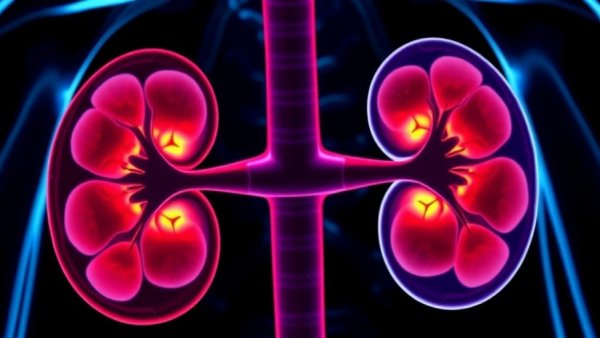
Acute kidney injury (AKI) is a serious complication that poses significant risks, especially in older patients undergoing cardiac surgery. Recent research has shed light on this issue by creating a predictive model that employs immunologic and inflammatory biomarkers to better identify these risks. This model not only aims to enhance clinical outcomes but also fosters a deeper understanding of how cellular and immune factors play into postoperative complications, opening new avenues for targeted interventions.

Understanding the Model: Key Predictors of AKI

The study conducted involved a cohort of older patients at risk for new-onset AKI following cardiac surgery. Utilizing advanced statistical techniques, the researchers identified vital predictors such as chronic kidney disease, CD4+ T-cell counts, and inflammatory markers like procalcitonin and interleukin-6. These findings emphasize the crucial role of the immune system and inflammation in determining AKI risk. For health-conscious readers, this highlights the importance of robust immune function and inflammation management, especially as they pertain to aging and overall health.

The Link Between Aging, Immunity, and Kidney Health

With age comes a natural decline in immune function—often referred to as immunosenescence—which can compound the risks associated with surgeries. In relation to telomeres, the components that protect our chromosomes from deterioration, their shortening during the aging process can directly impact immune response. The interplay between telomere biology and aging exposes the necessity for proactive health strategies involving telomere length maintenance through lifestyle choices and potentially telomere supplements. Investigating these connections offers insights into how cellular aging impacts postoperative recovery and kidney health.

Future Implications: Integrating Predictive Models into Routine Care

The implications of this predictive model extend into potential future practices within healthcare settings. As healthcare providers increasingly emphasize personalized medicine, understanding the risk stratification for AKI can prompt timely interventions. Tailored approaches based on individual biomarkers could lead to improved patient monitoring protocols and treatment strategies, emphasizing the critical nature of integrating biological insights into clinical practice. This practice resonates with the objective of enhancing longevity and promoting vitality in a population gravitating toward personalized health optimization.

Risks and Challenges: A Call for Continued Research

Assessing the implications of AKI, alongside advancements in surgical and critical care, triggers a discussion surrounding the ongoing risks faced post-surgery. As research continues, the persistent challenges of kidney health—particularly in older populations—must remain at the forefront of clinical and preventative strategies. This reinforces the necessity for diligence in both research and practical application. There is an urgency in understanding how factors like telomere length and cellular rejuvenation influence outcomes, not only to address AKI but to foster sustained overall wellness.

Conclusion: Embracing Science for Enhanced Health

As we look to the evolving landscape of postoperative care, the insights gained from studies such as these are invaluable. For health-conscious individuals, integrating knowledge about immunology, telomeres, and inflammatory markers into everyday health practices can significantly influence aging and recovery outcomes. Embracing an informed, pro-active approach to health can lead to improved resilience in the face of challenges like surgical recovery. Stay ahead in your health journey—a healthier future begins with understanding the body’s intricate systems!

Telomere Science

1 Views

0 Comments

Write A Comment

*
*
Please complete the captcha to submit your comment.
Related Posts All Posts
11.25.2026

Unlocking Skin Longevity: How Royal Jelly Improves Telomere Health

Update The Science Behind Skin Aging and Its Impact on Longevity Skin aging is not merely a consequence of time—rather, it's a complex interplay of intrinsic biological processes and external environmental factors. As the quest for youthful skin becomes increasingly intertwined with scientific research, understanding these factors becomes crucial for anyone interested in skin longevity. Key issues like telomere shortening, which marks the end of cellular division, directly relate to skin health and longevity. Natural aging processes, compounded by factors such as sun exposure, pollution, and lifestyle choices, accelerate this timeline. Thus, grasping the mechanisms at play is essential for enhancing both skin vitality and overall health. Benefits of Royal Jelly: A Natural Biohack for Skin Royal jelly (RJ) emerges as a remarkable bioactive compound in the realm of skincare. Known for its antioxidant properties and ability to promote longevity, RJ has shown potential in addressing the biological markers related to skin aging. With innovative delivery systems like cyclodextrin-based formulations, RJ enhances bioavailability, ensuring that its beneficial compounds actively work on cellular rejuvenation, combating issues such as inflammation and mitochondrial dysfunction. Its diverse composition, which includes vitamins, amino acids, and fatty acids, contributes significantly to skin repair processes. Regular incorporation of RJ into skincare regimens could lead to visibly healthier skin, restoring elasticity and reducing signs of aging. The Role of Telomeres in Skin Longevity: An In-Depth Look Telomeres, the protective caps on the ends of chromosomes, play a vital role in cellular health. As we age, these telomeres shorten, which is closely linked to the decline of cellular function and regenerative capacity. Recent studies highlight the importance of maintaining telomere length as a strategy to support skin health. Not only does preserving telomere integrity contribute to healthier skin, but it also aligns with genetic factors and epigenetic processes that influence aging. By ensuring that cells can continue to divide without reaching their replicative limit, we enhance skin resilience—producing younger-looking skin over a longer period. Innovative Delivery Systems: Enhancing the Efficacy of Royal Jelly Research has demonstrated that the effectiveness of royal jelly in skin rejuvenation can be significantly boosted through advanced delivery systems. A combination of instant-release and controlled-release formulations ensures that the beneficial compounds in RJ remain stable and bioavailable over time. This innovation promises better outcomes for not just skin health but also for the mechanisms that underlie cellular aging. As skin health enthusiasts are increasingly looking for scientifically-backed products, the integration of such formulations presents exciting avenues for skincare developers. Furthermore, better delivery systems may mean that users can experience the benefits of RJ much quicker and more appreciably. Future Predictions: The Intersection of Science and Skincare The ongoing intersection of scientific research and skincare technology holds immense potential for revolutionizing how we approach aging. Future advancements may unveil new strategies for activating telomerase, the enzyme responsible for extending telomeres, thereby enhancing skin repair processes beyond what is currently achievable. As individualized treatments gain traction, consumers can expect to access personalized skincare regimens informed by genetic predispositions and ongoing research. This personalization empowers individuals to select treatments tailored to their unique skin types, enhancing efficacy. Taking Action: Incorporating Science-Backed Supplements into Your Routine For health-conscious individuals, integrating royal jelly with other telomere-supporting supplements could accelerate skin rejuvenation efforts. Knowledge about epigenetics and DNA repair mechanisms allows consumers to make informed choices about products that align with their health goals. Products enriched with royal jelly, alongside lifestyle changes aimed at supporting telomere health, provide a promising pathway toward achieving youthful skin and longevity. Incorporating antioxidants from various fruits and vegetables can also enhance this process, ensuring a holistic approach to skincare. As science continues to unravel the complexities of aging, it’s crucial for consumers to stay informed about the latest findings in skincare and cellular rejuvenation. To embrace the potential of advanced strategies like royal jelly delivery systems, consider exploring trusted supplements and products that harness the power of this natural compound for enhanced vitality and skin health. Furthermore, adopting a well-rounded approach that includes hydration, sun protection, and a balanced diet can significantly amplify the benefits of royal jelly, enhancing both skin appearance and overall health for years to come.

11.24.2026

Insomnia Symptoms in Rural Indian Women: Key Factors and Insights

Update Understanding Insomnia Symptoms in Rural Indian Women Inadequate sleep poses a significant challenge for many, and this is especially true for rural women aged 45 and above in India. A recent study analyzing data from the Longitudinal Ageing Study in India (LASI) reveals that a staggering 42.8% of these women report experiencing insomnia symptoms. Insomnia among this demographic is not merely a matter of sleep disruption; it can have profound implications for overall health and quality of life. The Factors Driving Insomnia in Older Women The LASI study highlights several intertwined factors contributing to insomnia symptoms in rural women. These include older age, chronic illness, and food insecurity. Notably, social factors such as feelings of loneliness and experiences of discrimination further exacerbate sleep issues. Insufficient safety in domestic environments also raises concerns, illustrating the complex interplay between social determinants and health outcomes. The Broader Implications of Sleep Quality Good-quality sleep is critical for maintaining both physical and mental well-being, particularly in older adults. Sleep disturbances can hinder cognitive function, impair emotional stability, and reduce overall vitality. For health-conscious individuals, including wellness professionals aiming to enhance both personal and community health, these findings underscore the importance of addressing insomnia not just as a symptom but as a public health priority. Connecting Insomnia to Cellular Aging Recent research into telomere biology provides an intriguing context for understanding the relationship between sleep and aging. Telomeres, the protective caps at the ends of chromosomes, play a crucial role in cellular longevity. Studies indicate that poor sleep quality can accelerate telomere shortening, which may contribute to age-related decline and cellular rejuvenation issues. Thus, promoting better sleep could have cascading benefits, not only for mental health but also for cellular integrity. Strategies for Improving Sleep in Vulnerable Populations To combat insomnia symptoms, targeted interventions are necessary. Routine screenings can help identify individuals at risk, while community-based support mechanisms can address broader social determinants. Techniques such as cognitive behavioral therapy for insomnia (CBT-I) have shown promise in clinical settings. Additionally, integrating wellness practices, including dietary approaches that support telomere health through nutrient-rich foods and supplements, can enhance sleep quality and overall well-being. Future Predictions: Focus on Holistic Health Initiatives As global awareness about aging populations grows, integrating sleep health into the broader wellness paradigm becomes essential. With food insecurity and social isolation on the rise in many rural settings, initiatives to support holistic health — including sleep hygiene education, community engagement, and healthcare access — are vital. Researchers suggest that bolstering these areas will not only improve sleep outcomes but also enhance the general quality of life for vulnerable populations. Final Thoughts: Why Awareness and Action Matter As we strive to advance the Sustainable Development Goals for health, acknowledging and addressing insomnia in older women stands out as a crucial step. Health professionals, policymakers, and community leaders must collaborate to implement effective strategies that prioritize sleep quality. Improving sleep is not merely about addressing a symptom; it is about enhancing life quality and longevity. For those interested in maintaining vitality as they age, consider exploring aspects of telomere research, telomerase activation, and the impact of sleep on cellular health. Understanding these connections can empower individuals to take proactive steps towards better sleep, which is vital for healthy aging.

11.19.2026

Bridging the Standardization Gap in Longevity Medicine: A Call to Action

Update Understanding the Standardization Gap in Longevity MedicineThe growth of longevity medicine has been striking, marked by over 900 annual publications on healthy aging as of 2021, a dramatic increase from just 25 publications in 2000. This rapid development indicates a burgeoning interest in health maintenance and anti-aging techniques. However, despite this momentum, a glaring challenge persists: the absence of a universally accepted framework for assessing vital health metrics across various populations. Inconsistent application of biomarkers and assessment standards complicates clinical comparisons and hinders effective implementation.Exploring the Six Longevity DomainsThe proposed framework for longevity assessment encompasses six critical domains: biological age, cardiometabolic health, functional capacity, inflammation and immune aging, cognitive health, and sleep/circadian health and lifestyle. These domains are integral to a comprehensive understanding of healthy aging, yet their current application varies drastically, presenting both opportunities and challenges for researchers and practitioners alike. Each domain reflects a unique aspect of health that contributes to the overall aging process. For instance, biological age goes beyond chronological age to assess the actual physiological state of an individual, while cardiometabolic health looks at the risk factors associated with heart disease and metabolic dysfunction.Identifying the Inconsistencies in Current PracticesCurrent research efforts in longevity medicine often derive from disparate methodologies, leading to inconsistencies that obstruct scientific advancement. The identification of specific measures linked to longevity-relevant outcomes is crucial, but often limited by the absence of standardization. Without clear definitions and consistent protocols, validating and comparing findings across different clinical settings becomes a major hurdle. This fragmentation threatens the clinical application of research findings, leaving practitioners without reliable tools to guide their patients efficiently. Furthermore, the need for standardization underscores the importance of collaboration among international research communities, healthcare providers, and regulatory bodies.The Role of Existing FrameworksWhile several frameworks exist—such as the WHO ICOPE framework and various Delphi initiatives—the lack of a comprehensive, multi-domain clinical composite applicable to broadly healthy adults ranging from 30 to 80 years is particularly striking. In the face of extensive research and methodologies, the absence of one cohesive framework undermines efforts to evolve longevity medicine into a standard clinical practice. Furthermore, existing frameworks often address varied specific populations and clinical contexts but do not encapsulate a universally applicable standard for proactive biological monitoring.A Call for International Consensus in Longevity AssessmentThe narrative review ultimately advocates for an international consensus initiative, proposing eight criteria that any valid framework for longevity assessment should meet. These criteria would guide the establishment of clear, reliable measures that clinicians can use across different practices. By utilizing established methods like the Delphi technique, researchers can solicit expert opinions and enhance collaborative efforts to develop standardizable measures. A unified approach would not only facilitate clinical practice but also foster a better understanding of how biological factors and interventions can effectively combat aging. The consensus framework would help bridge the gap between research and practice, ultimately translating scientific advancements into practical tools for health professionals.Future Implications for Telomere Research and Anti-Aging StrategiesThe implications of such a framework extend deeply into areas like telomere research. Understanding telomere length and its role in cellular aging is essential for developing effective anti-aging strategies. For instance, the activation of telomerase and DNA repair mechanisms are vital for maintaining chromosome health, offering promising avenues for rejuvenation therapies. Integrating findings from telomere biology into standardized assessments could ultimately lead to breakthroughs in longevity-enhancing treatments. Moreover, as public awareness of aging and longevity increases, an emphasis on actionable strategies derived from telomere research could empower individuals to take proactive steps in their health journey.ConclusionThe endeavor to standardize longevity medicine highlights the significance of integrating diverse scientific disciplines into a cohesive framework. As interest in longevity and healthy aging continues to grow, establishing a common language around assessment standards will be crucial for guiding clinical practice and driving future research. The time is ripe for innovation in this field; advances in telomere biology and epigenetics could very well transform our understanding of aging, leading to targeted interventions that not only aim to extend lifespan but also enhance the quality of life for individuals as they age. As we navigate this uncharted territory, the commitment to an international consensus on longevity medicine remains critical, paving the way for future breakthroughs that could reshape how we approach aging and health.

cropper
update
Longevity Thrive
cropper
update

Longevity Thrive empowers individuals with science-backed insights, expert advice, and practical tools to optimize health, wellness, and longevity.

  • update
  • update
  • update
  • update
  • update
  • update
  • update
UPDATE

ABOUT US

Longevity Thrive is a media platform dedicated to providing science-backed insights, practical strategies, and the latest trends in health, wellness, and longevity. It empowers individuals to optimize their healthspan and live vibrant, fulfilling lives.

© 2026 Longevity Thrive All Rights Reserved. Harp Island Close, London, Brent NW100DF . Contact Us . Terms of Service . Privacy Policy

eyJjb21wYW55IjoiTG9uZ2V2aXR5IFRocml2ZSIsImFkZHJlc3MiOiJIYXJwIElzbGFuZCBDbG9zZSIsImNpdHkiOiJMb25kb24iLCJzdGF0ZSI6IkJyZW50IiwiemlwIjoiTlcxMDBERiIsImVtYWlsIjoibG9yZW5hc0BnZXRtaWxlcmlzbWFya2V0aW5nLmNvbSIsInRvcyI6IlBIQStQSE4wY205dVp6NDhaVzArVjJobGJpQjViM1VnYzJsbmJpMXBiaUIzYVhSb0lIVnpMQ0I1YjNVZ1lYSmxJR2RwZG1sdVp5WnVZbk53T3lCNWIzVnlJSEJsY20xcGMzTnBiMjRnWVc1a0lHTnZibk5sYm5RZ2RHOGdjMlZ1WkNCNWIzVWdaVzFoYVd3Z1lXNWtMMjl5SUZOTlV5QjBaWGgwSUcxbGMzTmhaMlZ6TGlCQ2VTQmphR1ZqYTJsdVp5QjBhR1VnVkdWeWJYTWdZVzVrSUVOdmJtUnBkR2x2Ym5NZ1ltOTRJR0Z1WkNCaWVTQnphV2R1YVc1bklHbHVJSGx2ZFNCaGRYUnZiV0YwYVdOaGJHeDVJR052Ym1acGNtMGdkR2hoZENCNWIzVWdZV05qWlhCMElHRnNiQ0IwWlhKdGN5QnBiaUIwYUdseklHRm5jbVZsYldWdWRDNDhMMlZ0UGp3dmMzUnliMjVuUGp3dmNENEtDanh3UGp4aElHaHlaV1k5SW1oMGRIQTZMeTkzZDNjdVoyOXZaMnhsTG1OdmJTSSthSFIwY0RvdkwzZDNkeTVuYjI5bmJHVXVZMjl0UEM5aFBqd3ZjRDRLQ2p4d1BpWnVZbk53T3p3dmNENEtDanh3UGp4emRISnZibWMrVTBWU1ZrbERSVHd2YzNSeWIyNW5Qand2Y0Q0S0NqeHdQbGRsSUhCeWIzWnBaR1VnWVNCelpYSjJhV05sSUhSb1lYUWdZM1Z5Y21WdWRHeDVJR0ZzYkc5M2N5QjViM1VnZEc4Z2NtVmpaV2wyWlNCeVpYRjFaWE4wY3lCbWIzSWdabVZsWkdKaFkyc3NJR052YlhCaGJua2dhVzVtYjNKdFlYUnBiMjRzSUhCeWIyMXZkR2x2Ym1Gc0lHbHVabTl5YldGMGFXOXVMQ0JqYjIxd1lXNTVJR0ZzWlhKMGN5d2dZMjkxY0c5dWN5d2daR2x6WTI5MWJuUnpJR0Z1WkNCdmRHaGxjaUJ1YjNScFptbGpZWFJwYjI1eklIUnZJSGx2ZFhJZ1pXMWhhV3dnWVdSa2NtVnpjeUJoYm1RdmIzSWdZMlZzYkhWc1lYSWdjR2h2Ym1VZ2IzSWdaR1YyYVdObExpQlpiM1VnZFc1a1pYSnpkR0Z1WkNCaGJtUWdZV2R5WldVZ2RHaGhkQ0IwYUdVZ1UyVnlkbWxqWlNCcGN5QndjbTkyYVdSbFpDQW1jWFZ2ZER0QlV5MUpVeVp4ZFc5ME95QmhibVFnZEdoaGRDQjNaU0JoYzNOMWJXVWdibThnY21WemNHOXVjMmxpYVd4cGRIa2dabTl5SUhSb1pTQjBhVzFsYkdsdVpYTnpMQ0JrWld4bGRHbHZiaXdnYldsekxXUmxiR2wyWlhKNUlHOXlJR1poYVd4MWNtVWdkRzhnYzNSdmNtVWdZVzU1SUhWelpYSWdZMjl0YlhWdWFXTmhkR2x2Ym5NZ2IzSWdjR1Z5YzI5dVlXeHBlbUYwYVc5dUlITmxkSFJwYm1kekxqd3ZjRDRLQ2p4d1BsbHZkU0JoY21VZ2NtVnpjRzl1YzJsaWJHVWdabTl5SUc5aWRHRnBibWx1WnlCaFkyTmxjM01nZEc4Z2RHaGxJRk5sY25acFkyVXNJR0Z1WkNCMGFHRjBJR0ZqWTJWemN5QnRZWGtnYVc1MmIyeDJaU0IwYUdseVpDMXdZWEowZVNCbVpXVnpJQ2h6ZFdOb0lHRnpJRk5OVXlCMFpYaDBJRzFsYzNOaFoyVnpMQ0JKYm5SbGNtNWxkQ0J6WlhKMmFXTmxJSEJ5YjNacFpHVnlJRzl5SUdObGJHeDFiR0Z5SUdGcGNuUnBiV1VnWTJoaGNtZGxjeWt1SUZsdmRTQmhjbVVnY21WemNHOXVjMmxpYkdVZ1ptOXlJSFJvYjNObElHWmxaWE1zSUdsdVkyeDFaR2x1WnlCMGFHOXpaU0JtWldWeklHRnpjMjlqYVdGMFpXUWdkMmwwYUNCMGFHVWdaR2x6Y0d4aGVTQnZjaUJrWld4cGRtVnllU0J2WmlCbFlXTm9JRk5OVXlCMFpYaDBJRzFsYzNOaFoyVWdkMlVnYzJWdVpDQjBieUI1YjNVdUlFbHVJR0ZrWkdsMGFXOXVMQ0I1YjNVZ2JYVnpkQ0J3Y205MmFXUmxJR0Z1WkNCaGNtVWdjbVZ6Y0c5dWMybGliR1VnWm05eUlHRnNiQ0JsY1hWcGNHMWxiblFnYm1WalpYTnpZWEo1SUhSdklHRmpZMlZ6Y3lCMGFHVWdVMlZ5ZG1salpTQmhibVFnY21WalpXbDJaU0IwYUdVZ1UwMVRJSFJsZUhRZ2JXVnpjMkZuWlhNdUlGZGxJR1J2SUc1dmRDQmphR0Z5WjJVZ1lXNTVJR1psWlhNZ1ptOXlJSFJvWlNCa1pXeHBkbVZ5ZVNCdlppQmxiV0ZwYkNCdmNpQlRUVk11SUZSb2FYTWdhWE1nWVNCbWNtVmxJSE5sY25acFkyVWdkMlVnY0hKdmRtbGtaUzRnU0c5M1pYWmxjaXdnY0d4bFlYTmxJR05vWldOcklIZHBkR2dnZVc5MWNpQnBiblJsY201bGRDQnpaWEoyYVdObElIQnliM1pwWkdWeUlHRnVaQ0JqWld4c2RXeGhjaUJqWVhKeWFXVnlJR1p2Y2lCaGJua2dZMmhoY21kbGN5QjBhR0YwSUhsdmRTQnRZWGtnYVc1amRYSWdZWE1nWVNCeVpYTjFiSFFnYjJZZ2NtVmpaV2wyYVc1bklHVnRZV2xzSUdGdVpDQlRUVk1nZEdWNGRDQnRaWE56WVdkbGN5QjBhR0YwSUhkbElHUmxiR2wyWlhJZ2RYQnZiaUI1YjNWeUlHOXdkQzFwYmlCaGJtUWdjbVZuYVhOMGNtRjBhVzl1SUhkcGRHZ2diM1Z5SUdWdFlXbHNJR0Z1WkNCVFRWTWdjMlZ5ZG1salpYTXVJRmx2ZFNCallXNGdZMkZ1WTJWc0lHRjBJR0Z1ZVNCMGFXMWxMaUJLZFhOMElIUmxlSFFnSm5GMWIzUTdVMVJQVUNaeGRXOTBPeUIwYnladVluTndPenhvYVdkb2JHbG5hSFFnWTJ4aGMzTTlJbU52YlhCaGJubFRUVk5RYUc5dVpWVndaR0YwWlNJK2JuVnNiRHd2YUdsbmFHeHBaMmgwUGk0Z1FXWjBaWElnZVc5MUlITmxibVFnZEdobElGTk5VeUJ0WlhOellXZGxJQ1p4ZFc5ME8xTlVUMUFtY1hWdmREc2dkRzhnZFhNc0lIZGxJSGRwYkd3Z2MyVnVaQ0I1YjNVZ1lXNGdVMDFUSUcxbGMzTmhaMlVnZEc4Z1kyOXVabWx5YlNCMGFHRjBJSGx2ZFNCb1lYWmxJR0psWlc0Z2RXNXpkV0p6WTNKcFltVmtMaUJCWm5SbGNpQjBhR2x6TENCNWIzVWdkMmxzYkNCdWJ5QnNiMjVuWlhJZ2NtVmpaV2wyWlNCVFRWTWdiV1Z6YzJGblpYTWdabkp2YlNCMWN5NDhMM0ErQ2dvOGNENDhjM1J5YjI1blBsbFBWVklnVWtWSFNWTlVVa0ZVU1U5T0lFOUNURWxIUVZSSlQwNVRQQzl6ZEhKdmJtYytQQzl3UGdvS1BIQStTVzRnWTI5dWMybGtaWEpoZEdsdmJpQnZaaUI1YjNWeUlIVnpaU0J2WmlCMGFHVWdVMlZ5ZG1salpTd2dlVzkxSUdGbmNtVmxJSFJ2T2p3dmNENEtDanh2YkQ0S0NUeHNhVDV3Y205MmFXUmxJSFJ5ZFdVc0lHRmpZM1Z5WVhSbExDQmpkWEp5Wlc1MElHRnVaQ0JqYjIxd2JHVjBaU0JwYm1admNtMWhkR2x2YmlCaFltOTFkQ0I1YjNWeWMyVnNaaUJoY3lCd2NtOXRjSFJsWkNCaWVTQjBhR1VnVTJWeWRtbGpaU1lqTXprN2N5QnlaV2RwYzNSeVlYUnBiMjRnWm05eWJTQW9jM1ZqYUNCcGJtWnZjbTFoZEdsdmJpQmlaV2x1WnlCMGFHVWdKbkYxYjNRN1VtVm5hWE4wY21GMGFXOXVJRVJoZEdFbWNYVnZkRHNwSUdGdVpEd3ZiR2srQ2drOGJHaytiV0ZwYm5SaGFXNGdZVzVrSUhCeWIyMXdkR3g1SUhWd1pHRjBaU0IwYUdVZ1VtVm5hWE4wY21GMGFXOXVJRVJoZEdFZ2RHOGdhMlZsY0NCcGRDQjBjblZsTENCaFkyTjFjbUYwWlN3Z1kzVnljbVZ1ZENCaGJtUWdZMjl0Y0d4bGRHVXVJRWxtSUhsdmRTQndjbTkyYVdSbElHRnVlU0JwYm1admNtMWhkR2x2YmlCMGFHRjBJR2x6SUhWdWRISjFaU3dnYVc1aFkyTjFjbUYwWlN3Z2JtOTBJR04xY25KbGJuUWdiM0lnYVc1amIyMXdiR1YwWlN3Z2IzSWdkMlVnYUdGMlpTQnlaV0Z6YjI1aFlteGxJR2R5YjNWdVpITWdkRzhnYzNWemNHVmpkQ0IwYUdGMElITjFZMmdnYVc1bWIzSnRZWFJwYjI0Z2FYTWdkVzUwY25WbExDQnBibUZqWTNWeVlYUmxMQ0J1YjNRZ1kzVnljbVZ1ZENCdmNpQnBibU52YlhCc1pYUmxMQ0IzWlNCb1lYWmxJSFJvWlNCeWFXZG9kQ0IwYnlCemRYTndaVzVrSUc5eUlEeHpkSEp2Ym1jK1BITndZVzRnYzNSNWJHVTlJbU52Ykc5eU9pTkdSakF3TURBN0lqNTBaWEp0YVc1aGRHVWdlVzkxY2lCaFkyTnZkVzUwTDNCeWIyWnBiR1VnWVc1a0lISmxablZ6WlNCaGJua2dZVzVrSUdGc2JDQmpkWEp5Wlc1MElHOXlJR1oxZEhWeVpTQjFjMlVnYjJZZ2RHaGxJRk5sY25acFkyVWdLRzl5SUdGdWVTQndiM0owYVc5dUlIUm9aWEpsYjJZcExqd3ZjM0JoYmo0OEwzTjBjbTl1Wno0OEwyeHBQZ284TDI5c1Bnb0tQSEErSm01aWMzQTdQQzl3UGdvOGFHbG5hR3hwWjJoMElHTnNZWE56UFNKamIyMXdZVzU1VG1GdFpWVndaR0YwWlNJK1RHOXVaMlYyYVhSNUlGUm9jbWwyWlR3dmFHbG5hR3hwWjJoMFBqeGljaUF2UGdvOGFHbG5hR3hwWjJoMElHTnNZWE56UFNKamIyMXdZVzU1UVdSa2NtVnpjMVZ3WkdGMFpTSStTR0Z5Y0NCSmMyeGhibVFnUTJ4dmMyVXNJRXh2Ym1SdmJpd2dRbkpsYm5RZ1RsY3hNREJFUmp3dmFHbG5hR3hwWjJoMFBqeGljaUF2UGdvOGFHbG5hR3hwWjJoMElHTnNZWE56UFNKamIyMXdZVzU1VUdodmJtVlZjR1JoZEdVaVBpczBORGM0TlRZMU5UQXdNelU4TDJocFoyaHNhV2RvZEQ0OFluSWdMejRLUEdocFoyaHNhV2RvZENCamJHRnpjejBpWTI5dGNHRnVlVVZ0WVdsc1ZYQmtZWFJsSWo1c2IzSmxibUZ6UUdkbGRHMXBiR1Z5YVhOdFlYSnJaWFJwYm1jdVkyOXRQQzlvYVdkb2JHbG5hSFErIiwicHJpdmFjeSI6IlBIQStQSE4wY205dVp6NVFVa2xXUVVOWlBDOXpkSEp2Ym1jK1BDOXdQZ29LUEhBK1BITjBjbTl1Wno1VWFHVWdhVzVtYjNKdFlYUnBiMjRnY0hKdmRtbGtaV1FnWkhWeWFXNW5JSFJvYVhNZ2NtVm5hWE4wY21GMGFXOXVJR2x6SUd0bGNIUWdjSEpwZG1GMFpTQmhibVFnWTI5dVptbGtaVzUwYVdGc0xDQmhibVFnZDJsc2JDQnVaWFpsY2lCaVpTQmthWE4wY21saWRYUmxaQ3dnWTI5d2FXVmtMQ0J6YjJ4a0xDQjBjbUZrWldRZ2IzSWdjRzl6ZEdWa0lHbHVJR0Z1ZVNCM1lYa3NJSE5vWVhCbElHOXlJR1p2Y20wdUlGUm9hWE1nYVhNZ2IzVnlJR2QxWVhKaGJuUmxaUzQ4TDNOMGNtOXVaejQ4TDNBK0NnbzhjRDQ4YzNSeWIyNW5Qa2xPUkVWTlRrbFVXVHd2YzNSeWIyNW5Qand2Y0Q0S0NqeHdQanhsYlQ1WmIzVWdZV2R5WldVZ2RHOGdhVzVrWlcxdWFXWjVJR0Z1WkNCb2IyeGtJSFZ6TENCaGJtUWdhWFJ6SUhOMVluTnBaR2xoY21sbGN5d2dZV1ptYVd4cFlYUmxjeXdnYjJabWFXTmxjbk1zSUdGblpXNTBjeXdnWTI4dFluSmhibVJsY25NZ2IzSWdiM1JvWlhJZ2NHRnlkRzVsY25Nc0lHRnVaQ0JsYlhCc2IzbGxaWE1zSUdoaGNtMXNaWE56SUdaeWIyMGdZVzU1SUdOc1lXbHRJRzl5SUdSbGJXRnVaQ3dnYVc1amJIVmthVzVuSUhKbFlYTnZibUZpYkdVZ1lYUjBiM0p1WlhsekppTXpPVHNnWm1WbGN5d2diV0ZrWlNCaWVTQmhibmtnZEdocGNtUWdjR0Z5ZEhrZ1pIVmxJSFJ2SUc5eUlHRnlhWE5wYm1jZ2IzVjBJRzltSUVOdmJuUmxiblFnZVc5MUlISmxZMlZwZG1Vc0lITjFZbTFwZEN3Z2NtVndiSGtzSUhCdmMzUXNJSFJ5WVc1emJXbDBJRzl5SUcxaGEyVWdZWFpoYVd4aFlteGxJSFJvY205MVoyZ2dkR2hsSUZObGNuWnBZMlVzSUhsdmRYSWdkWE5sSUc5bUlIUm9aU0JUWlhKMmFXTmxMQ0I1YjNWeUlHTnZibTVsWTNScGIyNGdkRzhnZEdobElGTmxjblpwWTJVc0lIbHZkWElnZG1sdmJHRjBhVzl1SUc5bUlIUm9aU0JVVDFNc0lHOXlJSGx2ZFhJZ2RtbHZiR0YwYVc5dUlHOW1JR0Z1ZVNCeWFXZG9kSE1nYjJZZ1lXNXZkR2hsY2k0OEwyVnRQand2Y0Q0S0NqeHdQanh6ZEhKdmJtYytSRWxUUTB4QlNVMUZVaUJQUmlCWFFWSlNRVTVVU1VWVFBDOXpkSEp2Ym1jK1BDOXdQZ29LUEhBK1BITjBjbTl1Wno1WlQxVWdSVmhRVWtWVFUweFpJRlZPUkVWU1UxUkJUa1FnUVU1RUlFRkhVa1ZGSUZSSVFWUTZQQzl6ZEhKdmJtYytQQzl3UGdvS1BHOXNQZ29KUEd4cFBsbFBWVklnVlZORklFOUdJRlJJUlNCVFJWSldTVU5GSUVsVElFRlVJRmxQVlZJZ1UwOU1SU0JTU1ZOTExpQlVTRVVnVTBWU1ZrbERSU0JKVXlCUVVrOVdTVVJGUkNCUFRpQkJUaUFtY1hWdmREdEJVeUJKVXlaeGRXOTBPeUJCVGtRZ0puRjFiM1E3UVZNZ1FWWkJTVXhCUWt4RkpuRjFiM1E3SUVKQlUwbFRMaUFzTGlCQlRrUWdWVk1zSUVsVUppTXpPVHRUSUVOVlUxUlBUVVZTVXl3Z1JWaFFVa1ZUVTB4WklFUkpVME5NUVVsTlV5QkJURXdnVjBGU1VrRk9WRWxGVXlCUFJpQkJUbGtnUzBsT1JDd2dWMGhGVkVoRlVpQkZXRkJTUlZOVElFOVNJRWxOVUV4SlJVUXNJRWxPUTB4VlJFbE9SeXdnUWxWVUlFNVBWQ0JNU1UxSlZFVkVJRlJQSUZSSVJTQkpUVkJNU1VWRUlGZEJVbEpCVGxSSlJWTWdUMFlnVFVWU1EwaEJUbFJCUWtsTVNWUlpMQ0JHU1ZST1JWTlRJRVpQVWlCQklGQkJVbFJKUTFWTVFWSWdVRlZTVUU5VFJTQkJUa1FnVGs5T0xVbE9SbEpKVGtkRlRVVk9WQzQ4TDJ4cFBnb0pQR3hwUGsxQlMwVlRJRTVQSUZkQlVsSkJUbFJaSUZSSVFWUWdLR2twSUZSSVJTQlRSVkpXU1VORklGZEpURXdnVFVWRlZDQlpUMVZTSUZKRlVWVkpVa1ZOUlU1VVV5d2dLR2xwS1NCVVNFVWdVMFZTVmtsRFJTQlhTVXhNSUVKRklGVk9TVTVVUlZKU1ZWQlVSVVFzSUZSSlRVVk1XU3dnVTBWRFZWSkZMQ0JQVWlCRlVsSlBVaTFHVWtWRkxDQW9hV2xwS1NCVVNFVWdVa1ZUVlV4VVV5QlVTRUZVSUUxQldTQkNSU0JQUWxSQlNVNUZSQ0JHVWs5TklGUklSU0JWVTBVZ1QwWWdWRWhGSUZORlVsWkpRMFVnVjBsTVRDQkNSU0JCUTBOVlVrRlVSU0JQVWlCU1JVeEpRVUpNUlN3Z1FVNUVJQ2hwZGlrZ1FVNVpJRVZTVWs5U1V5QkpUaUJVU0VVZ1UwOUdWRmRCVWtVZ1YwbE1UQ0JDUlNCRFQxSlNSVU5VUlVRdVBDOXNhVDRLQ1R4c2FUNUJUbGtnVFVGVVJWSkpRVXdnUkU5WFRreFBRVVJGUkNCUFVpQlBWRWhGVWxkSlUwVWdUMEpVUVVsT1JVUWdWRWhTVDFWSFNDQlVTRVVnVlZORklFOUdJRlJJUlNCVFJWSldTVU5GSUVsVElFUlBUa1VnUVZRZ1dVOVZVaUJQVjA0Z1JFbFRRMUpGVkVsUFRpQkJUa1FnVWtsVFN5QkJUa1FnVkVoQlZDQlpUMVVnVjBsTVRDQkNSU0JUVDB4RlRGa2dVa1ZUVUU5T1UwbENURVVnUms5U0lFRk9XU0JFUVUxQlIwVWdWRThnV1U5VlVpQkRUMDFRVlZSRlVpQlRXVk5VUlUwZ1QxSWdURTlUVXlCUFJpQkVRVlJCSUZSSVFWUWdVa1ZUVlV4VVV5QkdVazlOSUZSSVJTQkVUMWRPVEU5QlJDQlBSaUJCVGxrZ1UxVkRTQ0JOUVZSRlVrbEJUQzQ4TDJ4cFBnb0pQR3hwUGs1UElFRkVWa2xEUlNCUFVpQkpUa1pQVWsxQlZFbFBUaXdnVjBoRlZFaEZVaUJQVWtGTUlFOVNJRmRTU1ZSVVJVNHNJRTlDVkVGSlRrVkVJRUpaSUZsUFZTQkdVazlOSUU5U0lGUklVazlWUjBnZ1QxSWdSbEpQVFNCVVNFVWdVMFZTVmtsRFJTQlRTRUZNVENCRFVrVkJWRVVnUVU1WklGZEJVbEpCVGxSWklFNVBWQ0JGV0ZCU1JWTlRURmtnVTFSQlZFVkVJRWxPSUZSSVJTQlVUMU11UEM5c2FUNEtQQzl2YkQ0S0NqeHdQanh6ZEhKdmJtYytURWxOU1ZSQlZFbFBUaUJQUmlCTVNVRkNTVXhKVkZrOEwzTjBjbTl1Wno0OEwzQStDZ284Y0Q1WlQxVWdSVmhRVWtWVFUweFpJRlZPUkVWU1UxUkJUa1FnUVU1RUlFRkhVa1ZGSUZSSVFWUWdRVTVFSUZOSVFVeE1JRTVQVkNCQ1JTQk1TVUZDVEVVZ1JrOVNJRUZPV1NCRVNWSkZRMVFzSUVsT1JFbFNSVU5VTENCSlRrTkpSRVZPVkVGTUxDQlRVRVZEU1VGTUxDQkRUMDVUUlZGVlJVNVVTVUZNSUU5U0lFVllSVTFRVEVGU1dTQkVRVTFCUjBWVExDQkpUa05NVlVSSlRrY2dRbFZVSUU1UFZDQk1TVTFKVkVWRUlGUlBMQ0JFUVUxQlIwVlRJRVpQVWlCTVQxTlRJRTlHSUZCU1QwWkpWRk1zSUVkUFQwUlhTVXhNTENCVlUwVXNJRVJCVkVFZ1QxSWdUMVJJUlZJZ1NVNVVRVTVIU1VKTVJTQk1UMU5UUlZNZ0tFVldSVTRnU1VZZ1NFRlRJRUpGUlU0Z1FVUldTVk5GUkNCUFJpQlVTRVVnVUU5VFUwbENTVXhKVkZrZ1QwWWdVMVZEU0NCRVFVMUJSMFZUS1N3Z1VrVlRWVXhVU1U1SElFWlNUMDA2UEM5d1Bnb0tQRzlzUGdvSlBHeHBQbFJJUlNCVlUwVWdUMUlnVkVoRklFbE9RVUpKVEVsVVdTQlVUeUJWVTBVZ1ZFaEZJRk5GVWxaSlEwVTdQQzlzYVQ0S0NUeHNhVDVVU0VVZ1EwOVRWQ0JQUmlCUVVrOURWVkpGVFVWT1ZDQlBSaUJUVlVKVFZFbFVWVlJGSUVkUFQwUlRJRUZPUkNCVFJWSldTVU5GVXlCU1JWTlZURlJKVGtjZ1JsSlBUU0JCVGxrZ1IwOVBSRk1zSUVSQlZFRXNJRWxPUms5U1RVRlVTVTlPSUU5U0lGTkZVbFpKUTBWVElGQlZVa05JUVZORlJDQlBVaUJQUWxSQlNVNUZSQ0JQVWlCTlJWTlRRVWRGVXlCU1JVTkZTVlpGUkNCUFVpQlVVa0ZPVTBGRFZFbFBUbE1nUlU1VVJWSkZSQ0JKVGxSUElGUklVazlWUjBnZ1QxSWdSbEpQVFNCVVNFVWdVMFZTVmtsRFJUczhMMnhwUGdvSlBHeHBQbFZPUVZWVVNFOVNTVnBGUkNCQlEwTkZVMU1nVkU4Z1QxSWdRVXhVUlZKQlZFbFBUaUJQUmlCWlQxVlNJRlJTUVU1VFRVbFRVMGxQVGxNZ1QxSWdSRUZVUVRzOEwyeHBQZ29KUEd4cFBsTlVRVlJGVFVWT1ZGTWdUMUlnUTA5T1JGVkRWQ0JQUmlCQlRsa2dWRWhKVWtRZ1VFRlNWRmtnVDA0Z1ZFaEZJRk5GVWxaSlEwVTdJRTlTUEM5c2FUNEtDVHhzYVQ1QlRsa2dUMVJJUlZJZ1RVRlVWRVZTSUZKRlRFRlVTVTVISUZSUElGUklSU0JUUlZKV1NVTkZMand2YkdrK0Nqd3ZiMncrQ2dvOGNENDhkVDVDZVNCeVpXZHBjM1JsY21sdVp5QmhibVFnYzNWaWMyTnlhV0pwYm1jZ2RHOGdiM1Z5SUdWdFlXbHNJR0Z1WkNCVFRWTWdjMlZ5ZG1salpTd2dZbmtnYjNCMExXbHVMQ0J2Ym14cGJtVWdjbVZuYVhOMGNtRjBhVzl1SUc5eUlHSjVJR1pwYkd4cGJtY2diM1YwSUdFZ1kyRnlaQ3dnSm5GMWIzUTdlVzkxSUdGbmNtVmxJSFJ2SUhSb1pYTmxJRlJGVWsxVElFOUdJRk5GVWxaSlEwVW1jWFZ2ZERzZ1lXNWtJSGx2ZFNCaFkydHViM2RzWldSblpTQmhibVFnZFc1a1pYSnpkR0Z1WkNCMGFHVWdZV0p2ZG1VZ2RHVnliWE1nYjJZZ2MyVnlkbWxqWlNCdmRYUnNhVzVsWkNCaGJtUWdaR1YwWVdsc1pXUWdabTl5SUhsdmRTQjBiMlJoZVM0OEwzVStQQzl3UGdvS1BIQStKbTVpYzNBN1BDOXdQZ284YUdsbmFHeHBaMmgwSUdOc1lYTnpQU0pqYjIxd1lXNTVUbUZ0WlZWd1pHRjBaU0krVEc5dVoyVjJhWFI1SUZSb2NtbDJaVHd2YUdsbmFHeHBaMmgwUGp4aWNpQXZQZ284YUdsbmFHeHBaMmgwSUdOc1lYTnpQU0pqYjIxd1lXNTVRV1JrY21WemMxVndaR0YwWlNJK1NHRnljQ0JKYzJ4aGJtUWdRMnh2YzJVc0lFeHZibVJ2Yml3Z1FuSmxiblFnVGxjeE1EQkVSand2YUdsbmFHeHBaMmgwUGp4aWNpQXZQZ284YUdsbmFHeHBaMmgwSUdOc1lYTnpQU0pqYjIxd1lXNTVVR2h2Ym1WVmNHUmhkR1VpUGlzME5EYzROVFkxTlRBd016VThMMmhwWjJoc2FXZG9kRDQ4WW5JZ0x6NEtQR2hwWjJoc2FXZG9kQ0JqYkdGemN6MGlZMjl0Y0dGdWVVVnRZV2xzVlhCa1lYUmxJajVzYjNKbGJtRnpRR2RsZEcxcGJHVnlhWE50WVhKclpYUnBibWN1WTI5dFBDOW9hV2RvYkdsbmFIUSsifQ==

Terms of Service

Privacy Policy

Core Modal Title

Sorry, no results found

You Might Find These Articles Interesting

T
Please Check Your Email
We Will Be Following Up Shortly
*
*
*