


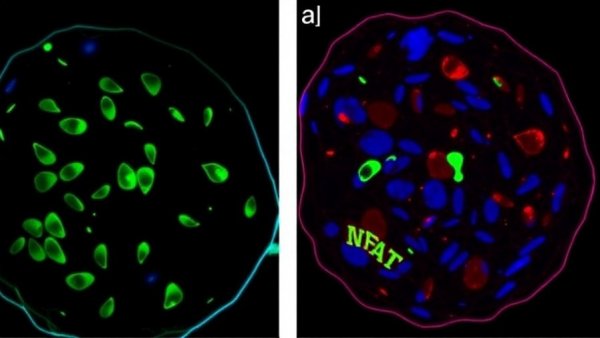
Understanding the PHF2–NFATc1 Axis: What You Need to Know
Osteoclast differentiation is a key process in the realm of bone health, particularly when discussing conditions like osteoporosis. At the heart of this intricate process is the protein NFATc1, which plays a crucial role in osteoclastogenesis. Recent research has brought to light the significant role of plant homeodomain finger protein 2 (PHF2) as a regulatory element in this process. Just like how a conductor directs an orchestra, PHF2 stabilizes NFATc1 by preventing excessive osteoclast formation, thus potentially warding off bone loss.
Why This Discovery Matters for Your Health
This research is particularly relevant for health-conscious individuals looking to optimize bone health and longevity. Understanding how PHF2 interacts with NFATc1 provides insights into possible interventions that can help maintain a healthy bony framework as we age. Osteoporosis, characterized by weak and brittle bones, is a significant concern, particularly for postmenopausal women. The revelation of the PHF2–NFATc1 axis could lead to innovative therapeutic strategies aimed at enhancing bone density and overall health.
Interestingly, the decline of PHF2 during the process of osteoclastogenesis suggests that maintaining its levels could be a potential avenue for intervention. As research evolves, targeting the PHF2 mechanism may represent a revolutionary breakthrough in how we approach the treatment of osteoporosis and other bone-related ailments.
Looking Ahead: Implications for Bone Health
This discovery raises intriguing future possibilities. The identification of PHF2 as a brake on osteoclast differentiation hints that targeting this protein might allow medical professionals to control osteoclast activity effectively. This could be vital for developing therapies that not only prevent the progression of osteoporosis but enhance overall cellular health within the skeletal system.
Furthermore, the research suggests that understanding the balance between PHF2 and NFATc1 might pave the way for personalized medicine approaches, where treatments are tailored to individual needs based on their specific biological profiles. This prospect aligns with the growing trend in healthcare toward precision therapies that consider the unique genetic and molecular compositions of patients.
Preventative Strategies: How to Harness This Knowledge
Armed with this knowledge, individuals can take proactive steps toward optimizing their bone health. Incorporating dietary protocols rich in calcium and vitamin D, alongside engaging in regular weight-bearing exercises, can fortify bones. Some excellent sources of calcium include dairy products, leafy greens, and fortified foods. Meanwhile, vitamin D from sunlight exposure or supplements can help the body absorb calcium more effectively.
In addition to these staples, consider integrating foods high in antioxidants and anti-inflammatory properties, which can further promote bone health. Berries, nuts, and fatty fish not only support bone strength but also contribute to general well-being.
Additionally, supplements specifically aimed at enhancing cellular health and longevity are becoming a staple in biohacking health strategies. Various formulations are now available that focus on improving bone density and overall health, which could prove instrumental in preventing osteoporosis and supporting skeletal integrity as we age. Pairing lifestyle choices with informed science could empower you to take command over your health destiny.
Common Misconceptions About Osteoclasts and Bone Health
Many believe that osteoclasts are completely detrimental to bone health. However, they play a vital role in the remodeling process, allowing for the replacement of old bone with new tissue. This process is essential for repairing micro-damage and for adapting the skeleton to changes in physical demands.
Understanding the balance between osteoblasts (bone-forming cells) and osteoclasts can arm individuals with a more nutritious perspective on bone health. Enthusiasts of wellness often discuss bone health without acknowledging the necessary interplay between these two cell types. This balance is key in strategies for both longevity and a sustained healthy lifestyle.
Engaging with Science: The Importance of Research in Health Decisions
The cutting-edge research revealing the actions of PHF2 serves as a reminder of the significance of science-backed health insights. Staying informed about ongoing studies not only enhances our knowledge base but encourages us to make evidence-based health decisions. In our information-rich world, the ability to discern credible studies from noise can empower individuals to assert control over their health journeys.
Awareness of such discoveries can guide discussions with healthcare providers regarding personalized health strategies. Whether it’s optimizing current treatments or incorporating new findings into preventive measures, an educated patient is often more adept at navigating the healthcare landscape. Engaging with scientific research can demystify complex processes and clarify how certain interventions might work in favor of better health outcomes.
In conclusion, the recent findings surrounding the PHF2–NFATc1 pathway unravel complex interactions within our bodies that hold the potential to redefine our approach to health optimization. By staying educated about these advancements, you can effectively contribute to a longer, healthier life.
Make sure to consider how understanding PHF2's role can lead to innovative strategies for disease prevention and optimized health! By being proactive and informed, you can play a significant role in maintaining not just bone health but holistic wellness over the years.












Write A Comment