


Understanding Mechanotransduction in Placental Endothelium
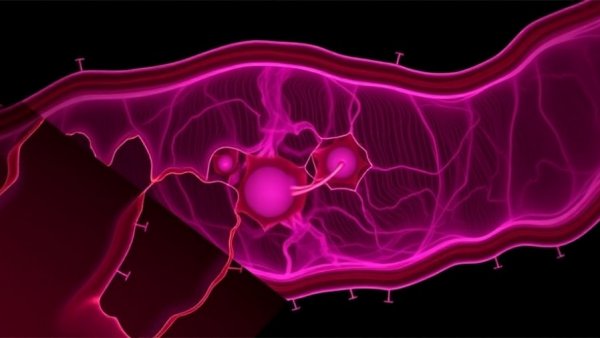
The placental endothelium is crucial for maintaining fetal health, acting as a barrier and facilitator for nutrient and gas exchange. This article delves into the impressive capabilities of this complex organ, particularly focusing on mechanotransduction — the process through which cells convert mechanical stimuli into biochemical signals. The endothelium is continuously subjected to various mechanical forces, including fluid shear stress and cyclic stretch, which trigger intricate signaling pathways essential for endothelial homeostasis.
The Biochemical Dance: Key Players in Mechanotransduction
At the core of mechanotransduction are elements like the endothelial glycocalyx and integrins that mediate cellular responses to external forces. Mechanosensitive ion channels, notably Piezo1 and TRPV4, play pivotal roles in transducing physical stimuli into biochemical information. These pathways also include the Rho-family GTPases and the Hippo pathway, which collectively regulate cellular functions vital for placental health.
Consequences of Dysregulation in Pregnancy Complications
When mechanotransduction fails, severe complications can arise, such as preeclampsia (PE), fetal growth restriction (FGR), and gestational hypertension (GH). Research shows that defective spiral artery remodeling can lead to inadequate placental perfusion, causing hypoxic conditions that impede fetal growth. A critical factor in PE is the reduced activity of the Hippo–YAP/TAZ pathway, impacting trophoblast invasion and placental development. This research underlines the importance of understanding mechanotransduction to address these pregnancy complications effectively.
Innovative Approaches and Future Directions in Placental Health
Recent developments in understanding placental mechanotransduction have opened avenues for innovative treatments. Targeted interventions, such as mitochondria-targeted antioxidants and pharmacological approaches to modulate mechanosensitive ion channels, represent promising strategies. For instance, evaluating the use of placenta-on-a-chip platforms allows for real-time investigation of placental biology, potentially accelerating the development of precision medicine to mitigate complications like PE and FGR.
Implications for Cellular Rejuvenation and Aging
The insights gleaned from placental mechanotransduction can extend beyond pregnancy health, intersecting with fields like regenerative medicine and cellular rejuvenation. Understanding how mechanical signals influence cellular behaviors can inform strategies for combating age-related degeneration. Enhancing mitochondrial function and promoting autophagy are two areas that benefit from this knowledge, potentially leading to innovative cellular repair mechanisms that extend vitality and health.
Conclusion: Bridging Obstetrics and Cellular Health
As research into placental mechanisms deepens, the implications for health at all stages of life become increasingly apparent. Integrating knowledge of mechanotransduction with emerging insights into cellular health could revolutionize how we approach both pregnancy-related complications and age-related health challenges. By recognizing the link between these two fields, we can pave the way for treatments that enhance vitality and well-being over a lifetime.











Write A Comment