


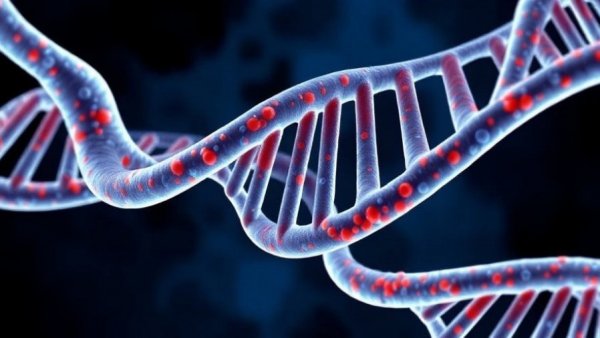
Understanding DNA Damage Response in Bone Tumors
The intricate relationship between DNA damage response (DDR) mechanisms and the therapeutic vulnerabilities of bone tumors is increasingly recognized in the field of oncology. Malignant bone tumors, namely osteosarcoma (OS), Ewing sarcoma (ES), and chondrosarcoma (CS), exhibit distinct DDR pathways driven by their specific genetic and histological contexts. This nuanced understanding informs new treatment paradigms that may enhance patient outcomes.
Distinct Molecular Profiles of Bone Tumors
OS is characterized by extensive genomic instability, featuring chromosomal rearrangements and a chaotic genome that complicates therapeutic efficacy. Conversely, ES often harbors fusion genes that induce replication stress, presenting unique therapeutic opportunities. In contrast, CS, influenced by varying histological contexts, shows differential DNA repair vulnerabilities, underscoring the necessity for tailored therapeutic strategies.
The Role of Autophagy and Cellular Repair
Central to the survival of cells, especially under stress from DNA damage, are processes like autophagy and cellular repair. In post-DNA damage scenarios, the enhancement of autophagy can prove vital for maintaining cellular health and promoting rejuvenation. Regenerative medicine approaches targeting these pathways may provide a synergistic effect with traditional treatments, as autophagy aids in mitigating senescence and promoting cell renewal.
Translating Biology Into Clinical Applications
The potential for translating insights from DDR biology into clinical strategies is vast yet complicated by diverse outcomes seen in clinical settings. Insights from genomic studies should ideally inform biomarker-driven approaches, where candidate biomarkers guide treatment selection. However, the unfortunate dissonance between preclinical sensitivity and clinical outcomes indicates that more robust clinical validation is necessary.
Future Directions for Research and Therapy
The future of treatment strategies in malignant bone tumors lies in harnessing the comprehensive understanding of DDR pathways to negate treatment resistance. Novel therapies integrating cellular rejuvenation strategies, like NAD+ boosters and stem cell therapy, alongside traditional chemotherapeutics could pave the way for improved survival rates. Moreover, as the field of regenerative medicine advances, strategies that rejuvenate cellular function while minimizing damage accumulation hold promise in addressing the underlying deficiencies seen in conventional approaches.
Final Thoughts
Navigating the complexities of DDR in bone tumors opens new avenues for targeted therapies that encapsulate both current knowledge of cellular health dynamics and innovative treatment modalities. For health-conscious individuals eager to explore the forefront of science-backed cellular rejuvenation, understanding these pathways not only highlights the latest research but also creates a foundation for future health innovations.










Write A Comment