


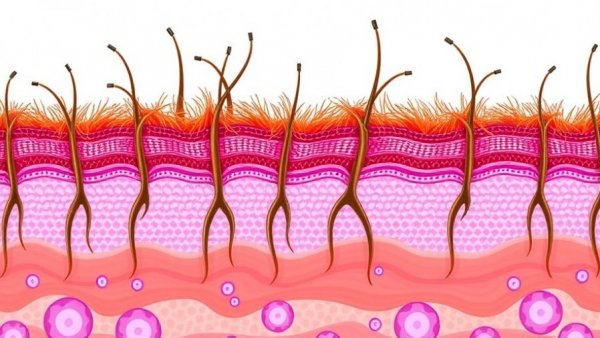
Understanding Androgenetic Alopecia and Its Implications
Androgenetic alopecia (AGA) affects millions, characterized by a receding hairline and thinning hair, particularly on the crown. Genetic factors heavily influence the onset of AGA, which often exacerbates with age and can be affected by hormonal fluctuations and lifestyle choices. Understanding the biology behind this condition is critical for developing effective treatments.
Decoding the Role of Androgens in Hair Loss
The androgen receptor (AR), especially its non-genomic forms, plays a pivotal role in AGA. While traditional treatments target genomic actions, recent studies suggest that rapid, non-genomic responses initiated by membrane-associated androgen receptors (mARs) also contribute significantly to hair follicle dynamics. These receptors, while not as widely studied, could hold the key to new treatment approaches.
Scientific Insights into Non-Genomic Pathways
The signaling cascades activated by mARs—such as Ras-Raf-MEK-ERK and PI3K-Akt-mTOR—mobilize intracellular signaling that ultimately influences hair follicle health and cycling. Importantly, the dynamic interplay between local androgen metabolism and receptor activation can dictate whether these pathways promote hair growth or contribute to hair loss. The understanding of both pro-regenerative and pathogenic pathways is critical in formulating new therapeutic strategies.
Integrating Dual Approaches in Treatment Strategies
As emerging research suggests, a combination approach targeting both genomic and non-genomic pathways may enhance treatment efficacy. This could involve using finasteride at low doses alongside specific mAR modulators, allowing for a targeted, nuanced therapeutic strategy that adapts to individual needs.
The Future of Research and Regenerative Medicine
Moving forward, there is a pressing need for follicle-specific models to validate these hypotheses directly in human AGA contexts. By expanding our understanding and integrating cellular health concepts, such as cellular rejuvenation and stem cell therapy, we can optimize interventions for AGA and potentially reverse senescence in hair follicles, enriching not just aesthetic outcomes but overall confidence and well-being.













Write A Comment