


Unlocking the Secrets of Autophagy: An Introduction
Imagine your body as a bustling city, where cells are the hardworking citizens maintaining order and efficiency. At the heart of this community lies autophagy, a remarkable recycling process that ensures cellular health, repairs damage, and declutters the cellular environment. Think of it as the city's waste management system, tackling unwanted debris like damaged proteins and dysfunctional organelles. With age, or due to stressors like diseases, this system often falters, leading to the chaos that can cause our 'city' to deteriorate. This is why recent advancements, like the optogenetic tool known as ASAP, are not just scientific breakthroughs but essential for our understanding of health and longevity.
ASAP: A Game-Changer in Understanding Autophagy
In a groundbreaking study, researchers introduced ASAP (Autophagy Snap Activator Probe) as a tool to rapidly inhibit autophagy—a process crucial for maintaining cellular homeostasis. What makes ASAP truly fascinating is its light-triggered mechanism, which allows scientists to inhibit autophagy within a mere five minutes of exposure. This precision provides a fresh lens to evaluate the role of autophagy dynamically, especially the regulation of essential proteins like those forming the nuclear pore complex.
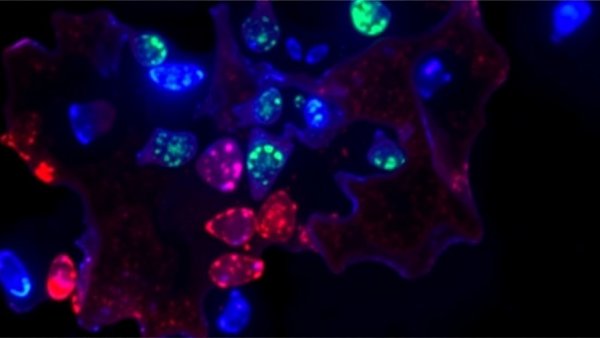
Prior research indicated that autophagy affects as much as 70% of the proteome, affecting proteins and organelles' quality control. With ASAP, scientists can now reveal specific, tightly regulated substrates of autophagy and how incomplete nucleoporin complexes, which are supposed to be degraded, instead form aggregates when autophagy is abruptly halted. This finding positions ASAP not just as a research tool but also as a potential key to unlocking new therapeutic avenues in treating conditions related to autophagy dysregulation, such as neurodegenerative diseases, cancer, and aging.
The Relevance of Autophagy in Disease Prevention
As we delve into the complex world of cellular mechanisms, one question arises: Why does it matter for you? The answer is rooted in the ever-approaching battle against aging and disease. Autophagy is increasingly recognized as a double-edged sword—it acts as a guardian when functioning properly but can contribute to disease when mismanaged. Dysregulated autophagy is implicated in various metabolic disorders and neurodegenerative conditions, making it a focal point for researchers and health enthusiasts alike.
Understanding autophagy and its regulation elucidates why certain wellness strategies and biohacking techniques have gained popularity. From intermittent fasting to chronic stress management, the goal is to inspire autophagy to flourish, promoting healthy aging and longevity. The insights gleaned from ASAP's findings not only affirm the necessity of keeping this cellular process operational but also present tangible benefits for those seeking to optimize health.
Biohacking Strategies for Longevity
Now, while it’s all fun and games to discuss cellular dynamics, let’s pivot to practical, science-backed strategies for health optimization. Here are a few biohacking tips inspired by current research:
- Intermittent Fasting: This method stimulates autophagy, giving cells a chance to clean house while you focus on life's more enjoyable pursuits, like binge-watching your favorite series guilt-free.
- High-Quality Nutrition: A balanced diet rich in antioxidants supports cellular health, minimizing oxidative stress that could overwhelm the autophagy process. Think of your body as a luxury car—the better the fuel, the better it runs.
- Regular Exercise: Physical activity acts as a trigger for autophagy, contributing to improved overall health and potentially extending your healthspan.
- Stress Reduction Techniques: Practices like meditation and yoga can enhance cellular health and promote better autophagy regulation by balancing stress hormones.
Looking Ahead: Future Predictions for Autophagy Research
As we stand on the brink of unprecedented advances in biomedical research, the future holds great promise. Innovations like ASAP can pave the way for deeper explorations into cellular processes, leading to breakthroughs in treating age-related diseases. Researchers are optimistic that understanding the intricate dance of autophagy will fuel the development of targeted therapies that could not only increase lifespan but also significantly enhance healthspan—shifting our wellness landscape from reactive to proactive.
This wave of research offers hope, igniting excitement in the realms of longevity, wellness, and disease prevention. As always, the road ahead may have twists and turns, but the commitment to understanding and optimizing our biology has never been clearer.
Your Next Steps towards a Healthier Future
As we embrace this evolving understanding of autophagy, it’s time for you to take action—integrate these strategies into your lifestyle and embark on your personalized health journey. By harnessing these insights, you can actively influence your body's cellular wellness and longevity.
In this connected world, share your experiences and knowledge with others—after all, the more we know, the more empowered we become. Let's champion health, longevity, and wellness together!










Write A Comment