


The Complex World of Immune Checkpoint Inhibitors and Cardiac Health
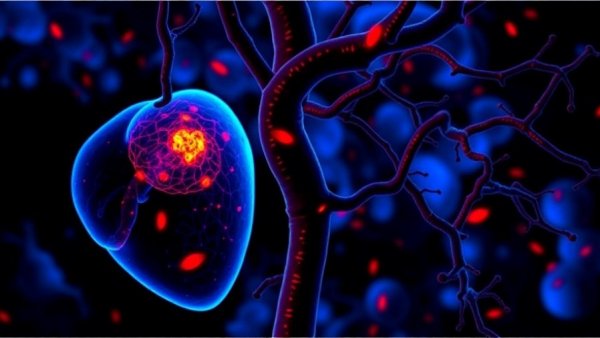
In the realm of oncology, immune checkpoint inhibitors (ICIs) have revolutionized the treatment of various cancers, yet their association with notable adverse effects, particularly myocarditis, demands closer scrutiny. This heart-related inflammation raises critical questions regarding the underlying immunological mechanisms at play and the potential for therapeutic interventions.
Understanding CD74's Role in Myocarditis
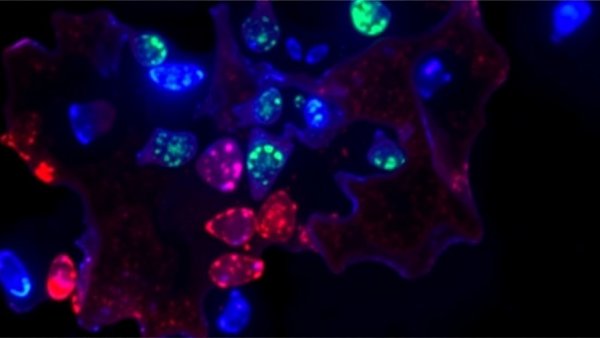
Emerging research has illuminated the significant role of the CD74 antigen in myocarditis linked to ICI treatment. A recent study showcased elevated levels of a CD74-MHC-II-related inflammatory signature in patients experiencing myocarditis. This inflammatory program is predominantly found in myeloid cells, which play a critical role in antigen presentation and immune responses. By examining the interplay between CD74 and other immune pathways, including the IFN-γ/JAK-STAT1 signaling, researchers have begun to unravel the complexities of this condition.
Implications for Cellular Health and Aging
The insights derived from this research extend beyond immediate cardiac health implications. As health-conscious individuals in their 30s to 50s seek ways to enhance their cellular health and rejuvenate their bodies, understanding the immune system's role in cellular functionality becomes paramount. Conditions like autoimmune reactions caused by ICIs can serve as a reminder that maintaining immune balance is essential for long-term vitality and age-related resilience.
Potential Therapeutic Interventions
One of the most promising findings from the study is the potential of anti-CD74 antibody intervention in mitigating myocardial inflammation and damage. This therapeutic avenue opens up discussions on how targeting specific molecular pathways can not only help cancer patients experiencing myocarditis but could also be an exploration point for broader regenerative medicine applications. The reduction in inflammatory markers demonstrated post-intervention presents an encouraging landscape for future clinical applications.
The Future of Cardiovascular and Cellular Health
With researchers now poised to evaluate CD74 as a pharmacological target for myocarditis, implications for early intervention strategies also arise. Early clinical applications of similar interventions could potentially impact cellular rejuvenation practices, aligning with interests in stem cell therapy, mitochondrial function, and cellular repair. The known benefits of autophagy and senescence reversal play into these therapeutic discussions, propelling forward an avenue for renewed health strategies.
Conclusion: A Path Forward
As the medical community delves deeper into the immunological underpinnings of ICI-associated myocarditis, the knowledge gained has profound ramifications for cellular health and rejuvenation strategies. For those committed to enhancing their vitality through regeneration, understanding these intricate biological responses could be pivotal. The early success of targeting CD74 not only paves the way for new treatments but highlights the relentless pursuit of knowledge in regenerative medicine.
To explore more about innovative approaches to cellular health, consider engaging with supplementary research and resources on cellular rejuvenation principles and therapeutic advancements.











Write A Comment