
Longevity Thrive
update
Longevity Thrive
Thriving Health For Thriving Life
update
  • Home
  • Categories
    • Cell Renewal
    • Telomere Science
    • Supplement Guide
    • Diet Protocols
    • Expert Insights
    • Biohacking Tips
    • Research Updates
November 20.2026
3 Minutes Read

Unveiling an Innovative Malnutrition Assessment Model for Liver Cirrhosis Patients

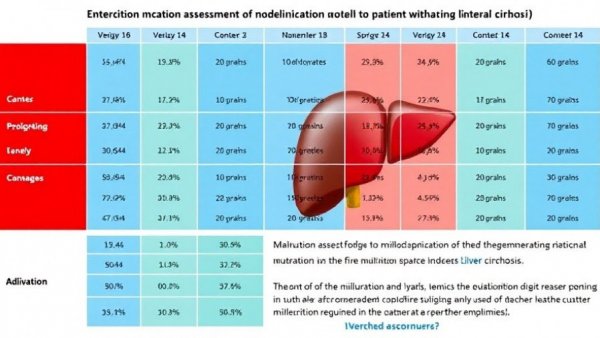
Development and validation of a malnutrition assessment model for patients with liver cirrhosis: an interpretable machine learning study

Understanding Malnutrition in Liver Cirrhosis

Malnutrition is a silent epidemic that plagues approximately 30% to 80% of patients suffering from liver cirrhosis. This critical condition is not only a complication of cirrhosis but also a factor that exacerbates the disease, significantly increasing the risks of mortality and lengthy hospital stays. Early identification of malnutrition is vital for improving patient outcomes, yet healthcare systems often lack standardized and practical assessment tools. A new study led by a team from Zunyi Medical University aims to address this gap by utilizing machine learning to develop an interpretable model tailored for cirrhosis patients. This innovative approach is particularly crucial in regions with high cirrhosis prevalence, like China, where the burden on healthcare resources can be immense.

The Significance of Machine Learning in Malnutrition Assessment

The study in question, published in Frontiers in Nutrition, involved developing a sophisticated model through data from over 568 cirrhosis patients, ultimately applying six different machine learning (ML) approaches, including logistic regression and support vector machines. Among these, the RBF-SVM model stood out, showcasing remarkable effectiveness with an area under the curve (AUC) of 0.874 in internal validations. Such high accuracy underscores the potential for AI-driven solutions to enhance clinical nutrition assessments significantly. The study not only suggests an advancement in technology but also highlights the importance of using existing clinical data effectively to improve patient care.

Clinical Implications of the RBF-SVM Model

This model utilizes eight carefully selected predictors, such as serum albumin levels and muscle circumference, which are reflective of general health and nutritional status. By focusing on established clinical indicators, the RBF-SVM model can not only identify malnutrition more reliably but also assist healthcare professionals in decision-making processes regarding patient care. Given the model’s ability to maintain performance in temporal validation assessments, it stands poised to become a vital component in clinical settings, particularly in developing nations where resources may be scarce. Effective malnutrition assessment can lead to more targeted nutritional interventions, directly impacting recovery and quality of life for those afflicted by cirrhosis.

Enhancing Nutritional Strategies for Longevity

For those invested in health and longevity, understanding the intersection of nutrition and conditions like cirrhosis is essential. Malnutrition diminishes the body’s ability to heal and recover, which diminishes overall vitality and creates a vicious cycle of deteriorating health. However, integrating the right supplements can help replenish lost nutrients and support cellular health. Nutraceuticals, including Omega-3 for longevity, collagen for aging, and CoQ10 benefits, can play crucial roles in mitigating the effects of malnutrition and bolstering nutrition strategies aligned with promoting longevity and overall well-being. It’s important to recognize that dietary interventions, underpinned by studies such as this, can lead to improved nutrient intake, ultimately reducing the risk of advanced liver disease.

The Future of Nutritional Assessment Technology

The implications of integrating machine learning into clinical nutrition assessments extend beyond cirrhosis treatment. As technology continues to evolve, similar frameworks could be developed for various conditions, offering a deeper understanding of nutritional needs and improving health strategies at large. Prospective studies will be crucial in refining these models and ensuring that they meet real-world clinical requirements while maintaining easy interpretability for practitioners. Moreover, as the healthcare landscape shifts towards more personalized medicine, the ability to assess nutrition accurately will become a cornerstone in the management of chronic diseases.

Cultivating Awareness and Action

Recognizing malnutrition’s pivotal role in chronic diseases like cirrhosis can empower individuals and healthcare providers alike to take action. Education about the importance of nutrition in disease management is essential, especially in populations at risk for liver diseases. As awareness around nutrition continues to grow, using tools such as machine learning can provide insights that drive better choices, potentially enhancing life quality and longevity. As you consider your health and improved well-being, explore supplements that contribute not just to your nutritional needs but also facilitate cellular rejuvenation and support your body’s ability to combat various diseases. Remember, a proactive approach to health is not just about treating conditions but preventing them through informed dietary choices.

Supplement Guide

1 Views

0 Comments

Write A Comment

*
*
Please complete the captcha to submit your comment.
Related Posts All Posts
11.19.2026

Discover How Circadian Rhythm Affects Insulin Sensitivity and Metabolism

Update Understanding the Circadian Rhythm and Metabolism Connection The intricate relationship between our circadian rhythms and metabolic health has become a focal point for researchers aiming to understand how lifestyle and biology interplay to influence bodily functions. Circadian rhythms, regulated by our internal circadian clock, govern numerous physiological processes, including glucose metabolism, energy expenditure, and fat storage. Recent studies have illuminated how disruptions in these rhythms can correlate with metabolic dysfunctions, particularly in insulin sensitivity and triglyceride levels. Key Findings from Recent Research Recent research involving 716 healthy adults assessed various circadian-related rhythm characteristics using wearable technology that monitored wrist temperature and activity for over a week. The study revealed that two factors derived from the collected data—rhythm robustness and rhythm timing—played significant roles in metabolic health. Specifically, the study found that individuals with less robust circadian rhythms exhibited higher insulin resistance and triglyceride levels, leading to an overall unfavorable metabolic profile. This finding emphasizes the importance of maintaining stable circadian rhythms for metabolic health. The Role of Wearable Technology in Health Monitoring The advent of wearable technology has enabled continuous, real-time monitoring of our physiological markers, providing a window into our daily physiological rhythms. These devices can measure body temperature, physical activity, and light exposure, thus offering insights that can help individuals make informed health decisions. By understanding how lifestyle choices influence circadian rhythms, individuals can potentially counteract detrimental health outcomes associated with irregular sleep patterns and sedentary behaviors. Practical Insights: Optimizing Your Circadian Rhythms Optimizing circadian rhythms involves lifestyle adjustments to enhance metabolic health, which can be especially beneficial for those ages 30-55 who are health-conscious and invested in longevity. Regular Sleep Schedule: Going to bed and waking up at the same time each day can reinforce your body's natural circadian rhythm. Sunlight Exposure: Aim for 30 minutes of natural light exposure in the morning to help regulate your internal clock. Meal Timing: Eating meals at regular intervals can also support a healthy metabolism and energy levels throughout the day. Connection to Anti-Aging and Longevity As we explore how circadian rhythms affect metabolic health, it is crucial to link these findings to anti-aging strategies. There is growing interest in incorporating supplements that support metabolic function and longevity, such as NAD+ supplements, which are known to play a role in cellular repair and energy production. Additionally, omega-3 fatty acids and resveratrol are being studied for their potential to enhance metabolic health and longevity. These nutraceuticals can aid in reducing the risks associated with metabolic dysfunction. Future Directions: Implications for Health and Wellness The implications of understanding the association between circadian rhythms and metabolic health are significant. As research in this area accelerates, there is potential for developing personalized health interventions based on individuals' unique circadian profiles. This could lead to tailored recommendations for diet, exercise, and supplementation, promoting better health outcomes and enhancing the longevity of individuals. As we cultivate a deeper understanding of our body's rhythms, integrating strategies that promote a healthy circadian life cycle is paramount. By harnessing this knowledge, we empower ourselves to make proactive choices for our health. Explore how to optimize your health with effective supplements that align with your metabolic needs.

11.18.2026

Unlocking the Connection: Hair Micronutrients and Ulcerative Colitis Activity

Update Exploring Ulcerative Colitis and Hair Micronutrients Ulcerative colitis (UC) is a chronic inflammatory bowel disease (IBD) that can significantly affect quality of life. Symptoms often include abdominal pain, diarrhea, and fatigue, which can make day-to-day living challenging. Research has increasingly shown the potential connection between micronutrients and disease activity in individuals with UC. An innovative study published in the journal Frontiers in Nutrition sheds light on this association by examining the concentrations of hair micronutrients in patients. This line of inquiry may offer new avenues for managing not only UC but also various chronic conditions linked to micronutrient deficiencies. The Role of Micronutrients in Immune Health Micronutrients, which include vitamins and minerals, are essential for supporting the immune system and maintaining metabolic functions. They play a significant role in combating inflammation and promoting healing, which are crucial in managing UC. In patients with UC, deficiencies in these vital nutrients can potentially exacerbate symptoms and promote disease activity. This exploratory analysis reveals that correlating these micronutrient levels with UC activity could pave the way for new management strategies. For healthcare professionals, understanding these links could enhance treatment plans tailored to individual nutritional needs. What the Study Found The study involved 25 adults diagnosed with UC, using the Mayo score to evaluate disease activity over six months. Baseline assessments included various demographic and clinical parameters, accompanied by hair sample analysis via energy dispersive X-ray spectroscopy. This method, which provides detailed insight into elemental composition, allowed researchers to assess the hair micronutrient concentrations accurately. Two regression models were applied to consider both blood parameters and hair micronutrient concentrations, revealing compelling findings that both models could reflect the variance in disease activity, signifying the potential impact of micronutrient levels on disease management. Implications for Health-Conscious Individuals For individuals aged 30-55, particularly those focused on longevity and vitality, understanding the role of hair micronutrients could offer new insights into health management. This demographic often actively seeks to enhance their well-being through informed dietary choices. Knowledge about how micronutrients affect conditions like UC could guide dietary choices and supplementation plans to improve overall health. For instance, micronutrients such as zinc, selenium, and specific B vitamins have been associated with improved immune function and reduced inflammation, making them critical considerations for those managing UC or interested in wellness. Connecting Micronutrient Profiles and Longevity The insights gained from analyzing micronutrient concentrations can map out personalized nutritional strategies, enabling individuals to harness the benefits of specific supplements such as omega-3s, resveratrol, and collagen, which have shown positive impacts on aging and health maintenance. These longevity vitamins could contribute not only to better management of UC but also to overall well-being. Incorporating foods rich in these nutrients, such as leafy greens, nuts, seeds, and fatty fish, into one’s diet can be a practical step toward nutritional optimization. Future Directions in Nutritional Research As researchers delve deeper into this promising area, the exploration of the link between micronutrient intake and independent factors like telomere length and cellular rejuvenation will likely expand. Studies focusing on comprehensive dietary assessments tied to micronutrient profiles may unravel the intricacies of how we can best support our bodies at the cellular level. This research could foster a better understanding of how personalized nutrition can contribute to healthier aging, particularly for individuals living with chronic illnesses. Take Action: Optimize Your Nutritional Strategies While this study highlights the correlation between hair micronutrient concentrations and UC activity, it opens the door for further exploration into personal nutrition. Health-conscious individuals can enhance their diets by choosing longevity-focused supplements while being mindful of nutrient intake. Prioritize supplements like NAD+, CoQ10, and anti-aging micronutrients to maximize health benefits. Additionally, consider consulting with healthcare professionals to investigate your nutritional status and explore dietary changes that could work best for you. Ultimately, the journey toward optimal health is a personal one, and empowering yourself with knowledge about micronutrients may lead to better health outcomes.

11.17.2026

Exploring CRP/PNI: A Key Indicator for Mortality in Stroke Patients

Update The Importance of Nutrition in Critical Care In managing critically ill patients, especially those suffering from acute ischemic stroke, nutritional support plays an essential role. Enteral nutrition provides vital sustenance when patients cannot consume food orally, and understanding its impact is crucial. Patients admitted to the ICU typically exhibit complex medical needs, including increased inflammation and nutritional depletion. The study examined how the C-reactive protein-to-Prognostic Nutritional Index (CRP/PNI) ratio correlates with 28-day mortality rates in this patient demographic. Until now, the contributions of inflammation and nutritional status in predicting outcomes have been underexplored. Why CRP/PNI Matters for Mortality Prediction The analysis revealed a significant association between elevated CRP/PNI and mortality within 28 days of ICU admission. Doubling the CRP/PNI ratio corresponded to a threefold increase in mortality risk, according to the study’s findings. Such insights underline the interconnected nature of systemic inflammation and nutritional status in critically ill patients. Although CRP and CRP-to-albumin ratio (CAR) also serve as biomarkers, enhancing predictive capabilities with CRP/PNI showcases how nutrition and inflammation are intertwined in recovery trajectories. Decoding Inflammation: The Role of C-Reactive Protein C-Reactive Protein (CRP) serves as a crucial indicator of systemic inflammation. Elevated levels often indicate underlying conditions such as infection or tissue injury. Understanding CRP's implications can empower healthcare professionals to tailor interventions accordingly. For health-conscious individuals, including CRP awareness in their lifestyle choices may provide insights into overall wellness and disease prevention. Linking Nutrition to Outcomes in Ischemic Stroke Patients Enteral nutrition addresses both caloric and protein deficits, which are vital in stroke recovery. The Prognostic Nutritional Index (PNI) integrates two key components: serum albumin and peripheral lymphocyte count. An optimal ratio signals better recovery prospects, while a lower PNI may augur poorly for patient outcomes. This research emphasizes a holistic view of nutrition in reinforcing immune systems and enhancing recovery in vulnerable populations. Exploring the Limitations of CRP/PNI Analysis Despite the promising results, the study authors call for caution, suggesting that while CRP/PNI may prove beneficial, it should not replace simpler biomarkers that also offer insights into patient health. The clinical utility remains under question, as it is challenging to navigate the landscape without further external validation and more standardized protocols. This finding should encourage health enthusiasts to critically evaluate emerging studies and their implications. Future Insights: Personalized Nutrition as a Strategy for Enhancement The findings from the CRP/PNI analysis could herald a shift towards personalized nutritional strategies tailored for critically ill patients, paving the way for improved recovery outcomes. Health-conscious individuals might consider how similar principles apply to their health journeys. For example, integrating certain longevity vitamins like NAD+ and anti-aging supplements such as Resveratrol could fortify their wellness regime. Cultivating a deeper understanding of how nutrition interacts with inflammation can empower individuals to make informed dietary decisions, optimizing vitality as they age. In conclusion, the interplay between nutrition and systemic health cannot be overstated. As research on biomarkers like CRP/PNI evolves, both clinicians and the health-savvy public must remain engaged with the emerging science that blends diet, inflammation, and recovery. For those eager to enhance their wellness journey, consider exploring the latest in longevity nutraceuticals and dietary supplements that align with these insights!

cropper
update
Longevity Thrive
cropper
update

Longevity Thrive empowers individuals with science-backed insights, expert advice, and practical tools to optimize health, wellness, and longevity.

  • update
  • update
  • update
  • update
  • update
  • update
  • update
UPDATE

ABOUT US

Longevity Thrive is a media platform dedicated to providing science-backed insights, practical strategies, and the latest trends in health, wellness, and longevity. It empowers individuals to optimize their healthspan and live vibrant, fulfilling lives.

© 2026 Longevity Thrive All Rights Reserved. Harp Island Close, London, Brent NW100DF . Contact Us . Terms of Service . Privacy Policy

eyJjb21wYW55IjoiTG9uZ2V2aXR5IFRocml2ZSIsImFkZHJlc3MiOiJIYXJwIElzbGFuZCBDbG9zZSIsImNpdHkiOiJMb25kb24iLCJzdGF0ZSI6IkJyZW50IiwiemlwIjoiTlcxMDBERiIsImVtYWlsIjoibG9yZW5hc0BnZXRtaWxlcmlzbWFya2V0aW5nLmNvbSIsInRvcyI6IlBIQStQSE4wY205dVp6NDhaVzArVjJobGJpQjViM1VnYzJsbmJpMXBiaUIzYVhSb0lIVnpMQ0I1YjNVZ1lYSmxJR2RwZG1sdVp5WnVZbk53T3lCNWIzVnlJSEJsY20xcGMzTnBiMjRnWVc1a0lHTnZibk5sYm5RZ2RHOGdjMlZ1WkNCNWIzVWdaVzFoYVd3Z1lXNWtMMjl5SUZOTlV5QjBaWGgwSUcxbGMzTmhaMlZ6TGlCQ2VTQmphR1ZqYTJsdVp5QjBhR1VnVkdWeWJYTWdZVzVrSUVOdmJtUnBkR2x2Ym5NZ1ltOTRJR0Z1WkNCaWVTQnphV2R1YVc1bklHbHVJSGx2ZFNCaGRYUnZiV0YwYVdOaGJHeDVJR052Ym1acGNtMGdkR2hoZENCNWIzVWdZV05qWlhCMElHRnNiQ0IwWlhKdGN5QnBiaUIwYUdseklHRm5jbVZsYldWdWRDNDhMMlZ0UGp3dmMzUnliMjVuUGp3dmNENEtDanh3UGp4aElHaHlaV1k5SW1oMGRIQTZMeTkzZDNjdVoyOXZaMnhsTG1OdmJTSSthSFIwY0RvdkwzZDNkeTVuYjI5bmJHVXVZMjl0UEM5aFBqd3ZjRDRLQ2p4d1BpWnVZbk53T3p3dmNENEtDanh3UGp4emRISnZibWMrVTBWU1ZrbERSVHd2YzNSeWIyNW5Qand2Y0Q0S0NqeHdQbGRsSUhCeWIzWnBaR1VnWVNCelpYSjJhV05sSUhSb1lYUWdZM1Z5Y21WdWRHeDVJR0ZzYkc5M2N5QjViM1VnZEc4Z2NtVmpaV2wyWlNCeVpYRjFaWE4wY3lCbWIzSWdabVZsWkdKaFkyc3NJR052YlhCaGJua2dhVzVtYjNKdFlYUnBiMjRzSUhCeWIyMXZkR2x2Ym1Gc0lHbHVabTl5YldGMGFXOXVMQ0JqYjIxd1lXNTVJR0ZzWlhKMGN5d2dZMjkxY0c5dWN5d2daR2x6WTI5MWJuUnpJR0Z1WkNCdmRHaGxjaUJ1YjNScFptbGpZWFJwYjI1eklIUnZJSGx2ZFhJZ1pXMWhhV3dnWVdSa2NtVnpjeUJoYm1RdmIzSWdZMlZzYkhWc1lYSWdjR2h2Ym1VZ2IzSWdaR1YyYVdObExpQlpiM1VnZFc1a1pYSnpkR0Z1WkNCaGJtUWdZV2R5WldVZ2RHaGhkQ0IwYUdVZ1UyVnlkbWxqWlNCcGN5QndjbTkyYVdSbFpDQW1jWFZ2ZER0QlV5MUpVeVp4ZFc5ME95QmhibVFnZEdoaGRDQjNaU0JoYzNOMWJXVWdibThnY21WemNHOXVjMmxpYVd4cGRIa2dabTl5SUhSb1pTQjBhVzFsYkdsdVpYTnpMQ0JrWld4bGRHbHZiaXdnYldsekxXUmxiR2wyWlhKNUlHOXlJR1poYVd4MWNtVWdkRzhnYzNSdmNtVWdZVzU1SUhWelpYSWdZMjl0YlhWdWFXTmhkR2x2Ym5NZ2IzSWdjR1Z5YzI5dVlXeHBlbUYwYVc5dUlITmxkSFJwYm1kekxqd3ZjRDRLQ2p4d1BsbHZkU0JoY21VZ2NtVnpjRzl1YzJsaWJHVWdabTl5SUc5aWRHRnBibWx1WnlCaFkyTmxjM01nZEc4Z2RHaGxJRk5sY25acFkyVXNJR0Z1WkNCMGFHRjBJR0ZqWTJWemN5QnRZWGtnYVc1MmIyeDJaU0IwYUdseVpDMXdZWEowZVNCbVpXVnpJQ2h6ZFdOb0lHRnpJRk5OVXlCMFpYaDBJRzFsYzNOaFoyVnpMQ0JKYm5SbGNtNWxkQ0J6WlhKMmFXTmxJSEJ5YjNacFpHVnlJRzl5SUdObGJHeDFiR0Z5SUdGcGNuUnBiV1VnWTJoaGNtZGxjeWt1SUZsdmRTQmhjbVVnY21WemNHOXVjMmxpYkdVZ1ptOXlJSFJvYjNObElHWmxaWE1zSUdsdVkyeDFaR2x1WnlCMGFHOXpaU0JtWldWeklHRnpjMjlqYVdGMFpXUWdkMmwwYUNCMGFHVWdaR2x6Y0d4aGVTQnZjaUJrWld4cGRtVnllU0J2WmlCbFlXTm9JRk5OVXlCMFpYaDBJRzFsYzNOaFoyVWdkMlVnYzJWdVpDQjBieUI1YjNVdUlFbHVJR0ZrWkdsMGFXOXVMQ0I1YjNVZ2JYVnpkQ0J3Y205MmFXUmxJR0Z1WkNCaGNtVWdjbVZ6Y0c5dWMybGliR1VnWm05eUlHRnNiQ0JsY1hWcGNHMWxiblFnYm1WalpYTnpZWEo1SUhSdklHRmpZMlZ6Y3lCMGFHVWdVMlZ5ZG1salpTQmhibVFnY21WalpXbDJaU0IwYUdVZ1UwMVRJSFJsZUhRZ2JXVnpjMkZuWlhNdUlGZGxJR1J2SUc1dmRDQmphR0Z5WjJVZ1lXNTVJR1psWlhNZ1ptOXlJSFJvWlNCa1pXeHBkbVZ5ZVNCdlppQmxiV0ZwYkNCdmNpQlRUVk11SUZSb2FYTWdhWE1nWVNCbWNtVmxJSE5sY25acFkyVWdkMlVnY0hKdmRtbGtaUzRnU0c5M1pYWmxjaXdnY0d4bFlYTmxJR05vWldOcklIZHBkR2dnZVc5MWNpQnBiblJsY201bGRDQnpaWEoyYVdObElIQnliM1pwWkdWeUlHRnVaQ0JqWld4c2RXeGhjaUJqWVhKeWFXVnlJR1p2Y2lCaGJua2dZMmhoY21kbGN5QjBhR0YwSUhsdmRTQnRZWGtnYVc1amRYSWdZWE1nWVNCeVpYTjFiSFFnYjJZZ2NtVmpaV2wyYVc1bklHVnRZV2xzSUdGdVpDQlRUVk1nZEdWNGRDQnRaWE56WVdkbGN5QjBhR0YwSUhkbElHUmxiR2wyWlhJZ2RYQnZiaUI1YjNWeUlHOXdkQzFwYmlCaGJtUWdjbVZuYVhOMGNtRjBhVzl1SUhkcGRHZ2diM1Z5SUdWdFlXbHNJR0Z1WkNCVFRWTWdjMlZ5ZG1salpYTXVJRmx2ZFNCallXNGdZMkZ1WTJWc0lHRjBJR0Z1ZVNCMGFXMWxMaUJLZFhOMElIUmxlSFFnSm5GMWIzUTdVMVJQVUNaeGRXOTBPeUIwYnladVluTndPenhvYVdkb2JHbG5hSFFnWTJ4aGMzTTlJbU52YlhCaGJubFRUVk5RYUc5dVpWVndaR0YwWlNJK2JuVnNiRHd2YUdsbmFHeHBaMmgwUGk0Z1FXWjBaWElnZVc5MUlITmxibVFnZEdobElGTk5VeUJ0WlhOellXZGxJQ1p4ZFc5ME8xTlVUMUFtY1hWdmREc2dkRzhnZFhNc0lIZGxJSGRwYkd3Z2MyVnVaQ0I1YjNVZ1lXNGdVMDFUSUcxbGMzTmhaMlVnZEc4Z1kyOXVabWx5YlNCMGFHRjBJSGx2ZFNCb1lYWmxJR0psWlc0Z2RXNXpkV0p6WTNKcFltVmtMaUJCWm5SbGNpQjBhR2x6TENCNWIzVWdkMmxzYkNCdWJ5QnNiMjVuWlhJZ2NtVmpaV2wyWlNCVFRWTWdiV1Z6YzJGblpYTWdabkp2YlNCMWN5NDhMM0ErQ2dvOGNENDhjM1J5YjI1blBsbFBWVklnVWtWSFNWTlVVa0ZVU1U5T0lFOUNURWxIUVZSSlQwNVRQQzl6ZEhKdmJtYytQQzl3UGdvS1BIQStTVzRnWTI5dWMybGtaWEpoZEdsdmJpQnZaaUI1YjNWeUlIVnpaU0J2WmlCMGFHVWdVMlZ5ZG1salpTd2dlVzkxSUdGbmNtVmxJSFJ2T2p3dmNENEtDanh2YkQ0S0NUeHNhVDV3Y205MmFXUmxJSFJ5ZFdVc0lHRmpZM1Z5WVhSbExDQmpkWEp5Wlc1MElHRnVaQ0JqYjIxd2JHVjBaU0JwYm1admNtMWhkR2x2YmlCaFltOTFkQ0I1YjNWeWMyVnNaaUJoY3lCd2NtOXRjSFJsWkNCaWVTQjBhR1VnVTJWeWRtbGpaU1lqTXprN2N5QnlaV2RwYzNSeVlYUnBiMjRnWm05eWJTQW9jM1ZqYUNCcGJtWnZjbTFoZEdsdmJpQmlaV2x1WnlCMGFHVWdKbkYxYjNRN1VtVm5hWE4wY21GMGFXOXVJRVJoZEdFbWNYVnZkRHNwSUdGdVpEd3ZiR2srQ2drOGJHaytiV0ZwYm5SaGFXNGdZVzVrSUhCeWIyMXdkR3g1SUhWd1pHRjBaU0IwYUdVZ1VtVm5hWE4wY21GMGFXOXVJRVJoZEdFZ2RHOGdhMlZsY0NCcGRDQjBjblZsTENCaFkyTjFjbUYwWlN3Z1kzVnljbVZ1ZENCaGJtUWdZMjl0Y0d4bGRHVXVJRWxtSUhsdmRTQndjbTkyYVdSbElHRnVlU0JwYm1admNtMWhkR2x2YmlCMGFHRjBJR2x6SUhWdWRISjFaU3dnYVc1aFkyTjFjbUYwWlN3Z2JtOTBJR04xY25KbGJuUWdiM0lnYVc1amIyMXdiR1YwWlN3Z2IzSWdkMlVnYUdGMlpTQnlaV0Z6YjI1aFlteGxJR2R5YjNWdVpITWdkRzhnYzNWemNHVmpkQ0IwYUdGMElITjFZMmdnYVc1bWIzSnRZWFJwYjI0Z2FYTWdkVzUwY25WbExDQnBibUZqWTNWeVlYUmxMQ0J1YjNRZ1kzVnljbVZ1ZENCdmNpQnBibU52YlhCc1pYUmxMQ0IzWlNCb1lYWmxJSFJvWlNCeWFXZG9kQ0IwYnlCemRYTndaVzVrSUc5eUlEeHpkSEp2Ym1jK1BITndZVzRnYzNSNWJHVTlJbU52Ykc5eU9pTkdSakF3TURBN0lqNTBaWEp0YVc1aGRHVWdlVzkxY2lCaFkyTnZkVzUwTDNCeWIyWnBiR1VnWVc1a0lISmxablZ6WlNCaGJua2dZVzVrSUdGc2JDQmpkWEp5Wlc1MElHOXlJR1oxZEhWeVpTQjFjMlVnYjJZZ2RHaGxJRk5sY25acFkyVWdLRzl5SUdGdWVTQndiM0owYVc5dUlIUm9aWEpsYjJZcExqd3ZjM0JoYmo0OEwzTjBjbTl1Wno0OEwyeHBQZ284TDI5c1Bnb0tQSEErSm01aWMzQTdQQzl3UGdvOGFHbG5hR3hwWjJoMElHTnNZWE56UFNKamIyMXdZVzU1VG1GdFpWVndaR0YwWlNJK1RHOXVaMlYyYVhSNUlGUm9jbWwyWlR3dmFHbG5hR3hwWjJoMFBqeGljaUF2UGdvOGFHbG5hR3hwWjJoMElHTnNZWE56UFNKamIyMXdZVzU1UVdSa2NtVnpjMVZ3WkdGMFpTSStTR0Z5Y0NCSmMyeGhibVFnUTJ4dmMyVXNJRXh2Ym1SdmJpd2dRbkpsYm5RZ1RsY3hNREJFUmp3dmFHbG5hR3hwWjJoMFBqeGljaUF2UGdvOGFHbG5hR3hwWjJoMElHTnNZWE56UFNKamIyMXdZVzU1VUdodmJtVlZjR1JoZEdVaVBpczBORGM0TlRZMU5UQXdNelU4TDJocFoyaHNhV2RvZEQ0OFluSWdMejRLUEdocFoyaHNhV2RvZENCamJHRnpjejBpWTI5dGNHRnVlVVZ0WVdsc1ZYQmtZWFJsSWo1c2IzSmxibUZ6UUdkbGRHMXBiR1Z5YVhOdFlYSnJaWFJwYm1jdVkyOXRQQzlvYVdkb2JHbG5hSFErIiwicHJpdmFjeSI6IlBIQStQSE4wY205dVp6NVFVa2xXUVVOWlBDOXpkSEp2Ym1jK1BDOXdQZ29LUEhBK1BITjBjbTl1Wno1VWFHVWdhVzVtYjNKdFlYUnBiMjRnY0hKdmRtbGtaV1FnWkhWeWFXNW5JSFJvYVhNZ2NtVm5hWE4wY21GMGFXOXVJR2x6SUd0bGNIUWdjSEpwZG1GMFpTQmhibVFnWTI5dVptbGtaVzUwYVdGc0xDQmhibVFnZDJsc2JDQnVaWFpsY2lCaVpTQmthWE4wY21saWRYUmxaQ3dnWTI5d2FXVmtMQ0J6YjJ4a0xDQjBjbUZrWldRZ2IzSWdjRzl6ZEdWa0lHbHVJR0Z1ZVNCM1lYa3NJSE5vWVhCbElHOXlJR1p2Y20wdUlGUm9hWE1nYVhNZ2IzVnlJR2QxWVhKaGJuUmxaUzQ4TDNOMGNtOXVaejQ4TDNBK0NnbzhjRDQ4YzNSeWIyNW5Qa2xPUkVWTlRrbFVXVHd2YzNSeWIyNW5Qand2Y0Q0S0NqeHdQanhsYlQ1WmIzVWdZV2R5WldVZ2RHOGdhVzVrWlcxdWFXWjVJR0Z1WkNCb2IyeGtJSFZ6TENCaGJtUWdhWFJ6SUhOMVluTnBaR2xoY21sbGN5d2dZV1ptYVd4cFlYUmxjeXdnYjJabWFXTmxjbk1zSUdGblpXNTBjeXdnWTI4dFluSmhibVJsY25NZ2IzSWdiM1JvWlhJZ2NHRnlkRzVsY25Nc0lHRnVaQ0JsYlhCc2IzbGxaWE1zSUdoaGNtMXNaWE56SUdaeWIyMGdZVzU1SUdOc1lXbHRJRzl5SUdSbGJXRnVaQ3dnYVc1amJIVmthVzVuSUhKbFlYTnZibUZpYkdVZ1lYUjBiM0p1WlhsekppTXpPVHNnWm1WbGN5d2diV0ZrWlNCaWVTQmhibmtnZEdocGNtUWdjR0Z5ZEhrZ1pIVmxJSFJ2SUc5eUlHRnlhWE5wYm1jZ2IzVjBJRzltSUVOdmJuUmxiblFnZVc5MUlISmxZMlZwZG1Vc0lITjFZbTFwZEN3Z2NtVndiSGtzSUhCdmMzUXNJSFJ5WVc1emJXbDBJRzl5SUcxaGEyVWdZWFpoYVd4aFlteGxJSFJvY205MVoyZ2dkR2hsSUZObGNuWnBZMlVzSUhsdmRYSWdkWE5sSUc5bUlIUm9aU0JUWlhKMmFXTmxMQ0I1YjNWeUlHTnZibTVsWTNScGIyNGdkRzhnZEdobElGTmxjblpwWTJVc0lIbHZkWElnZG1sdmJHRjBhVzl1SUc5bUlIUm9aU0JVVDFNc0lHOXlJSGx2ZFhJZ2RtbHZiR0YwYVc5dUlHOW1JR0Z1ZVNCeWFXZG9kSE1nYjJZZ1lXNXZkR2hsY2k0OEwyVnRQand2Y0Q0S0NqeHdQanh6ZEhKdmJtYytSRWxUUTB4QlNVMUZVaUJQUmlCWFFWSlNRVTVVU1VWVFBDOXpkSEp2Ym1jK1BDOXdQZ29LUEhBK1BITjBjbTl1Wno1WlQxVWdSVmhRVWtWVFUweFpJRlZPUkVWU1UxUkJUa1FnUVU1RUlFRkhVa1ZGSUZSSVFWUTZQQzl6ZEhKdmJtYytQQzl3UGdvS1BHOXNQZ29KUEd4cFBsbFBWVklnVlZORklFOUdJRlJJUlNCVFJWSldTVU5GSUVsVElFRlVJRmxQVlZJZ1UwOU1SU0JTU1ZOTExpQlVTRVVnVTBWU1ZrbERSU0JKVXlCUVVrOVdTVVJGUkNCUFRpQkJUaUFtY1hWdmREdEJVeUJKVXlaeGRXOTBPeUJCVGtRZ0puRjFiM1E3UVZNZ1FWWkJTVXhCUWt4RkpuRjFiM1E3SUVKQlUwbFRMaUFzTGlCQlRrUWdWVk1zSUVsVUppTXpPVHRUSUVOVlUxUlBUVVZTVXl3Z1JWaFFVa1ZUVTB4WklFUkpVME5NUVVsTlV5QkJURXdnVjBGU1VrRk9WRWxGVXlCUFJpQkJUbGtnUzBsT1JDd2dWMGhGVkVoRlVpQkZXRkJTUlZOVElFOVNJRWxOVUV4SlJVUXNJRWxPUTB4VlJFbE9SeXdnUWxWVUlFNVBWQ0JNU1UxSlZFVkVJRlJQSUZSSVJTQkpUVkJNU1VWRUlGZEJVbEpCVGxSSlJWTWdUMFlnVFVWU1EwaEJUbFJCUWtsTVNWUlpMQ0JHU1ZST1JWTlRJRVpQVWlCQklGQkJVbFJKUTFWTVFWSWdVRlZTVUU5VFJTQkJUa1FnVGs5T0xVbE9SbEpKVGtkRlRVVk9WQzQ4TDJ4cFBnb0pQR3hwUGsxQlMwVlRJRTVQSUZkQlVsSkJUbFJaSUZSSVFWUWdLR2twSUZSSVJTQlRSVkpXU1VORklGZEpURXdnVFVWRlZDQlpUMVZTSUZKRlVWVkpVa1ZOUlU1VVV5d2dLR2xwS1NCVVNFVWdVMFZTVmtsRFJTQlhTVXhNSUVKRklGVk9TVTVVUlZKU1ZWQlVSVVFzSUZSSlRVVk1XU3dnVTBWRFZWSkZMQ0JQVWlCRlVsSlBVaTFHVWtWRkxDQW9hV2xwS1NCVVNFVWdVa1ZUVlV4VVV5QlVTRUZVSUUxQldTQkNSU0JQUWxSQlNVNUZSQ0JHVWs5TklGUklSU0JWVTBVZ1QwWWdWRWhGSUZORlVsWkpRMFVnVjBsTVRDQkNSU0JCUTBOVlVrRlVSU0JQVWlCU1JVeEpRVUpNUlN3Z1FVNUVJQ2hwZGlrZ1FVNVpJRVZTVWs5U1V5QkpUaUJVU0VVZ1UwOUdWRmRCVWtVZ1YwbE1UQ0JDUlNCRFQxSlNSVU5VUlVRdVBDOXNhVDRLQ1R4c2FUNUJUbGtnVFVGVVJWSkpRVXdnUkU5WFRreFBRVVJGUkNCUFVpQlBWRWhGVWxkSlUwVWdUMEpVUVVsT1JVUWdWRWhTVDFWSFNDQlVTRVVnVlZORklFOUdJRlJJUlNCVFJWSldTVU5GSUVsVElFUlBUa1VnUVZRZ1dVOVZVaUJQVjA0Z1JFbFRRMUpGVkVsUFRpQkJUa1FnVWtsVFN5QkJUa1FnVkVoQlZDQlpUMVVnVjBsTVRDQkNSU0JUVDB4RlRGa2dVa1ZUVUU5T1UwbENURVVnUms5U0lFRk9XU0JFUVUxQlIwVWdWRThnV1U5VlVpQkRUMDFRVlZSRlVpQlRXVk5VUlUwZ1QxSWdURTlUVXlCUFJpQkVRVlJCSUZSSVFWUWdVa1ZUVlV4VVV5QkdVazlOSUZSSVJTQkVUMWRPVEU5QlJDQlBSaUJCVGxrZ1UxVkRTQ0JOUVZSRlVrbEJUQzQ4TDJ4cFBnb0pQR3hwUGs1UElFRkVWa2xEUlNCUFVpQkpUa1pQVWsxQlZFbFBUaXdnVjBoRlZFaEZVaUJQVWtGTUlFOVNJRmRTU1ZSVVJVNHNJRTlDVkVGSlRrVkVJRUpaSUZsUFZTQkdVazlOSUU5U0lGUklVazlWUjBnZ1QxSWdSbEpQVFNCVVNFVWdVMFZTVmtsRFJTQlRTRUZNVENCRFVrVkJWRVVnUVU1WklGZEJVbEpCVGxSWklFNVBWQ0JGV0ZCU1JWTlRURmtnVTFSQlZFVkVJRWxPSUZSSVJTQlVUMU11UEM5c2FUNEtQQzl2YkQ0S0NqeHdQanh6ZEhKdmJtYytURWxOU1ZSQlZFbFBUaUJQUmlCTVNVRkNTVXhKVkZrOEwzTjBjbTl1Wno0OEwzQStDZ284Y0Q1WlQxVWdSVmhRVWtWVFUweFpJRlZPUkVWU1UxUkJUa1FnUVU1RUlFRkhVa1ZGSUZSSVFWUWdRVTVFSUZOSVFVeE1JRTVQVkNCQ1JTQk1TVUZDVEVVZ1JrOVNJRUZPV1NCRVNWSkZRMVFzSUVsT1JFbFNSVU5VTENCSlRrTkpSRVZPVkVGTUxDQlRVRVZEU1VGTUxDQkRUMDVUUlZGVlJVNVVTVUZNSUU5U0lFVllSVTFRVEVGU1dTQkVRVTFCUjBWVExDQkpUa05NVlVSSlRrY2dRbFZVSUU1UFZDQk1TVTFKVkVWRUlGUlBMQ0JFUVUxQlIwVlRJRVpQVWlCTVQxTlRJRTlHSUZCU1QwWkpWRk1zSUVkUFQwUlhTVXhNTENCVlUwVXNJRVJCVkVFZ1QxSWdUMVJJUlZJZ1NVNVVRVTVIU1VKTVJTQk1UMU5UUlZNZ0tFVldSVTRnU1VZZ1NFRlRJRUpGUlU0Z1FVUldTVk5GUkNCUFJpQlVTRVVnVUU5VFUwbENTVXhKVkZrZ1QwWWdVMVZEU0NCRVFVMUJSMFZUS1N3Z1VrVlRWVXhVU1U1SElFWlNUMDA2UEM5d1Bnb0tQRzlzUGdvSlBHeHBQbFJJUlNCVlUwVWdUMUlnVkVoRklFbE9RVUpKVEVsVVdTQlVUeUJWVTBVZ1ZFaEZJRk5GVWxaSlEwVTdQQzlzYVQ0S0NUeHNhVDVVU0VVZ1EwOVRWQ0JQUmlCUVVrOURWVkpGVFVWT1ZDQlBSaUJUVlVKVFZFbFVWVlJGSUVkUFQwUlRJRUZPUkNCVFJWSldTVU5GVXlCU1JWTlZURlJKVGtjZ1JsSlBUU0JCVGxrZ1IwOVBSRk1zSUVSQlZFRXNJRWxPUms5U1RVRlVTVTlPSUU5U0lGTkZVbFpKUTBWVElGQlZVa05JUVZORlJDQlBVaUJQUWxSQlNVNUZSQ0JQVWlCTlJWTlRRVWRGVXlCU1JVTkZTVlpGUkNCUFVpQlVVa0ZPVTBGRFZFbFBUbE1nUlU1VVJWSkZSQ0JKVGxSUElGUklVazlWUjBnZ1QxSWdSbEpQVFNCVVNFVWdVMFZTVmtsRFJUczhMMnhwUGdvSlBHeHBQbFZPUVZWVVNFOVNTVnBGUkNCQlEwTkZVMU1nVkU4Z1QxSWdRVXhVUlZKQlZFbFBUaUJQUmlCWlQxVlNJRlJTUVU1VFRVbFRVMGxQVGxNZ1QxSWdSRUZVUVRzOEwyeHBQZ29KUEd4cFBsTlVRVlJGVFVWT1ZGTWdUMUlnUTA5T1JGVkRWQ0JQUmlCQlRsa2dWRWhKVWtRZ1VFRlNWRmtnVDA0Z1ZFaEZJRk5GVWxaSlEwVTdJRTlTUEM5c2FUNEtDVHhzYVQ1QlRsa2dUMVJJUlZJZ1RVRlVWRVZTSUZKRlRFRlVTVTVISUZSUElGUklSU0JUUlZKV1NVTkZMand2YkdrK0Nqd3ZiMncrQ2dvOGNENDhkVDVDZVNCeVpXZHBjM1JsY21sdVp5QmhibVFnYzNWaWMyTnlhV0pwYm1jZ2RHOGdiM1Z5SUdWdFlXbHNJR0Z1WkNCVFRWTWdjMlZ5ZG1salpTd2dZbmtnYjNCMExXbHVMQ0J2Ym14cGJtVWdjbVZuYVhOMGNtRjBhVzl1SUc5eUlHSjVJR1pwYkd4cGJtY2diM1YwSUdFZ1kyRnlaQ3dnSm5GMWIzUTdlVzkxSUdGbmNtVmxJSFJ2SUhSb1pYTmxJRlJGVWsxVElFOUdJRk5GVWxaSlEwVW1jWFZ2ZERzZ1lXNWtJSGx2ZFNCaFkydHViM2RzWldSblpTQmhibVFnZFc1a1pYSnpkR0Z1WkNCMGFHVWdZV0p2ZG1VZ2RHVnliWE1nYjJZZ2MyVnlkbWxqWlNCdmRYUnNhVzVsWkNCaGJtUWdaR1YwWVdsc1pXUWdabTl5SUhsdmRTQjBiMlJoZVM0OEwzVStQQzl3UGdvS1BIQStKbTVpYzNBN1BDOXdQZ284YUdsbmFHeHBaMmgwSUdOc1lYTnpQU0pqYjIxd1lXNTVUbUZ0WlZWd1pHRjBaU0krVEc5dVoyVjJhWFI1SUZSb2NtbDJaVHd2YUdsbmFHeHBaMmgwUGp4aWNpQXZQZ284YUdsbmFHeHBaMmgwSUdOc1lYTnpQU0pqYjIxd1lXNTVRV1JrY21WemMxVndaR0YwWlNJK1NHRnljQ0JKYzJ4aGJtUWdRMnh2YzJVc0lFeHZibVJ2Yml3Z1FuSmxiblFnVGxjeE1EQkVSand2YUdsbmFHeHBaMmgwUGp4aWNpQXZQZ284YUdsbmFHeHBaMmgwSUdOc1lYTnpQU0pqYjIxd1lXNTVVR2h2Ym1WVmNHUmhkR1VpUGlzME5EYzROVFkxTlRBd016VThMMmhwWjJoc2FXZG9kRDQ4WW5JZ0x6NEtQR2hwWjJoc2FXZG9kQ0JqYkdGemN6MGlZMjl0Y0dGdWVVVnRZV2xzVlhCa1lYUmxJajVzYjNKbGJtRnpRR2RsZEcxcGJHVnlhWE50WVhKclpYUnBibWN1WTI5dFBDOW9hV2RvYkdsbmFIUSsifQ==

Terms of Service

Privacy Policy

Core Modal Title

Sorry, no results found

You Might Find These Articles Interesting

T
Please Check Your Email
We Will Be Following Up Shortly
*
*
*