


Understanding Fasting's Role in Cancer Treatment
In recent years, the idea of fasting, particularly in the context of cancer therapy, has sparked considerable interest among health enthusiasts and the scientific community alike. While traditional views held that patients require constant nutritional support to combat illness, new evidence suggests that fasting can play a beneficial role in modulating immune response and potentially enhancing cancer treatment outcomes.
New Insights into Nutritional Support
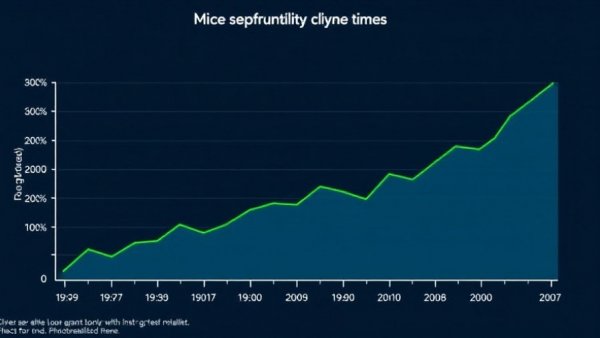
A remarkable trend has emerged revealing that even with supplementary feeding, many hospitalized patients remain malnourished—a condition that persists despite advancements in medical nutrition therapy. A key paper published in 1974 on physician-induced malnutrition outlined this as a significant issue, and alarming statistics show that about 50% of hospitalized patients still struggle with nutritional deficiencies. This malnourishment isn't just a minor oversight; it's linked to poorer clinical outcomes, including increased mortality rates.
Embracing the Wisdom of Fasting
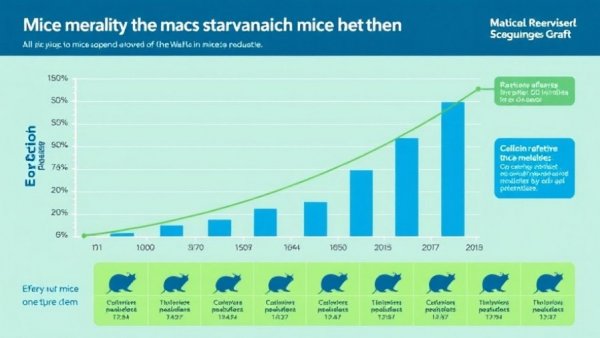
For centuries, fasting has been acknowledged in various cultures as a natural response to illness, reinforcing the body's inherent wisdom of eating less during sickness. Most strikingly, reduced food intake has been identified as an active defense mechanism. Studies involving various organisms, including humans, have shown potential immune system benefits from short-term fasting. For instance, a study demonstrated that short-term starvation significantly increased the infection-fighting capabilities of white blood cells in humans, suggesting a profound link between caloric restriction and immune function enhancement.
Fasting and Immunity: A Cancer Connection
The results of fasting on immunity extend beyond infection. Recent findings indicate that fasting can also serve as a catalyst for bolstering the immune system's ability to target cancer cells. A fascinating study reported that participants on a low-calorie fasting regime saw a 24% increase in the activity of their natural killer cells—cells known for their ability to obliterate cancerous cells. This paints a compelling picture of fasting as a strategy to increase anticancer immunosurveillance, hinting at its profound potential as part of cancer treatment protocols.
Challenges and Controversies
Despite the promising data, implementing fasting in cancer treatment faces challenges. Current therapeutic goals, especially in palliative care, typically emphasize the prevention of weight loss and the management of cachexia, a severe wasting syndrome associated with advanced cancer stages. However, emerging perspectives advocate for a shift in focus to include fasting as an adjunct therapy, promoting its potential benefits while managing risks associated with rapid weight loss.
Practical Tips for Integrating Fasting
Health-conscious individuals interested in fasting for longevity and cancer care should consider a few actionable insights:
- Start Gradually: If you’re new to fasting, begin with intermittent fasting techniques that limit eating windows rather than full-day fasts.
- Mind Your Nutrients: Within your eating windows, focus on nutrient-dense foods such as vegetables, fruits, lean proteins, and healthy fats, mimicking the principles of the Mediterranean and Blue Zone diets.
- Listen to Your Body: Monitor how your body responds to fasting. Consult healthcare providers, especially if you have underlying conditions or are undergoing cancer treatment.
As we continue to explore the implications of fasting, it’s essential to balance the potential benefits with the realities of patient care. Ultimately, integrating fasting into cancer therapy may not just be a trend but a necessary evolution in how we approach nutrition and disease management.
By staying informed and empowered, readers can take charge of their health and potentially explore fasting's diverse pathways for enhancing their well-being. As research evolves, those interested should keep an eye on developments that promise to illuminate this ancient practice's scientific foundations.











Write A Comment