


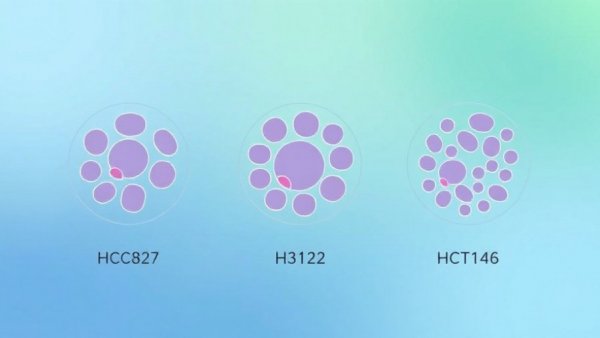
Exploring the Intersection of Fasting and Chemotherapy
In recent years, fasting has gained popularity, not just as a health trend, but as a possible ally in medical treatment. The video Fasting and Chemotherapy: A Potential Double Benefit discusses thrilling insights into how fasting might enhance the effects of chemotherapy in cancer patients. As health-conscious individuals seek science-backed insights, the implications of these findings stand to inform broader practices surrounding diet and wellness. The integration of dietary strategies with medical treatment is of increasing interest to both patients and healthcare professionals alike.
In Fasting and Chemotherapy: A Potential Double Benefit, the discussion dives into the fascinating relationship between dietary protocols and cancer treatment, exploring key insights that sparked deeper analysis on our end.
What Does the Research Say?
The notion that fasting can exert profound effects on health isn't entirely new. Studies have suggested various benefits, from promoting longevity to improving cellular health. Recent research highlighted in the video indicates that fasting could potentially make cancer cells more vulnerable to chemotherapy while protecting healthy cells, thereby optimizing patient outcomes. Understanding this link opens the door to potentially transformative treatment protocols that integrate both fasting and traditional cancer therapies. The exploration of these connections is critical as it may reshape how we view diet in relation to disease management.
The Science Behind Fasting's Effects on Cellular Health
Fasting induces several physiological changes that can benefit cellular health. For instance, when the body is in a fasting state, it activates autophagy, a critical process for cellular renewal and repair. During autophagy, cells remove damaged components, which can lead to improved overall cellular function. This is particularly relevant for individuals undergoing chemotherapy, as their healthy cells often face significant stress and damage from the treatment itself. Enhanced cellular health through fasting could, therefore, be a crucial factor in how well patients tolerate chemotherapy and recover from its effects.
How Can Fasting Support Cancer Treatments?
Research indicates that short-term fasting can enhance chemotherapy's efficacy by creating an environment where cancer cells struggle to survive. Tumor cells, which are often high in glucose and growth signals, may be less capable of adapting in the face of fasting-induced stress. This means that by strategically applying fasting protocols before chemotherapy sessions, patients could experience better treatment outcomes. In addition, there is emerging evidence suggesting that fasting may help reduce chemotherapy-related side effects, further improving the quality of life for those undergoing these demanding treatments.
Key Recommendations and Best Practices for Fasting
It's essential to approach fasting with a well-informed and systematic strategy. Here are a few expert health insights on how to implement fasting safely:
- Consult Healthcare Providers: Before initiating any fasting regimen, particularly if you’re undergoing treatment, it's critical to consult with your healthcare team. Personalized guidance is paramount as every patient's health situation is unique.
- Personalize Your Approach: Fasting isn’t one-size-fits-all. Tailor your fasting protocols to fit your health status and lifestyle. For some, intermittent fasting may be preferable, while others may benefit from longer periods of fasting, potentially even involving multiple days of reduced caloric intake around chemotherapy schedules.
- Stay Hydrated: If you're fasting, ensure that you're drinking plenty of water to maintain optimal hydration levels. Proper hydration can help mitigate some negative effects of fasting and support overall metabolic processes.
- Monitor for Side Effects: Be conscious of your body's response to fasting. If you experience adverse effects such as extreme fatigue or emotional distress, it is important to reassess and adjust your fasting approach.
Counterarguments and Diverse Perspectives
While the potential benefits of fasting during chemotherapy are compelling, not everyone agrees. Some experts caution against fasting without comprehensive medical supervision, especially given the potential for nutrient depletion or adverse effects on energy levels. Additionally, the emotional challenges of fasting can impact one's overall wellness, particularly for individuals already contending with the psychological toll of cancer treatment. A nuanced understanding of both the benefits and potential drawbacks is essential for making informed decisions about incorporating fasting into cancer care.
Future Implications for Health and Longevity
The integration of fasting into standard cancer therapies could represent a significant shift in how we approach health and disease prevention. As research continues to unveil the complex relationships between diet, cellular health, and longevity, we may find that fasting practices can yield profound effects beyond just cancer treatment. This speaks to the broader objective of optimizing healthspan through personalized strategies that consider each individual's unique needs. Future studies may further illuminate how fasting can be best utilized alongside other health interventions, potentially leading to new guidelines in cancer care.
Actionable Insights for Health-Conscious Individuals
The conversation surrounding fasting and chemotherapy is just one facet of a larger narrative about health and longevity. If you’re eager to dive deeper into optimizing your well-being, consider maintaining a healthy diet rich in whole foods, exploring biohacking tips, and integrating practices that promote cellular health, such as regular physical activity and adequate sleep. Furthermore, mindfulness practices could help manage stress, which is also an important aspect of health during challenging times. Embracing a holistic wellness approach empowers you to take charge of your health now and for the future, understanding that the choices you make today can significantly influence your health journey tomorrow.











Write A Comment