
Longevity Thrive
update
Longevity Thrive
Thriving Health For Thriving Life
update
  • Home
  • Categories
    • Cell Renewal
    • Telomere Science
    • Supplement Guide
    • Diet Protocols
    • Expert Insights
    • Biohacking Tips
    • Research Updates
November 24.2026
4 Minutes Read

Can Fasting Help Cancer Patients? Exploring Its Impact on Longevity

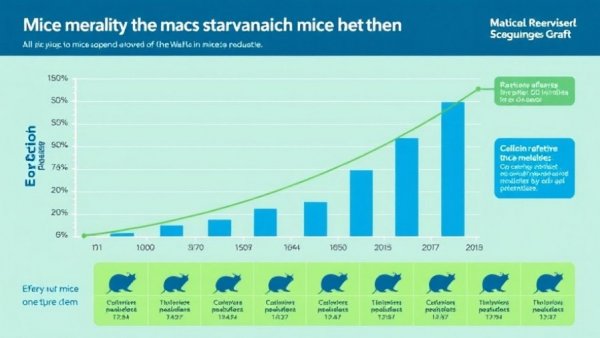
Graph depicting starvation effects on mortality in infected mice.

Can Fasting Enhance Cancer Treatment Outcomes?

Amid ongoing research into cancer treatments, recent studies suggest that fasting may play a crucial role in enhancing recovery and potentially improving patient outcomes. The concept of fasting, while often associated with various health benefits, raises significant questions in the realm of oncology. In a world where individuals are increasingly searching for alternatives to traditional treatments, understanding the implications of fasting on cancer therapy is vital.

In 'Could Fasting Help Cancer Patients?', the discussion dives into the potential benefits of fasting for cancer treatment, prompting deeper analysis on its impact on longevity and cellular health.

The Science Behind Fasting and Cellular Health

Fasting initiates a complex biological response that influences cellular health. When the body is in a fasting state, it shifts from utilizing glucose for energy to burning stored fats. This metabolic switch not only aids in weight management but also promotes cellular repair processes, which can be particularly beneficial for cancer patients. Studies have shown that fasting can enhance autophagy—a critical process whereby cells dispose of damaged components. This could potentially prevent the proliferation of cancer cells and promote overall cellular health.

Moreover, fasting has been linked to the regulation of various growth factors and hormones, such as insulin and human growth hormone (HGH), which play vital roles in cell regeneration and repair. By minimizing insulin levels during fasting periods, the body may create a less favorable environment for cancer cell growth, enhancing the efficacy of treatment methods.

Exploring Longevity and Anti-Aging Connections

Fasting is often viewed through the lens of longevity and anti-aging research. Studies suggest that caloric restriction and intermittent fasting can influence the longevity genes within our cells. Clinical evidence demonstrates that such dietary protocols may enhance healthspan by improving metabolic health, reducing inflammation, and modulating stress responses—all of which play a key role in cancer progression. For health-conscious individuals, this connection between fasting and extended healthspan can empower a more holistic approach to wellness.

Furthermore, a well-rounded lifestyle that includes fasting could lead to improved cognitive function, better mood regulation, and increased energy levels, all of which are beneficial for those undergoing cancer treatment. Fasting may also encourage mindful eating habits, contributing to a more balanced and conscientious approach to nutrition, which is crucial during this challenging time.

Fasting as a Complement to Traditional Cancer Therapies

Research indicates that fasting may not serve as a standalone treatment but rather as a complementary approach alongside traditional cancer therapies such as chemotherapy and radiation. By implementing strategic fasting protocols, patients may experience reduced side effects from these treatments, improved effectiveness, and potentially greater recovery rates. This premise is rooted in the idea that a nourished body can better withstand the rigors of cancer treatments while maximizing therapeutic benefits.

Many health practitioners are exploring how tailored fasting schedules can synchronize better with conventional treatment timing. For instance, fasting before chemotherapy could potentially enhance drug absorption and efficacy while simultaneously reducing adverse effects. This integrated approach highlights the importance of collaborating with healthcare teams to personalize treatment plans.

Debunking Common Misconceptions About Fasting

Despite its benefits, misconceptions about fasting abound. Some individuals fear that fasting may weaken their bodies or exacerbate symptoms. However, scientific research consistently shows that intermittent fasting, when conducted properly, can bolster the immune response and enhance overall health rather than hinder it. Understanding these myths is crucial for patients and caregivers as they navigate dietary choices during treatment.

It is important to recognize that not all patients will have the same experience with fasting. Factors such as the type of cancer, stage of treatment, and overall health can influence individual outcomes. Therefore, obtaining advice from qualified health professionals knowledgeable about both cancer and nutritional needs is essential.

Personalized Health Strategies: Fasting as Part of a Balanced Diet

For those considering integrating fasting into their health regimen, personalized health strategies should be prioritized. Consulting with healthcare professionals who understand both the science of fasting and individual health needs provides a pathway to safely incorporate fasting protocols. Whether it’s intermittent fasting or prolonged fasting, these personalized dietary adjustments can serve as powerful tools alongside diet protocols aimed at enhancing wellness.

Creating a balanced diet—rich in whole foods, fruits, and vegetables—is crucial in supporting the body during fasting. Foods high in nutrients can help replenish energy stores and support the body's healing processes. A registered dietitian can assist in designing meal plans that complement fasting practices while ensuring nutrient sufficiency.

Future Predictions: The Evolution of Fasting in Cancer Research

As emerging research continues to explore the potential of fasting in cancer care, we can expect to see a surge of interest among both patients and practitioners. With advancements in understanding telomere science and cellular aging, the integration of fasting into cancer treatment protocols may one day become a standard recommendation. Tailored fasting approaches could represent a groundbreaking shift in patient care, emphasizing longevity, wellness, and disease prevention.

Additionally, clinical trials are underway to assess the long-term benefits and safety of fasting protocols in cancer patients. With growing evidence supporting these approaches, the future of cancer care may very much emphasize a blend of nutrition science and traditional therapies.

In Conclusion: Empowering Choices Towards Wellness

Fasting presents a promising avenue for cancer patients seeking adjunctive therapies that align with a holistic wellness approach. By fostering a deeper understanding of the science-backed benefits of fasting, individuals can make informed dietary choices that promote overall health and longevity. As we continue to delve into research, the marriage of fasting and cancer treatment may just pave the way for enhanced recovery and improved life quality.

If you are looking to optimize your health and well-being through fasting or any other nutritional strategies, consider consulting with a healthcare professional to tailor a plan that suits your lifestyle. Fasting, when done thoughtfully, can be a powerful ally in your journey toward wellness.
Diet Protocols

4 Views

0 Comments

Write A Comment

*
*
Please complete the captcha to submit your comment.
Related Posts All Posts
11.27.2026

The Surprising Benefits of Fasting During Chemotherapy for Longevity

Update Exploring the Intersection of Fasting and Chemotherapy In recent years, fasting has gained popularity, not just as a health trend, but as a possible ally in medical treatment. The video Fasting and Chemotherapy: A Potential Double Benefit discusses thrilling insights into how fasting might enhance the effects of chemotherapy in cancer patients. As health-conscious individuals seek science-backed insights, the implications of these findings stand to inform broader practices surrounding diet and wellness. The integration of dietary strategies with medical treatment is of increasing interest to both patients and healthcare professionals alike.In Fasting and Chemotherapy: A Potential Double Benefit, the discussion dives into the fascinating relationship between dietary protocols and cancer treatment, exploring key insights that sparked deeper analysis on our end. What Does the Research Say? The notion that fasting can exert profound effects on health isn't entirely new. Studies have suggested various benefits, from promoting longevity to improving cellular health. Recent research highlighted in the video indicates that fasting could potentially make cancer cells more vulnerable to chemotherapy while protecting healthy cells, thereby optimizing patient outcomes. Understanding this link opens the door to potentially transformative treatment protocols that integrate both fasting and traditional cancer therapies. The exploration of these connections is critical as it may reshape how we view diet in relation to disease management. The Science Behind Fasting's Effects on Cellular Health Fasting induces several physiological changes that can benefit cellular health. For instance, when the body is in a fasting state, it activates autophagy, a critical process for cellular renewal and repair. During autophagy, cells remove damaged components, which can lead to improved overall cellular function. This is particularly relevant for individuals undergoing chemotherapy, as their healthy cells often face significant stress and damage from the treatment itself. Enhanced cellular health through fasting could, therefore, be a crucial factor in how well patients tolerate chemotherapy and recover from its effects. How Can Fasting Support Cancer Treatments? Research indicates that short-term fasting can enhance chemotherapy's efficacy by creating an environment where cancer cells struggle to survive. Tumor cells, which are often high in glucose and growth signals, may be less capable of adapting in the face of fasting-induced stress. This means that by strategically applying fasting protocols before chemotherapy sessions, patients could experience better treatment outcomes. In addition, there is emerging evidence suggesting that fasting may help reduce chemotherapy-related side effects, further improving the quality of life for those undergoing these demanding treatments. Key Recommendations and Best Practices for Fasting It's essential to approach fasting with a well-informed and systematic strategy. Here are a few expert health insights on how to implement fasting safely: Consult Healthcare Providers: Before initiating any fasting regimen, particularly if you’re undergoing treatment, it's critical to consult with your healthcare team. Personalized guidance is paramount as every patient's health situation is unique. Personalize Your Approach: Fasting isn’t one-size-fits-all. Tailor your fasting protocols to fit your health status and lifestyle. For some, intermittent fasting may be preferable, while others may benefit from longer periods of fasting, potentially even involving multiple days of reduced caloric intake around chemotherapy schedules. Stay Hydrated: If you're fasting, ensure that you're drinking plenty of water to maintain optimal hydration levels. Proper hydration can help mitigate some negative effects of fasting and support overall metabolic processes. Monitor for Side Effects: Be conscious of your body's response to fasting. If you experience adverse effects such as extreme fatigue or emotional distress, it is important to reassess and adjust your fasting approach. Counterarguments and Diverse Perspectives While the potential benefits of fasting during chemotherapy are compelling, not everyone agrees. Some experts caution against fasting without comprehensive medical supervision, especially given the potential for nutrient depletion or adverse effects on energy levels. Additionally, the emotional challenges of fasting can impact one's overall wellness, particularly for individuals already contending with the psychological toll of cancer treatment. A nuanced understanding of both the benefits and potential drawbacks is essential for making informed decisions about incorporating fasting into cancer care. Future Implications for Health and Longevity The integration of fasting into standard cancer therapies could represent a significant shift in how we approach health and disease prevention. As research continues to unveil the complex relationships between diet, cellular health, and longevity, we may find that fasting practices can yield profound effects beyond just cancer treatment. This speaks to the broader objective of optimizing healthspan through personalized strategies that consider each individual's unique needs. Future studies may further illuminate how fasting can be best utilized alongside other health interventions, potentially leading to new guidelines in cancer care. Actionable Insights for Health-Conscious Individuals The conversation surrounding fasting and chemotherapy is just one facet of a larger narrative about health and longevity. If you’re eager to dive deeper into optimizing your well-being, consider maintaining a healthy diet rich in whole foods, exploring biohacking tips, and integrating practices that promote cellular health, such as regular physical activity and adequate sleep. Furthermore, mindfulness practices could help manage stress, which is also an important aspect of health during challenging times. Embracing a holistic wellness approach empowers you to take charge of your health now and for the future, understanding that the choices you make today can significantly influence your health journey tomorrow.

11.24.2026

Can Fasting for Longevity Enhance Cancer Treatment Outcomes?

Update Understanding Fasting's Role in Cancer Treatment In recent years, the idea of fasting, particularly in the context of cancer therapy, has sparked considerable interest among health enthusiasts and the scientific community alike. While traditional views held that patients require constant nutritional support to combat illness, new evidence suggests that fasting can play a beneficial role in modulating immune response and potentially enhancing cancer treatment outcomes. New Insights into Nutritional Support A remarkable trend has emerged revealing that even with supplementary feeding, many hospitalized patients remain malnourished—a condition that persists despite advancements in medical nutrition therapy. A key paper published in 1974 on physician-induced malnutrition outlined this as a significant issue, and alarming statistics show that about 50% of hospitalized patients still struggle with nutritional deficiencies. This malnourishment isn't just a minor oversight; it's linked to poorer clinical outcomes, including increased mortality rates. Embracing the Wisdom of Fasting For centuries, fasting has been acknowledged in various cultures as a natural response to illness, reinforcing the body's inherent wisdom of eating less during sickness. Most strikingly, reduced food intake has been identified as an active defense mechanism. Studies involving various organisms, including humans, have shown potential immune system benefits from short-term fasting. For instance, a study demonstrated that short-term starvation significantly increased the infection-fighting capabilities of white blood cells in humans, suggesting a profound link between caloric restriction and immune function enhancement. Fasting and Immunity: A Cancer Connection The results of fasting on immunity extend beyond infection. Recent findings indicate that fasting can also serve as a catalyst for bolstering the immune system's ability to target cancer cells. A fascinating study reported that participants on a low-calorie fasting regime saw a 24% increase in the activity of their natural killer cells—cells known for their ability to obliterate cancerous cells. This paints a compelling picture of fasting as a strategy to increase anticancer immunosurveillance, hinting at its profound potential as part of cancer treatment protocols. Challenges and Controversies Despite the promising data, implementing fasting in cancer treatment faces challenges. Current therapeutic goals, especially in palliative care, typically emphasize the prevention of weight loss and the management of cachexia, a severe wasting syndrome associated with advanced cancer stages. However, emerging perspectives advocate for a shift in focus to include fasting as an adjunct therapy, promoting its potential benefits while managing risks associated with rapid weight loss. Practical Tips for Integrating Fasting Health-conscious individuals interested in fasting for longevity and cancer care should consider a few actionable insights:Start Gradually: If you’re new to fasting, begin with intermittent fasting techniques that limit eating windows rather than full-day fasts.Mind Your Nutrients: Within your eating windows, focus on nutrient-dense foods such as vegetables, fruits, lean proteins, and healthy fats, mimicking the principles of the Mediterranean and Blue Zone diets.Listen to Your Body: Monitor how your body responds to fasting. Consult healthcare providers, especially if you have underlying conditions or are undergoing cancer treatment. As we continue to explore the implications of fasting, it’s essential to balance the potential benefits with the realities of patient care. Ultimately, integrating fasting into cancer therapy may not just be a trend but a necessary evolution in how we approach nutrition and disease management. By staying informed and empowered, readers can take charge of their health and potentially explore fasting's diverse pathways for enhancing their well-being. As research evolves, those interested should keep an eye on developments that promise to illuminate this ancient practice's scientific foundations.

11.22.2026

Roasted Pumpkin Soup with Feta & Sage: A Keto-Friendly Delight

Update Embracing Flavor: The Allure of Roasted Pumpkin Soup The journey to convince children to eat vegetables can be a heroic quest for many parents. For one mother, the creation of a roasted pumpkin soup infused with feta and sage became a delicious solution. Originally designed to entice her four-year-old twins, this soup has entered regular rotation in her home, appealing not just to kids but also offering a rich and satisfying option for adults. The delightful balance of flavors—between the natural sweetness of roasted pumpkin and tangy feta—makes this dish an ideal candidate for those on a low-carb or ketogenic diet, which emphasizes high-fat, low-carbohydrate meals that can lead to effective weight management. Why Roasting Creates Richer Flavors Roasting vegetables intensifies their natural flavors, making them sweeter and more complex. When it comes to creating a deeply satisfying soup, this method shines. The process caramelizes the sugars in the pumpkin and onions, resulting in a depth of flavor that can surpass boiling methods. This is particularly important when considering options for a healthy eating plan. A sophisticated flavor profile can make low-carb meals feel indulgent rather than restrictive. By producing a velvety texture and a rich aroma, roasted elements of this soup become a hit with diners of all ages. Ingredient Spotlight: Choosing the Right Pumpkin For this recipe, Hokkaido pumpkin (or red kuri squash) is a star ingredient thanks to its naturally sweet flavor and ease of preparation—no peeling required! Alternative options include butternut squash and delicata, each offering its unique taste and texture. As a tip, always measure your pumpkin post-seed and skin removal, since carb counts can vary based on the type and amount used. This consideration is crucial for those tracking their macros on a ketogenic diet. Choosing the right pumpkin not only affects taste but also enhances the dish’s nutritional benefits, appealing to health-conscious consumers. Versatile Broth Choices: Tailoring to Your Needs The choice of broth can transform the essence of your soup. Homemade bone broth is praised for its nutritional benefits, including protein and minerals beneficial for gut health and bone density. Both chicken and vegetable stocks serve as acceptable substitutes, giving home cooks plenty of flexibility. It is essential to select a broth that is mild in flavor to complement rather than overpower the soup's main ingredients. With a sodium-heavy topping like feta, adjusting the salt content in the broth prevents overpowering your palate, allowing for a more balanced dish. This adaptability can cater to various dietary needs, making it a truly versatile recipe. Enhancing with Cream: Indulgence or Lite? Cream is a luxurious addition that makes this soup silky and rich. For those watching their dairy intake, alternatives like unsweetened dairy-free cream or coconut milk can achieve similar texture and consistency without compromising the overall flavor. Vegan adaptations are also possible—just substitute vegetable broth for the bone broth and consider topping with a non-dairy alternative to feta. This flexibility makes the recipe approachable for a variety of dietary preferences. Regardless of your choice, incorporating cream, whether dairy or dairy-free, provides a satisfying mouthfeel, enhancing the overall dining experience. Serving Suggestions: A Full Meal Experience This soup pairs wonderfully with several keto-friendly breads, enriching your meal without derailing your dietary efforts. For a simple solution, the 90-second keto bread can be whipped up during the roasting process, providing a warm and inviting side dish. Additionally, gourmet keto buns, low-carb yeast bread, or sourdough-style baguettes provide satisfying accompaniments for dipping and savoring alongside the soup. For extra flavor, a light smear of herb-infused butter can elevate the overall taste, making this a meal to be remembered. Storage Guidance: Preparing Ahead Convenience is key in any healthy meal plan, and this soup is a prime candidate for meal prep. It can be prepped two days in advance and stored in a sealed container in the refrigerator. If you prefer to freeze portions, ensure they are in airtight containers to prevent freezer burn. Comforting and nutrient-dense, it adapts well to your lifestyle—just reheat and add freshly crisped sage for an instant upgrade! Keeping the soup fresh and maintaining its flavors is straightforward, making it ideal for busy weeks. Cooking Tip: Air Fryer Adaptation Do you own an air fryer? Consider using it to roast your pumpkin and onion. Cooking at 190°C (375°F) for 18-25 minutes yields perfectly tender and textured vegetables. This approach not only saves time but also enhances the flavor profile, making the cooking process efficient while adding smoky notes from the roasting process. This method also conserves energy and reduces the need for additional pots and pans, which is a bonus for those seeking both speed and simplicity in their cooking routines. Plus, with an air fryer, clean-up becomes a breeze, allowing more time to enjoy your meal. Conclusion: Make It Your Own Whether you're new to the keto lifestyle or simply searching for low-carb meal ideas, this roasted pumpkin soup offers a delightful balance of nourishment and taste. Its versatility allows for substitutions and adaptations, ensuring that it can fit seamlessly into your dietary preferences. Explore the depths of flavor and nutrition this comforting dish provides, and consider making it a seasonal staple. Experience the benefits of healthy eating with a delicious twist! With personalized adjustments, you can create a soup that not only meets your dietary needs but also delivers on taste and satisfaction for the entire family.

cropper
update
Longevity Thrive
cropper
update

Longevity Thrive empowers individuals with science-backed insights, expert advice, and practical tools to optimize health, wellness, and longevity.

  • update
  • update
  • update
  • update
  • update
  • update
  • update
UPDATE

ABOUT US

Longevity Thrive is a media platform dedicated to providing science-backed insights, practical strategies, and the latest trends in health, wellness, and longevity. It empowers individuals to optimize their healthspan and live vibrant, fulfilling lives.

© 2026 Longevity Thrive All Rights Reserved. Harp Island Close, London, Brent NW100DF . Contact Us . Terms of Service . Privacy Policy

eyJjb21wYW55IjoiTG9uZ2V2aXR5IFRocml2ZSIsImFkZHJlc3MiOiJIYXJwIElzbGFuZCBDbG9zZSIsImNpdHkiOiJMb25kb24iLCJzdGF0ZSI6IkJyZW50IiwiemlwIjoiTlcxMDBERiIsImVtYWlsIjoibG9yZW5hc0BnZXRtaWxlcmlzbWFya2V0aW5nLmNvbSIsInRvcyI6IlBIQStQSE4wY205dVp6NDhaVzArVjJobGJpQjViM1VnYzJsbmJpMXBiaUIzYVhSb0lIVnpMQ0I1YjNVZ1lYSmxJR2RwZG1sdVp5WnVZbk53T3lCNWIzVnlJSEJsY20xcGMzTnBiMjRnWVc1a0lHTnZibk5sYm5RZ2RHOGdjMlZ1WkNCNWIzVWdaVzFoYVd3Z1lXNWtMMjl5SUZOTlV5QjBaWGgwSUcxbGMzTmhaMlZ6TGlCQ2VTQmphR1ZqYTJsdVp5QjBhR1VnVkdWeWJYTWdZVzVrSUVOdmJtUnBkR2x2Ym5NZ1ltOTRJR0Z1WkNCaWVTQnphV2R1YVc1bklHbHVJSGx2ZFNCaGRYUnZiV0YwYVdOaGJHeDVJR052Ym1acGNtMGdkR2hoZENCNWIzVWdZV05qWlhCMElHRnNiQ0IwWlhKdGN5QnBiaUIwYUdseklHRm5jbVZsYldWdWRDNDhMMlZ0UGp3dmMzUnliMjVuUGp3dmNENEtDanh3UGp4aElHaHlaV1k5SW1oMGRIQTZMeTkzZDNjdVoyOXZaMnhsTG1OdmJTSSthSFIwY0RvdkwzZDNkeTVuYjI5bmJHVXVZMjl0UEM5aFBqd3ZjRDRLQ2p4d1BpWnVZbk53T3p3dmNENEtDanh3UGp4emRISnZibWMrVTBWU1ZrbERSVHd2YzNSeWIyNW5Qand2Y0Q0S0NqeHdQbGRsSUhCeWIzWnBaR1VnWVNCelpYSjJhV05sSUhSb1lYUWdZM1Z5Y21WdWRHeDVJR0ZzYkc5M2N5QjViM1VnZEc4Z2NtVmpaV2wyWlNCeVpYRjFaWE4wY3lCbWIzSWdabVZsWkdKaFkyc3NJR052YlhCaGJua2dhVzVtYjNKdFlYUnBiMjRzSUhCeWIyMXZkR2x2Ym1Gc0lHbHVabTl5YldGMGFXOXVMQ0JqYjIxd1lXNTVJR0ZzWlhKMGN5d2dZMjkxY0c5dWN5d2daR2x6WTI5MWJuUnpJR0Z1WkNCdmRHaGxjaUJ1YjNScFptbGpZWFJwYjI1eklIUnZJSGx2ZFhJZ1pXMWhhV3dnWVdSa2NtVnpjeUJoYm1RdmIzSWdZMlZzYkhWc1lYSWdjR2h2Ym1VZ2IzSWdaR1YyYVdObExpQlpiM1VnZFc1a1pYSnpkR0Z1WkNCaGJtUWdZV2R5WldVZ2RHaGhkQ0IwYUdVZ1UyVnlkbWxqWlNCcGN5QndjbTkyYVdSbFpDQW1jWFZ2ZER0QlV5MUpVeVp4ZFc5ME95QmhibVFnZEdoaGRDQjNaU0JoYzNOMWJXVWdibThnY21WemNHOXVjMmxpYVd4cGRIa2dabTl5SUhSb1pTQjBhVzFsYkdsdVpYTnpMQ0JrWld4bGRHbHZiaXdnYldsekxXUmxiR2wyWlhKNUlHOXlJR1poYVd4MWNtVWdkRzhnYzNSdmNtVWdZVzU1SUhWelpYSWdZMjl0YlhWdWFXTmhkR2x2Ym5NZ2IzSWdjR1Z5YzI5dVlXeHBlbUYwYVc5dUlITmxkSFJwYm1kekxqd3ZjRDRLQ2p4d1BsbHZkU0JoY21VZ2NtVnpjRzl1YzJsaWJHVWdabTl5SUc5aWRHRnBibWx1WnlCaFkyTmxjM01nZEc4Z2RHaGxJRk5sY25acFkyVXNJR0Z1WkNCMGFHRjBJR0ZqWTJWemN5QnRZWGtnYVc1MmIyeDJaU0IwYUdseVpDMXdZWEowZVNCbVpXVnpJQ2h6ZFdOb0lHRnpJRk5OVXlCMFpYaDBJRzFsYzNOaFoyVnpMQ0JKYm5SbGNtNWxkQ0J6WlhKMmFXTmxJSEJ5YjNacFpHVnlJRzl5SUdObGJHeDFiR0Z5SUdGcGNuUnBiV1VnWTJoaGNtZGxjeWt1SUZsdmRTQmhjbVVnY21WemNHOXVjMmxpYkdVZ1ptOXlJSFJvYjNObElHWmxaWE1zSUdsdVkyeDFaR2x1WnlCMGFHOXpaU0JtWldWeklHRnpjMjlqYVdGMFpXUWdkMmwwYUNCMGFHVWdaR2x6Y0d4aGVTQnZjaUJrWld4cGRtVnllU0J2WmlCbFlXTm9JRk5OVXlCMFpYaDBJRzFsYzNOaFoyVWdkMlVnYzJWdVpDQjBieUI1YjNVdUlFbHVJR0ZrWkdsMGFXOXVMQ0I1YjNVZ2JYVnpkQ0J3Y205MmFXUmxJR0Z1WkNCaGNtVWdjbVZ6Y0c5dWMybGliR1VnWm05eUlHRnNiQ0JsY1hWcGNHMWxiblFnYm1WalpYTnpZWEo1SUhSdklHRmpZMlZ6Y3lCMGFHVWdVMlZ5ZG1salpTQmhibVFnY21WalpXbDJaU0IwYUdVZ1UwMVRJSFJsZUhRZ2JXVnpjMkZuWlhNdUlGZGxJR1J2SUc1dmRDQmphR0Z5WjJVZ1lXNTVJR1psWlhNZ1ptOXlJSFJvWlNCa1pXeHBkbVZ5ZVNCdlppQmxiV0ZwYkNCdmNpQlRUVk11SUZSb2FYTWdhWE1nWVNCbWNtVmxJSE5sY25acFkyVWdkMlVnY0hKdmRtbGtaUzRnU0c5M1pYWmxjaXdnY0d4bFlYTmxJR05vWldOcklIZHBkR2dnZVc5MWNpQnBiblJsY201bGRDQnpaWEoyYVdObElIQnliM1pwWkdWeUlHRnVaQ0JqWld4c2RXeGhjaUJqWVhKeWFXVnlJR1p2Y2lCaGJua2dZMmhoY21kbGN5QjBhR0YwSUhsdmRTQnRZWGtnYVc1amRYSWdZWE1nWVNCeVpYTjFiSFFnYjJZZ2NtVmpaV2wyYVc1bklHVnRZV2xzSUdGdVpDQlRUVk1nZEdWNGRDQnRaWE56WVdkbGN5QjBhR0YwSUhkbElHUmxiR2wyWlhJZ2RYQnZiaUI1YjNWeUlHOXdkQzFwYmlCaGJtUWdjbVZuYVhOMGNtRjBhVzl1SUhkcGRHZ2diM1Z5SUdWdFlXbHNJR0Z1WkNCVFRWTWdjMlZ5ZG1salpYTXVJRmx2ZFNCallXNGdZMkZ1WTJWc0lHRjBJR0Z1ZVNCMGFXMWxMaUJLZFhOMElIUmxlSFFnSm5GMWIzUTdVMVJQVUNaeGRXOTBPeUIwYnladVluTndPenhvYVdkb2JHbG5hSFFnWTJ4aGMzTTlJbU52YlhCaGJubFRUVk5RYUc5dVpWVndaR0YwWlNJK2JuVnNiRHd2YUdsbmFHeHBaMmgwUGk0Z1FXWjBaWElnZVc5MUlITmxibVFnZEdobElGTk5VeUJ0WlhOellXZGxJQ1p4ZFc5ME8xTlVUMUFtY1hWdmREc2dkRzhnZFhNc0lIZGxJSGRwYkd3Z2MyVnVaQ0I1YjNVZ1lXNGdVMDFUSUcxbGMzTmhaMlVnZEc4Z1kyOXVabWx5YlNCMGFHRjBJSGx2ZFNCb1lYWmxJR0psWlc0Z2RXNXpkV0p6WTNKcFltVmtMaUJCWm5SbGNpQjBhR2x6TENCNWIzVWdkMmxzYkNCdWJ5QnNiMjVuWlhJZ2NtVmpaV2wyWlNCVFRWTWdiV1Z6YzJGblpYTWdabkp2YlNCMWN5NDhMM0ErQ2dvOGNENDhjM1J5YjI1blBsbFBWVklnVWtWSFNWTlVVa0ZVU1U5T0lFOUNURWxIUVZSSlQwNVRQQzl6ZEhKdmJtYytQQzl3UGdvS1BIQStTVzRnWTI5dWMybGtaWEpoZEdsdmJpQnZaaUI1YjNWeUlIVnpaU0J2WmlCMGFHVWdVMlZ5ZG1salpTd2dlVzkxSUdGbmNtVmxJSFJ2T2p3dmNENEtDanh2YkQ0S0NUeHNhVDV3Y205MmFXUmxJSFJ5ZFdVc0lHRmpZM1Z5WVhSbExDQmpkWEp5Wlc1MElHRnVaQ0JqYjIxd2JHVjBaU0JwYm1admNtMWhkR2x2YmlCaFltOTFkQ0I1YjNWeWMyVnNaaUJoY3lCd2NtOXRjSFJsWkNCaWVTQjBhR1VnVTJWeWRtbGpaU1lqTXprN2N5QnlaV2RwYzNSeVlYUnBiMjRnWm05eWJTQW9jM1ZqYUNCcGJtWnZjbTFoZEdsdmJpQmlaV2x1WnlCMGFHVWdKbkYxYjNRN1VtVm5hWE4wY21GMGFXOXVJRVJoZEdFbWNYVnZkRHNwSUdGdVpEd3ZiR2srQ2drOGJHaytiV0ZwYm5SaGFXNGdZVzVrSUhCeWIyMXdkR3g1SUhWd1pHRjBaU0IwYUdVZ1VtVm5hWE4wY21GMGFXOXVJRVJoZEdFZ2RHOGdhMlZsY0NCcGRDQjBjblZsTENCaFkyTjFjbUYwWlN3Z1kzVnljbVZ1ZENCaGJtUWdZMjl0Y0d4bGRHVXVJRWxtSUhsdmRTQndjbTkyYVdSbElHRnVlU0JwYm1admNtMWhkR2x2YmlCMGFHRjBJR2x6SUhWdWRISjFaU3dnYVc1aFkyTjFjbUYwWlN3Z2JtOTBJR04xY25KbGJuUWdiM0lnYVc1amIyMXdiR1YwWlN3Z2IzSWdkMlVnYUdGMlpTQnlaV0Z6YjI1aFlteGxJR2R5YjNWdVpITWdkRzhnYzNWemNHVmpkQ0IwYUdGMElITjFZMmdnYVc1bWIzSnRZWFJwYjI0Z2FYTWdkVzUwY25WbExDQnBibUZqWTNWeVlYUmxMQ0J1YjNRZ1kzVnljbVZ1ZENCdmNpQnBibU52YlhCc1pYUmxMQ0IzWlNCb1lYWmxJSFJvWlNCeWFXZG9kQ0IwYnlCemRYTndaVzVrSUc5eUlEeHpkSEp2Ym1jK1BITndZVzRnYzNSNWJHVTlJbU52Ykc5eU9pTkdSakF3TURBN0lqNTBaWEp0YVc1aGRHVWdlVzkxY2lCaFkyTnZkVzUwTDNCeWIyWnBiR1VnWVc1a0lISmxablZ6WlNCaGJua2dZVzVrSUdGc2JDQmpkWEp5Wlc1MElHOXlJR1oxZEhWeVpTQjFjMlVnYjJZZ2RHaGxJRk5sY25acFkyVWdLRzl5SUdGdWVTQndiM0owYVc5dUlIUm9aWEpsYjJZcExqd3ZjM0JoYmo0OEwzTjBjbTl1Wno0OEwyeHBQZ284TDI5c1Bnb0tQSEErSm01aWMzQTdQQzl3UGdvOGFHbG5hR3hwWjJoMElHTnNZWE56UFNKamIyMXdZVzU1VG1GdFpWVndaR0YwWlNJK1RHOXVaMlYyYVhSNUlGUm9jbWwyWlR3dmFHbG5hR3hwWjJoMFBqeGljaUF2UGdvOGFHbG5hR3hwWjJoMElHTnNZWE56UFNKamIyMXdZVzU1UVdSa2NtVnpjMVZ3WkdGMFpTSStTR0Z5Y0NCSmMyeGhibVFnUTJ4dmMyVXNJRXh2Ym1SdmJpd2dRbkpsYm5RZ1RsY3hNREJFUmp3dmFHbG5hR3hwWjJoMFBqeGljaUF2UGdvOGFHbG5hR3hwWjJoMElHTnNZWE56UFNKamIyMXdZVzU1VUdodmJtVlZjR1JoZEdVaVBpczBORGM0TlRZMU5UQXdNelU4TDJocFoyaHNhV2RvZEQ0OFluSWdMejRLUEdocFoyaHNhV2RvZENCamJHRnpjejBpWTI5dGNHRnVlVVZ0WVdsc1ZYQmtZWFJsSWo1c2IzSmxibUZ6UUdkbGRHMXBiR1Z5YVhOdFlYSnJaWFJwYm1jdVkyOXRQQzlvYVdkb2JHbG5hSFErIiwicHJpdmFjeSI6IlBIQStQSE4wY205dVp6NVFVa2xXUVVOWlBDOXpkSEp2Ym1jK1BDOXdQZ29LUEhBK1BITjBjbTl1Wno1VWFHVWdhVzVtYjNKdFlYUnBiMjRnY0hKdmRtbGtaV1FnWkhWeWFXNW5JSFJvYVhNZ2NtVm5hWE4wY21GMGFXOXVJR2x6SUd0bGNIUWdjSEpwZG1GMFpTQmhibVFnWTI5dVptbGtaVzUwYVdGc0xDQmhibVFnZDJsc2JDQnVaWFpsY2lCaVpTQmthWE4wY21saWRYUmxaQ3dnWTI5d2FXVmtMQ0J6YjJ4a0xDQjBjbUZrWldRZ2IzSWdjRzl6ZEdWa0lHbHVJR0Z1ZVNCM1lYa3NJSE5vWVhCbElHOXlJR1p2Y20wdUlGUm9hWE1nYVhNZ2IzVnlJR2QxWVhKaGJuUmxaUzQ4TDNOMGNtOXVaejQ4TDNBK0NnbzhjRDQ4YzNSeWIyNW5Qa2xPUkVWTlRrbFVXVHd2YzNSeWIyNW5Qand2Y0Q0S0NqeHdQanhsYlQ1WmIzVWdZV2R5WldVZ2RHOGdhVzVrWlcxdWFXWjVJR0Z1WkNCb2IyeGtJSFZ6TENCaGJtUWdhWFJ6SUhOMVluTnBaR2xoY21sbGN5d2dZV1ptYVd4cFlYUmxjeXdnYjJabWFXTmxjbk1zSUdGblpXNTBjeXdnWTI4dFluSmhibVJsY25NZ2IzSWdiM1JvWlhJZ2NHRnlkRzVsY25Nc0lHRnVaQ0JsYlhCc2IzbGxaWE1zSUdoaGNtMXNaWE56SUdaeWIyMGdZVzU1SUdOc1lXbHRJRzl5SUdSbGJXRnVaQ3dnYVc1amJIVmthVzVuSUhKbFlYTnZibUZpYkdVZ1lYUjBiM0p1WlhsekppTXpPVHNnWm1WbGN5d2diV0ZrWlNCaWVTQmhibmtnZEdocGNtUWdjR0Z5ZEhrZ1pIVmxJSFJ2SUc5eUlHRnlhWE5wYm1jZ2IzVjBJRzltSUVOdmJuUmxiblFnZVc5MUlISmxZMlZwZG1Vc0lITjFZbTFwZEN3Z2NtVndiSGtzSUhCdmMzUXNJSFJ5WVc1emJXbDBJRzl5SUcxaGEyVWdZWFpoYVd4aFlteGxJSFJvY205MVoyZ2dkR2hsSUZObGNuWnBZMlVzSUhsdmRYSWdkWE5sSUc5bUlIUm9aU0JUWlhKMmFXTmxMQ0I1YjNWeUlHTnZibTVsWTNScGIyNGdkRzhnZEdobElGTmxjblpwWTJVc0lIbHZkWElnZG1sdmJHRjBhVzl1SUc5bUlIUm9aU0JVVDFNc0lHOXlJSGx2ZFhJZ2RtbHZiR0YwYVc5dUlHOW1JR0Z1ZVNCeWFXZG9kSE1nYjJZZ1lXNXZkR2hsY2k0OEwyVnRQand2Y0Q0S0NqeHdQanh6ZEhKdmJtYytSRWxUUTB4QlNVMUZVaUJQUmlCWFFWSlNRVTVVU1VWVFBDOXpkSEp2Ym1jK1BDOXdQZ29LUEhBK1BITjBjbTl1Wno1WlQxVWdSVmhRVWtWVFUweFpJRlZPUkVWU1UxUkJUa1FnUVU1RUlFRkhVa1ZGSUZSSVFWUTZQQzl6ZEhKdmJtYytQQzl3UGdvS1BHOXNQZ29KUEd4cFBsbFBWVklnVlZORklFOUdJRlJJUlNCVFJWSldTVU5GSUVsVElFRlVJRmxQVlZJZ1UwOU1SU0JTU1ZOTExpQlVTRVVnVTBWU1ZrbERSU0JKVXlCUVVrOVdTVVJGUkNCUFRpQkJUaUFtY1hWdmREdEJVeUJKVXlaeGRXOTBPeUJCVGtRZ0puRjFiM1E3UVZNZ1FWWkJTVXhCUWt4RkpuRjFiM1E3SUVKQlUwbFRMaUFzTGlCQlRrUWdWVk1zSUVsVUppTXpPVHRUSUVOVlUxUlBUVVZTVXl3Z1JWaFFVa1ZUVTB4WklFUkpVME5NUVVsTlV5QkJURXdnVjBGU1VrRk9WRWxGVXlCUFJpQkJUbGtnUzBsT1JDd2dWMGhGVkVoRlVpQkZXRkJTUlZOVElFOVNJRWxOVUV4SlJVUXNJRWxPUTB4VlJFbE9SeXdnUWxWVUlFNVBWQ0JNU1UxSlZFVkVJRlJQSUZSSVJTQkpUVkJNU1VWRUlGZEJVbEpCVGxSSlJWTWdUMFlnVFVWU1EwaEJUbFJCUWtsTVNWUlpMQ0JHU1ZST1JWTlRJRVpQVWlCQklGQkJVbFJKUTFWTVFWSWdVRlZTVUU5VFJTQkJUa1FnVGs5T0xVbE9SbEpKVGtkRlRVVk9WQzQ4TDJ4cFBnb0pQR3hwUGsxQlMwVlRJRTVQSUZkQlVsSkJUbFJaSUZSSVFWUWdLR2twSUZSSVJTQlRSVkpXU1VORklGZEpURXdnVFVWRlZDQlpUMVZTSUZKRlVWVkpVa1ZOUlU1VVV5d2dLR2xwS1NCVVNFVWdVMFZTVmtsRFJTQlhTVXhNSUVKRklGVk9TVTVVUlZKU1ZWQlVSVVFzSUZSSlRVVk1XU3dnVTBWRFZWSkZMQ0JQVWlCRlVsSlBVaTFHVWtWRkxDQW9hV2xwS1NCVVNFVWdVa1ZUVlV4VVV5QlVTRUZVSUUxQldTQkNSU0JQUWxSQlNVNUZSQ0JHVWs5TklGUklSU0JWVTBVZ1QwWWdWRWhGSUZORlVsWkpRMFVnVjBsTVRDQkNSU0JCUTBOVlVrRlVSU0JQVWlCU1JVeEpRVUpNUlN3Z1FVNUVJQ2hwZGlrZ1FVNVpJRVZTVWs5U1V5QkpUaUJVU0VVZ1UwOUdWRmRCVWtVZ1YwbE1UQ0JDUlNCRFQxSlNSVU5VUlVRdVBDOXNhVDRLQ1R4c2FUNUJUbGtnVFVGVVJWSkpRVXdnUkU5WFRreFBRVVJGUkNCUFVpQlBWRWhGVWxkSlUwVWdUMEpVUVVsT1JVUWdWRWhTVDFWSFNDQlVTRVVnVlZORklFOUdJRlJJUlNCVFJWSldTVU5GSUVsVElFUlBUa1VnUVZRZ1dVOVZVaUJQVjA0Z1JFbFRRMUpGVkVsUFRpQkJUa1FnVWtsVFN5QkJUa1FnVkVoQlZDQlpUMVVnVjBsTVRDQkNSU0JUVDB4RlRGa2dVa1ZUVUU5T1UwbENURVVnUms5U0lFRk9XU0JFUVUxQlIwVWdWRThnV1U5VlVpQkRUMDFRVlZSRlVpQlRXVk5VUlUwZ1QxSWdURTlUVXlCUFJpQkVRVlJCSUZSSVFWUWdVa1ZUVlV4VVV5QkdVazlOSUZSSVJTQkVUMWRPVEU5QlJDQlBSaUJCVGxrZ1UxVkRTQ0JOUVZSRlVrbEJUQzQ4TDJ4cFBnb0pQR3hwUGs1UElFRkVWa2xEUlNCUFVpQkpUa1pQVWsxQlZFbFBUaXdnVjBoRlZFaEZVaUJQVWtGTUlFOVNJRmRTU1ZSVVJVNHNJRTlDVkVGSlRrVkVJRUpaSUZsUFZTQkdVazlOSUU5U0lGUklVazlWUjBnZ1QxSWdSbEpQVFNCVVNFVWdVMFZTVmtsRFJTQlRTRUZNVENCRFVrVkJWRVVnUVU1WklGZEJVbEpCVGxSWklFNVBWQ0JGV0ZCU1JWTlRURmtnVTFSQlZFVkVJRWxPSUZSSVJTQlVUMU11UEM5c2FUNEtQQzl2YkQ0S0NqeHdQanh6ZEhKdmJtYytURWxOU1ZSQlZFbFBUaUJQUmlCTVNVRkNTVXhKVkZrOEwzTjBjbTl1Wno0OEwzQStDZ284Y0Q1WlQxVWdSVmhRVWtWVFUweFpJRlZPUkVWU1UxUkJUa1FnUVU1RUlFRkhVa1ZGSUZSSVFWUWdRVTVFSUZOSVFVeE1JRTVQVkNCQ1JTQk1TVUZDVEVVZ1JrOVNJRUZPV1NCRVNWSkZRMVFzSUVsT1JFbFNSVU5VTENCSlRrTkpSRVZPVkVGTUxDQlRVRVZEU1VGTUxDQkRUMDVUUlZGVlJVNVVTVUZNSUU5U0lFVllSVTFRVEVGU1dTQkVRVTFCUjBWVExDQkpUa05NVlVSSlRrY2dRbFZVSUU1UFZDQk1TVTFKVkVWRUlGUlBMQ0JFUVUxQlIwVlRJRVpQVWlCTVQxTlRJRTlHSUZCU1QwWkpWRk1zSUVkUFQwUlhTVXhNTENCVlUwVXNJRVJCVkVFZ1QxSWdUMVJJUlZJZ1NVNVVRVTVIU1VKTVJTQk1UMU5UUlZNZ0tFVldSVTRnU1VZZ1NFRlRJRUpGUlU0Z1FVUldTVk5GUkNCUFJpQlVTRVVnVUU5VFUwbENTVXhKVkZrZ1QwWWdVMVZEU0NCRVFVMUJSMFZUS1N3Z1VrVlRWVXhVU1U1SElFWlNUMDA2UEM5d1Bnb0tQRzlzUGdvSlBHeHBQbFJJUlNCVlUwVWdUMUlnVkVoRklFbE9RVUpKVEVsVVdTQlVUeUJWVTBVZ1ZFaEZJRk5GVWxaSlEwVTdQQzlzYVQ0S0NUeHNhVDVVU0VVZ1EwOVRWQ0JQUmlCUVVrOURWVkpGVFVWT1ZDQlBSaUJUVlVKVFZFbFVWVlJGSUVkUFQwUlRJRUZPUkNCVFJWSldTVU5GVXlCU1JWTlZURlJKVGtjZ1JsSlBUU0JCVGxrZ1IwOVBSRk1zSUVSQlZFRXNJRWxPUms5U1RVRlVTVTlPSUU5U0lGTkZVbFpKUTBWVElGQlZVa05JUVZORlJDQlBVaUJQUWxSQlNVNUZSQ0JQVWlCTlJWTlRRVWRGVXlCU1JVTkZTVlpGUkNCUFVpQlVVa0ZPVTBGRFZFbFBUbE1nUlU1VVJWSkZSQ0JKVGxSUElGUklVazlWUjBnZ1QxSWdSbEpQVFNCVVNFVWdVMFZTVmtsRFJUczhMMnhwUGdvSlBHeHBQbFZPUVZWVVNFOVNTVnBGUkNCQlEwTkZVMU1nVkU4Z1QxSWdRVXhVUlZKQlZFbFBUaUJQUmlCWlQxVlNJRlJTUVU1VFRVbFRVMGxQVGxNZ1QxSWdSRUZVUVRzOEwyeHBQZ29KUEd4cFBsTlVRVlJGVFVWT1ZGTWdUMUlnUTA5T1JGVkRWQ0JQUmlCQlRsa2dWRWhKVWtRZ1VFRlNWRmtnVDA0Z1ZFaEZJRk5GVWxaSlEwVTdJRTlTUEM5c2FUNEtDVHhzYVQ1QlRsa2dUMVJJUlZJZ1RVRlVWRVZTSUZKRlRFRlVTVTVISUZSUElGUklSU0JUUlZKV1NVTkZMand2YkdrK0Nqd3ZiMncrQ2dvOGNENDhkVDVDZVNCeVpXZHBjM1JsY21sdVp5QmhibVFnYzNWaWMyTnlhV0pwYm1jZ2RHOGdiM1Z5SUdWdFlXbHNJR0Z1WkNCVFRWTWdjMlZ5ZG1salpTd2dZbmtnYjNCMExXbHVMQ0J2Ym14cGJtVWdjbVZuYVhOMGNtRjBhVzl1SUc5eUlHSjVJR1pwYkd4cGJtY2diM1YwSUdFZ1kyRnlaQ3dnSm5GMWIzUTdlVzkxSUdGbmNtVmxJSFJ2SUhSb1pYTmxJRlJGVWsxVElFOUdJRk5GVWxaSlEwVW1jWFZ2ZERzZ1lXNWtJSGx2ZFNCaFkydHViM2RzWldSblpTQmhibVFnZFc1a1pYSnpkR0Z1WkNCMGFHVWdZV0p2ZG1VZ2RHVnliWE1nYjJZZ2MyVnlkbWxqWlNCdmRYUnNhVzVsWkNCaGJtUWdaR1YwWVdsc1pXUWdabTl5SUhsdmRTQjBiMlJoZVM0OEwzVStQQzl3UGdvS1BIQStKbTVpYzNBN1BDOXdQZ284YUdsbmFHeHBaMmgwSUdOc1lYTnpQU0pqYjIxd1lXNTVUbUZ0WlZWd1pHRjBaU0krVEc5dVoyVjJhWFI1SUZSb2NtbDJaVHd2YUdsbmFHeHBaMmgwUGp4aWNpQXZQZ284YUdsbmFHeHBaMmgwSUdOc1lYTnpQU0pqYjIxd1lXNTVRV1JrY21WemMxVndaR0YwWlNJK1NHRnljQ0JKYzJ4aGJtUWdRMnh2YzJVc0lFeHZibVJ2Yml3Z1FuSmxiblFnVGxjeE1EQkVSand2YUdsbmFHeHBaMmgwUGp4aWNpQXZQZ284YUdsbmFHeHBaMmgwSUdOc1lYTnpQU0pqYjIxd1lXNTVVR2h2Ym1WVmNHUmhkR1VpUGlzME5EYzROVFkxTlRBd016VThMMmhwWjJoc2FXZG9kRDQ4WW5JZ0x6NEtQR2hwWjJoc2FXZG9kQ0JqYkdGemN6MGlZMjl0Y0dGdWVVVnRZV2xzVlhCa1lYUmxJajVzYjNKbGJtRnpRR2RsZEcxcGJHVnlhWE50WVhKclpYUnBibWN1WTI5dFBDOW9hV2RvYkdsbmFIUSsifQ==

Terms of Service

Privacy Policy

Core Modal Title

Sorry, no results found

You Might Find These Articles Interesting

T
Please Check Your Email
We Will Be Following Up Shortly
*
*
*