


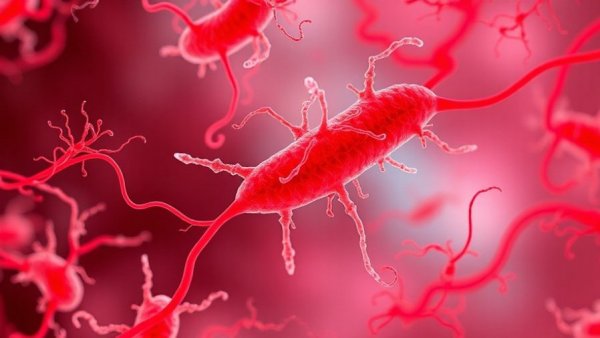
Understanding Salmonella: From Pathogen to Public Health Threat
Salmonella enterica has long been a bane of public health, causing illnesses ranging from mild gastroenteritis to severe diseases like typhoid fever. With an estimated 1.35 million infections annually in the United States alone, understanding how different serovars of Salmonella, like Typhimurium and Typhi, behave within the human body can pave the way for better prevention and treatment strategies. Recent research utilizing innovative live-imaging techniques with human intestinal epithelial cell (IEC) organoids has provided fascinating insights into how these pathogens locate and invade your gut.
Mismatch in Preference: Why Some Salmonella Prefer the Gut Lining
The researchers discovered that generalist serovar Typhimurium and the human-restricted serovar Typhi exhibit contrasting behaviors when approaching IEC surfaces. Typhimurium shows a preference for migrating towards the apical surfaces, while Typhi navigates towards the basolateral surfaces. This polarized behavior is not mere coincidence; it’s a finely-tuned strategy that is mediated by the unique properties of each serovar's chemoreceptors. Typhimurium’s preference for apical surfaces suggests an adaptation for invading human hosts, while Typhi’s contrasting behavior hints at a different, more specialized evolutionary path.
The Role of Chemoreceptors in Pathogen Navigation
A key to understanding this divergence lies within two specific chemoreceptors—Tcp and Aer. Tcp is triggered by detecting citrate released from the IECs, guiding the bacteria towards or away from potential entry points. Interestingly, a single amino acid variation in the Aer receptor influences whether this citrate sensory input leads to attraction or repulsion for the bacteria. This highlights the complex biology at play, where even minor genetic differences can lead to dramatically different survival strategies within a host. This microscopic battle is a testimony to the evolutionary arms race between humans and pathogens, showing just how precise and relentless nature can be.
Implications for Health and Disease Prevention
The understanding gleaned from these studies not only deepens our knowledge about Salmonella's ecological behavior but also has real-world implications. By focusing on how salmonella interacts with human cells, scientists can develop targeted strategies to limit bacterial infections. Moreover, by developing a nuanced understanding of simple changes in bacterial behavior based on ecological context, we could innovate new treatment approaches that tailor therapies to specific serotypes, enhancing treatment efficacy against this diverse pathogen.
Exploring the Broader Context: Why This Matters
Beyond the laboratory, these findings have implications for public health and food safety standards. Understanding how these pathogens navigate human physiology could inform better practices in food handling and preparation. For instance, if Typhimurium is more likely to invade the gut through contaminated produce, then effective washing techniques could be critical in minimizing infections. Moreover, public health campaigns can emphasize specific behaviors, such as cooking meats thoroughly and maintaining good hygiene, especially during food preparation.
Looking Ahead: Future Trends in Salmonella Research
As researchers continue to decode the behavioral patterns and genetic codes of pathogens like Salmonella, anticipation builds for advancements in health practices. The future of disease prevention could revolve around personalized medicine that utilizes genetic and microbiome profiles to predict individual susceptibility to infections. This innovative approach could allow for proactive lifestyle changes and dietary strategies, optimizing your healthspan and enhancing your longevity.
Take Charge of Your Gut Health: Small Changes, Big Impact
The information about how Salmonella targets human cells underscores the broader significance of gut health. By incorporating specific dietary protocols—like a high-fiber, anti-inflammatory diet and avoiding processed foods—you’re not just reducing the risk of infection but actively promoting a vibrant gut microbiome that supports overall wellness. Supplements aimed at enhancing cellular health and longevity, such as probiotics, can also play a critical role. Although probiotics are commonly touted for their benefits, it's important to select strains that have been studied and validated through clinical trials to ensure effectiveness.
The Gut-Brain Connection: Holistic Wellness
Moreover, emerging research suggests that gut health is intertwined with mental health, known as the gut-brain axis. A thriving microbiome can positively influence your mood and cognitive functions. Therefore, nurturing your gut is not just about physical health; it's about fostering a holistic sense of well-being. Imagine a future where the food you eat not only fortifies your body against infections but also uplifts your mental spirit—a true win-win for health enthusiasts!
Final Thoughts: Empowering You with Knowledge
Understanding your gut and its interactions with pathogens can lead you toward a healthier lifestyle. By being informed and proactive, you can optimize your health and potentially extend your lifespan. The journey toward longevity may involve small lifestyle tweaks today that promote better health well into the future. So why not start exploring dietary changes or supplements today to empower your body's defenses? Making informed choices is the best strategy we can apply, as every little bit adds up. Remember, health is not merely the absence of disease; it is an ongoing process of maintaining equilibrium in body, mind, and gut.











Write A Comment