


Unlocking the Secrets of HIF1α Stabilization
In the intricate dance of cellular health and longevity, hypoxia-inducible factors (HIFs) play a starring role. These proteins, particularly HIF1α, are signaling molecules that respond to low oxygen levels, acting to protect retinal cells and promote their survival. Recent research on a novel HIF1α stabilizer promises to shed light on effective strategies to combat retinal diseases, showing how this breakthrough could revolutionize our approach to eye health and aging. Understanding how we can leverage this knowledge helps us become active participants in maintaining our health.
Understanding the Mechanism: How HIF1α Protects Photoreceptors
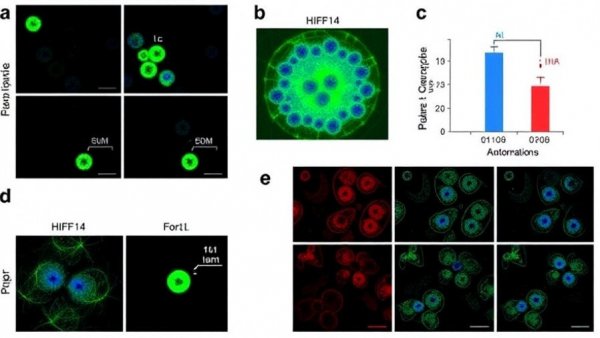
The crux of the study revolves around a cyclometalated iridium(III) complex known as stabilizer 1a, which hinders the degradation of HIF1α. This stabilization leads to a cascade of protective cellular responses, such as reducing apoptosis—or programmed cell death—significantly in photoreceptor cells, particularly under hypoxic stress conditions. This finding is pivotal for those health-conscious individuals keen on cellular health and longevity, as it highlights the importance of maintaining the function of critical proteins in aging and disease processes. But what exactly does this mean for your well-being? A deeper understanding of these mechanisms not only clarifies how certain treatments work but also fosters a proactive mindset towards health management.
Create a Foundation of Longevity: The Anti-Aging Potential of HIF1α Stabilization
Ultimately, the relationship between HIF1α stabilization and cell longevity opens doors for developing anti-aging strategies. By reducing oxidative stress and apoptosis in photoreceptors, the findings suggest that incorporating similar biohacks could enhance overall cellular health. For anyone interested in optimizing wellness and lifespan, understanding such mechanisms offers actionable insights. Practical steps might include adopting dietary protocols rich in antioxidants or considering supplements that promote similar pathways, such as resveratrol and curcumin. These everyday choices align closely with cutting-edge science, reinforcing the idea that informed decisions contribute significantly to our health outcomes.
The Promise of Senescence: When Aging Becomes a Strategy
A compelling aspect of the study is the reversible senescence-like phenotype observed with the use of stabilizer 1a. Increased levels of proteins like p16 and p21 suggest that the cells may enter a transient protective state, potentially contributing to healthspan—our years of healthy living. This opens an intriguing dialogue on the balance of cellular aging, reiterating that while we aim for longevity, there’s wisdom in recognizing the body’s adaptive strategies. The blend of humor and science here reminds us that aging isn’t merely a decline, but rather a complex journey that when navigated knowledgeably, can lead to enriched lives. Aging could be considered a privilege, an opportunity to accumulate wisdom and experience, which is an outlook that may keep the spring in your step as you embrace the years ahead.
Future Directions: How Will This Research Shape Health Trends?
The implications of this research extend beyond the retina, inviting questions about how similar mechanisms could apply to other diseases and conditions. As the world of aging research grows more nuanced, integrating approaches like HIF1α stabilization presents an enticing vision for future health optimizations. For those passionate about fitness and longevity, keeping an eye (pun intended!) on these developments could inform personal health strategies and inspire conversations around disease prevention. Imagine a world where eye health optimization mirrors advances in overall wellness—this kind of synergy between research and practical solutions could change the rhetoric surrounding aging.
The Role of Diet and Supplements: Building an Arsenal Against Aging
As you ponder the findings from this research, consider how nutrition can complement such cellular protective measures. Healthy diets that nourish mitochondrial function—potentially rich in compounds that support HIF stabilization—could provide powerful synergistic benefits. Combine this with science-backed supplements for longevity, and you have an arsenal aimed not just at living longer, but living healthier. For example, nutrient-enriched foods like blueberries and spinach might pair perfectly with these innovative treatments, reinforcing your body's resilience against age-related decline. Furthermore, staying hydrated and consuming omega-3 fatty acids can boost brain health—a vital component in the aging conversation.
Integrating Insights into Daily Living: Biohacking for Better Health
The study sparks rich discussions about actionable biohacking techniques that individuals can adopt. This ranges from mindful dietary practices to embracing active lifestyles that promote mitochondrial efficiency. Practical strategies might include not only choosing specific foods and supplements based on the latest aging research but also adopting a holistic approach, encompassing mental health and physical activity. For example, incorporating yoga or mindfulness meditation into your routine isn't just a way to declutter your mind; it actively supports cellular health by reducing cortisol levels, which is linked to oxidative stress. After all, it’s about weaving health into the fabric of our everyday lives—making wellness a way of being rather than a series of tasks.
In conclusion, the emerging insights from HIF1α stabilization research provide valuable lessons for anyone intent on improving their longevity and health. With a touch of humor and a commitment to science-backed strategies, there's a bountiful landscape of opportunities to explore, whether through nutrition, lifestyle choices, or emerging treatments. Remember, health optimization isn’t just an ambition; it's a lifelong adventure that we can embark on with curiosity and resilience, celebrating each heartbeat on this beautiful journey called life.













Write A Comment