


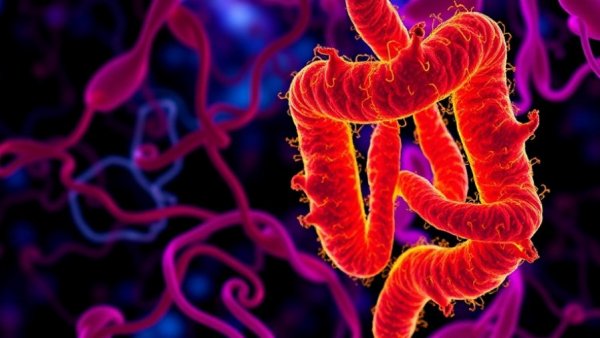
Unraveling the Metabolic Mysteries of Colorectal Cancer
Colorectal cancer (CRC) poses a significant health threat, especially as incidence rates rise among younger adults. The mechanics of CRC's development are intricate, particularly involving cancer-associated fibroblasts (CAFs) that play a pivotal role within tumor microenvironments. Recent research has spotlighted the metabolic complexities of these fibroblasts, revealing a novel subgroup termed metabolically distinct CAFs (meCAFs).
The Distinctive Role of CAFs in CRC Progression
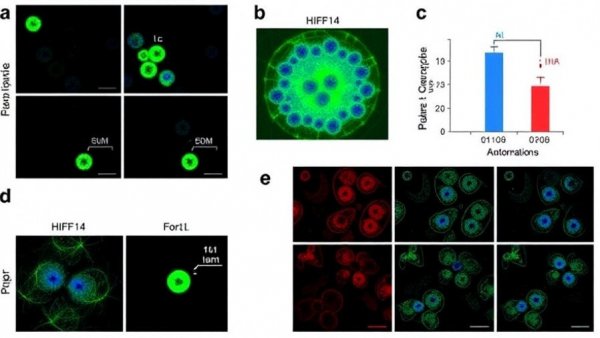
In the landscape of cancer biology, CAFs often outshine traditional tumor cells due to their supporting roles in tumor growth and immune response modulation. According to a groundbreaking study that profiled over 86,000 cells from two CRC cohorts, meCAFs were identified as a unique entity that prioritizes glycolytic metabolism—a shift crucial to maintaining tumor viability. This metabolic reprogramming, significantly reinforced by the transcription factor HIF1A, also implicates meCAFs in the local immune environment, primarily influencing the immune-rich consensus molecular subtype (CMS1).
Metabolic Pathways and Cancer Microenvironments
The emergence of meCAFs at the tumor-stroma interface suggests a sophisticated level of metabolic adaptation. Their distinctive signature includes high activity in lactate metabolism and established markers for hypoxia, aligning closely with cancer aggressiveness. This connection between metabolic states and tumor microenvironments introduces exciting implications for therapeutic approaches in regenerative medicine, particularly concerning cellular health and longevity.
Link Between CAFs and Cellular Health: What It Means for You
The implications of this research extend beyond the laboratory. For health-conscious individuals aged 30 to 55, understanding how metabolic processes in CAFs influence overall cell health and aging can positively impact personal health strategies. Optimizing mitochondrial function, promoting autophagy, and supporting stem cell activity can all contribute to maintaining vitality and mitigating the aging process. Integrating this knowledge allows for informed decisions regarding dietary protocols and the potential use of NAD+ boosters aimed at replenishing cellular energy and supporting resilient health.
The Future of Cancer Treatment and Anti-Aging
As we forge ahead in research, the differentiation of CAFs opens new doors in the fight against colorectal cancer and the broader implications for regenerative therapies. By leveraging insights from this recent study, we can enhance our understanding of cellular rejuvenation, deepen our knowledge on senescence reversal mechanisms, and apply findings towards the development of therapeutic strategies that may ultimately redefine anti-aging treatments.
This meticulous exploration of CAF metabolism highlights an intersection of cancer research and health optimization, reminding us of the intricate connections between our cells, their metabolic states, and longevity. Embracing such insights encourages both preventative measures and active engagement with emerging therapeutic modalities.










Write A Comment