


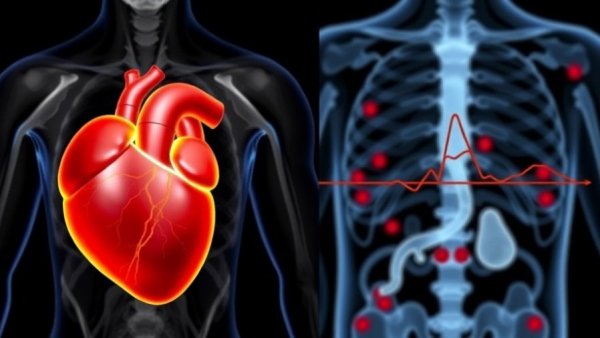
Understanding the Link Between MASLD and Coronary Heart Disease
Metabolic dysfunction-associated steatotic liver disease (MASLD) is more than just a mouthful—it’s a significant health concern, particularly as it relates to coronary heart disease (CHD). Recent research highlights that individuals with MASLD face a higher chance of developing CHD due to intertwined metabolic and inflammatory processes. For health-conscious individuals aged 30-55, especially those keen on anti-aging and wellness, understanding this link can empower them to make informed dietary choices that may mitigate their risk. By being proactive, lifestyle interventions become a vital aspect of managing both MASLD and heart health.
Innovative Indices for Heart Health
A recent study evaluated ten metabolic-inflammatory-nutritional composite indices to improve CHD identification in patients suffering from MASLD. Among these indices, one stands out: the cholesterol-high-density lipoprotein cholesterol-glucose (CHG) index, which demonstrated a strong correlation with CHD risk. As health enthusiasts try to align their nutritional intake with cellular health, awareness of tools like the CHG index could help steer dietary choices. For example, individuals interested in omega-3 for longevity should note that this nutrient can influence cholesterol levels positively, thereby supporting heart health. Furthermore, understanding how various foods impact these indices can aid in crafting a heart-healthy diet.
Additionally, understanding the role of other indices, such as the atherogenic index of plasma (AIP) and the albumin-bilirubin score (ALBI), can deepen individuals' insights into their cardiovascular risk profiles. Implementing dietary habits like increasing antioxidant-rich fruits and vegetables, whole grains, and healthy fats can help lower these risk indices, promoting better heart health overall.
Machine Learning Meets Medicine
In a groundbreaking move, researchers employed machine learning algorithms to analyze the data. Six algorithms were tested, leading to the creation of an interpretable model presented as both a nomogram and a web-based calculator. This model not only simplifies the assessment of CHD risk for practitioners but also potentially serves as a tool for individuals curious about their heart health. By offering an easy way for health-conscious individuals to understand their metabolic profiles, it enables proactive lifestyle adjustments, much like how resveratrol benefits are often discussed in regard to longevity. This integration of technology into health assessment exemplifies how innovations can empower patients to take charge of their health journeys.
Supportive Supplements for Longevity
With the escalating concern for conditions like MASLD and CHD, supplementing diets with specific nutrients can be beneficial. Nutrients like NAD+ supplements and collagen for aging play roles in cellular rejuvenation and overall metabolic health. This assertion is grounded in research suggesting that maintaining healthy cellular function can help counteract the negative effects of metabolic diseases. Furthermore, adapting a holistic perspective by incorporating adaptogens for health may assist in counteracting stress and inflammation, thereby contributing to heart health. Incorporating these supplements into daily routines might support cardiovascular function, energy levels, and resilience against age-related decline.
The Future of Heart Disease Identification
With findings from the study indicating that nine out of ten composite indices significantly relate to CHD, it’s essential to consider how this knowledge may shape future dietary practices and health protocols. This can guide health-conscious individuals in crafting diets rich in beneficial compounds, like those found in longevity vitamins. Moreover, fostering awareness of these indices can encourage individuals to engage regularly with healthcare providers, enabling personalized nutrition plans. Emerging data on the effectiveness of supplements and various nutritional strategies suggests that there’s potential for folks to not only maintain but also enhance their vitality as they age.
Conclusion: Empower Yourself with Knowledge
As you explore these findings, consider how you can incorporate strategic dietary elements into your life. Whether it's through adjusting your intake of omega-3s or experimenting with anti-aging supplements, take charge of your health today. Small, intentional changes in daily habits, such as monitoring your nutritional indices and staying informed about potential health risks, can make significant differences. Your heart will thank you in the long run, and the knowledge you gain may ultimately pave the path for a longer, healthier life.











Write A Comment