


Understanding Placental Iron Homeostasis: Why It Matters for Health
The placenta is not just an organ for nurturing a developing baby; it plays a critical role in managing iron supply, which is essential for fetal growth. This vital process involves taking iron from the mother’s bloodstream and transferring it to the fetus. Maintaining the right balance of iron is crucial not only for the fetus's development but also for the mother's health.
How Does Iron Transfer Occur?
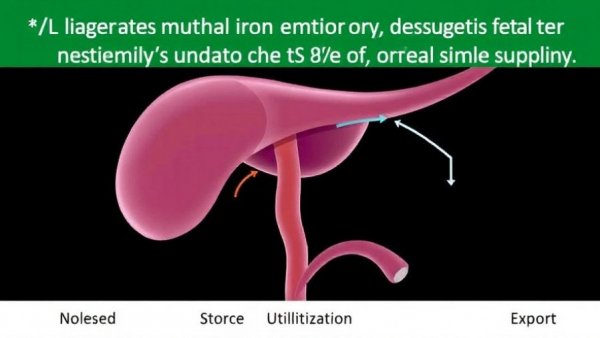
The transfer of iron begins at the syncytiotrophoblast, a specialized layer of cells in the placenta that acts as the gateway for maternal nutrients. Here, iron is transported via a protein called transferrin, which binds to iron and facilitates its movement into the placenta. Once inside, iron can either be stored in a form called ferritin, utilized for vital cellular functions, or exported to the fetus through another protein known as ferroportin.
The Importance of Iron for Fetal Development
Fetal iron is essential for multiple developmental processes—including the production of red blood cells, which are crucial for oxygen delivery throughout the body. Any deficiency during pregnancy can lead to adverse outcomes, including low birth weight and developmental delays. The growing demand for iron peaks toward the end of pregnancy, making it essential for expectant mothers to ensure adequate iron supply not only for their own health but also for their child’s.
Factor Influencing Iron Availability
Several factors can impact the availability and transfer of iron from the mother to the fetus, including maternal diet, overall health, and physiological conditions like anemia. A diet rich in iron through sources like red meat, fortified cereals, and leafy greens can significantly enhance maternal iron levels, promoting better fetal outcomes. Additionally, integrating anti-aging supplements like Omega-3 fatty acids and collagen can improve maternal health, supporting a healthier environment for fetal iron transfer.
Potential Risks of Iron Deficiency
Iron deficiency in pregnant women can have enduring effects on both mother and child. For mothers, it can increase the risk of fatigue and complications during delivery. For infants, inadequate iron supply can lead to developmental difficulties and long-term health issues. Thus, understanding placental iron homeostasis is vital for establishing effective dietary interventions during pregnancy.
Embracing Nutraceuticals for Optimal Health
In addition to dietary sources, many individuals exploring longevity and vitality are turning to longevity nutraceuticals. Supplements like NAD+ and resveratrol are being studied for their potential health benefits, including the promotion of cellular health and longevity. Knowledge about these supplements can empower individuals to make informed choices regarding their well-being.
Conclusion: A Holistic Approach to Health
As we learn more about the complex interplay between maternal health and fetal development, it becomes increasingly clear that maintaining iron homeostasis is fundamental. By ensuring proper nutrition and considering the best supplements for aging, individuals can promote a healthier pregnancy. Understanding these connections not only strengthens health during pregnancy but enhances overall well-being long-term.
If you’re interested in optimizing your health or that of a loved one during pregnancy, consider consulting with a healthcare provider about the right dietary choices and potential supplements. Prioritizing iron intake is a crucial step toward fostering a healthy pregnancy and the future health of your child.











Write A Comment