


Understanding Serum Phosphate and PTH: A Key to Longevity
Recent research emphasizes the complex interaction between serum phosphate levels and parathyroid hormone (PTH), with important implications for health, especially in the context of aging. This article explores how these dynamics differ by sex, revealing insights that may influence dietary practices and supplement choices for longevity-focused individuals. Understanding these relationships could be particularly transformative for those looking to enhance their vitality as they progress into their 30s, 40s, and beyond.
The Sex-Specific Relationship: Why It Matters
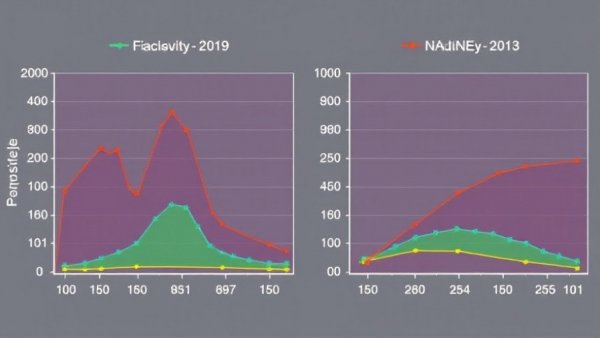
A study conducted on a clinical cohort in Qinghai, China, alongside NHANES data from the U.S., unearthed that the association between serum phosphate and PTH varies between men and women. In females, a steeper inverse relationship was found, suggesting a higher sensitivity to variations in phosphate levels. This means that women may need to pay closer attention to their dietary phosphorus intake as it may have more pronounced effects on their bone health and overall mineral regulation. For instance, this sensitivity could impact women more significantly during certain life stages, such as menopause, when hormonal changes can affect mineral metabolism.
Dietary Sensitivity and Bone Health
One of the interesting findings from the research is the role of dietary phosphorus. While the study noted no material effect when adjusting for dietary phosphorus and other nutrients (like calcium and protein), it raises questions about how diet impacts these crucial hormone levels over the long term. Health-conscious individuals aged 30-55 should focus on foods rich in phosphorus, such as lean meats, dairy, nuts, and legumes, which can support optimal bone health and promote longevity. Additionally, being mindful of phosphorus sources is essential; for example, processed foods often contain phosphates that can disrupt the natural balance and have been linked to adverse health effects. Emphasizing whole foods can lead to more favorable outcomes for maintaining mineral homeostasis.
Genetic Insights: The Role of Genetics in Mineral Homeostasis
The use of Mendelian randomization in this research aimed to clarify the causal pathway between serum phosphate and PTH across different cohorts. However, the inconclusive results illustrate the complexity of genetic influences—indicating that individual genetic profiles may affect how one's body manages these minerals. Factors such as family history and ethnicity can play significant roles in nutrient metabolism. Individuals seeking to enhance longevity should consider not only dietary and supplemental interventions but also how their genetic backgrounds could influence their health. Personalized approaches that reflect genetic predispositions could lead to improved outcomes in how one's body responds to different dietary strategies.
Actionable Insights: Tailoring Your Nutritional Choices
The findings suggest that personalized dietary approaches may enhance health outcomes. For example, including omega-3 fatty acids found in fish and flaxseeds, as well as adaptogens like ashwagandha or rhodiola, in your daily regimen can support the body's overall mineral balance and boost vitality. Supplements like collagen and resveratrol have been noted for their potential anti-aging benefits, making them excellent choices for health enthusiasts looking to rejuvenate their cellular health. Furthermore, pairing these with a balanced intake of vitamins and minerals can optimize bone density and general physical wellness.
Practical Takeaways: Implement Changes Gradually
It's important to recognize that enhancing one’s health is a journey. Start incorporating nutrient-dense foods into meals gradually and consider tracking phosphorus intake to ensure balanced levels. Aim for a diet that includes a variety of colorful fruits and vegetables, whole grains, and healthy fats to provide a rich spectrum of nutrients that work synergistically. Additionally, regular check-ups with a healthcare provider can help monitor mineral levels and hormonal health, paving the way for informed and effective dietary adjustments. It’s never too late to take steps toward a healthier lifestyle that enhances your longevity and well-being.
Concluding Thoughts: Empower Your Health Journey
Overall, the research underscores the importance of understanding the interplay between minerals like phosphate and hormones such as PTH—and how these dynamics can vary by sex. As we age, optimizing our nutrient intake becomes more crucial. By staying informed and adjusting our diets and supplement choices to suit our individual needs, we pave the way for a healthier, more empowered life. The journey to vitality is continuous; understanding these physiological factors allows individuals to thrive and enjoy better quality of life as they navigate the complexities of aging.











Write A Comment