


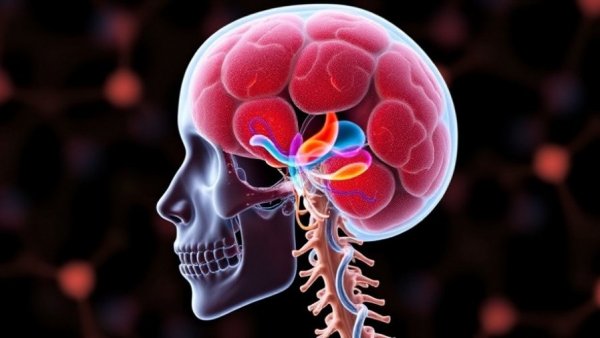
Understanding Craniosynostosis: The Hidden Challenge of Early Suture Fusion
Craniosynostosis, a condition where one or more cranial sutures fuse prematurely, presents a unique challenge for pediatric neurosurgeons. While the statistic of 1 in 2,100-2,500 live births may seem small, the implications for affected infants can be profound. The incomplete understanding of its causes and the rising prevalence documented over recent decades underscores the necessity for deeper investigation into this congenital anomaly. Clinical consequences extend beyond mere aesthetic concerns, with children facing potential psychosocial and neurodevelopmental disorders associated with elevated intracranial pressure and restricted skull growth.
From Passive Bindings to Dynamic Niches: The Role of Stem Cells in Sutures
Recent research has dramatically shifted the perspective on cranial sutures, portraying them as dynamic stem cell niches rather than mere passive joints. Within this context, specific stem cell populations, identified by markers such as Gli1, Axin2, and Prrx1, are critical for maintaining calvarial bone homeostasis. Understanding how these stem cells are regulated—and disrupted—in craniosynostosis could open new avenues in regenerative medicine. By leveraging advancements in single-cell RNA sequencing and other multi-omics technologies, researchers are elucidating the intricate cellular architecture of these niches and establishing connections to craniosynostosis mechanisms.
The Transformative Power of AI and Multi-Omics
The integration of artificial intelligence (AI) with multi-omics approaches marks a significant turning point in understanding craniosynostosis. Machine learning models enable the analysis of extensive datasets—such as those generated through spatial transcriptomics and chromatin accessibility mapping—to uncover mechanistic insights. This intersection of technology and biology is not only facilitating more precise phenotyping and diagnosis but also paving the way for innovative treatments. For example, AI-assisted biomarker discovery has the potential to refine patient screening processes, while deep learning methods can autonomously generate hypotheses for experimental validation, further promoting regenerative strategies.
From Labs to Bedside: Stem Cell Innovations in Treatment
The translational potential of stem cell research in the context of craniosynostosis is profound. Initiatives exploring stem cell-based suture regeneration, combined with biomaterials tuning for better niche engineering, signal an exciting trajectory towards novel therapeutic interventions. Patient-derived induced pluripotent stem cells (iPSCs) are being utilized in disease modeling, allowing for a more personalized approach to treatment. Such innovations are crucial, as they aim to address the root causes of craniosynostosis while also tackling the associated symptoms.
Ethical and Practical Challenges Ahead
Despite the promise of these advancements, significant challenges remain. Issues surrounding model interpretability and cross-species applicability are critical for ensuring that findings translate effectively from the lab to clinical settings. Establishing data standards and validating AI-derived predictions through experimental methods are essential steps to enhance trust in these innovative approaches. As the landscape of craniosynostosis treatment evolves, active consideration of these challenges will be crucial in navigating the path toward successful regenerative therapies.
Conclusion: Toward a Future of Enhanced Cellular Health
As we explore the complex interplay between craniosynostosis and its associated stem cell processes through multi-omics and AI technologies, we unlock broader insights into cellular health and rejuvenation. Understanding these biological mechanisms serves not just the field of pediatric neurosurgery but provides valuable perspectives on aging and cellular repair applicable to a wider audience seeking long-term vitality. Ongoing research into cellular health and the pivotal role of stem cells in regenerative medicine continues to represent a beacon of hope for enhanced quality of life.











Write A Comment