
Longevity Thrive
update
Longevity Thrive
Thriving Health For Thriving Life
update
  • Home
  • Categories
    • Cell Renewal
    • Telomere Science
    • Supplement Guide
    • Diet Protocols
    • Expert Insights
    • Biohacking Tips
    • Research Updates
November 21.2026
4 Minutes Read

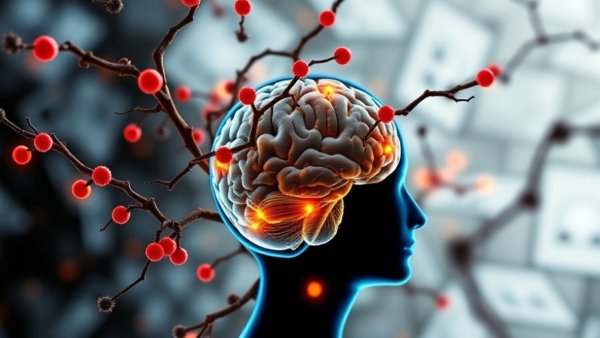
G3BP1: The Key Protein Linking Liver Fibrosis to Healthspan Optimization

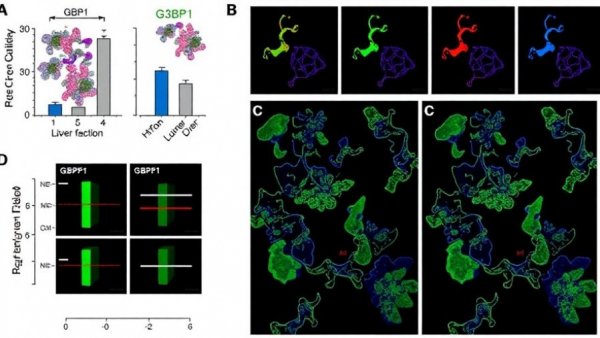
G3BP1-induced retrograde transport blockade triggers HSC activation and liver fibrosis via COPI alternative splicing

The Unseen Catalyst of Liver Fibrosis: Understanding G3BP1

Recent research highlights the significant role of Ras GTPase-activating protein-binding protein 1 (G3BP1) in the activation of hepatic stellate cells (HSC) and the progression of liver fibrosis. This connection, primarily identified through studies on liver specimens from patients and murine models, indicates that G3BP1 levels surge in fibrotic conditions. This finding suggests that it could be much more than just a biomarker—it’s a critical player in disease mechanisms. Understanding this protein's functions could shine a light on novel ways to prevent or improve liver-related diseases.

G3BP1 and the Dance of Cellular Machinery

G3BP1 isn’t just hanging out in our cells; it actively promotes HSC activation in various cell cultures, like human LX-2 cells and primary mouse HSCs. Research shows that when G3BP1 is genetically removed, the activation and fibrosis processes are significantly dampened. This raises an exciting question: could targeting G3BP1 be a novel therapeutic approach to combat liver fibrosis? This potential intervention could pave the way for an entire class of effective treatments aimed at a condition that currently affects millions globally, from moderate liver fat accumulation to end-stage liver disease.

How Alternative Splicing Plays a Role

One of the most fascinating aspects of G3BP1’s action is its involvement in the alternative splicing of coat protein complex I (COPI) subunits. This occurs through its functional relationship with the splicing factor hnRNPM. The result? The production of certain COPI isoforms that disrupt COPI-dependent retrograde transport. The malfunction of this transport pathway creates endoplasmic reticulum (ER) stress—a cellular crisis that signals for HSC activation and, ultimately, fibrogenesis. For those who aren’t biology buffs, think of this as a traffic jam in your cellular highway—too many cars (or proteins) trying to go nowhere. The impact of this congestion can be detrimental, leading to increased inflammation and scar tissue formation in the liver.

Key Insights: Implications for Wellness and Healthspan

Understanding how G3BP1 fuels cellular machinery provides us with pivotal insights for health optimization. This connection between G3BP1, fibrosis, and ER stress opens new avenues for biohacking and disease prevention strategies. For health-conscious individuals keen on improving their longevity and cellular health, integrating the latest findings about proteins like G3BP1 into your wellness arsenal could prove essential. Think of it as adding an extra layer of protection against the wear and tear of aging and disease. In everyday terms, backing your health initiatives with science-based knowledge keeps you not just informed but also continually engaged in your personal wellness journey.

G3BP1's Role in Long-Term Health

The implications of G3BP1 extend beyond just liver health. Since the liver plays an integral role in numerous bodily functions—ranging from detoxification to metabolism—the activation of HSCs could have ripple effects on overall health. For instance, chronic liver fibrosis can lead to cirrhosis, a condition that significantly compromises your body’s ability to function well. As such, monitoring and intervening in G3BP1 pathways might serve as a preventive approach, potentially diminishing the likelihood of multiple health issues connected to liver dysfunction. Addressing liver health proactively also aligns with a broader trend in medicine emphasizing prevention over treatment.

Pharmacological Insights: Could There Be a Silver Bullet?

Interestingly, studies suggest that pharmacologically intervening in the G3BP1/SRPK1/hnRNPM pathway could potentially improve liver fibrosis. This means that if researchers can harness the findings of G3BP1’s role in alternative splicing, it could lead to the development of new treatments to alleviate liver disease. For the wellness-oriented among us, staying updated on these advancements could mean tuning into a new revolution in anti-aging strategies. Imagine being part of the first wave to adapt personalized medicine rooted in genetic understanding—how exciting is that! Given the rapid advancements in biotechnology, it is reasonable to expect that tailored therapies could soon be available.

Exploring Practical Ways to Optimize Liver Health

While the research on G3BP1 is promising, it’s essential to incorporate practical strategies into your daily routine that support liver health. Regular exercise and a balanced diet rich in antioxidants can help promote optimal liver function. Foods such as leafy greens, berries, and nuts are great choices that may protect against oxidative stress, in turn possibly influencing G3BP1 levels favorably. Additionally, hydrating sufficiently is often overlooked but is crucial in aiding liver detoxification processes. Moreover, avoiding excessive alcohol consumption and keeping your weight in check are tried-and-true methods for maintaining a healthy liver. Another tip? Consider integrating herbal options like milk thistle into your routine, as some preliminary studies suggest they might offer liver-supporting benefits.

Call to Action: Stay Ahead with Cutting-Edge Health Insights

As we explore the vast landscapes of health science, understanding emerging research about proteins like G3BP1 can empower you to make informed decisions about your health strategies. To dive deeper into how such discoveries could impact your longevity or the longevity of loved ones, keep following research updates and expert insights. Embrace biohacking with an informed mindset to optimize your healthspan. Engaging with your health community, whether that’s through forums, workshops, or consultations, can also offer support and shared knowledge, facilitating a more holistic approach to wellness. Approaching your health with curiosity and a proactive attitude fosters a culture of preventative care—an approach that typically leads to richer, more vibrant living.
Cell Renewal

0 Views

0 Comments

Write A Comment

*
*
Please complete the captcha to submit your comment.
Related Posts All Posts
11.21.2026

Craniosynostosis, Stem Cell Therapy, and AI: Redefining Regenerative Medicine

Update Understanding Craniosynostosis: The Hidden Challenge of Early Suture FusionCraniosynostosis, a condition where one or more cranial sutures fuse prematurely, presents a unique challenge for pediatric neurosurgeons. While the statistic of 1 in 2,100-2,500 live births may seem small, the implications for affected infants can be profound. The incomplete understanding of its causes and the rising prevalence documented over recent decades underscores the necessity for deeper investigation into this congenital anomaly. Clinical consequences extend beyond mere aesthetic concerns, with children facing potential psychosocial and neurodevelopmental disorders associated with elevated intracranial pressure and restricted skull growth.From Passive Bindings to Dynamic Niches: The Role of Stem Cells in SuturesRecent research has dramatically shifted the perspective on cranial sutures, portraying them as dynamic stem cell niches rather than mere passive joints. Within this context, specific stem cell populations, identified by markers such as Gli1, Axin2, and Prrx1, are critical for maintaining calvarial bone homeostasis. Understanding how these stem cells are regulated—and disrupted—in craniosynostosis could open new avenues in regenerative medicine. By leveraging advancements in single-cell RNA sequencing and other multi-omics technologies, researchers are elucidating the intricate cellular architecture of these niches and establishing connections to craniosynostosis mechanisms.The Transformative Power of AI and Multi-OmicsThe integration of artificial intelligence (AI) with multi-omics approaches marks a significant turning point in understanding craniosynostosis. Machine learning models enable the analysis of extensive datasets—such as those generated through spatial transcriptomics and chromatin accessibility mapping—to uncover mechanistic insights. This intersection of technology and biology is not only facilitating more precise phenotyping and diagnosis but also paving the way for innovative treatments. For example, AI-assisted biomarker discovery has the potential to refine patient screening processes, while deep learning methods can autonomously generate hypotheses for experimental validation, further promoting regenerative strategies.From Labs to Bedside: Stem Cell Innovations in TreatmentThe translational potential of stem cell research in the context of craniosynostosis is profound. Initiatives exploring stem cell-based suture regeneration, combined with biomaterials tuning for better niche engineering, signal an exciting trajectory towards novel therapeutic interventions. Patient-derived induced pluripotent stem cells (iPSCs) are being utilized in disease modeling, allowing for a more personalized approach to treatment. Such innovations are crucial, as they aim to address the root causes of craniosynostosis while also tackling the associated symptoms.Ethical and Practical Challenges AheadDespite the promise of these advancements, significant challenges remain. Issues surrounding model interpretability and cross-species applicability are critical for ensuring that findings translate effectively from the lab to clinical settings. Establishing data standards and validating AI-derived predictions through experimental methods are essential steps to enhance trust in these innovative approaches. As the landscape of craniosynostosis treatment evolves, active consideration of these challenges will be crucial in navigating the path toward successful regenerative therapies.Conclusion: Toward a Future of Enhanced Cellular HealthAs we explore the complex interplay between craniosynostosis and its associated stem cell processes through multi-omics and AI technologies, we unlock broader insights into cellular health and rejuvenation. Understanding these biological mechanisms serves not just the field of pediatric neurosurgery but provides valuable perspectives on aging and cellular repair applicable to a wider audience seeking long-term vitality. Ongoing research into cellular health and the pivotal role of stem cells in regenerative medicine continues to represent a beacon of hope for enhanced quality of life.

11.20.2026

Unlocking the Connection: How Cardiovascular Health Influences Cognitive Decline

Update Understanding the Interconnection Between Cardiovascular Health and Cognitive Function The relationship between cardiovascular disease (CVD) and cognitive decline has garnered considerable attention in recent years, especially as the global population ages. With more than 2 billion people expected to be over the age of 60 by 2050, understanding how these two health issues interrelate is crucial for public health strategies and personal health planning. Research indicates that the underlying mechanisms linking CVD and cognitive decline—such as vascular health, inflammatory responses, and metabolic dysfunction—contribute to a shared pathophysiology that exacerbates both conditions. The Role of Apolipoproteins and Sirtuins in Aging Apolipoproteins, particularly apolipoprotein E (ApoE), play a pivotal role in lipid metabolism and neuronal health. Genetic variations in ApoE can influence the risk of developing Alzheimer’s disease, thus linking cardiovascular risk factors with cognitive outcomes. Simultaneously, sirtuins—proteins involved in cellular regulation and metabolic functions—have emerged as crucial players in the aging process. Sirtuins 1 to 6 are particularly noteworthy as they promote cellular repair and protect against oxidative stress, both of which are vital for maintaining neuronal integrity and cardiovascular health. Non-Coding RNAs: The Emerging Regulators of Health Recent studies have spotlighted non-coding RNAs, which include microRNAs and circular RNAs, as significant regulators in the interplay of various cellular processes. These molecules influence gene expression related to inflammation and cellular repair, providing a potential therapeutic avenue for addressing both cardiovascular and cognitive health deterioration. Exploring how non-coding RNA profiles change with age, and under conditions of stress or disease, could illuminate new diagnostic markers and treatment targets. Innovative Therapeutic Strategies and Future Directions Considering the multifaceted nature of CVD and cognitive decline, effective treatments are not one-size-fits-all. Innovative strategies, such as stem cell therapy and the application of NAD+ boosters, demonstrate promise in enhancing cellular repair mechanisms and reversing senescence. Understanding how these therapies can augment mitochondrial function and enhance autophagy—the body’s waste removal process—opens avenues for advanced regenerative medicine. Tailored interventions based on individual metabolic profiles could revolutionize treatment paradigms. The Importance of Early Diagnosis and Personalized Approaches With advancements in artificial intelligence and machine learning, there is potential for developing sophisticated diagnostic tools that can detect early signs of disease progression linked to both cardiovascular conditions and cognitive decline. Utilizing systems biology to unravel these complex networks could lead to personalized medicine approaches that are responsive to the unique biochemical noise present in each patient, allowing for better-targeted therapeutic interventions. Conclusion: Taking Charge of Your Health for the Future As health-conscious individuals interested in maintaining vitality, understanding the connections between cardiovascular health, cognitive function, and cellular rejuvenation is pivotal. Strategies that enhance mitochondrial function and cellular repair through lifestyle modifications and advanced therapies can significantly impact aging processes. For continued learning on maintaining your youthful energy and health, consider exploring options in regenerative medicine and cellular health strategies. Embrace this journey not just as a means to counteract aging, but as a proactive step towards a healthier future.

11.20.2026

Unlocking Insights: How GATA6 Influences Chemotherapy Sensitivity in NSCLC

Update Understanding GATA6’s Role: A Game Changer in Lung Cancer Treatment? The fascinating world of cancer research often reveals how tiny molecules orchestrate massive biological changes, and GATA6 is one such player. Recent studies have spotlighted GATA6 as a crucial transcription factor involved in both tumor progression and chemotherapy resistance in non-small cell lung cancer (NSCLC). This might sound like science fiction, but consider this: altering GATA6 expression has demonstrated potential for tweaking a cancer cell's response to chemotherapy drugs like Cisplatin. It’s a fine example of how molecular biology can pave the way for personalized treatment plans, transforming the way we understand and fight cancer. Why Should We Care About NSCLC? Non-small cell lung cancer is the most common form of lung cancer, accounting for about 85% of all cases. For health-conscious individuals, the fight against NSCLC is vital not just because it affects a significant portion of the population but also because it opens doors for innovative treatments. This form of cancer often presents unique challenges, including a tendency for specific genetic mutations leading to resistance against standard therapies. With a better understanding of how GATA6 modulation interacts with cellular metabolism, we could strategically outmaneuver chemotherapy resistance. It’s like discovering a secret weapon against a formidable foe in the game of health! Every bit of progress in understanding these molecular mechanisms can bring us closer to effective therapies, offering renewed hope for patients and their families. What Does GATA6 Do? GATA6 helps control genes that are crucial for cell growth and metabolism. The study shows that in drug-resistant NSCLC cells, GATA6 levels are notably lower compared to their more sensitive siblings. Picture it like a manager who's lost control of the team—without strong leadership, performance takes a dip. By overexpressing GATA6, researchers noted a reversal of chemotherapy resistance, suggesting that this protein could restore some much-needed order in the chaotic world of a cancer cell. It’s a reminder that even in the microscopic realms of our body, balance and regulation are key to success. Metabolism: The Fuel That Powers Cell Life GATA6 doesn’t just impact growth; it also alters the metabolic landscape of lung cancer cells. The ability of the cells to utilize energy effectively is critical in determining how they survive in the presence of chemotherapy. In the study, researchers found that GATA6 influences oxidative phosphorylation (OXPHOS), a process where cells convert nutrients into usable energy. By fine-tuning this metabolic activity, GATA6 can help rein in the chaotic energy usage that often accompanies chemoresistance. This metabolic regulation is a promising target for adjunct therapies, potentially allowing us to implement additional strategies to enhance the effectiveness of existing treatments. The Interplay Between ROS Production and Chemotherapy Reactive oxygen species (ROS) are like double-edged swords in our cells. While they can signal cell death—a target for chemotherapies—they can also serve as survival factors in cancer cells. The study reveals that GATA6 plays a significant role in dictating ROS production in NSCLC cells. Lower levels of GATA6 lead to imbalanced ROS levels, creating an environment ripe for chemoresistance. By reinstating GATA6, we might just tip the scales back in favor of therapy effectiveness. This interplay suggests that monitoring ROS levels could also become a cornerstone in designing newer, more effective therapies and could respond to treatment adjustments more promptly. Exploring GATA6: A Biomarker for Treatment Decisions Furthermore, GATA6's capability as a potential biomarker sheds light on its promising use in personalized medicine. Imagine a future where a simple test could determine your GATA6 levels, guiding oncologists in crafting a treatment plan tailored just for you. Instead of a one-size-fits-all approach to lung cancer therapy, patients could benefit from treatments that take into account their unique metabolic profiles and genetic backgrounds. This development emphasizes the importance of research, not just as a scientific pursuit, but as a pathway to making health decisions driven by data and individual responses. Future Implications: A Pathway Towards Personalized Medicine Understanding GATA6 paves the way for future therapies. Imagine having a more tailored approach to lung cancer treatment, where the levels of specific biomarkers determine how aggressive your treatment regime needs to be. With GATA6’s influence on both metabolic profiles and ROS balance, targeted therapies could become a reality, giving those battling NSCLC better outcomes. This form of precision medicine takes us leaps and bounds ahead from the days of generalized treatments and opens the door to more efficient and effective care. Engaging with these molecular insights might just enhance not only patient outcomes but also the overall landscape of cancer treatment. Wrapping Up: What’s Next? The insights from the exploration of GATA6's role in chemotherapy sensitivity could lead us to groundbreaking treatments in lung cancer. These continuous developments in molecular biology bridge the gap between basic research and clinical practice. So whether you see lung cancer as just a chapter in a text or a personal battle, the hope is that such knowledge spills over into practical therapies for those who need it most. In light of this exciting research, consider that your health is not only about battling existing conditions but also about optimizing your cellular health through lifestyle adjustments. Embracing cutting-edge health insights could offer you a sharper edge against diseases while promoting a healthier, longer life. Remember, the journey to wellness is a commitment and can be influenced by knowledge and proactive choices. Stay informed, stay healthy, and keep engaging with your wellness journey.

cropper
update
Longevity Thrive
cropper
update

Longevity Thrive empowers individuals with science-backed insights, expert advice, and practical tools to optimize health, wellness, and longevity.

  • update
  • update
  • update
  • update
  • update
  • update
  • update
UPDATE

ABOUT US

Longevity Thrive is a media platform dedicated to providing science-backed insights, practical strategies, and the latest trends in health, wellness, and longevity. It empowers individuals to optimize their healthspan and live vibrant, fulfilling lives.

© 2026 Longevity Thrive All Rights Reserved. Harp Island Close, London, Brent NW100DF . Contact Us . Terms of Service . Privacy Policy

eyJjb21wYW55IjoiTG9uZ2V2aXR5IFRocml2ZSIsImFkZHJlc3MiOiJIYXJwIElzbGFuZCBDbG9zZSIsImNpdHkiOiJMb25kb24iLCJzdGF0ZSI6IkJyZW50IiwiemlwIjoiTlcxMDBERiIsImVtYWlsIjoibG9yZW5hc0BnZXRtaWxlcmlzbWFya2V0aW5nLmNvbSIsInRvcyI6IlBIQStQSE4wY205dVp6NDhaVzArVjJobGJpQjViM1VnYzJsbmJpMXBiaUIzYVhSb0lIVnpMQ0I1YjNVZ1lYSmxJR2RwZG1sdVp5WnVZbk53T3lCNWIzVnlJSEJsY20xcGMzTnBiMjRnWVc1a0lHTnZibk5sYm5RZ2RHOGdjMlZ1WkNCNWIzVWdaVzFoYVd3Z1lXNWtMMjl5SUZOTlV5QjBaWGgwSUcxbGMzTmhaMlZ6TGlCQ2VTQmphR1ZqYTJsdVp5QjBhR1VnVkdWeWJYTWdZVzVrSUVOdmJtUnBkR2x2Ym5NZ1ltOTRJR0Z1WkNCaWVTQnphV2R1YVc1bklHbHVJSGx2ZFNCaGRYUnZiV0YwYVdOaGJHeDVJR052Ym1acGNtMGdkR2hoZENCNWIzVWdZV05qWlhCMElHRnNiQ0IwWlhKdGN5QnBiaUIwYUdseklHRm5jbVZsYldWdWRDNDhMMlZ0UGp3dmMzUnliMjVuUGp3dmNENEtDanh3UGp4aElHaHlaV1k5SW1oMGRIQTZMeTkzZDNjdVoyOXZaMnhsTG1OdmJTSSthSFIwY0RvdkwzZDNkeTVuYjI5bmJHVXVZMjl0UEM5aFBqd3ZjRDRLQ2p4d1BpWnVZbk53T3p3dmNENEtDanh3UGp4emRISnZibWMrVTBWU1ZrbERSVHd2YzNSeWIyNW5Qand2Y0Q0S0NqeHdQbGRsSUhCeWIzWnBaR1VnWVNCelpYSjJhV05sSUhSb1lYUWdZM1Z5Y21WdWRHeDVJR0ZzYkc5M2N5QjViM1VnZEc4Z2NtVmpaV2wyWlNCeVpYRjFaWE4wY3lCbWIzSWdabVZsWkdKaFkyc3NJR052YlhCaGJua2dhVzVtYjNKdFlYUnBiMjRzSUhCeWIyMXZkR2x2Ym1Gc0lHbHVabTl5YldGMGFXOXVMQ0JqYjIxd1lXNTVJR0ZzWlhKMGN5d2dZMjkxY0c5dWN5d2daR2x6WTI5MWJuUnpJR0Z1WkNCdmRHaGxjaUJ1YjNScFptbGpZWFJwYjI1eklIUnZJSGx2ZFhJZ1pXMWhhV3dnWVdSa2NtVnpjeUJoYm1RdmIzSWdZMlZzYkhWc1lYSWdjR2h2Ym1VZ2IzSWdaR1YyYVdObExpQlpiM1VnZFc1a1pYSnpkR0Z1WkNCaGJtUWdZV2R5WldVZ2RHaGhkQ0IwYUdVZ1UyVnlkbWxqWlNCcGN5QndjbTkyYVdSbFpDQW1jWFZ2ZER0QlV5MUpVeVp4ZFc5ME95QmhibVFnZEdoaGRDQjNaU0JoYzNOMWJXVWdibThnY21WemNHOXVjMmxpYVd4cGRIa2dabTl5SUhSb1pTQjBhVzFsYkdsdVpYTnpMQ0JrWld4bGRHbHZiaXdnYldsekxXUmxiR2wyWlhKNUlHOXlJR1poYVd4MWNtVWdkRzhnYzNSdmNtVWdZVzU1SUhWelpYSWdZMjl0YlhWdWFXTmhkR2x2Ym5NZ2IzSWdjR1Z5YzI5dVlXeHBlbUYwYVc5dUlITmxkSFJwYm1kekxqd3ZjRDRLQ2p4d1BsbHZkU0JoY21VZ2NtVnpjRzl1YzJsaWJHVWdabTl5SUc5aWRHRnBibWx1WnlCaFkyTmxjM01nZEc4Z2RHaGxJRk5sY25acFkyVXNJR0Z1WkNCMGFHRjBJR0ZqWTJWemN5QnRZWGtnYVc1MmIyeDJaU0IwYUdseVpDMXdZWEowZVNCbVpXVnpJQ2h6ZFdOb0lHRnpJRk5OVXlCMFpYaDBJRzFsYzNOaFoyVnpMQ0JKYm5SbGNtNWxkQ0J6WlhKMmFXTmxJSEJ5YjNacFpHVnlJRzl5SUdObGJHeDFiR0Z5SUdGcGNuUnBiV1VnWTJoaGNtZGxjeWt1SUZsdmRTQmhjbVVnY21WemNHOXVjMmxpYkdVZ1ptOXlJSFJvYjNObElHWmxaWE1zSUdsdVkyeDFaR2x1WnlCMGFHOXpaU0JtWldWeklHRnpjMjlqYVdGMFpXUWdkMmwwYUNCMGFHVWdaR2x6Y0d4aGVTQnZjaUJrWld4cGRtVnllU0J2WmlCbFlXTm9JRk5OVXlCMFpYaDBJRzFsYzNOaFoyVWdkMlVnYzJWdVpDQjBieUI1YjNVdUlFbHVJR0ZrWkdsMGFXOXVMQ0I1YjNVZ2JYVnpkQ0J3Y205MmFXUmxJR0Z1WkNCaGNtVWdjbVZ6Y0c5dWMybGliR1VnWm05eUlHRnNiQ0JsY1hWcGNHMWxiblFnYm1WalpYTnpZWEo1SUhSdklHRmpZMlZ6Y3lCMGFHVWdVMlZ5ZG1salpTQmhibVFnY21WalpXbDJaU0IwYUdVZ1UwMVRJSFJsZUhRZ2JXVnpjMkZuWlhNdUlGZGxJR1J2SUc1dmRDQmphR0Z5WjJVZ1lXNTVJR1psWlhNZ1ptOXlJSFJvWlNCa1pXeHBkbVZ5ZVNCdlppQmxiV0ZwYkNCdmNpQlRUVk11SUZSb2FYTWdhWE1nWVNCbWNtVmxJSE5sY25acFkyVWdkMlVnY0hKdmRtbGtaUzRnU0c5M1pYWmxjaXdnY0d4bFlYTmxJR05vWldOcklIZHBkR2dnZVc5MWNpQnBiblJsY201bGRDQnpaWEoyYVdObElIQnliM1pwWkdWeUlHRnVaQ0JqWld4c2RXeGhjaUJqWVhKeWFXVnlJR1p2Y2lCaGJua2dZMmhoY21kbGN5QjBhR0YwSUhsdmRTQnRZWGtnYVc1amRYSWdZWE1nWVNCeVpYTjFiSFFnYjJZZ2NtVmpaV2wyYVc1bklHVnRZV2xzSUdGdVpDQlRUVk1nZEdWNGRDQnRaWE56WVdkbGN5QjBhR0YwSUhkbElHUmxiR2wyWlhJZ2RYQnZiaUI1YjNWeUlHOXdkQzFwYmlCaGJtUWdjbVZuYVhOMGNtRjBhVzl1SUhkcGRHZ2diM1Z5SUdWdFlXbHNJR0Z1WkNCVFRWTWdjMlZ5ZG1salpYTXVJRmx2ZFNCallXNGdZMkZ1WTJWc0lHRjBJR0Z1ZVNCMGFXMWxMaUJLZFhOMElIUmxlSFFnSm5GMWIzUTdVMVJQVUNaeGRXOTBPeUIwYnladVluTndPenhvYVdkb2JHbG5hSFFnWTJ4aGMzTTlJbU52YlhCaGJubFRUVk5RYUc5dVpWVndaR0YwWlNJK2JuVnNiRHd2YUdsbmFHeHBaMmgwUGk0Z1FXWjBaWElnZVc5MUlITmxibVFnZEdobElGTk5VeUJ0WlhOellXZGxJQ1p4ZFc5ME8xTlVUMUFtY1hWdmREc2dkRzhnZFhNc0lIZGxJSGRwYkd3Z2MyVnVaQ0I1YjNVZ1lXNGdVMDFUSUcxbGMzTmhaMlVnZEc4Z1kyOXVabWx5YlNCMGFHRjBJSGx2ZFNCb1lYWmxJR0psWlc0Z2RXNXpkV0p6WTNKcFltVmtMaUJCWm5SbGNpQjBhR2x6TENCNWIzVWdkMmxzYkNCdWJ5QnNiMjVuWlhJZ2NtVmpaV2wyWlNCVFRWTWdiV1Z6YzJGblpYTWdabkp2YlNCMWN5NDhMM0ErQ2dvOGNENDhjM1J5YjI1blBsbFBWVklnVWtWSFNWTlVVa0ZVU1U5T0lFOUNURWxIUVZSSlQwNVRQQzl6ZEhKdmJtYytQQzl3UGdvS1BIQStTVzRnWTI5dWMybGtaWEpoZEdsdmJpQnZaaUI1YjNWeUlIVnpaU0J2WmlCMGFHVWdVMlZ5ZG1salpTd2dlVzkxSUdGbmNtVmxJSFJ2T2p3dmNENEtDanh2YkQ0S0NUeHNhVDV3Y205MmFXUmxJSFJ5ZFdVc0lHRmpZM1Z5WVhSbExDQmpkWEp5Wlc1MElHRnVaQ0JqYjIxd2JHVjBaU0JwYm1admNtMWhkR2x2YmlCaFltOTFkQ0I1YjNWeWMyVnNaaUJoY3lCd2NtOXRjSFJsWkNCaWVTQjBhR1VnVTJWeWRtbGpaU1lqTXprN2N5QnlaV2RwYzNSeVlYUnBiMjRnWm05eWJTQW9jM1ZqYUNCcGJtWnZjbTFoZEdsdmJpQmlaV2x1WnlCMGFHVWdKbkYxYjNRN1VtVm5hWE4wY21GMGFXOXVJRVJoZEdFbWNYVnZkRHNwSUdGdVpEd3ZiR2srQ2drOGJHaytiV0ZwYm5SaGFXNGdZVzVrSUhCeWIyMXdkR3g1SUhWd1pHRjBaU0IwYUdVZ1VtVm5hWE4wY21GMGFXOXVJRVJoZEdFZ2RHOGdhMlZsY0NCcGRDQjBjblZsTENCaFkyTjFjbUYwWlN3Z1kzVnljbVZ1ZENCaGJtUWdZMjl0Y0d4bGRHVXVJRWxtSUhsdmRTQndjbTkyYVdSbElHRnVlU0JwYm1admNtMWhkR2x2YmlCMGFHRjBJR2x6SUhWdWRISjFaU3dnYVc1aFkyTjFjbUYwWlN3Z2JtOTBJR04xY25KbGJuUWdiM0lnYVc1amIyMXdiR1YwWlN3Z2IzSWdkMlVnYUdGMlpTQnlaV0Z6YjI1aFlteGxJR2R5YjNWdVpITWdkRzhnYzNWemNHVmpkQ0IwYUdGMElITjFZMmdnYVc1bWIzSnRZWFJwYjI0Z2FYTWdkVzUwY25WbExDQnBibUZqWTNWeVlYUmxMQ0J1YjNRZ1kzVnljbVZ1ZENCdmNpQnBibU52YlhCc1pYUmxMQ0IzWlNCb1lYWmxJSFJvWlNCeWFXZG9kQ0IwYnlCemRYTndaVzVrSUc5eUlEeHpkSEp2Ym1jK1BITndZVzRnYzNSNWJHVTlJbU52Ykc5eU9pTkdSakF3TURBN0lqNTBaWEp0YVc1aGRHVWdlVzkxY2lCaFkyTnZkVzUwTDNCeWIyWnBiR1VnWVc1a0lISmxablZ6WlNCaGJua2dZVzVrSUdGc2JDQmpkWEp5Wlc1MElHOXlJR1oxZEhWeVpTQjFjMlVnYjJZZ2RHaGxJRk5sY25acFkyVWdLRzl5SUdGdWVTQndiM0owYVc5dUlIUm9aWEpsYjJZcExqd3ZjM0JoYmo0OEwzTjBjbTl1Wno0OEwyeHBQZ284TDI5c1Bnb0tQSEErSm01aWMzQTdQQzl3UGdvOGFHbG5hR3hwWjJoMElHTnNZWE56UFNKamIyMXdZVzU1VG1GdFpWVndaR0YwWlNJK1RHOXVaMlYyYVhSNUlGUm9jbWwyWlR3dmFHbG5hR3hwWjJoMFBqeGljaUF2UGdvOGFHbG5hR3hwWjJoMElHTnNZWE56UFNKamIyMXdZVzU1UVdSa2NtVnpjMVZ3WkdGMFpTSStTR0Z5Y0NCSmMyeGhibVFnUTJ4dmMyVXNJRXh2Ym1SdmJpd2dRbkpsYm5RZ1RsY3hNREJFUmp3dmFHbG5hR3hwWjJoMFBqeGljaUF2UGdvOGFHbG5hR3hwWjJoMElHTnNZWE56UFNKamIyMXdZVzU1VUdodmJtVlZjR1JoZEdVaVBpczBORGM0TlRZMU5UQXdNelU4TDJocFoyaHNhV2RvZEQ0OFluSWdMejRLUEdocFoyaHNhV2RvZENCamJHRnpjejBpWTI5dGNHRnVlVVZ0WVdsc1ZYQmtZWFJsSWo1c2IzSmxibUZ6UUdkbGRHMXBiR1Z5YVhOdFlYSnJaWFJwYm1jdVkyOXRQQzlvYVdkb2JHbG5hSFErIiwicHJpdmFjeSI6IlBIQStQSE4wY205dVp6NVFVa2xXUVVOWlBDOXpkSEp2Ym1jK1BDOXdQZ29LUEhBK1BITjBjbTl1Wno1VWFHVWdhVzVtYjNKdFlYUnBiMjRnY0hKdmRtbGtaV1FnWkhWeWFXNW5JSFJvYVhNZ2NtVm5hWE4wY21GMGFXOXVJR2x6SUd0bGNIUWdjSEpwZG1GMFpTQmhibVFnWTI5dVptbGtaVzUwYVdGc0xDQmhibVFnZDJsc2JDQnVaWFpsY2lCaVpTQmthWE4wY21saWRYUmxaQ3dnWTI5d2FXVmtMQ0J6YjJ4a0xDQjBjbUZrWldRZ2IzSWdjRzl6ZEdWa0lHbHVJR0Z1ZVNCM1lYa3NJSE5vWVhCbElHOXlJR1p2Y20wdUlGUm9hWE1nYVhNZ2IzVnlJR2QxWVhKaGJuUmxaUzQ4TDNOMGNtOXVaejQ4TDNBK0NnbzhjRDQ4YzNSeWIyNW5Qa2xPUkVWTlRrbFVXVHd2YzNSeWIyNW5Qand2Y0Q0S0NqeHdQanhsYlQ1WmIzVWdZV2R5WldVZ2RHOGdhVzVrWlcxdWFXWjVJR0Z1WkNCb2IyeGtJSFZ6TENCaGJtUWdhWFJ6SUhOMVluTnBaR2xoY21sbGN5d2dZV1ptYVd4cFlYUmxjeXdnYjJabWFXTmxjbk1zSUdGblpXNTBjeXdnWTI4dFluSmhibVJsY25NZ2IzSWdiM1JvWlhJZ2NHRnlkRzVsY25Nc0lHRnVaQ0JsYlhCc2IzbGxaWE1zSUdoaGNtMXNaWE56SUdaeWIyMGdZVzU1SUdOc1lXbHRJRzl5SUdSbGJXRnVaQ3dnYVc1amJIVmthVzVuSUhKbFlYTnZibUZpYkdVZ1lYUjBiM0p1WlhsekppTXpPVHNnWm1WbGN5d2diV0ZrWlNCaWVTQmhibmtnZEdocGNtUWdjR0Z5ZEhrZ1pIVmxJSFJ2SUc5eUlHRnlhWE5wYm1jZ2IzVjBJRzltSUVOdmJuUmxiblFnZVc5MUlISmxZMlZwZG1Vc0lITjFZbTFwZEN3Z2NtVndiSGtzSUhCdmMzUXNJSFJ5WVc1emJXbDBJRzl5SUcxaGEyVWdZWFpoYVd4aFlteGxJSFJvY205MVoyZ2dkR2hsSUZObGNuWnBZMlVzSUhsdmRYSWdkWE5sSUc5bUlIUm9aU0JUWlhKMmFXTmxMQ0I1YjNWeUlHTnZibTVsWTNScGIyNGdkRzhnZEdobElGTmxjblpwWTJVc0lIbHZkWElnZG1sdmJHRjBhVzl1SUc5bUlIUm9aU0JVVDFNc0lHOXlJSGx2ZFhJZ2RtbHZiR0YwYVc5dUlHOW1JR0Z1ZVNCeWFXZG9kSE1nYjJZZ1lXNXZkR2hsY2k0OEwyVnRQand2Y0Q0S0NqeHdQanh6ZEhKdmJtYytSRWxUUTB4QlNVMUZVaUJQUmlCWFFWSlNRVTVVU1VWVFBDOXpkSEp2Ym1jK1BDOXdQZ29LUEhBK1BITjBjbTl1Wno1WlQxVWdSVmhRVWtWVFUweFpJRlZPUkVWU1UxUkJUa1FnUVU1RUlFRkhVa1ZGSUZSSVFWUTZQQzl6ZEhKdmJtYytQQzl3UGdvS1BHOXNQZ29KUEd4cFBsbFBWVklnVlZORklFOUdJRlJJUlNCVFJWSldTVU5GSUVsVElFRlVJRmxQVlZJZ1UwOU1SU0JTU1ZOTExpQlVTRVVnVTBWU1ZrbERSU0JKVXlCUVVrOVdTVVJGUkNCUFRpQkJUaUFtY1hWdmREdEJVeUJKVXlaeGRXOTBPeUJCVGtRZ0puRjFiM1E3UVZNZ1FWWkJTVXhCUWt4RkpuRjFiM1E3SUVKQlUwbFRMaUFzTGlCQlRrUWdWVk1zSUVsVUppTXpPVHRUSUVOVlUxUlBUVVZTVXl3Z1JWaFFVa1ZUVTB4WklFUkpVME5NUVVsTlV5QkJURXdnVjBGU1VrRk9WRWxGVXlCUFJpQkJUbGtnUzBsT1JDd2dWMGhGVkVoRlVpQkZXRkJTUlZOVElFOVNJRWxOVUV4SlJVUXNJRWxPUTB4VlJFbE9SeXdnUWxWVUlFNVBWQ0JNU1UxSlZFVkVJRlJQSUZSSVJTQkpUVkJNU1VWRUlGZEJVbEpCVGxSSlJWTWdUMFlnVFVWU1EwaEJUbFJCUWtsTVNWUlpMQ0JHU1ZST1JWTlRJRVpQVWlCQklGQkJVbFJKUTFWTVFWSWdVRlZTVUU5VFJTQkJUa1FnVGs5T0xVbE9SbEpKVGtkRlRVVk9WQzQ4TDJ4cFBnb0pQR3hwUGsxQlMwVlRJRTVQSUZkQlVsSkJUbFJaSUZSSVFWUWdLR2twSUZSSVJTQlRSVkpXU1VORklGZEpURXdnVFVWRlZDQlpUMVZTSUZKRlVWVkpVa1ZOUlU1VVV5d2dLR2xwS1NCVVNFVWdVMFZTVmtsRFJTQlhTVXhNSUVKRklGVk9TVTVVUlZKU1ZWQlVSVVFzSUZSSlRVVk1XU3dnVTBWRFZWSkZMQ0JQVWlCRlVsSlBVaTFHVWtWRkxDQW9hV2xwS1NCVVNFVWdVa1ZUVlV4VVV5QlVTRUZVSUUxQldTQkNSU0JQUWxSQlNVNUZSQ0JHVWs5TklGUklSU0JWVTBVZ1QwWWdWRWhGSUZORlVsWkpRMFVnVjBsTVRDQkNSU0JCUTBOVlVrRlVSU0JQVWlCU1JVeEpRVUpNUlN3Z1FVNUVJQ2hwZGlrZ1FVNVpJRVZTVWs5U1V5QkpUaUJVU0VVZ1UwOUdWRmRCVWtVZ1YwbE1UQ0JDUlNCRFQxSlNSVU5VUlVRdVBDOXNhVDRLQ1R4c2FUNUJUbGtnVFVGVVJWSkpRVXdnUkU5WFRreFBRVVJGUkNCUFVpQlBWRWhGVWxkSlUwVWdUMEpVUVVsT1JVUWdWRWhTVDFWSFNDQlVTRVVnVlZORklFOUdJRlJJUlNCVFJWSldTVU5GSUVsVElFUlBUa1VnUVZRZ1dVOVZVaUJQVjA0Z1JFbFRRMUpGVkVsUFRpQkJUa1FnVWtsVFN5QkJUa1FnVkVoQlZDQlpUMVVnVjBsTVRDQkNSU0JUVDB4RlRGa2dVa1ZUVUU5T1UwbENURVVnUms5U0lFRk9XU0JFUVUxQlIwVWdWRThnV1U5VlVpQkRUMDFRVlZSRlVpQlRXVk5VUlUwZ1QxSWdURTlUVXlCUFJpQkVRVlJCSUZSSVFWUWdVa1ZUVlV4VVV5QkdVazlOSUZSSVJTQkVUMWRPVEU5QlJDQlBSaUJCVGxrZ1UxVkRTQ0JOUVZSRlVrbEJUQzQ4TDJ4cFBnb0pQR3hwUGs1UElFRkVWa2xEUlNCUFVpQkpUa1pQVWsxQlZFbFBUaXdnVjBoRlZFaEZVaUJQVWtGTUlFOVNJRmRTU1ZSVVJVNHNJRTlDVkVGSlRrVkVJRUpaSUZsUFZTQkdVazlOSUU5U0lGUklVazlWUjBnZ1QxSWdSbEpQVFNCVVNFVWdVMFZTVmtsRFJTQlRTRUZNVENCRFVrVkJWRVVnUVU1WklGZEJVbEpCVGxSWklFNVBWQ0JGV0ZCU1JWTlRURmtnVTFSQlZFVkVJRWxPSUZSSVJTQlVUMU11UEM5c2FUNEtQQzl2YkQ0S0NqeHdQanh6ZEhKdmJtYytURWxOU1ZSQlZFbFBUaUJQUmlCTVNVRkNTVXhKVkZrOEwzTjBjbTl1Wno0OEwzQStDZ284Y0Q1WlQxVWdSVmhRVWtWVFUweFpJRlZPUkVWU1UxUkJUa1FnUVU1RUlFRkhVa1ZGSUZSSVFWUWdRVTVFSUZOSVFVeE1JRTVQVkNCQ1JTQk1TVUZDVEVVZ1JrOVNJRUZPV1NCRVNWSkZRMVFzSUVsT1JFbFNSVU5VTENCSlRrTkpSRVZPVkVGTUxDQlRVRVZEU1VGTUxDQkRUMDVUUlZGVlJVNVVTVUZNSUU5U0lFVllSVTFRVEVGU1dTQkVRVTFCUjBWVExDQkpUa05NVlVSSlRrY2dRbFZVSUU1UFZDQk1TVTFKVkVWRUlGUlBMQ0JFUVUxQlIwVlRJRVpQVWlCTVQxTlRJRTlHSUZCU1QwWkpWRk1zSUVkUFQwUlhTVXhNTENCVlUwVXNJRVJCVkVFZ1QxSWdUMVJJUlZJZ1NVNVVRVTVIU1VKTVJTQk1UMU5UUlZNZ0tFVldSVTRnU1VZZ1NFRlRJRUpGUlU0Z1FVUldTVk5GUkNCUFJpQlVTRVVnVUU5VFUwbENTVXhKVkZrZ1QwWWdVMVZEU0NCRVFVMUJSMFZUS1N3Z1VrVlRWVXhVU1U1SElFWlNUMDA2UEM5d1Bnb0tQRzlzUGdvSlBHeHBQbFJJUlNCVlUwVWdUMUlnVkVoRklFbE9RVUpKVEVsVVdTQlVUeUJWVTBVZ1ZFaEZJRk5GVWxaSlEwVTdQQzlzYVQ0S0NUeHNhVDVVU0VVZ1EwOVRWQ0JQUmlCUVVrOURWVkpGVFVWT1ZDQlBSaUJUVlVKVFZFbFVWVlJGSUVkUFQwUlRJRUZPUkNCVFJWSldTVU5GVXlCU1JWTlZURlJKVGtjZ1JsSlBUU0JCVGxrZ1IwOVBSRk1zSUVSQlZFRXNJRWxPUms5U1RVRlVTVTlPSUU5U0lGTkZVbFpKUTBWVElGQlZVa05JUVZORlJDQlBVaUJQUWxSQlNVNUZSQ0JQVWlCTlJWTlRRVWRGVXlCU1JVTkZTVlpGUkNCUFVpQlVVa0ZPVTBGRFZFbFBUbE1nUlU1VVJWSkZSQ0JKVGxSUElGUklVazlWUjBnZ1QxSWdSbEpQVFNCVVNFVWdVMFZTVmtsRFJUczhMMnhwUGdvSlBHeHBQbFZPUVZWVVNFOVNTVnBGUkNCQlEwTkZVMU1nVkU4Z1QxSWdRVXhVUlZKQlZFbFBUaUJQUmlCWlQxVlNJRlJTUVU1VFRVbFRVMGxQVGxNZ1QxSWdSRUZVUVRzOEwyeHBQZ29KUEd4cFBsTlVRVlJGVFVWT1ZGTWdUMUlnUTA5T1JGVkRWQ0JQUmlCQlRsa2dWRWhKVWtRZ1VFRlNWRmtnVDA0Z1ZFaEZJRk5GVWxaSlEwVTdJRTlTUEM5c2FUNEtDVHhzYVQ1QlRsa2dUMVJJUlZJZ1RVRlVWRVZTSUZKRlRFRlVTVTVISUZSUElGUklSU0JUUlZKV1NVTkZMand2YkdrK0Nqd3ZiMncrQ2dvOGNENDhkVDVDZVNCeVpXZHBjM1JsY21sdVp5QmhibVFnYzNWaWMyTnlhV0pwYm1jZ2RHOGdiM1Z5SUdWdFlXbHNJR0Z1WkNCVFRWTWdjMlZ5ZG1salpTd2dZbmtnYjNCMExXbHVMQ0J2Ym14cGJtVWdjbVZuYVhOMGNtRjBhVzl1SUc5eUlHSjVJR1pwYkd4cGJtY2diM1YwSUdFZ1kyRnlaQ3dnSm5GMWIzUTdlVzkxSUdGbmNtVmxJSFJ2SUhSb1pYTmxJRlJGVWsxVElFOUdJRk5GVWxaSlEwVW1jWFZ2ZERzZ1lXNWtJSGx2ZFNCaFkydHViM2RzWldSblpTQmhibVFnZFc1a1pYSnpkR0Z1WkNCMGFHVWdZV0p2ZG1VZ2RHVnliWE1nYjJZZ2MyVnlkbWxqWlNCdmRYUnNhVzVsWkNCaGJtUWdaR1YwWVdsc1pXUWdabTl5SUhsdmRTQjBiMlJoZVM0OEwzVStQQzl3UGdvS1BIQStKbTVpYzNBN1BDOXdQZ284YUdsbmFHeHBaMmgwSUdOc1lYTnpQU0pqYjIxd1lXNTVUbUZ0WlZWd1pHRjBaU0krVEc5dVoyVjJhWFI1SUZSb2NtbDJaVHd2YUdsbmFHeHBaMmgwUGp4aWNpQXZQZ284YUdsbmFHeHBaMmgwSUdOc1lYTnpQU0pqYjIxd1lXNTVRV1JrY21WemMxVndaR0YwWlNJK1NHRnljQ0JKYzJ4aGJtUWdRMnh2YzJVc0lFeHZibVJ2Yml3Z1FuSmxiblFnVGxjeE1EQkVSand2YUdsbmFHeHBaMmgwUGp4aWNpQXZQZ284YUdsbmFHeHBaMmgwSUdOc1lYTnpQU0pqYjIxd1lXNTVVR2h2Ym1WVmNHUmhkR1VpUGlzME5EYzROVFkxTlRBd016VThMMmhwWjJoc2FXZG9kRDQ4WW5JZ0x6NEtQR2hwWjJoc2FXZG9kQ0JqYkdGemN6MGlZMjl0Y0dGdWVVVnRZV2xzVlhCa1lYUmxJajVzYjNKbGJtRnpRR2RsZEcxcGJHVnlhWE50WVhKclpYUnBibWN1WTI5dFBDOW9hV2RvYkdsbmFIUSsifQ==

Terms of Service

Privacy Policy

Core Modal Title

Sorry, no results found

You Might Find These Articles Interesting

T
Please Check Your Email
We Will Be Following Up Shortly
*
*
*