


Understanding GATA6’s Role: A Game Changer in Lung Cancer Treatment?
The fascinating world of cancer research often reveals how tiny molecules orchestrate massive biological changes, and GATA6 is one such player. Recent studies have spotlighted GATA6 as a crucial transcription factor involved in both tumor progression and chemotherapy resistance in non-small cell lung cancer (NSCLC). This might sound like science fiction, but consider this: altering GATA6 expression has demonstrated potential for tweaking a cancer cell's response to chemotherapy drugs like Cisplatin. It’s a fine example of how molecular biology can pave the way for personalized treatment plans, transforming the way we understand and fight cancer.
Why Should We Care About NSCLC?
Non-small cell lung cancer is the most common form of lung cancer, accounting for about 85% of all cases. For health-conscious individuals, the fight against NSCLC is vital not just because it affects a significant portion of the population but also because it opens doors for innovative treatments. This form of cancer often presents unique challenges, including a tendency for specific genetic mutations leading to resistance against standard therapies. With a better understanding of how GATA6 modulation interacts with cellular metabolism, we could strategically outmaneuver chemotherapy resistance. It’s like discovering a secret weapon against a formidable foe in the game of health! Every bit of progress in understanding these molecular mechanisms can bring us closer to effective therapies, offering renewed hope for patients and their families.
What Does GATA6 Do?
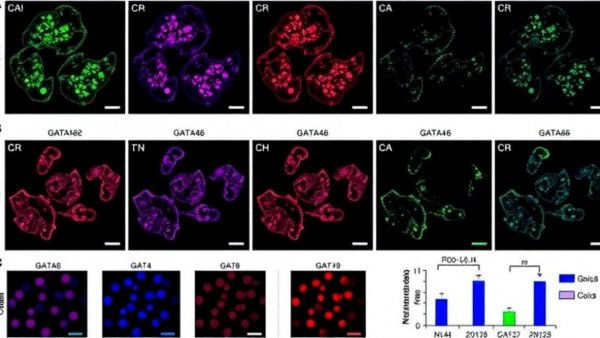
GATA6 helps control genes that are crucial for cell growth and metabolism. The study shows that in drug-resistant NSCLC cells, GATA6 levels are notably lower compared to their more sensitive siblings. Picture it like a manager who's lost control of the team—without strong leadership, performance takes a dip. By overexpressing GATA6, researchers noted a reversal of chemotherapy resistance, suggesting that this protein could restore some much-needed order in the chaotic world of a cancer cell. It’s a reminder that even in the microscopic realms of our body, balance and regulation are key to success.
Metabolism: The Fuel That Powers Cell Life
GATA6 doesn’t just impact growth; it also alters the metabolic landscape of lung cancer cells. The ability of the cells to utilize energy effectively is critical in determining how they survive in the presence of chemotherapy. In the study, researchers found that GATA6 influences oxidative phosphorylation (OXPHOS), a process where cells convert nutrients into usable energy. By fine-tuning this metabolic activity, GATA6 can help rein in the chaotic energy usage that often accompanies chemoresistance. This metabolic regulation is a promising target for adjunct therapies, potentially allowing us to implement additional strategies to enhance the effectiveness of existing treatments.
The Interplay Between ROS Production and Chemotherapy
Reactive oxygen species (ROS) are like double-edged swords in our cells. While they can signal cell death—a target for chemotherapies—they can also serve as survival factors in cancer cells. The study reveals that GATA6 plays a significant role in dictating ROS production in NSCLC cells. Lower levels of GATA6 lead to imbalanced ROS levels, creating an environment ripe for chemoresistance. By reinstating GATA6, we might just tip the scales back in favor of therapy effectiveness. This interplay suggests that monitoring ROS levels could also become a cornerstone in designing newer, more effective therapies and could respond to treatment adjustments more promptly.
Exploring GATA6: A Biomarker for Treatment Decisions
Furthermore, GATA6's capability as a potential biomarker sheds light on its promising use in personalized medicine. Imagine a future where a simple test could determine your GATA6 levels, guiding oncologists in crafting a treatment plan tailored just for you. Instead of a one-size-fits-all approach to lung cancer therapy, patients could benefit from treatments that take into account their unique metabolic profiles and genetic backgrounds. This development emphasizes the importance of research, not just as a scientific pursuit, but as a pathway to making health decisions driven by data and individual responses.
Future Implications: A Pathway Towards Personalized Medicine
Understanding GATA6 paves the way for future therapies. Imagine having a more tailored approach to lung cancer treatment, where the levels of specific biomarkers determine how aggressive your treatment regime needs to be. With GATA6’s influence on both metabolic profiles and ROS balance, targeted therapies could become a reality, giving those battling NSCLC better outcomes. This form of precision medicine takes us leaps and bounds ahead from the days of generalized treatments and opens the door to more efficient and effective care. Engaging with these molecular insights might just enhance not only patient outcomes but also the overall landscape of cancer treatment.
Wrapping Up: What’s Next?
The insights from the exploration of GATA6's role in chemotherapy sensitivity could lead us to groundbreaking treatments in lung cancer. These continuous developments in molecular biology bridge the gap between basic research and clinical practice. So whether you see lung cancer as just a chapter in a text or a personal battle, the hope is that such knowledge spills over into practical therapies for those who need it most.
In light of this exciting research, consider that your health is not only about battling existing conditions but also about optimizing your cellular health through lifestyle adjustments. Embracing cutting-edge health insights could offer you a sharper edge against diseases while promoting a healthier, longer life. Remember, the journey to wellness is a commitment and can be influenced by knowledge and proactive choices. Stay informed, stay healthy, and keep engaging with your wellness journey.













Write A Comment