


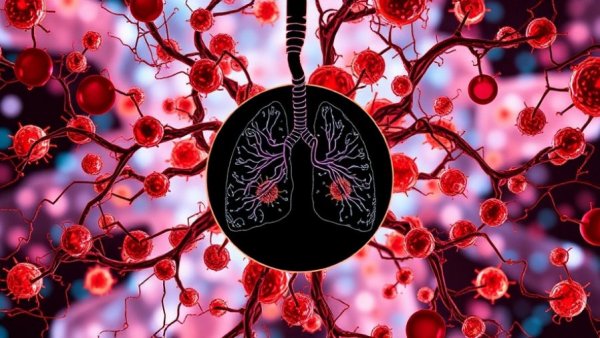
The Connection Between Sepsis and Lung Cancer: Emerging Insights
Recent research highlights a concerning link between severe systemic infections, such as sepsis, and the development of lung cancer. This phenomenon is being described through a new biological framework known as mitoxyperilysis. Understanding this connection is critical, especially considering that sepsis affects around 49 million individuals globally each year and remains a leading cause of mortality.
Understanding Mitoxyperilysis: The New Biological Paradigm
Mitoxyperilysis is not merely a marker; it represents a significant metabolic and immunological reprogramming within the body during severe infections. This process creates a permissive environment for lung cancer by altering the immune response and promoting cellular stress. Such understanding sheds light on the intricate relationship between cellular health and disease, resonating deeply within the community focused on cellular rejuvenation.
The Role of SOD2 in Cancer Progression
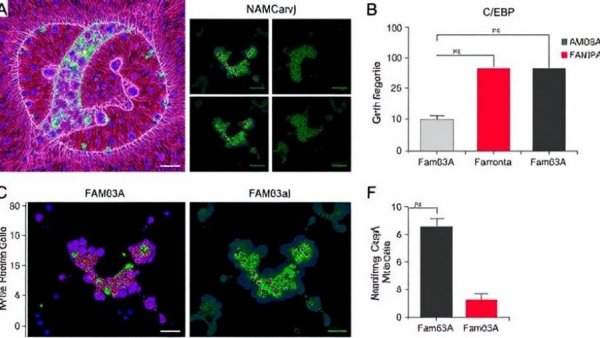
Integral to this understanding is the gene SOD2, which has been identified as a crucial player in mediating the effects of mitoxyperilysis. By influencing cellular behavior among myeloid populations, targeting SOD2 may offer new avenues in regenerative medicine. In laboratory settings, silencing SOD2 demonstrated a notable decline in the malignancy of lung cancer cells, which signifies its potential as a target in therapy development.
Implications for Cellular Health and Anti-Aging
This research not only expands our knowledge of cancer biology but also speaks to the broader implications for cellular rejuvenation. Insight into mitochondrial function and metabolic stress underlines the importance of maintaining cellular health. By focusing not just on wellness in general but on specific cellular mechanisms, we can better tailor stem cell therapies and wellness strategies that emphasize autophagy benefits and the utilization of NAD+ boosters.
A Call to Action for Health Enthusiasts
For health-conscious individuals aged 30-55, this research underscores the importance of monitoring and supporting your cellular health actively. Integrating lifestyle practices that enhance mitochondrial function and cellular repair can be vital not just for longevity but also for reducing the risk of severe diseases like lung cancer. Consider exploring cutting-edge advancements in regenerative medicine and the role of nutrition, which can support cellular rejuvenation processes.











Write A Comment