


Understanding Glutaminolysis and Its Role in Hepatocellular Carcinoma
Glutaminolysis is a metabolic pathway that turns glutamine, an amino acid, into energy and building blocks for cancer cells. In cancers like hepatocellular carcinoma (HCC), especially those influenced by MYC oncogenes, glutamine addiction becomes a significant survival strategy. Essentially, cancer cells rewire their metabolism for growth, making glutamine a crucial resource. For health-conscious individuals, understanding how cancer cells manipulate this pathway opens the door to insights about diet and metabolism in disease prevention. Recent advancements in cancer research have shed light on these pathways, paving the way for targeted therapies that could enhance patient outcomes.
The MYC Connection: Glutamine Dependency in Cancer
MYC is a powerful transcription factor that drives rampant cell growth and division in many tumors. In MYC-amplified HCC, glutaminase (GLS) becomes a target for innovative treatments, as inhibiting GLS can starve these cells of glutamine. However, this approach often faces challenges due to the cancer’s adaptive resistance mechanisms. For instance, cells may find ways to bypass GLS inhibition through alternative metabolic pathways, particularly in cases where mitochondrial stability is compromised. If you’re interested in anti-aging and longevity, it’s essential to recognize how similar metabolic adaptations can occur in aging cells, emphasizing the importance of cellular health and nutrients. Keeping our cells healthy might not only lower our risk of cancer but also improve our overall vitality and lifespan.
FAM63A and C/EBPβ: The Novel Players in Cancer Resistance
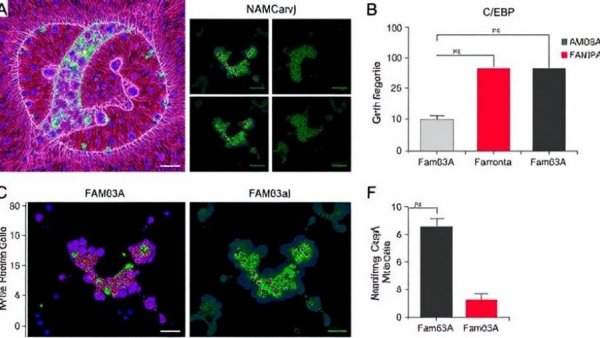
A recent study highlights a previously overlooked signaling pathway involving FAM63A and C/EBPβ, which enhances the stability of C/EBPβ under stress conditions such as glutamine deprivation. By preventing C/EBPβ from being tagged for destruction, FAM63A allows this protein to drive mitochondrial fusion, a critical process for cell survival. This process is especially important because mitochondrial integrity is often compromised in cancer, leading to cell death. For readers interested in nutrition and health, this revelation underscores the potential of targeting cellular pathways for therapeutic benefits, hinting at a future where specific diets or supplements could modulate these processes. Imagine a world where your meals could potentially influence the efficacy of cancer treatments or enhance recovery processes. It’s the next frontier that combines nutrition science with oncology.
Targeting the C/EBPβ-MFN1 Axis as a Therapeutic Strategy
Inhibiting C/EBPβ creates a novel therapeutic opportunity for treating MYC-amplified HCC. Researchers have discovered that blocking this pathway can induce autophagic cell death in these cancer cells, essentially forcing them to utilize their adaptive mechanisms against themselves. This clever twist indicates that while cancer cells may be skilled at adapting, understanding their vulnerabilities could give us the upper hand in treatment. Considering longevity and healthspan optimization, understanding such mechanisms equips individuals with knowledge about how their bodies thrive or fight against diseases. This parallels how lifestyle interventions can encourage cellular renewal and vitality—a reminder that our health strategies should be as dynamic as the diseases we face.
What This Research Means for You: A Health Perspective
As we delve deeper into the science of cancer biology and metabolism, it becomes increasingly evident how important it is to be mindful of our lifestyle choices. Optimizing cellular health through dietary protocols, physical fitness, and avoiding harmful substances can sharpen our biological resilience, helping to fend off diseases like cancer. This research, focusing on C/EBPβ as a therapeutic target, also highlights the importance of staying informed about cutting-edge health research that can one day translate into personalized health strategies. Keep a lookout for new insights that bridge the gap between clinical research and everyday health choices.
Practical Tips for Longevity and Disease Prevention
Looking to enhance your healthspan? Here are some actionable strategies based on the latest findings in cellular metabolism:
- Adopt a Healthy Diet: Incorporate whole foods rich in antioxidants and micronutrients to support cellular health. Foods such as berries, leafy greens, and nuts are excellent choices for their nutrient density.
- Embrace Biohacking: Experiment with intermittent fasting or ketogenic diets to optimize your body’s metabolic pathways. These approaches can improve insulin sensitivity and potentially extend lifespan.
- Stay Active: Regular exercise promotes mitochondrial function and overall vitality. Aim for a combination of aerobic and resistance training to support both cardiovascular and muscular health.
- Consider Supplements Wisely: Look for evidence-based supplements that support cellular health and longevity, such as omega-3 fatty acids or vitamin D, but always consult with a healthcare provider first.
- Stay Hydrated: Don’t overlook the power of hydration! Drinking enough water plays a vital role in maintaining metabolic processes and energy levels.
Ultimately, staying informed about health research and making appropriate lifestyle choices are essential steps in achieving optimal wellness and longevity. By incorporating insights from studies like those focusing on MYC, FAM63A, and C/EBPβ, we pave the way for a healthier future.
Final Thought: The findings surrounding the MYC-FAM63A-C/EBPβ axis not only reveal new therapeutic targets for cancer but also open discussions about how similar mechanisms might apply in the context of aging and chronic disease. By optimizing our health habits today, we prepare our bodies to thrive tomorrow, taking control of our health destinies. It’s never too late to start making proactive choices for a brighter, healthier future.











Write A Comment