


A Deep Dive into Cuproptosis and its Role in I/R Injury
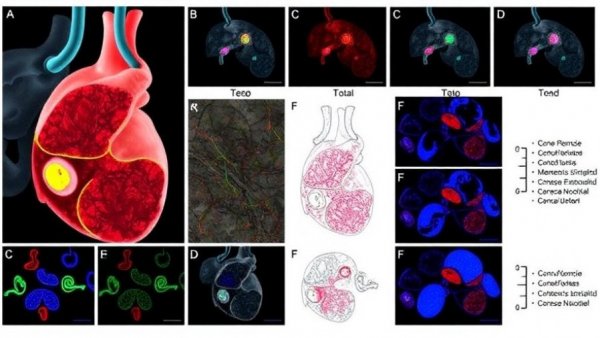
The study of ischemia/reperfusion (I/R) injury unveils a complex web of cellular mechanisms essential for understanding damage restoration after blood flow interruption. At the forefront of recent investigations is cuproptosis, an enigmatic process that has emerged as a focus of research, though it remains underexplored compared to established pathways such as ferroptosis. This review elucidates the interaction between cuproptosis and mitochondrial functions, as well as their implications for cellular health and rejuvenation therapies.
Understanding Cuproptosis: A New Candidate in Cellular Pathways
Cuproptosis, as highlighted in recent studies, involves the perturbation of mitochondrial respiratory machinery due to copper ion interactions with specific metabolic proteins. However, the evidence surrounding this phenomenon is still in its infancy, leading researchers like Junying Yang and Ruimin Tan to propose a metabolic-susceptibility framework. Such a framework frames cuproptosis as a potential amplifier of I/R injury, positing a shift in our understanding of cellular repair mechanisms following ischemic events. This contrasts with more established mechanisms such as ferroptosis, which centers around iron and its role in lipid peroxidation.
The Mitochondrial Connection: Implications for Cellular Rejuvenation
The review posits that the nature of mitochondrial respiration influences the degree of susceptibility to cuproptosis during I/R. Cells with active mitochondrial respiration are hypothesized to exhibit greater vulnerability compared to those primarily relying on glycolysis. This insight is pivotal for health-conscious individuals keen on enhancing their cellular rejuvenation strategies through optimized mitochondrial function.
Unpacking the Fe-Cu-S Paradox in Cellular Health
A noteworthy insight from the review is the proposed Fe-Cu-S paradox, which emphasizes the delicate balance between iron and copper ions in mitochondrial metabolism. Understanding this balance could revolutionize approaches to cellular health, augmenting existing regenerative therapies and potentially enhancing outcomes for stem cell therapies in age-related degeneration. Health enthusiasts focused on anti-aging will find this interplay essential when considering interventions like NAD+ boosters and autophagy stimulators.
Practical Insights for Long-Term Vitality
For individuals aged 30–55 seeking to maintain energy levels and youthfulness, the intricate biological mechanisms of cuproptosis may unveil critical information. Employing strategies that support mitochondrial function, such as dietary interventions rich in antioxidants and targeted supplements like lipoic acid, may mitigate the adverse effects of I/R injury on cellular health. Moreover, incorporating practices that amplify autophagic processes will be beneficial as they could lead to improved cellular repair and rejuvenation.
Charting the Future: Moving Towards Regenerative Medicine
As this line of research continues to develop, the findings serve as a foundation for future studies investigating the therapeutic potential of targeting cuproptosis within regenerative medicine. The hope is that a clearer understanding of metabolic susceptibility can lead to novel interventions that not only prevent pathology but actively promote cellular repair and senescence reversal. These insights underscore the ever-relevant connection between research and practical lifecycle applications in health and wellness.










Write A Comment