

Longevity Thrive
update
Longevity Thrive
Thriving Health For Thriving Life
update
  • Home
  • Categories
    • Cell Renewal
    • Telomere Science
    • Supplement Guide
    • Diet Protocols
    • Expert Insights
    • Biohacking Tips
    • Research Updates
November 19.2026
4 Minutes Read

Exploring the Impact of Storage Temperature on Platelet Health for Longevity

The influence of storage temperature on platelet toll-like receptor 2 integrity in platelet concentrates

Why Platelet Concentrates Matter

In the intricate dance of human health, platelet concentrates (PC) often take center stage, acting as the precious performers we rely on when our blood's natural clotting ability falters. These little wonders are crucial for treating conditions that cause thrombocytopenia or platelet-dependent hemorrhage. But did you know they’re not just about plugging wounds? Platelets play pivotal roles in our immune responses, thanks to proteins like toll-like receptor 2 (TLR2), which helps us combat bacteria like a superhero wielding a shield.

Temperature and Platelet Performance: The Great Debate

When it comes to storing platelets, the temperature debate heats up! Traditionally, we stash PC at a cozy room temperature, typically between 20-24 °C, rocking it with continuous agitation to keep them lively. However, new research suggests a chill might be beneficial when stored at cold temperatures, specifically 2-6 °C. Storing at colder temps promises some potential perks, including less bacterial growth—because nobody wants a side of infection with their transfusion!

Interestingly, the choice of temperature can also affect the shelf life of these platelets. While room-temperature storage is the standard, it comes with a caveat: the risk of bacterial growth increases as time passes. This is why platelet concentrates usually have a limited shelf life, often just 4 to 7 days. Cold temperature storage shows promise for extending that life while maintaining functionality. It’s a complex balancing act between effectiveness and safety—like walking a tightrope while juggling.

The Intricacies of TLR2: Nature’s Defense Module

Digging into the fascinating role of TLR2 reveals much about our health. It’s a crucial player in our immune system, activating when bacteria come knocking at our door. The study found that storage temperature affects how TLR2 behaves, and timing also plays a role. Get this: while TLR2 maintained its integrity for a good five days in the study, the production of reactive oxygen species (ROS)—a natural nasty we produce to fight infections—took a hit on day five, regardless of temperature. This may suggest that while our platelets hold onto some capabilities, their energy levels dip over time.

Furthermore, these findings spark important conversations about how we can strategically enhance platelet performance post-storage. Imagine the implications for emergency medicine, where timely access to effective platelets can mean the difference between life and death. The ability of platelets to respond to threats diminishes if not dealt with properly. Keeping our blood components performing at their best is essential—not just for transfusions but for our broader health and recovery processes.

Implications for Longevity and Healthspan

This research isn’t just for lab coats and microscopes! Understanding how we can improve the storage conditions of platelets offers insights that ripple through our broader health strategies. With aging populations and growing interest in longevity and enhancing our healthspan, these findings can shape how we manage blood components in healthcare. Reduced platelet efficacy might mean we need even more innovative meals and supplements to keep our cellular health in top shape.

Consider this: as the technologies to optimize platelet storage evolve, we might see a shift in how we treat injuries and manage surgeries. Improved technology could lead to better outcomes for patients who are undergoing surgeries or are in need of immediate transfusions. This could pave the way for fewer complications and quicker recoveries. In essence, a focus not just on healing the body, but on fortifying the very components that play a role in that healing process.

The Future of Platelet Storage

Ladies and gentlemen, welcome to the future! Platelet storage methods will likely evolve with our understanding, shaking hands with biotechnology to devise better storage solutions that preserve both hemostatic and immunological functions. Think about it: a world where stored platelets work as well as fresh ones, enhancing surgical outcomes and minimizing complications while playing a pivotal role in emergencies. When combined with cutting-edge health research and biohacking strategies, we pave the way for optimized health development.

But how does this affect you right now? Well, while we wait for the future to unfold, being informed about these developments can help you make proactive health choices. Take charge of your wellness by discussing medical options with your healthcare providers and advocating for advancements that prioritize your health outcomes. Knowledge is power, and in the realm of health, being informed can help navigate your path toward optimal longevity.

Your Role in Health Optimization

As health-conscious individuals, staying informed is crucial. Each study, like this one, chips away at our understanding of cellular health and invites us to consider our own lifestyles. By maximizing our knowledge regarding health practices—from nutrition to practical wellness strategies—we can all play active roles in our longevity journeys. Incorporating more whole foods, getting regular exercise, and perhaps a daily dose of humor (yes, laughter is some of the best medicine) can lead to better health outcomes along the way.

Let’s raise a toast to future discoveries that can help us stay younger longer! Remember, your health doesn’t only benefit from scientific discoveries; it thrives on your daily choices. So why not make those choices as informed and engaging as possible? The adventure of health optimization awaits, and it starts with you!
Cell Renewal

1 Views

0 Comments

Write A Comment

*
*
Please complete the captcha to submit your comment.
Related Posts All Posts
11.19.2026

Understanding the Impact of Mitoxyperilysis on Sepsis and Lung Cancer

Update The Connection Between Sepsis and Lung Cancer: Emerging InsightsRecent research highlights a concerning link between severe systemic infections, such as sepsis, and the development of lung cancer. This phenomenon is being described through a new biological framework known as mitoxyperilysis. Understanding this connection is critical, especially considering that sepsis affects around 49 million individuals globally each year and remains a leading cause of mortality.Understanding Mitoxyperilysis: The New Biological ParadigmMitoxyperilysis is not merely a marker; it represents a significant metabolic and immunological reprogramming within the body during severe infections. This process creates a permissive environment for lung cancer by altering the immune response and promoting cellular stress. Such understanding sheds light on the intricate relationship between cellular health and disease, resonating deeply within the community focused on cellular rejuvenation.The Role of SOD2 in Cancer ProgressionIntegral to this understanding is the gene SOD2, which has been identified as a crucial player in mediating the effects of mitoxyperilysis. By influencing cellular behavior among myeloid populations, targeting SOD2 may offer new avenues in regenerative medicine. In laboratory settings, silencing SOD2 demonstrated a notable decline in the malignancy of lung cancer cells, which signifies its potential as a target in therapy development.Implications for Cellular Health and Anti-AgingThis research not only expands our knowledge of cancer biology but also speaks to the broader implications for cellular rejuvenation. Insight into mitochondrial function and metabolic stress underlines the importance of maintaining cellular health. By focusing not just on wellness in general but on specific cellular mechanisms, we can better tailor stem cell therapies and wellness strategies that emphasize autophagy benefits and the utilization of NAD+ boosters.A Call to Action for Health EnthusiastsFor health-conscious individuals aged 30-55, this research underscores the importance of monitoring and supporting your cellular health actively. Integrating lifestyle practices that enhance mitochondrial function and cellular repair can be vital not just for longevity but also for reducing the risk of severe diseases like lung cancer. Consider exploring cutting-edge advancements in regenerative medicine and the role of nutrition, which can support cellular rejuvenation processes.

11.18.2026

How Cuproptosis Could Revolutionize Our Understanding of Cellular Health

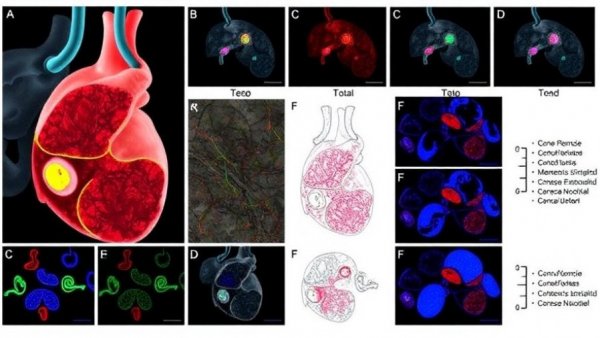
Update A Deep Dive into Cuproptosis and its Role in I/R InjuryThe study of ischemia/reperfusion (I/R) injury unveils a complex web of cellular mechanisms essential for understanding damage restoration after blood flow interruption. At the forefront of recent investigations is cuproptosis, an enigmatic process that has emerged as a focus of research, though it remains underexplored compared to established pathways such as ferroptosis. This review elucidates the interaction between cuproptosis and mitochondrial functions, as well as their implications for cellular health and rejuvenation therapies.Understanding Cuproptosis: A New Candidate in Cellular PathwaysCuproptosis, as highlighted in recent studies, involves the perturbation of mitochondrial respiratory machinery due to copper ion interactions with specific metabolic proteins. However, the evidence surrounding this phenomenon is still in its infancy, leading researchers like Junying Yang and Ruimin Tan to propose a metabolic-susceptibility framework. Such a framework frames cuproptosis as a potential amplifier of I/R injury, positing a shift in our understanding of cellular repair mechanisms following ischemic events. This contrasts with more established mechanisms such as ferroptosis, which centers around iron and its role in lipid peroxidation.The Mitochondrial Connection: Implications for Cellular RejuvenationThe review posits that the nature of mitochondrial respiration influences the degree of susceptibility to cuproptosis during I/R. Cells with active mitochondrial respiration are hypothesized to exhibit greater vulnerability compared to those primarily relying on glycolysis. This insight is pivotal for health-conscious individuals keen on enhancing their cellular rejuvenation strategies through optimized mitochondrial function.Unpacking the Fe-Cu-S Paradox in Cellular HealthA noteworthy insight from the review is the proposed Fe-Cu-S paradox, which emphasizes the delicate balance between iron and copper ions in mitochondrial metabolism. Understanding this balance could revolutionize approaches to cellular health, augmenting existing regenerative therapies and potentially enhancing outcomes for stem cell therapies in age-related degeneration. Health enthusiasts focused on anti-aging will find this interplay essential when considering interventions like NAD+ boosters and autophagy stimulators.Practical Insights for Long-Term VitalityFor individuals aged 30–55 seeking to maintain energy levels and youthfulness, the intricate biological mechanisms of cuproptosis may unveil critical information. Employing strategies that support mitochondrial function, such as dietary interventions rich in antioxidants and targeted supplements like lipoic acid, may mitigate the adverse effects of I/R injury on cellular health. Moreover, incorporating practices that amplify autophagic processes will be beneficial as they could lead to improved cellular repair and rejuvenation.Charting the Future: Moving Towards Regenerative MedicineAs this line of research continues to develop, the findings serve as a foundation for future studies investigating the therapeutic potential of targeting cuproptosis within regenerative medicine. The hope is that a clearer understanding of metabolic susceptibility can lead to novel interventions that not only prevent pathology but actively promote cellular repair and senescence reversal. These insights underscore the ever-relevant connection between research and practical lifecycle applications in health and wellness.

11.18.2026

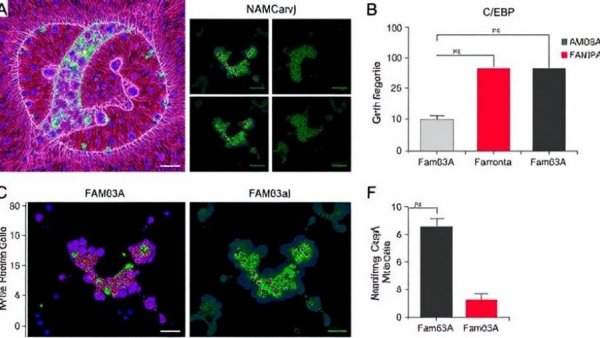
Unraveling the MYC-FAM63A-C/EBPβ Axis: A Key to Longevity in Cancer

Update Understanding Glutaminolysis and Its Role in Hepatocellular Carcinoma Glutaminolysis is a metabolic pathway that turns glutamine, an amino acid, into energy and building blocks for cancer cells. In cancers like hepatocellular carcinoma (HCC), especially those influenced by MYC oncogenes, glutamine addiction becomes a significant survival strategy. Essentially, cancer cells rewire their metabolism for growth, making glutamine a crucial resource. For health-conscious individuals, understanding how cancer cells manipulate this pathway opens the door to insights about diet and metabolism in disease prevention. Recent advancements in cancer research have shed light on these pathways, paving the way for targeted therapies that could enhance patient outcomes. The MYC Connection: Glutamine Dependency in Cancer MYC is a powerful transcription factor that drives rampant cell growth and division in many tumors. In MYC-amplified HCC, glutaminase (GLS) becomes a target for innovative treatments, as inhibiting GLS can starve these cells of glutamine. However, this approach often faces challenges due to the cancer’s adaptive resistance mechanisms. For instance, cells may find ways to bypass GLS inhibition through alternative metabolic pathways, particularly in cases where mitochondrial stability is compromised. If you’re interested in anti-aging and longevity, it’s essential to recognize how similar metabolic adaptations can occur in aging cells, emphasizing the importance of cellular health and nutrients. Keeping our cells healthy might not only lower our risk of cancer but also improve our overall vitality and lifespan. FAM63A and C/EBPβ: The Novel Players in Cancer Resistance A recent study highlights a previously overlooked signaling pathway involving FAM63A and C/EBPβ, which enhances the stability of C/EBPβ under stress conditions such as glutamine deprivation. By preventing C/EBPβ from being tagged for destruction, FAM63A allows this protein to drive mitochondrial fusion, a critical process for cell survival. This process is especially important because mitochondrial integrity is often compromised in cancer, leading to cell death. For readers interested in nutrition and health, this revelation underscores the potential of targeting cellular pathways for therapeutic benefits, hinting at a future where specific diets or supplements could modulate these processes. Imagine a world where your meals could potentially influence the efficacy of cancer treatments or enhance recovery processes. It’s the next frontier that combines nutrition science with oncology. Targeting the C/EBPβ-MFN1 Axis as a Therapeutic Strategy Inhibiting C/EBPβ creates a novel therapeutic opportunity for treating MYC-amplified HCC. Researchers have discovered that blocking this pathway can induce autophagic cell death in these cancer cells, essentially forcing them to utilize their adaptive mechanisms against themselves. This clever twist indicates that while cancer cells may be skilled at adapting, understanding their vulnerabilities could give us the upper hand in treatment. Considering longevity and healthspan optimization, understanding such mechanisms equips individuals with knowledge about how their bodies thrive or fight against diseases. This parallels how lifestyle interventions can encourage cellular renewal and vitality—a reminder that our health strategies should be as dynamic as the diseases we face. What This Research Means for You: A Health Perspective As we delve deeper into the science of cancer biology and metabolism, it becomes increasingly evident how important it is to be mindful of our lifestyle choices. Optimizing cellular health through dietary protocols, physical fitness, and avoiding harmful substances can sharpen our biological resilience, helping to fend off diseases like cancer. This research, focusing on C/EBPβ as a therapeutic target, also highlights the importance of staying informed about cutting-edge health research that can one day translate into personalized health strategies. Keep a lookout for new insights that bridge the gap between clinical research and everyday health choices. Practical Tips for Longevity and Disease Prevention Looking to enhance your healthspan? Here are some actionable strategies based on the latest findings in cellular metabolism: Adopt a Healthy Diet: Incorporate whole foods rich in antioxidants and micronutrients to support cellular health. Foods such as berries, leafy greens, and nuts are excellent choices for their nutrient density. Embrace Biohacking: Experiment with intermittent fasting or ketogenic diets to optimize your body’s metabolic pathways. These approaches can improve insulin sensitivity and potentially extend lifespan. Stay Active: Regular exercise promotes mitochondrial function and overall vitality. Aim for a combination of aerobic and resistance training to support both cardiovascular and muscular health. Consider Supplements Wisely: Look for evidence-based supplements that support cellular health and longevity, such as omega-3 fatty acids or vitamin D, but always consult with a healthcare provider first. Stay Hydrated: Don’t overlook the power of hydration! Drinking enough water plays a vital role in maintaining metabolic processes and energy levels. Ultimately, staying informed about health research and making appropriate lifestyle choices are essential steps in achieving optimal wellness and longevity. By incorporating insights from studies like those focusing on MYC, FAM63A, and C/EBPβ, we pave the way for a healthier future. Final Thought: The findings surrounding the MYC-FAM63A-C/EBPβ axis not only reveal new therapeutic targets for cancer but also open discussions about how similar mechanisms might apply in the context of aging and chronic disease. By optimizing our health habits today, we prepare our bodies to thrive tomorrow, taking control of our health destinies. It’s never too late to start making proactive choices for a brighter, healthier future.

cropper
update
Longevity Thrive
cropper
update

Longevity Thrive empowers individuals with science-backed insights, expert advice, and practical tools to optimize health, wellness, and longevity.

  • update
  • update
  • update
  • update
  • update
  • update
  • update
UPDATE

ABOUT US

Longevity Thrive is a media platform dedicated to providing science-backed insights, practical strategies, and the latest trends in health, wellness, and longevity. It empowers individuals to optimize their healthspan and live vibrant, fulfilling lives.

© 2026 Longevity Thrive All Rights Reserved. Harp Island Close, London, Brent NW100DF . Contact Us . Terms of Service . Privacy Policy

eyJjb21wYW55IjoiTG9uZ2V2aXR5IFRocml2ZSIsImFkZHJlc3MiOiJIYXJwIElzbGFuZCBDbG9zZSIsImNpdHkiOiJMb25kb24iLCJzdGF0ZSI6IkJyZW50IiwiemlwIjoiTlcxMDBERiIsImVtYWlsIjoibG9yZW5hc0BnZXRtaWxlcmlzbWFya2V0aW5nLmNvbSIsInRvcyI6IlBIQStQSE4wY205dVp6NDhaVzArVjJobGJpQjViM1VnYzJsbmJpMXBiaUIzYVhSb0lIVnpMQ0I1YjNVZ1lYSmxJR2RwZG1sdVp5WnVZbk53T3lCNWIzVnlJSEJsY20xcGMzTnBiMjRnWVc1a0lHTnZibk5sYm5RZ2RHOGdjMlZ1WkNCNWIzVWdaVzFoYVd3Z1lXNWtMMjl5SUZOTlV5QjBaWGgwSUcxbGMzTmhaMlZ6TGlCQ2VTQmphR1ZqYTJsdVp5QjBhR1VnVkdWeWJYTWdZVzVrSUVOdmJtUnBkR2x2Ym5NZ1ltOTRJR0Z1WkNCaWVTQnphV2R1YVc1bklHbHVJSGx2ZFNCaGRYUnZiV0YwYVdOaGJHeDVJR052Ym1acGNtMGdkR2hoZENCNWIzVWdZV05qWlhCMElHRnNiQ0IwWlhKdGN5QnBiaUIwYUdseklHRm5jbVZsYldWdWRDNDhMMlZ0UGp3dmMzUnliMjVuUGp3dmNENEtDanh3UGp4aElHaHlaV1k5SW1oMGRIQTZMeTkzZDNjdVoyOXZaMnhsTG1OdmJTSSthSFIwY0RvdkwzZDNkeTVuYjI5bmJHVXVZMjl0UEM5aFBqd3ZjRDRLQ2p4d1BpWnVZbk53T3p3dmNENEtDanh3UGp4emRISnZibWMrVTBWU1ZrbERSVHd2YzNSeWIyNW5Qand2Y0Q0S0NqeHdQbGRsSUhCeWIzWnBaR1VnWVNCelpYSjJhV05sSUhSb1lYUWdZM1Z5Y21WdWRHeDVJR0ZzYkc5M2N5QjViM1VnZEc4Z2NtVmpaV2wyWlNCeVpYRjFaWE4wY3lCbWIzSWdabVZsWkdKaFkyc3NJR052YlhCaGJua2dhVzVtYjNKdFlYUnBiMjRzSUhCeWIyMXZkR2x2Ym1Gc0lHbHVabTl5YldGMGFXOXVMQ0JqYjIxd1lXNTVJR0ZzWlhKMGN5d2dZMjkxY0c5dWN5d2daR2x6WTI5MWJuUnpJR0Z1WkNCdmRHaGxjaUJ1YjNScFptbGpZWFJwYjI1eklIUnZJSGx2ZFhJZ1pXMWhhV3dnWVdSa2NtVnpjeUJoYm1RdmIzSWdZMlZzYkhWc1lYSWdjR2h2Ym1VZ2IzSWdaR1YyYVdObExpQlpiM1VnZFc1a1pYSnpkR0Z1WkNCaGJtUWdZV2R5WldVZ2RHaGhkQ0IwYUdVZ1UyVnlkbWxqWlNCcGN5QndjbTkyYVdSbFpDQW1jWFZ2ZER0QlV5MUpVeVp4ZFc5ME95QmhibVFnZEdoaGRDQjNaU0JoYzNOMWJXVWdibThnY21WemNHOXVjMmxpYVd4cGRIa2dabTl5SUhSb1pTQjBhVzFsYkdsdVpYTnpMQ0JrWld4bGRHbHZiaXdnYldsekxXUmxiR2wyWlhKNUlHOXlJR1poYVd4MWNtVWdkRzhnYzNSdmNtVWdZVzU1SUhWelpYSWdZMjl0YlhWdWFXTmhkR2x2Ym5NZ2IzSWdjR1Z5YzI5dVlXeHBlbUYwYVc5dUlITmxkSFJwYm1kekxqd3ZjRDRLQ2p4d1BsbHZkU0JoY21VZ2NtVnpjRzl1YzJsaWJHVWdabTl5SUc5aWRHRnBibWx1WnlCaFkyTmxjM01nZEc4Z2RHaGxJRk5sY25acFkyVXNJR0Z1WkNCMGFHRjBJR0ZqWTJWemN5QnRZWGtnYVc1MmIyeDJaU0IwYUdseVpDMXdZWEowZVNCbVpXVnpJQ2h6ZFdOb0lHRnpJRk5OVXlCMFpYaDBJRzFsYzNOaFoyVnpMQ0JKYm5SbGNtNWxkQ0J6WlhKMmFXTmxJSEJ5YjNacFpHVnlJRzl5SUdObGJHeDFiR0Z5SUdGcGNuUnBiV1VnWTJoaGNtZGxjeWt1SUZsdmRTQmhjbVVnY21WemNHOXVjMmxpYkdVZ1ptOXlJSFJvYjNObElHWmxaWE1zSUdsdVkyeDFaR2x1WnlCMGFHOXpaU0JtWldWeklHRnpjMjlqYVdGMFpXUWdkMmwwYUNCMGFHVWdaR2x6Y0d4aGVTQnZjaUJrWld4cGRtVnllU0J2WmlCbFlXTm9JRk5OVXlCMFpYaDBJRzFsYzNOaFoyVWdkMlVnYzJWdVpDQjBieUI1YjNVdUlFbHVJR0ZrWkdsMGFXOXVMQ0I1YjNVZ2JYVnpkQ0J3Y205MmFXUmxJR0Z1WkNCaGNtVWdjbVZ6Y0c5dWMybGliR1VnWm05eUlHRnNiQ0JsY1hWcGNHMWxiblFnYm1WalpYTnpZWEo1SUhSdklHRmpZMlZ6Y3lCMGFHVWdVMlZ5ZG1salpTQmhibVFnY21WalpXbDJaU0IwYUdVZ1UwMVRJSFJsZUhRZ2JXVnpjMkZuWlhNdUlGZGxJR1J2SUc1dmRDQmphR0Z5WjJVZ1lXNTVJR1psWlhNZ1ptOXlJSFJvWlNCa1pXeHBkbVZ5ZVNCdlppQmxiV0ZwYkNCdmNpQlRUVk11SUZSb2FYTWdhWE1nWVNCbWNtVmxJSE5sY25acFkyVWdkMlVnY0hKdmRtbGtaUzRnU0c5M1pYWmxjaXdnY0d4bFlYTmxJR05vWldOcklIZHBkR2dnZVc5MWNpQnBiblJsY201bGRDQnpaWEoyYVdObElIQnliM1pwWkdWeUlHRnVaQ0JqWld4c2RXeGhjaUJqWVhKeWFXVnlJR1p2Y2lCaGJua2dZMmhoY21kbGN5QjBhR0YwSUhsdmRTQnRZWGtnYVc1amRYSWdZWE1nWVNCeVpYTjFiSFFnYjJZZ2NtVmpaV2wyYVc1bklHVnRZV2xzSUdGdVpDQlRUVk1nZEdWNGRDQnRaWE56WVdkbGN5QjBhR0YwSUhkbElHUmxiR2wyWlhJZ2RYQnZiaUI1YjNWeUlHOXdkQzFwYmlCaGJtUWdjbVZuYVhOMGNtRjBhVzl1SUhkcGRHZ2diM1Z5SUdWdFlXbHNJR0Z1WkNCVFRWTWdjMlZ5ZG1salpYTXVJRmx2ZFNCallXNGdZMkZ1WTJWc0lHRjBJR0Z1ZVNCMGFXMWxMaUJLZFhOMElIUmxlSFFnSm5GMWIzUTdVMVJQVUNaeGRXOTBPeUIwYnladVluTndPenhvYVdkb2JHbG5hSFFnWTJ4aGMzTTlJbU52YlhCaGJubFRUVk5RYUc5dVpWVndaR0YwWlNJK2JuVnNiRHd2YUdsbmFHeHBaMmgwUGk0Z1FXWjBaWElnZVc5MUlITmxibVFnZEdobElGTk5VeUJ0WlhOellXZGxJQ1p4ZFc5ME8xTlVUMUFtY1hWdmREc2dkRzhnZFhNc0lIZGxJSGRwYkd3Z2MyVnVaQ0I1YjNVZ1lXNGdVMDFUSUcxbGMzTmhaMlVnZEc4Z1kyOXVabWx5YlNCMGFHRjBJSGx2ZFNCb1lYWmxJR0psWlc0Z2RXNXpkV0p6WTNKcFltVmtMaUJCWm5SbGNpQjBhR2x6TENCNWIzVWdkMmxzYkNCdWJ5QnNiMjVuWlhJZ2NtVmpaV2wyWlNCVFRWTWdiV1Z6YzJGblpYTWdabkp2YlNCMWN5NDhMM0ErQ2dvOGNENDhjM1J5YjI1blBsbFBWVklnVWtWSFNWTlVVa0ZVU1U5T0lFOUNURWxIUVZSSlQwNVRQQzl6ZEhKdmJtYytQQzl3UGdvS1BIQStTVzRnWTI5dWMybGtaWEpoZEdsdmJpQnZaaUI1YjNWeUlIVnpaU0J2WmlCMGFHVWdVMlZ5ZG1salpTd2dlVzkxSUdGbmNtVmxJSFJ2T2p3dmNENEtDanh2YkQ0S0NUeHNhVDV3Y205MmFXUmxJSFJ5ZFdVc0lHRmpZM1Z5WVhSbExDQmpkWEp5Wlc1MElHRnVaQ0JqYjIxd2JHVjBaU0JwYm1admNtMWhkR2x2YmlCaFltOTFkQ0I1YjNWeWMyVnNaaUJoY3lCd2NtOXRjSFJsWkNCaWVTQjBhR1VnVTJWeWRtbGpaU1lqTXprN2N5QnlaV2RwYzNSeVlYUnBiMjRnWm05eWJTQW9jM1ZqYUNCcGJtWnZjbTFoZEdsdmJpQmlaV2x1WnlCMGFHVWdKbkYxYjNRN1VtVm5hWE4wY21GMGFXOXVJRVJoZEdFbWNYVnZkRHNwSUdGdVpEd3ZiR2srQ2drOGJHaytiV0ZwYm5SaGFXNGdZVzVrSUhCeWIyMXdkR3g1SUhWd1pHRjBaU0IwYUdVZ1VtVm5hWE4wY21GMGFXOXVJRVJoZEdFZ2RHOGdhMlZsY0NCcGRDQjBjblZsTENCaFkyTjFjbUYwWlN3Z1kzVnljbVZ1ZENCaGJtUWdZMjl0Y0d4bGRHVXVJRWxtSUhsdmRTQndjbTkyYVdSbElHRnVlU0JwYm1admNtMWhkR2x2YmlCMGFHRjBJR2x6SUhWdWRISjFaU3dnYVc1aFkyTjFjbUYwWlN3Z2JtOTBJR04xY25KbGJuUWdiM0lnYVc1amIyMXdiR1YwWlN3Z2IzSWdkMlVnYUdGMlpTQnlaV0Z6YjI1aFlteGxJR2R5YjNWdVpITWdkRzhnYzNWemNHVmpkQ0IwYUdGMElITjFZMmdnYVc1bWIzSnRZWFJwYjI0Z2FYTWdkVzUwY25WbExDQnBibUZqWTNWeVlYUmxMQ0J1YjNRZ1kzVnljbVZ1ZENCdmNpQnBibU52YlhCc1pYUmxMQ0IzWlNCb1lYWmxJSFJvWlNCeWFXZG9kQ0IwYnlCemRYTndaVzVrSUc5eUlEeHpkSEp2Ym1jK1BITndZVzRnYzNSNWJHVTlJbU52Ykc5eU9pTkdSakF3TURBN0lqNTBaWEp0YVc1aGRHVWdlVzkxY2lCaFkyTnZkVzUwTDNCeWIyWnBiR1VnWVc1a0lISmxablZ6WlNCaGJua2dZVzVrSUdGc2JDQmpkWEp5Wlc1MElHOXlJR1oxZEhWeVpTQjFjMlVnYjJZZ2RHaGxJRk5sY25acFkyVWdLRzl5SUdGdWVTQndiM0owYVc5dUlIUm9aWEpsYjJZcExqd3ZjM0JoYmo0OEwzTjBjbTl1Wno0OEwyeHBQZ284TDI5c1Bnb0tQSEErSm01aWMzQTdQQzl3UGdvOGFHbG5hR3hwWjJoMElHTnNZWE56UFNKamIyMXdZVzU1VG1GdFpWVndaR0YwWlNJK1RHOXVaMlYyYVhSNUlGUm9jbWwyWlR3dmFHbG5hR3hwWjJoMFBqeGljaUF2UGdvOGFHbG5hR3hwWjJoMElHTnNZWE56UFNKamIyMXdZVzU1UVdSa2NtVnpjMVZ3WkdGMFpTSStTR0Z5Y0NCSmMyeGhibVFnUTJ4dmMyVXNJRXh2Ym1SdmJpd2dRbkpsYm5RZ1RsY3hNREJFUmp3dmFHbG5hR3hwWjJoMFBqeGljaUF2UGdvOGFHbG5hR3hwWjJoMElHTnNZWE56UFNKamIyMXdZVzU1VUdodmJtVlZjR1JoZEdVaVBpczBORGM0TlRZMU5UQXdNelU4TDJocFoyaHNhV2RvZEQ0OFluSWdMejRLUEdocFoyaHNhV2RvZENCamJHRnpjejBpWTI5dGNHRnVlVVZ0WVdsc1ZYQmtZWFJsSWo1c2IzSmxibUZ6UUdkbGRHMXBiR1Z5YVhOdFlYSnJaWFJwYm1jdVkyOXRQQzlvYVdkb2JHbG5hSFErIiwicHJpdmFjeSI6IlBIQStQSE4wY205dVp6NVFVa2xXUVVOWlBDOXpkSEp2Ym1jK1BDOXdQZ29LUEhBK1BITjBjbTl1Wno1VWFHVWdhVzVtYjNKdFlYUnBiMjRnY0hKdmRtbGtaV1FnWkhWeWFXNW5JSFJvYVhNZ2NtVm5hWE4wY21GMGFXOXVJR2x6SUd0bGNIUWdjSEpwZG1GMFpTQmhibVFnWTI5dVptbGtaVzUwYVdGc0xDQmhibVFnZDJsc2JDQnVaWFpsY2lCaVpTQmthWE4wY21saWRYUmxaQ3dnWTI5d2FXVmtMQ0J6YjJ4a0xDQjBjbUZrWldRZ2IzSWdjRzl6ZEdWa0lHbHVJR0Z1ZVNCM1lYa3NJSE5vWVhCbElHOXlJR1p2Y20wdUlGUm9hWE1nYVhNZ2IzVnlJR2QxWVhKaGJuUmxaUzQ4TDNOMGNtOXVaejQ4TDNBK0NnbzhjRDQ4YzNSeWIyNW5Qa2xPUkVWTlRrbFVXVHd2YzNSeWIyNW5Qand2Y0Q0S0NqeHdQanhsYlQ1WmIzVWdZV2R5WldVZ2RHOGdhVzVrWlcxdWFXWjVJR0Z1WkNCb2IyeGtJSFZ6TENCaGJtUWdhWFJ6SUhOMVluTnBaR2xoY21sbGN5d2dZV1ptYVd4cFlYUmxjeXdnYjJabWFXTmxjbk1zSUdGblpXNTBjeXdnWTI4dFluSmhibVJsY25NZ2IzSWdiM1JvWlhJZ2NHRnlkRzVsY25Nc0lHRnVaQ0JsYlhCc2IzbGxaWE1zSUdoaGNtMXNaWE56SUdaeWIyMGdZVzU1SUdOc1lXbHRJRzl5SUdSbGJXRnVaQ3dnYVc1amJIVmthVzVuSUhKbFlYTnZibUZpYkdVZ1lYUjBiM0p1WlhsekppTXpPVHNnWm1WbGN5d2diV0ZrWlNCaWVTQmhibmtnZEdocGNtUWdjR0Z5ZEhrZ1pIVmxJSFJ2SUc5eUlHRnlhWE5wYm1jZ2IzVjBJRzltSUVOdmJuUmxiblFnZVc5MUlISmxZMlZwZG1Vc0lITjFZbTFwZEN3Z2NtVndiSGtzSUhCdmMzUXNJSFJ5WVc1emJXbDBJRzl5SUcxaGEyVWdZWFpoYVd4aFlteGxJSFJvY205MVoyZ2dkR2hsSUZObGNuWnBZMlVzSUhsdmRYSWdkWE5sSUc5bUlIUm9aU0JUWlhKMmFXTmxMQ0I1YjNWeUlHTnZibTVsWTNScGIyNGdkRzhnZEdobElGTmxjblpwWTJVc0lIbHZkWElnZG1sdmJHRjBhVzl1SUc5bUlIUm9aU0JVVDFNc0lHOXlJSGx2ZFhJZ2RtbHZiR0YwYVc5dUlHOW1JR0Z1ZVNCeWFXZG9kSE1nYjJZZ1lXNXZkR2hsY2k0OEwyVnRQand2Y0Q0S0NqeHdQanh6ZEhKdmJtYytSRWxUUTB4QlNVMUZVaUJQUmlCWFFWSlNRVTVVU1VWVFBDOXpkSEp2Ym1jK1BDOXdQZ29LUEhBK1BITjBjbTl1Wno1WlQxVWdSVmhRVWtWVFUweFpJRlZPUkVWU1UxUkJUa1FnUVU1RUlFRkhVa1ZGSUZSSVFWUTZQQzl6ZEhKdmJtYytQQzl3UGdvS1BHOXNQZ29KUEd4cFBsbFBWVklnVlZORklFOUdJRlJJUlNCVFJWSldTVU5GSUVsVElFRlVJRmxQVlZJZ1UwOU1SU0JTU1ZOTExpQlVTRVVnVTBWU1ZrbERSU0JKVXlCUVVrOVdTVVJGUkNCUFRpQkJUaUFtY1hWdmREdEJVeUJKVXlaeGRXOTBPeUJCVGtRZ0puRjFiM1E3UVZNZ1FWWkJTVXhCUWt4RkpuRjFiM1E3SUVKQlUwbFRMaUFzTGlCQlRrUWdWVk1zSUVsVUppTXpPVHRUSUVOVlUxUlBUVVZTVXl3Z1JWaFFVa1ZUVTB4WklFUkpVME5NUVVsTlV5QkJURXdnVjBGU1VrRk9WRWxGVXlCUFJpQkJUbGtnUzBsT1JDd2dWMGhGVkVoRlVpQkZXRkJTUlZOVElFOVNJRWxOVUV4SlJVUXNJRWxPUTB4VlJFbE9SeXdnUWxWVUlFNVBWQ0JNU1UxSlZFVkVJRlJQSUZSSVJTQkpUVkJNU1VWRUlGZEJVbEpCVGxSSlJWTWdUMFlnVFVWU1EwaEJUbFJCUWtsTVNWUlpMQ0JHU1ZST1JWTlRJRVpQVWlCQklGQkJVbFJKUTFWTVFWSWdVRlZTVUU5VFJTQkJUa1FnVGs5T0xVbE9SbEpKVGtkRlRVVk9WQzQ4TDJ4cFBnb0pQR3hwUGsxQlMwVlRJRTVQSUZkQlVsSkJUbFJaSUZSSVFWUWdLR2twSUZSSVJTQlRSVkpXU1VORklGZEpURXdnVFVWRlZDQlpUMVZTSUZKRlVWVkpVa1ZOUlU1VVV5d2dLR2xwS1NCVVNFVWdVMFZTVmtsRFJTQlhTVXhNSUVKRklGVk9TVTVVUlZKU1ZWQlVSVVFzSUZSSlRVVk1XU3dnVTBWRFZWSkZMQ0JQVWlCRlVsSlBVaTFHVWtWRkxDQW9hV2xwS1NCVVNFVWdVa1ZUVlV4VVV5QlVTRUZVSUUxQldTQkNSU0JQUWxSQlNVNUZSQ0JHVWs5TklGUklSU0JWVTBVZ1QwWWdWRWhGSUZORlVsWkpRMFVnVjBsTVRDQkNSU0JCUTBOVlVrRlVSU0JQVWlCU1JVeEpRVUpNUlN3Z1FVNUVJQ2hwZGlrZ1FVNVpJRVZTVWs5U1V5QkpUaUJVU0VVZ1UwOUdWRmRCVWtVZ1YwbE1UQ0JDUlNCRFQxSlNSVU5VUlVRdVBDOXNhVDRLQ1R4c2FUNUJUbGtnVFVGVVJWSkpRVXdnUkU5WFRreFBRVVJGUkNCUFVpQlBWRWhGVWxkSlUwVWdUMEpVUVVsT1JVUWdWRWhTVDFWSFNDQlVTRVVnVlZORklFOUdJRlJJUlNCVFJWSldTVU5GSUVsVElFUlBUa1VnUVZRZ1dVOVZVaUJQVjA0Z1JFbFRRMUpGVkVsUFRpQkJUa1FnVWtsVFN5QkJUa1FnVkVoQlZDQlpUMVVnVjBsTVRDQkNSU0JUVDB4RlRGa2dVa1ZUVUU5T1UwbENURVVnUms5U0lFRk9XU0JFUVUxQlIwVWdWRThnV1U5VlVpQkRUMDFRVlZSRlVpQlRXVk5VUlUwZ1QxSWdURTlUVXlCUFJpQkVRVlJCSUZSSVFWUWdVa1ZUVlV4VVV5QkdVazlOSUZSSVJTQkVUMWRPVEU5QlJDQlBSaUJCVGxrZ1UxVkRTQ0JOUVZSRlVrbEJUQzQ4TDJ4cFBnb0pQR3hwUGs1UElFRkVWa2xEUlNCUFVpQkpUa1pQVWsxQlZFbFBUaXdnVjBoRlZFaEZVaUJQVWtGTUlFOVNJRmRTU1ZSVVJVNHNJRTlDVkVGSlRrVkVJRUpaSUZsUFZTQkdVazlOSUU5U0lGUklVazlWUjBnZ1QxSWdSbEpQVFNCVVNFVWdVMFZTVmtsRFJTQlRTRUZNVENCRFVrVkJWRVVnUVU1WklGZEJVbEpCVGxSWklFNVBWQ0JGV0ZCU1JWTlRURmtnVTFSQlZFVkVJRWxPSUZSSVJTQlVUMU11UEM5c2FUNEtQQzl2YkQ0S0NqeHdQanh6ZEhKdmJtYytURWxOU1ZSQlZFbFBUaUJQUmlCTVNVRkNTVXhKVkZrOEwzTjBjbTl1Wno0OEwzQStDZ284Y0Q1WlQxVWdSVmhRVWtWVFUweFpJRlZPUkVWU1UxUkJUa1FnUVU1RUlFRkhVa1ZGSUZSSVFWUWdRVTVFSUZOSVFVeE1JRTVQVkNCQ1JTQk1TVUZDVEVVZ1JrOVNJRUZPV1NCRVNWSkZRMVFzSUVsT1JFbFNSVU5VTENCSlRrTkpSRVZPVkVGTUxDQlRVRVZEU1VGTUxDQkRUMDVUUlZGVlJVNVVTVUZNSUU5U0lFVllSVTFRVEVGU1dTQkVRVTFCUjBWVExDQkpUa05NVlVSSlRrY2dRbFZVSUU1UFZDQk1TVTFKVkVWRUlGUlBMQ0JFUVUxQlIwVlRJRVpQVWlCTVQxTlRJRTlHSUZCU1QwWkpWRk1zSUVkUFQwUlhTVXhNTENCVlUwVXNJRVJCVkVFZ1QxSWdUMVJJUlZJZ1NVNVVRVTVIU1VKTVJTQk1UMU5UUlZNZ0tFVldSVTRnU1VZZ1NFRlRJRUpGUlU0Z1FVUldTVk5GUkNCUFJpQlVTRVVnVUU5VFUwbENTVXhKVkZrZ1QwWWdVMVZEU0NCRVFVMUJSMFZUS1N3Z1VrVlRWVXhVU1U1SElFWlNUMDA2UEM5d1Bnb0tQRzlzUGdvSlBHeHBQbFJJUlNCVlUwVWdUMUlnVkVoRklFbE9RVUpKVEVsVVdTQlVUeUJWVTBVZ1ZFaEZJRk5GVWxaSlEwVTdQQzlzYVQ0S0NUeHNhVDVVU0VVZ1EwOVRWQ0JQUmlCUVVrOURWVkpGVFVWT1ZDQlBSaUJUVlVKVFZFbFVWVlJGSUVkUFQwUlRJRUZPUkNCVFJWSldTVU5GVXlCU1JWTlZURlJKVGtjZ1JsSlBUU0JCVGxrZ1IwOVBSRk1zSUVSQlZFRXNJRWxPUms5U1RVRlVTVTlPSUU5U0lGTkZVbFpKUTBWVElGQlZVa05JUVZORlJDQlBVaUJQUWxSQlNVNUZSQ0JQVWlCTlJWTlRRVWRGVXlCU1JVTkZTVlpGUkNCUFVpQlVVa0ZPVTBGRFZFbFBUbE1nUlU1VVJWSkZSQ0JKVGxSUElGUklVazlWUjBnZ1QxSWdSbEpQVFNCVVNFVWdVMFZTVmtsRFJUczhMMnhwUGdvSlBHeHBQbFZPUVZWVVNFOVNTVnBGUkNCQlEwTkZVMU1nVkU4Z1QxSWdRVXhVUlZKQlZFbFBUaUJQUmlCWlQxVlNJRlJTUVU1VFRVbFRVMGxQVGxNZ1QxSWdSRUZVUVRzOEwyeHBQZ29KUEd4cFBsTlVRVlJGVFVWT1ZGTWdUMUlnUTA5T1JGVkRWQ0JQUmlCQlRsa2dWRWhKVWtRZ1VFRlNWRmtnVDA0Z1ZFaEZJRk5GVWxaSlEwVTdJRTlTUEM5c2FUNEtDVHhzYVQ1QlRsa2dUMVJJUlZJZ1RVRlVWRVZTSUZKRlRFRlVTVTVISUZSUElGUklSU0JUUlZKV1NVTkZMand2YkdrK0Nqd3ZiMncrQ2dvOGNENDhkVDVDZVNCeVpXZHBjM1JsY21sdVp5QmhibVFnYzNWaWMyTnlhV0pwYm1jZ2RHOGdiM1Z5SUdWdFlXbHNJR0Z1WkNCVFRWTWdjMlZ5ZG1salpTd2dZbmtnYjNCMExXbHVMQ0J2Ym14cGJtVWdjbVZuYVhOMGNtRjBhVzl1SUc5eUlHSjVJR1pwYkd4cGJtY2diM1YwSUdFZ1kyRnlaQ3dnSm5GMWIzUTdlVzkxSUdGbmNtVmxJSFJ2SUhSb1pYTmxJRlJGVWsxVElFOUdJRk5GVWxaSlEwVW1jWFZ2ZERzZ1lXNWtJSGx2ZFNCaFkydHViM2RzWldSblpTQmhibVFnZFc1a1pYSnpkR0Z1WkNCMGFHVWdZV0p2ZG1VZ2RHVnliWE1nYjJZZ2MyVnlkbWxqWlNCdmRYUnNhVzVsWkNCaGJtUWdaR1YwWVdsc1pXUWdabTl5SUhsdmRTQjBiMlJoZVM0OEwzVStQQzl3UGdvS1BIQStKbTVpYzNBN1BDOXdQZ284YUdsbmFHeHBaMmgwSUdOc1lYTnpQU0pqYjIxd1lXNTVUbUZ0WlZWd1pHRjBaU0krVEc5dVoyVjJhWFI1SUZSb2NtbDJaVHd2YUdsbmFHeHBaMmgwUGp4aWNpQXZQZ284YUdsbmFHeHBaMmgwSUdOc1lYTnpQU0pqYjIxd1lXNTVRV1JrY21WemMxVndaR0YwWlNJK1NHRnljQ0JKYzJ4aGJtUWdRMnh2YzJVc0lFeHZibVJ2Yml3Z1FuSmxiblFnVGxjeE1EQkVSand2YUdsbmFHeHBaMmgwUGp4aWNpQXZQZ284YUdsbmFHeHBaMmgwSUdOc1lYTnpQU0pqYjIxd1lXNTVVR2h2Ym1WVmNHUmhkR1VpUGlzME5EYzROVFkxTlRBd016VThMMmhwWjJoc2FXZG9kRDQ4WW5JZ0x6NEtQR2hwWjJoc2FXZG9kQ0JqYkdGemN6MGlZMjl0Y0dGdWVVVnRZV2xzVlhCa1lYUmxJajVzYjNKbGJtRnpRR2RsZEcxcGJHVnlhWE50WVhKclpYUnBibWN1WTI5dFBDOW9hV2RvYkdsbmFIUSsifQ==

Terms of Service

Privacy Policy

Core Modal Title

Sorry, no results found

You Might Find These Articles Interesting

T
Please Check Your Email
We Will Be Following Up Shortly
*
*
*