


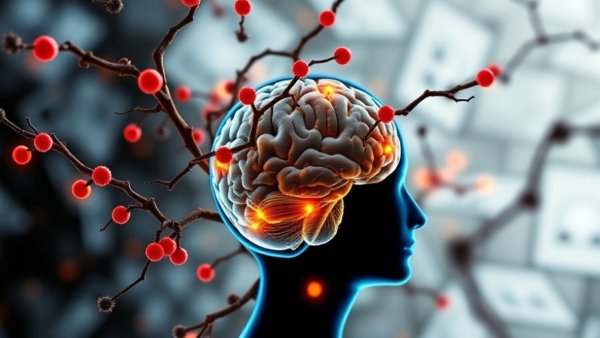
Understanding the Interconnection Between Cardiovascular Health and Cognitive Function
The relationship between cardiovascular disease (CVD) and cognitive decline has garnered considerable attention in recent years, especially as the global population ages. With more than 2 billion people expected to be over the age of 60 by 2050, understanding how these two health issues interrelate is crucial for public health strategies and personal health planning. Research indicates that the underlying mechanisms linking CVD and cognitive decline—such as vascular health, inflammatory responses, and metabolic dysfunction—contribute to a shared pathophysiology that exacerbates both conditions.
The Role of Apolipoproteins and Sirtuins in Aging
Apolipoproteins, particularly apolipoprotein E (ApoE), play a pivotal role in lipid metabolism and neuronal health. Genetic variations in ApoE can influence the risk of developing Alzheimer’s disease, thus linking cardiovascular risk factors with cognitive outcomes. Simultaneously, sirtuins—proteins involved in cellular regulation and metabolic functions—have emerged as crucial players in the aging process. Sirtuins 1 to 6 are particularly noteworthy as they promote cellular repair and protect against oxidative stress, both of which are vital for maintaining neuronal integrity and cardiovascular health.
Non-Coding RNAs: The Emerging Regulators of Health
Recent studies have spotlighted non-coding RNAs, which include microRNAs and circular RNAs, as significant regulators in the interplay of various cellular processes. These molecules influence gene expression related to inflammation and cellular repair, providing a potential therapeutic avenue for addressing both cardiovascular and cognitive health deterioration. Exploring how non-coding RNA profiles change with age, and under conditions of stress or disease, could illuminate new diagnostic markers and treatment targets.
Innovative Therapeutic Strategies and Future Directions
Considering the multifaceted nature of CVD and cognitive decline, effective treatments are not one-size-fits-all. Innovative strategies, such as stem cell therapy and the application of NAD+ boosters, demonstrate promise in enhancing cellular repair mechanisms and reversing senescence. Understanding how these therapies can augment mitochondrial function and enhance autophagy—the body’s waste removal process—opens avenues for advanced regenerative medicine. Tailored interventions based on individual metabolic profiles could revolutionize treatment paradigms.
The Importance of Early Diagnosis and Personalized Approaches
With advancements in artificial intelligence and machine learning, there is potential for developing sophisticated diagnostic tools that can detect early signs of disease progression linked to both cardiovascular conditions and cognitive decline. Utilizing systems biology to unravel these complex networks could lead to personalized medicine approaches that are responsive to the unique biochemical noise present in each patient, allowing for better-targeted therapeutic interventions.
Conclusion: Taking Charge of Your Health for the Future
As health-conscious individuals interested in maintaining vitality, understanding the connections between cardiovascular health, cognitive function, and cellular rejuvenation is pivotal. Strategies that enhance mitochondrial function and cellular repair through lifestyle modifications and advanced therapies can significantly impact aging processes.
For continued learning on maintaining your youthful energy and health, consider exploring options in regenerative medicine and cellular health strategies. Embrace this journey not just as a means to counteract aging, but as a proactive step towards a healthier future.











Write A Comment